
Poncelet Prize
Poncelet Prize is a French science award. It was created in 1868. It is given by the French Academy of Sciences.
- Given by
- French Academy of Sciences
- Country
- France
- Created
- 1868
All 8 facts, and where they come from
Facts
8 facts · 0 confirmed by two sources · 0 cited · 8 from one source
Where this comes from
Papalocal keeps its own record. It started from these sources; what each one said is kept here as it was copied, so a change on their side never changes this page by itself. Tap one to read its version.
What Wikidata says · copied November 16, 2026 · revision 2570091492
- Described as
- French science award
- What it is
- award; science award
- Created
- 1868
- Ended
- 1995
- Country
- France
- Owned by
- French Academy of Sciences
- Given by
- French Academy of Sciences
- Named after
- Jean-Victor Poncelet
- Wikipedias with a page
- 8
Wikidata item Q3405172 (wikidata.org/wiki/Q3405172), public domain (CC0). Copied 2026-11-16.
What Wikipedia says · copied November 16, 2026 · revision 1373743846
The Poncelet Prize (French: Prix Poncelet) is awarded by the French Academy of Sciences. The prize was established in 1868 by the widow of General Jean-Victor Poncelet for the advancement of the sciences. It was in the amount of 2,000 francs (as of 1868), mostly for the work in applied mathematics. The precise wording of the announcement by the academy varied from year to year and required the work be "in mechanics", or "for work contributing to the progress of pure or applied mathematics", or simply "in applied mathematics", and sometimes included condition that the work must be "done during the ten years preceding the award."
From the Wikipedia article “Poncelet Prize” (en.wikipedia.org/wiki/Poncelet_Prize), by its contributors, under CC BY-SA 4.0 (creativecommons.org/licenses/by-sa/4.0/). Copied 2026-11-16; not changed.
Confirmed Two sources agree. Cited One source, and it names where it got it. One source One source, without a reference of its own. Sources disagree The sources disagree. We show the best-supported value and keep theirs below.
People connected 9
Won it
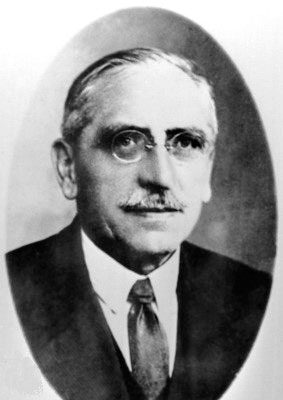 Henri Lebesgue (1914)French mathematician (1875–1941)
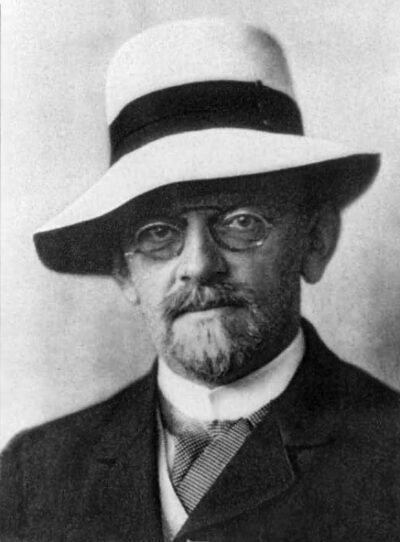 David Hilbert (1903)German mathematician (1862–1943)
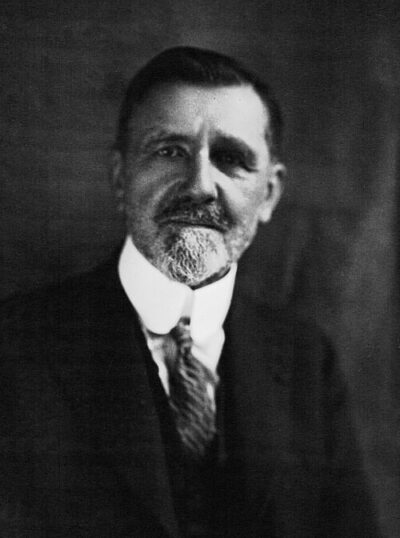 Émile Borel (1901)French mathematician and politician (1871-1956)
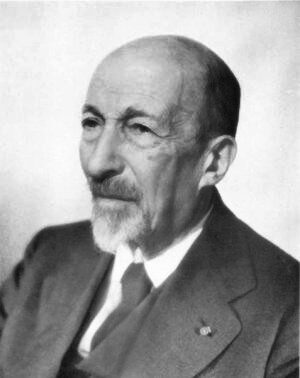 Jacques Hadamard (1898)French mathematician (1865–1963)
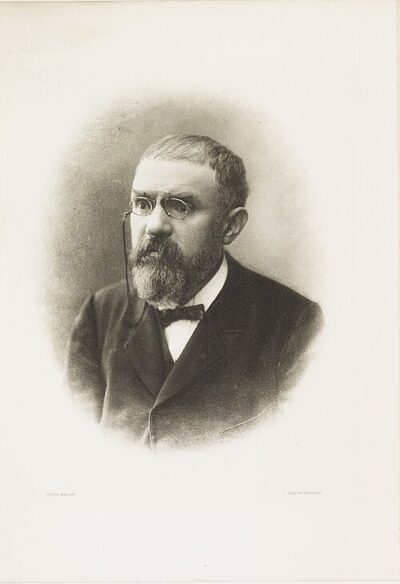 Henri Poincaré (1885)French mathematician, physicist and engineer (1854–1912)
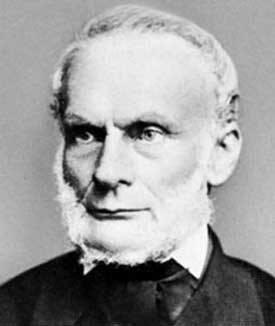 Rudolf Clausius (1882)German mathematical physicist and professor (1822–1888)
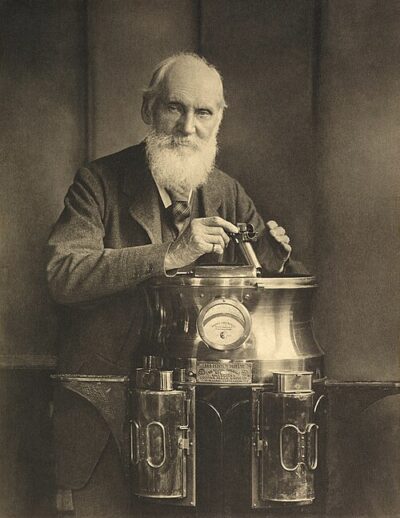 William Thomson, 1st Baron Kelvin (1873)British physicist and engineer (1824–1907)
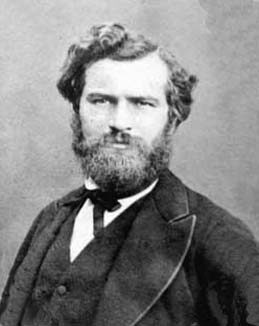 Camille Jordan (1870)French mathematician (1838-1922)
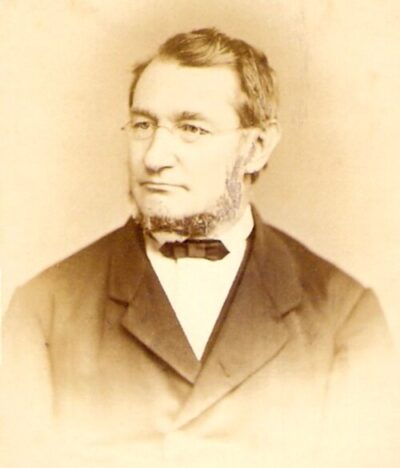 Robert Mayer (1869)German physicist (1814-1878)
