
Silliman Memorial Lectures
Silliman Memorial Lectures is a Yale University lecture series.
- Given by
- Yale University
All 4 facts, and where they come from
Facts
4 facts · 0 confirmed by two sources · 0 cited · 4 from one source
Where this comes from
Papalocal keeps its own record. It started from these sources; what each one said is kept here as it was copied, so a change on their side never changes this page by itself. Tap one to read its version.
What Wikidata says · copied November 16, 2026 · revision 2554396370
- Described as
- Yale University lecture series
- What it is
- award
- Given by
- Yale University
- Named after
- Gold Selleck Silliman · 1 reference; Hepsa Ely Silliman
- Wikipedias with a page
- 3
Wikidata item Q7515378 (wikidata.org/wiki/Q7515378), public domain (CC0). Copied 2026-11-16.
What Wikipedia says · copied November 16, 2026 · revision 1379630715
The Silliman Memorial lectures series has been published by Yale University since 1901. The lectures were established by the university on the foundation of a bequest of $80,000, left in 1883 by Augustus Ely Silliman, in memory of his mother, Mrs. Hepsa Ely Silliman. Hepsa Ely was the daughter of the Reverend David Ely, a member of the Yale College Class of 1769. She was married to Gold Selleck Silliman, brother of Professor Benjamin Silliman and a 1796 graduate of Yale College. She was the mother of two sons, August Ely Silliman and Benjamin Douglas Silliman. Benjamin graduated from Yale College in 1824.
The lectures are designed to illustrate the presence and providence, the wisdom and goodness of God, as manifested in the natural and moral world. The testator's belief was that any orderly presentation of the facts of nature or history contributed to the foundation's purpose more effectively than any attempt to emphasize the elements of doctrine or creed; and he therefore provided that lectures on dogmatic or polemical theology should be excluded from its scope, and that instead the subjects should be selected from the domains of natural science and history, with special prominence given to astronomy, chemistry, geology, and anatomy.
From the Wikipedia article “Silliman Memorial Lectures” (en.wikipedia.org/wiki/Silliman_Memorial_Lectures), by its contributors, under CC BY-SA 4.0 (creativecommons.org/licenses/by-sa/4.0/). Copied 2026-11-16; not changed.
Confirmed Two sources agree. Cited One source, and it names where it got it. One source One source, without a reference of its own. Sources disagree The sources disagree. We show the best-supported value and keep theirs below.
People connected 28
Won it 28
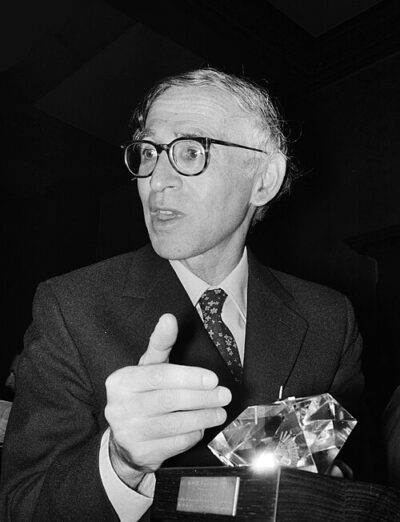 Aaron Klug (1984)British chemist and biophysicist
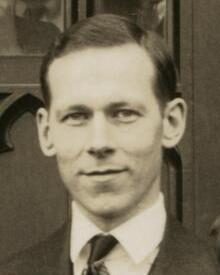 Robert S. Mulliken (1964)American physicist, chemist and botanical collector (1896 - 1986)
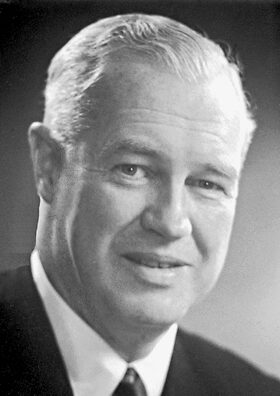 Alexander Todd (1963)British biochemist and Nobel laureate (1907-1997)
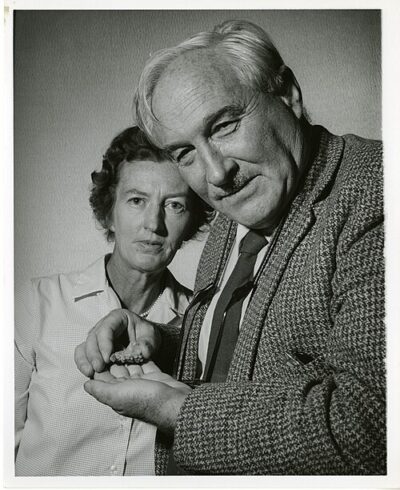 Louis Leakey (1963)kenyan-British archaeologist and naturalist
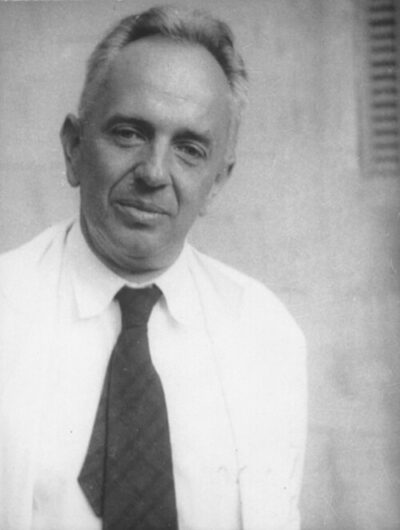 Theodosius Dobzhansky (1958)geneticist and evolutionary biologist (1900-1975)
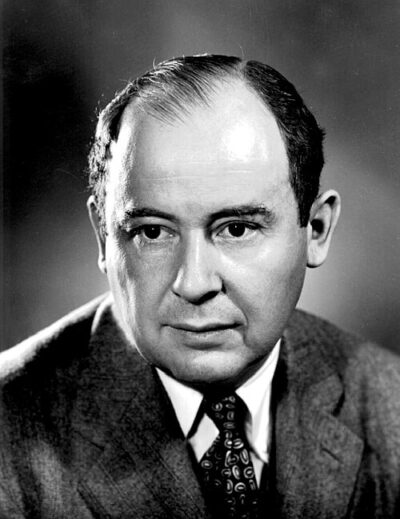 John von Neumann (1955)Hungarian and American mathematician and physicist (1903–1957)
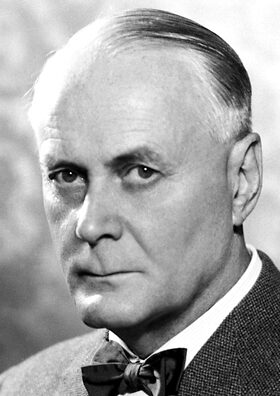 Ragnar Granit (1953)Finnish scientist (1900–1991)
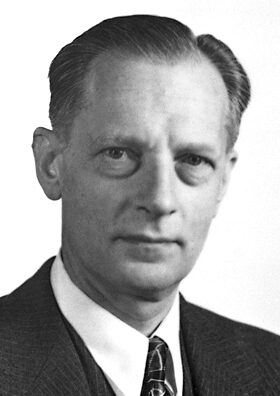 Carl Ferdinand Cori (1952)Czech Nobel prize laureate and scientist (1896–1984)
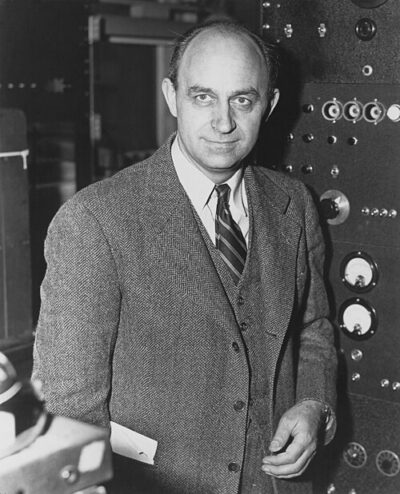 Enrico Fermi (1949)Italian-American physicist (1901–1954)
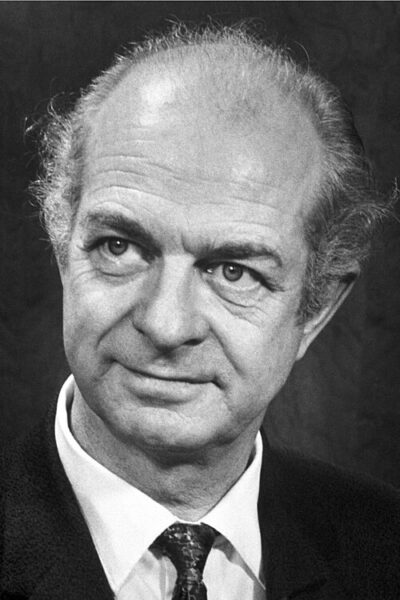 Linus Pauling (1947)American scientist (1901–1994)
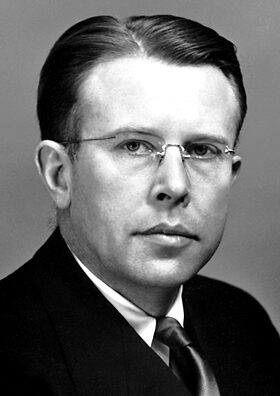 Ernest Lawrence (1945)American nuclear physicist (1901–1958)
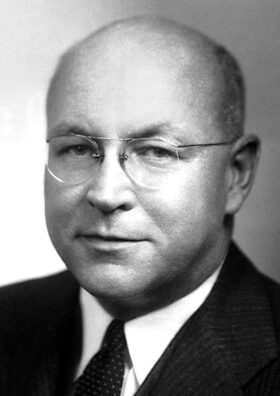 Wendell Meredith Stanley (1945)American biochemist and virologist, winner of the Nobel Prize in Chemistry (1946)
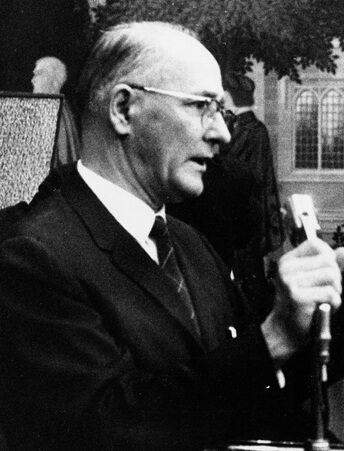 George Wells Beadle (1945)American geneticist (1903-1989)
- RRichard Goldschmidt (1939)German-American biologist (1878-1958)
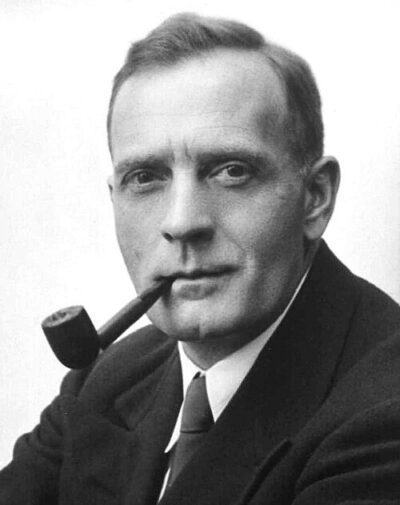 Edwin Hubble (1935)American astronomer (1889–1953)
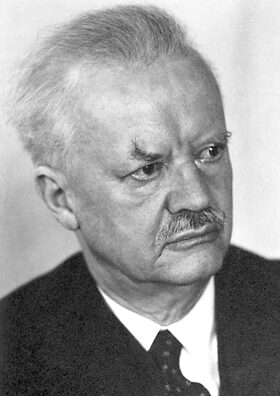 Hans Spemann (1934)German embryologist (1869–1941)
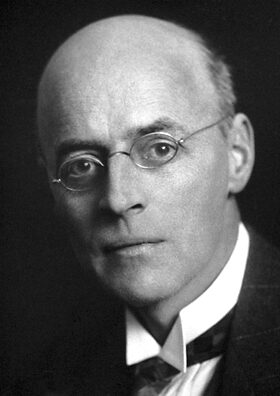 Owen Willans Richardson (1931)British physicist (1879–1959)
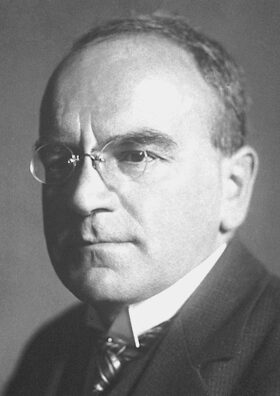 Heinrich Otto Wieland (1930)German Nobel laureate in Chemistry (1877-1957)
- GGilbert N. Lewis (1925)American physical chemist
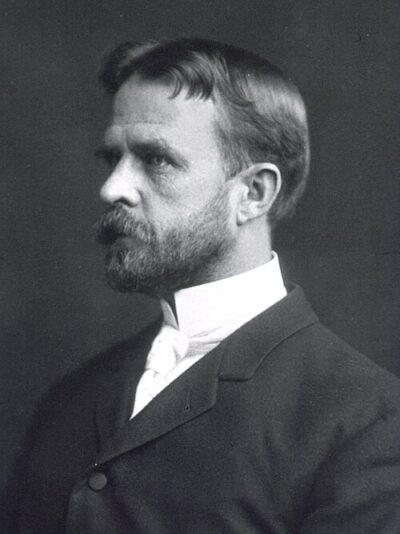 Thomas Hunt Morgan (1924)American biologist and professor from Kentucky (1866–1945)
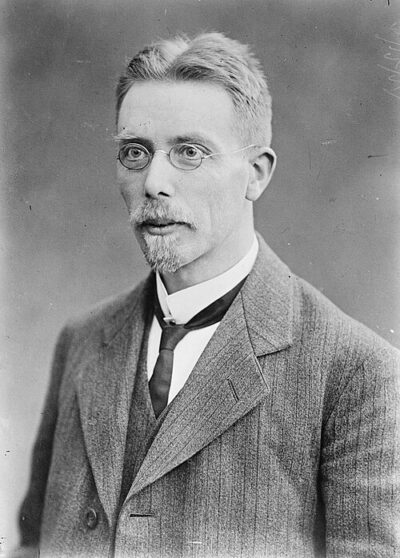 August Krogh (1922)Danish physiologist (1874–1949)
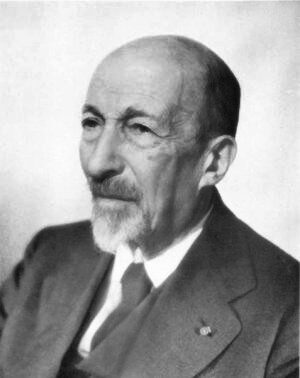 Jacques Hadamard (1919)French mathematician (1865–1963)
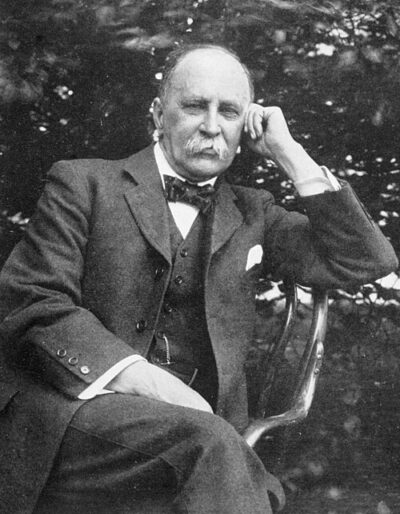 William Osler (1913)Canadian physician and co-founder of Johns Hopkins Hospital (1849–1919)
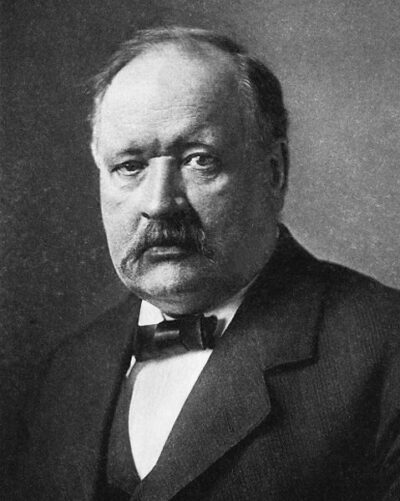 Svante August Arrhenius (1910)Swedish astronomer, chemist and physicist (1859–1927)
and 4 more
