

Smithsonian Institution
The Smithsonian Institution is a group of museums and research centers administered by the United States government. It was founded in 1846 by James Smithson and Joel Roberts Poinsett. Its headquarters are in Washington, D.C.
- Founded
- August 10, 1846
- Founded by
- James Smithson
- Headquarters
- Washington, D.C.
- Country
- United States
All 11 facts, and where they come from
Facts
11 facts · 0 confirmed by two sources · 5 cited · 6 from one source
Where this comes from
Papalocal keeps its own record. It started from these sources; what each one said is kept here as it was copied, so a change on their side never changes this page by itself. Tap one to read its version.
What Wikidata says · copied November 16, 2026 · revision 2568351435
- Described as
- group of museums and research centers administered by the United States government
- Other names
- The Smithsonian, Smithsonian, Smithsonian Institute
- What it is
- institution; nonprofit organization · 2 references; museum
- Founded
- August 10, 1846 · 3 references
- Founded by
- James Smithson; Joel Roberts Poinsett
- Headquarters
- Washington, D.C.
- Country
- United States · 1 reference
- Part of
- Federal Government of the United States · 1 reference
- Named after
- James Smithson · 1 reference
- Official website
- https://www.si.edu/
- Wikipedias with a page
- 70
Wikidata item Q131626 (wikidata.org/wiki/Q131626), public domain (CC0). Copied 2026-11-16.
What Wikipedia says · copied November 16, 2026 · revision 1382748613
The Smithsonian Institution ( smith-SOH-nee-ən; or simply the Smithsonian) is a group of museums, education and research centers, created by the United States federal government "for the increase and diffusion of knowledge". Founded on August 10, 1846, it operates as a trust instrumentality and is not formally a part of any of the three branches of the federal government. The institution is named after its founding donor, British scientist James Smithson. It was originally organized as the United States National Museum, but that name ceased to exist administratively in 1967.
The Smithsonian Institution has historical holdings of over 157 million items, 21 museums, 21 libraries, 14 education and research centers, a zoo, and historical and architectural landmarks, mostly located in Washington, D.C. Additional facilities are located in Maryland, New York, and Virginia. More than 200 institutions and museums in 47 states, Puerto Rico, and Panama are Smithsonian Affiliates. Institution publications include Smithsonian and Air & Space magazines.
Almost all of the institution's 30 million annual visitors are admitted without charge, the exception being visitors to Cooper Hewitt, Smithsonian Design Museum in New York City, which charges an admissions fee. The Smithsonian's annual budget is around $1.25 billion, with two-thirds coming from annual federal appropriations. Other funding comes from the institution's endowment, private and corporate contributions, membership dues, and earned retail, concession, and licensing revenue. As of 2025, the institution's endowment had a total value of about $2.86 billion.
From the Wikipedia article “Smithsonian Institution” (en.wikipedia.org/wiki/Smithsonian_Institution), by its contributors, under CC BY-SA 4.0 (creativecommons.org/licenses/by-sa/4.0/). Copied 2026-11-16; not changed.
Confirmed Two sources agree. Cited One source, and it names where it got it. One source One source, without a reference of its own. Sources disagree The sources disagree. We show the best-supported value and keep theirs below.
Picture: Wikimedia Commons: Smithsonian Castle Aerial highsmith.jpg · See Commons file page
People connected 25
Worked here 25
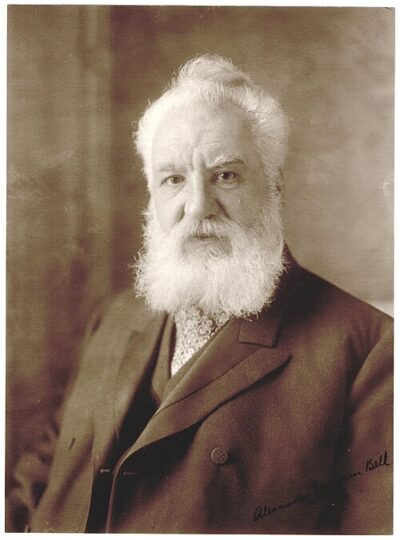 Alexander Graham BellCanadian-American scientist inventor of telephone (1847–1922)
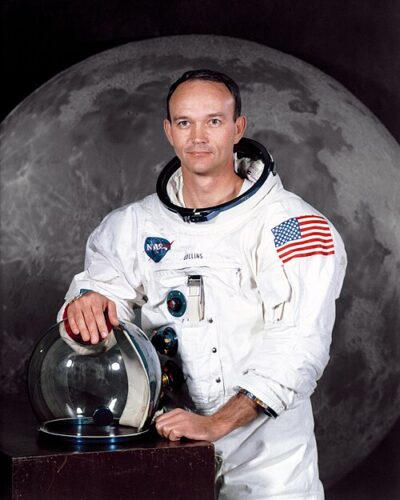 Michael CollinsAmerican astronaut (1930–2021)
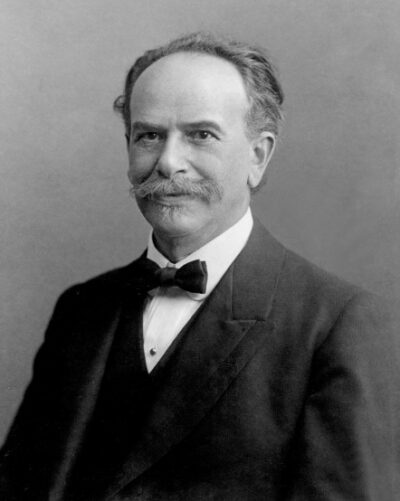 Franz BoasGerman-American anthropologist
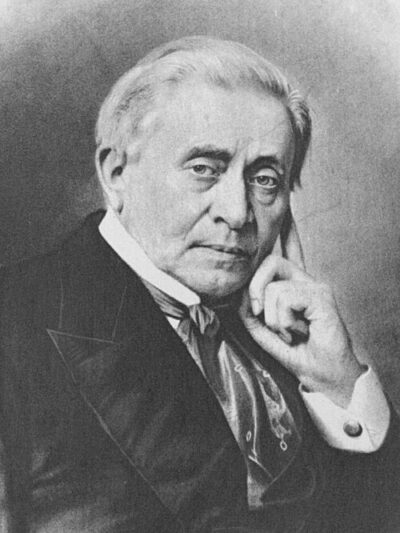 Joseph HenryAmerican scientist and the 1st Secretary of the Smithsonian (1797-1878)
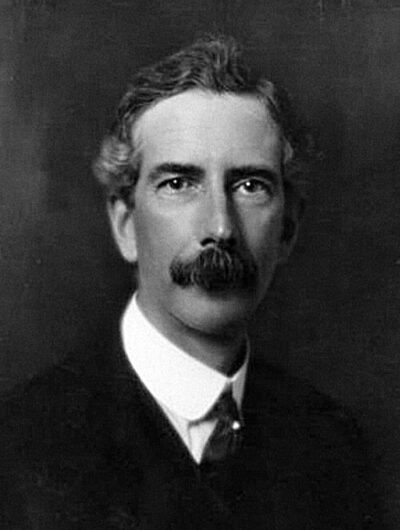 Charles Greeley AbbotAmerican astrophysicist and the 5th Secretary of the Smithsonian (1872–1973)
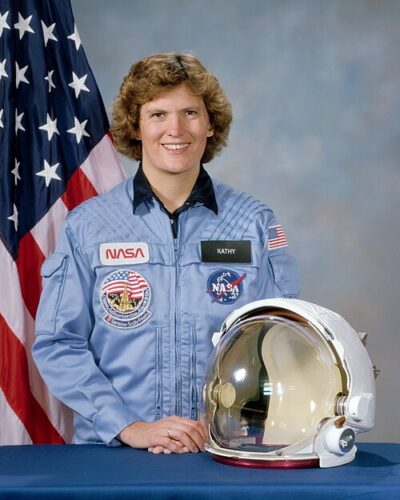 Kathryn D. SullivanAmerican astronaut (born 1951)
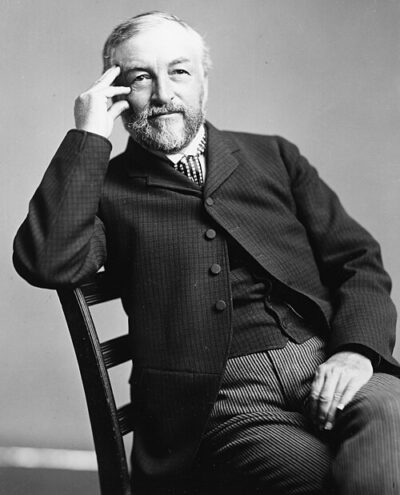 Samuel LangleyAmerican physicist, pioneer of aviation, and 3rd Secretary of the Smithsonian (1834-1906)
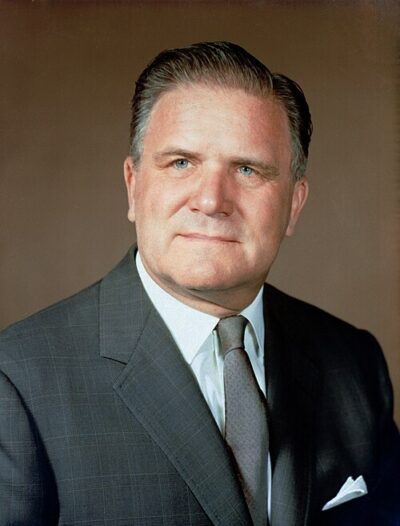 James E. Webbadministrator of NASA in 1961–1968 (1906–1992)
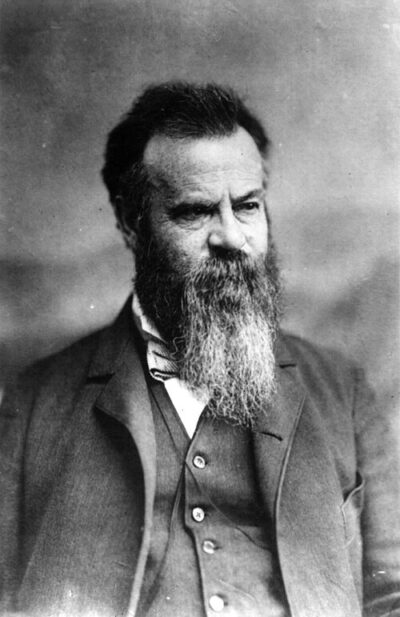 John Wesley PowellAmerican geologist (1834-1902)
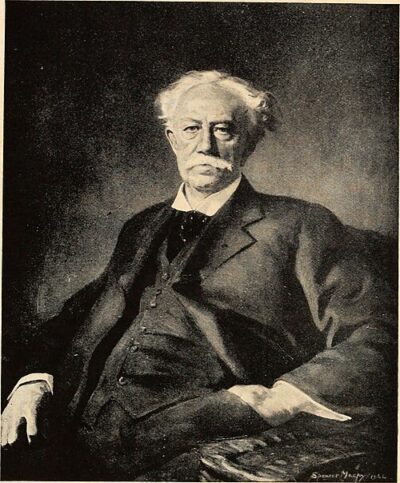 David Starr JordanAmerican ichthyologist and educator (1851-1931)
 J. Allen HynekAmerican astronomer (1910–1986)
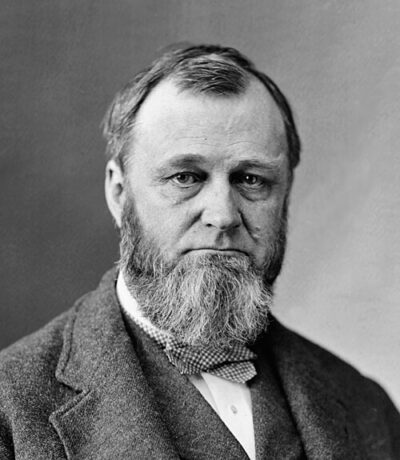 Spencer Fullerton BairdAmerican naturalist, ornithologist, ichthyologist, museum curator, and the 2nd Secretary of the Smithsonian (1823-1887)
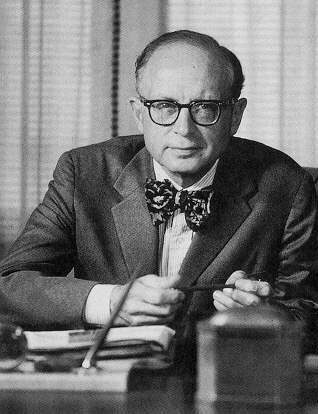 Daniel J. BoorstinAmerican historian (1914–2004)
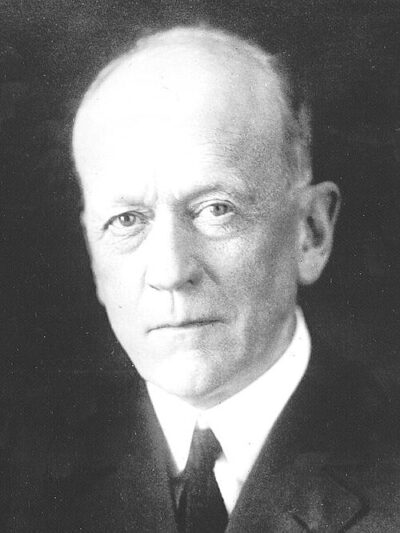 Charles Doolittle WalcottAmerican paleontologist and 4th Secretary of the Smithsonian (1850-1927)
 Margaret GellerAmerican astronomer
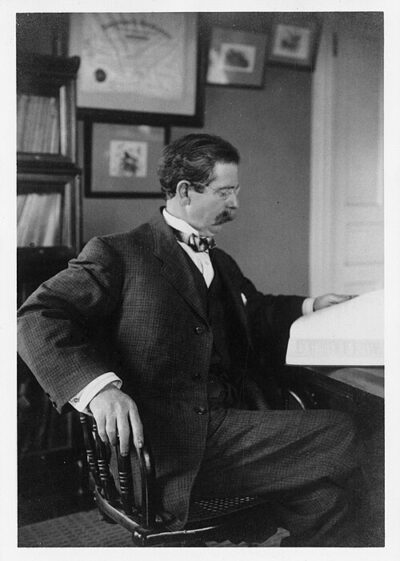 Robert RidgwayAmerican ornithologist (1850-1929)
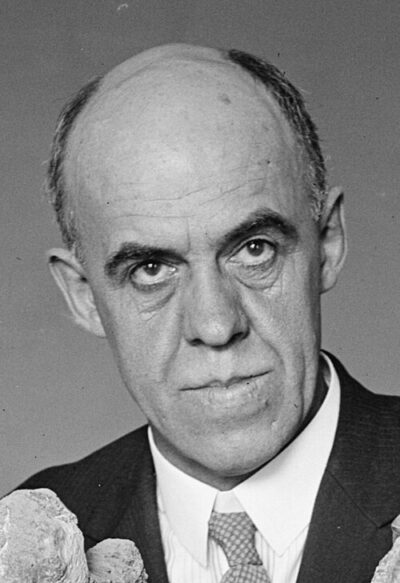 Charles W. Gilmorepaleontologist (1874-1945)
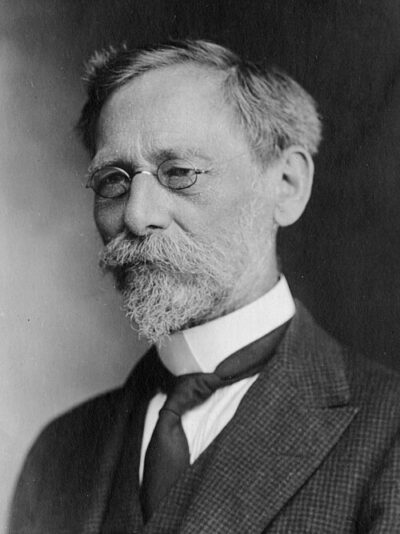 Leonhard Hess Stejnegerbiologist (1851-1943)
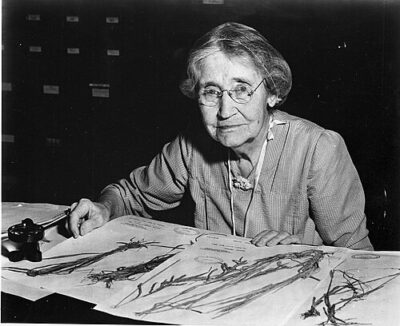 Mary Agnes ChaseU.S. botanist, botanical collector and scientific illustrator (1869–1963)
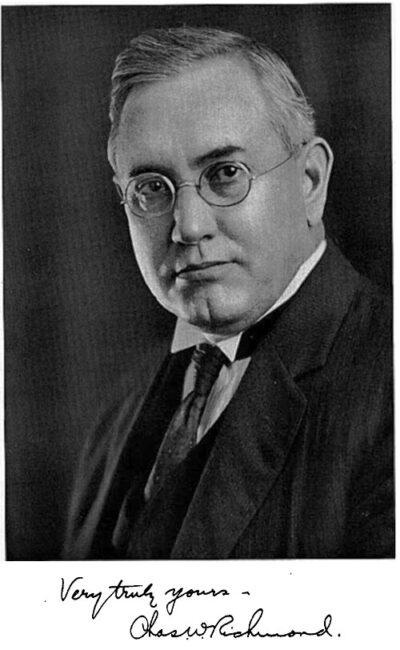 Charles Wallace RichmondAmerican ornithologist (1868-1932)
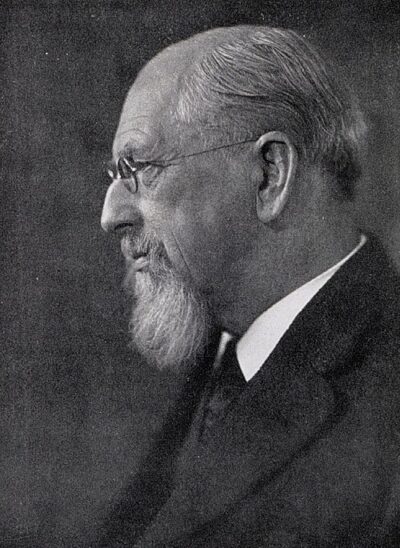 William Healey DallAmerican malacologist, palaeontologist and explorer (1845 – 1927)
- MMatthew J. HolmanAmerican astronomer
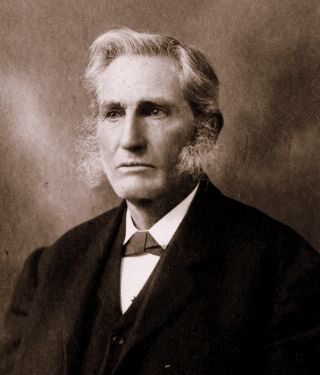 Lester Frank WardAmerican sociologist and paleontologist (1841-1913)
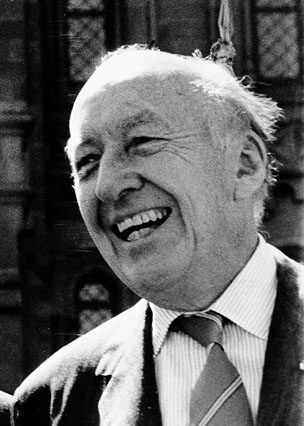 Sidney Dillon RipleyAmerican ornithologist and 8th Secretary of the Smithsonian (1913–2001)
and 1 more
