Sturmabteilung
Sturmabteilung is a Nazi Party's original paramilitary wing. It was founded in 1921 by Ernst Röhm. Its headquarters are in Munich.
- Founded
- 1921
- Founded by
- Ernst Röhm
- Headquarters
- Munich
- Country
- German Reich
All 13 facts, and where they come from
Facts
13 facts · 0 confirmed by two sources · 0 cited · 13 from one source
Where this comes from
Papalocal keeps its own record. It started from these sources; what each one said is kept here as it was copied, so a change on their side never changes this page by itself. Tap one to read its version.
What Wikidata says · copied November 17, 2026 · revision 2546594183
- Described as
- Nazi Party's original paramilitary wing
- Other names
- SA, Storm Detachment, Stormtroopers, Storm Troopers
- What it is
- paramilitary organization; political organization; political faction
- Comes after
- Der Stahlhelm, Bund der Frontsoldaten
- Founded
- 1921
- Ended
- October 10, 1945
- Founded by
- Ernst Röhm
- Headquarters
- Munich
- Country
- German Reich
- Chair
- Otto Wagener; Ernst Röhm · 1 reference
- Part of
- Nazi Party
- Office of
- German Reich
- Wikipedias with a page
- 69
Wikidata item Q150793 (wikidata.org/wiki/Q150793), public domain (CC0). Copied 2026-11-17.
What Wikipedia says · copied November 17, 2026 · revision 1386160092
The Sturmabteilung ([ˈʃtʊʁmʔapˌtaɪlʊŋ] ; lit. 'Storm Division' or loosely 'stormtroopers'), or SA, was the original party militia of the Nazi Party of Germany. The organisation played a significant role in Hitler's rise to power in the 1920s and early 1930s. Its primary purposes were providing protection for Nazi rallies and assemblies, disrupting the meetings of opposing parties, fighting against the paramilitary units of the opposing parties, especially the Roter Frontkämpferbund of the Communist Party of Germany (KPD) and the Reichsbanner Schwarz-Rot-Gold of the Social Democratic Party of Germany (SPD), and intimidating Romani, trade unionists, and especially Jews.
The SA were colloquially called Brownshirts (Braunhemden) because of the colour of their uniform's shirts, similar to Benito Mussolini's Blackshirts. The official SA uniform was a brown shirt with a brown tie. The colour came about because a large shipment of Lettow-shirts, originally intended for the German colonial troops in Germany's former East Africa colony but which never reached its destination because of naval blockades, was purchased in 1921 by Gerhard Roßbach for use by his Freikorps paramilitary unit. They were later used for his Schill Youth organization in Salzburg, and in 1924 were adopted by the Schill Youth in Germany. The "Schill Sportversand" then became the main supplier for the SA's brown shirts. The SA developed pseudo-military titles for its members, with ranks that were later adopted by several other Nazi Party groups.
After Hitler rose to Nazi Party leadership in 1921, he formalized the party's militant supporters into the SA as a group that was to protect party gatherings. In 1923, owing to his growing distrust of the SA, Hitler ordered the creation of a bodyguard unit, Stoßtrupp-Hitler, which was abolished after the failed Beer Hall Putsch later that year. Not long after Hitler's release from prison, he ordered the creation of another bodyguard unit in 1925 that ultimately became the Schutzstaffel (SS). During the Night of the Long Knives (die Nacht der langen Messer) purge in 1934, the SA's then-leader Ernst Röhm was arrested and executed. The SA continued to exist but lost almost all its influence and was effectively superseded by the SS, which took part in the purge. The SA remained in existence until after Nazi Germany's final capitulation to the Allies in 1945, after which it was disbanded and outlawed by the Allied Control Council.
From the Wikipedia article “Sturmabteilung” (en.wikipedia.org/wiki/Sturmabteilung), by its contributors, under CC BY-SA 4.0 (creativecommons.org/licenses/by-sa/4.0/). Copied 2026-11-17; not changed.
Confirmed Two sources agree. Cited One source, and it names where it got it. One source One source, without a reference of its own. Sources disagree The sources disagree. We show the best-supported value and keep theirs below.
Picture: Wikimedia Commons: Bundesarchiv Bild 146-1982-004-13A, Aufmarsch am Abend der Machtergreifung Hitlers.jpg · See Commons file page
People connected 46
Members 45
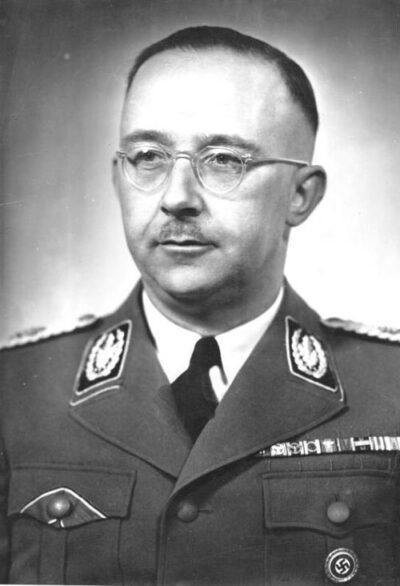 Heinrich Himmler (1925)German Nazi politician; leader of the German SS & main architect of the Holocaust (1900-1945)
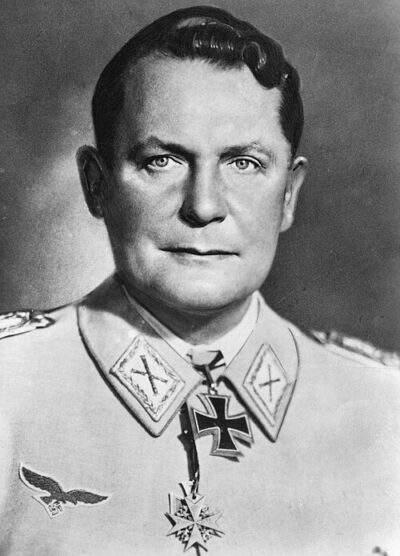 Hermann GöringGerman Nazi politician, military leader, and convicted war criminal (1893–1946)
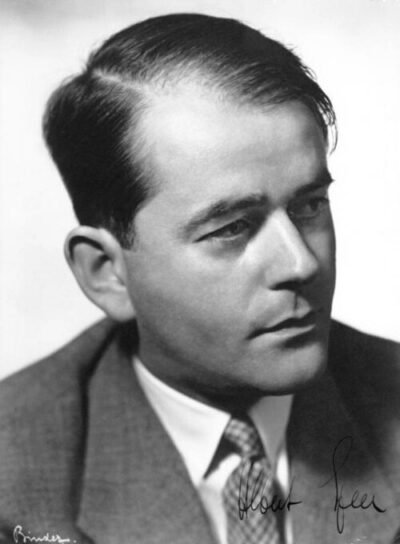 Albert SpeerGerman Nazi architect, Government Minister of Armaments and War Production for Nazi Germany and convicted Nazi War Criminal (1905–1981)
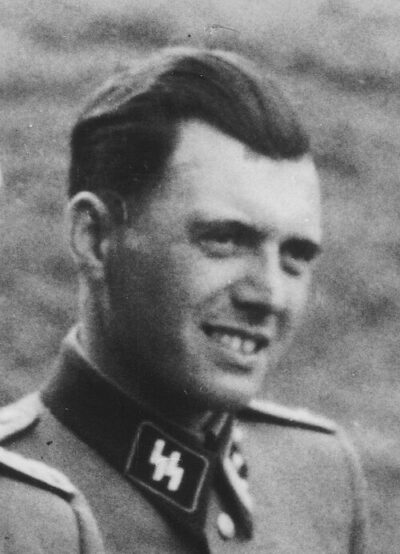 Josef MengeleNazi SS doctor and Military Officer at Auschwitz (1911–1979)
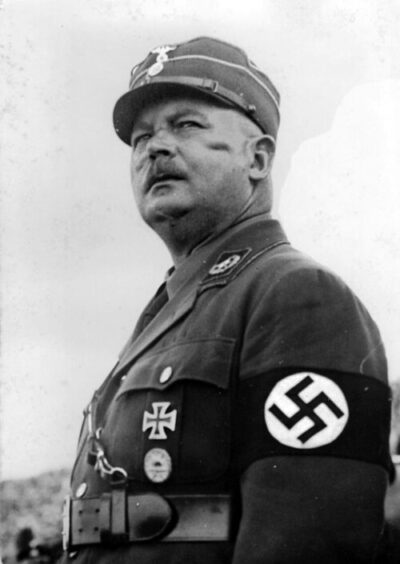 Ernst RöhmGerman Nazi politician, military officer and leader of the Sturmabteilung (1887-1934)
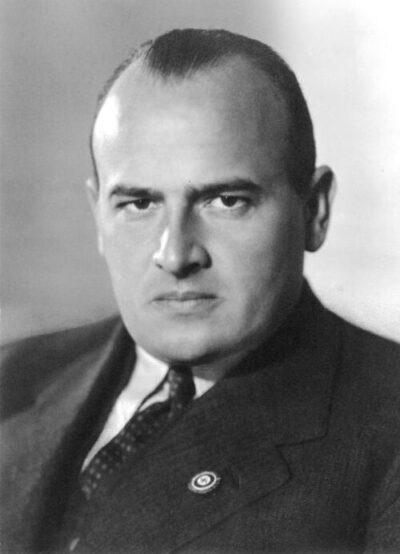 Hans FrankGerman lawyer, Nazi politician, General Governor of Nazi occupied Poland and convicted war criminal (1900–1946)
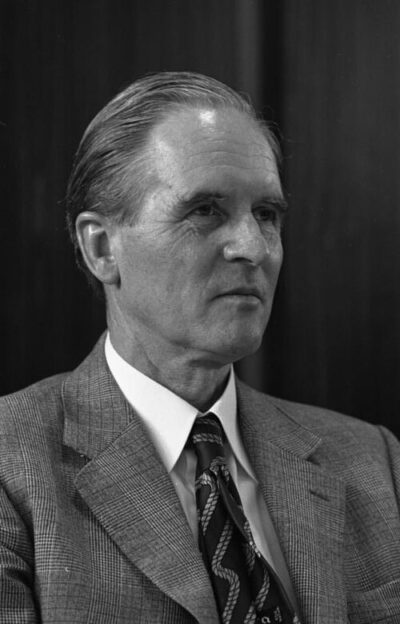 Karl Carstenspresident of the Federal Republic of Germany (1914-1992)
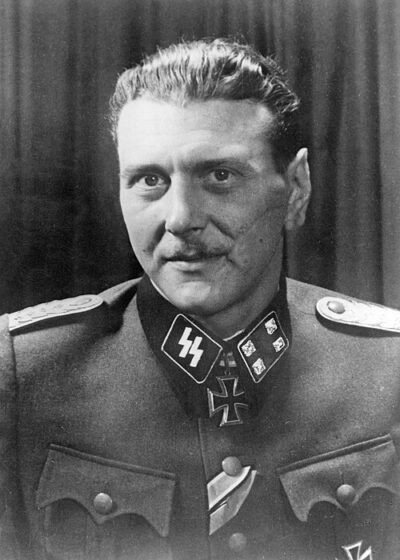 Otto SkorzenyAustrian Waffen-SS officer (1908–1975)
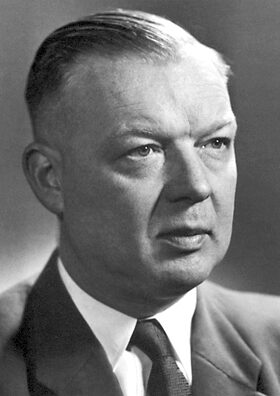 Werner ForssmannGerman physician, Nobel prize winner (1904-1979)
- GGeorg WittigGerman chemist (1979 Nobel Prize)
 Baldur von SchirachGerman Nazi politician and convicted war criminal (1907–1974)
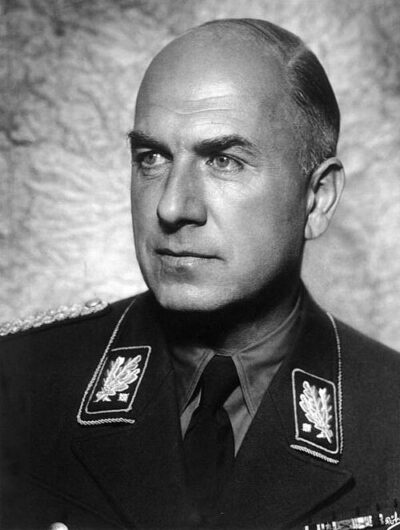 Fritz TodtGerman engineer, Holocaust perpetrator, and senior Nazi figure (1891–1942)
 Heinrich HarrerAustrian mountaineer and author (1912–2006)
 Horst WesselSA officer (1907-1930)
 Karl Brandt (1933–)German Nazi SS officer and physician, executed for war crimes and crimes against humanity (1904–1948)
 Theodor EickeGerman SS general, commander of concentration camp Dachau and inspector of the concentration camps (1892–1943)
- WWilm HosenfeldGerman army officer (1895-1952)
 Pascual JordanGerman physicist and politician (1902-1980)
 Paul HausserGerman Waffen SS general (1880-1972)
 Hermann FegeleinGerman lieutenant general in the Waffen-SS (1906–1945)
 Felix SteinerGerman SS commander ; affiant in Pohl Trial (NMT 4)
 Oskar Dirlewanger (1922–)German Nazi military officer and SS Regiment/Brigade Commander (1895–1945)
- AAribert HeimAustrian SS member and physician in Mauthausen concentration camp (1914-1992)
 Charles Edward, Duke of Saxe-Coburg and Gothalast Duke of Saxe-Coburg and Gotha from 1900 to 1918, British prince and royal duke, Nazi politician (1884–1954)
and 21 more