
United Nations Prize in the Field of Human Rights
United Nations Prize in the Field of Human Rights is a human rights award (1968–). It was created in 1966.
- Given by
- United Nations
- Created
- 1966
All 3 facts, and where they come from
Facts
3 facts · 0 confirmed by two sources · 0 cited · 2 from one source · 1 where the sources disagree
What’s different
- Created: we show 1966 (Sources disagree). Wikidata also lists December 10, 1968
Where this comes from
Papalocal keeps its own record. It started from these sources; what each one said is kept here as it was copied, so a change on their side never changes this page by itself. Tap one to read its version.
What Wikidata says · copied November 16, 2026 · revision 2454755772
- Described as
- human rights award (1968–)
- What it is
- human rights award
- Created
- 1966 · 1 reference; December 10, 1968 · 1 reference
- Given by
- United Nations
- Wikipedias with a page
- 21
Wikidata item Q27028 (wikidata.org/wiki/Q27028), public domain (CC0). Copied 2026-11-16.
What Wikipedia says · copied November 16, 2026 · revision 1364361290
The United Nations Prizes in the Field of Human Rights were instituted by United Nations General Assembly in 1966. They are intended to "honour and commend people and organizations which have made an outstanding contribution to the promotion and protection of the human rights embodied in the Universal Declaration of Human Rights and in other United Nations human rights instruments".
The UN first awarded the prize to six recipients at a ceremony on 10 December 1968 – the 20th anniversary of the Universal Declaration of Human Rights, which the UN has designated Human Rights Day. They have been given out at five-year intervals since then, with the exception of 1983, to individuals, groups and organizations. As of December 2018, 64 awards have been presented, including nine awards presented posthumously (four to recipients who had been murdered while pursuing human rights for others).
The recipients are selected by a committee composed of the presidents of the UN General Assembly, the UN Economic and Social Council and the UN Human Rights Council (which replaced the UN Commission on Human Rights in 2006), and the chairs of the UN Commission on the Status of Women and of the Advisory Committee of the UN Human Rights Council (which replaced the UN Sub-Commission on the Promotion and Protection of Human Rights in 2006). Since 1998, the awards are announced by the Office of the UN High Commissioner for Human Rights, which was created a few days after the 1993 ceremony.
The physical token of the award is a metal plaque bearing the UN seal and an artistic design, and engraved with an appropriate citation. In contrast to the Nobel prizes – whose list of prizewinners of the Nobel Peace Prize shares much common ground with the UN Prize in the Field of Human Rights – the UN's awards are non-monetary in nature.
From the Wikipedia article “United Nations Prize in the Field of Human Rights” (en.wikipedia.org/wiki/United_Nations_Prize_in_the_Field_of_Human_Rights), by its contributors, under CC BY-SA 4.0 (creativecommons.org/licenses/by-sa/4.0/). Copied 2026-11-16; not changed.
Confirmed Two sources agree. Cited One source, and it names where it got it. One source One source, without a reference of its own. Sources disagree The sources disagree. We show the best-supported value and keep theirs below.
People connected 26
Won it 26
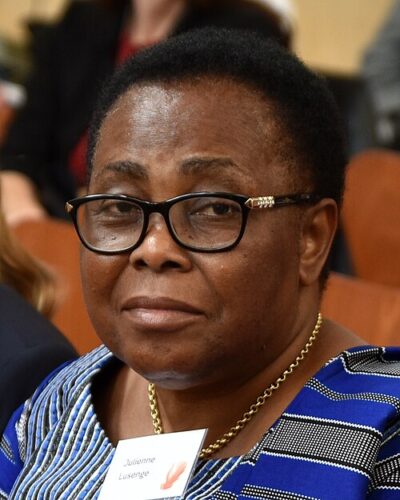 Julienne Lusenge (2023)Activist for Women Rights, Democratic Republic of the Congo
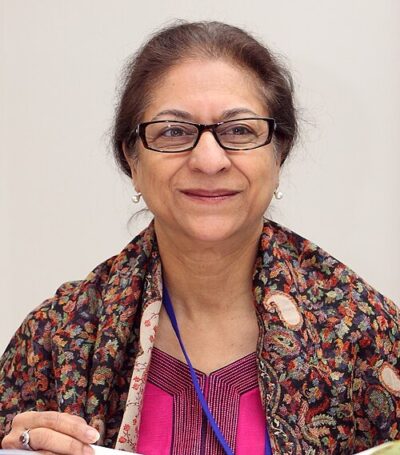 Asma Jahangir (2018)Pakistani human rights activist and lawyer (1952–2018)
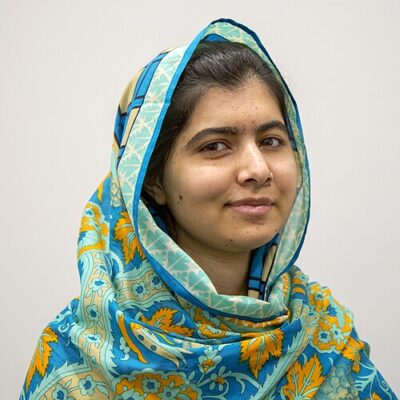 Malala Yousafzai (2013)Pakistani children's education activist
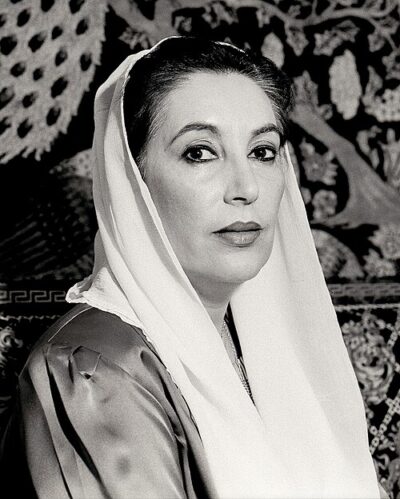 Benazir Bhutto (2008)11th and 13th prime minister of Pakistan (1953–2007)
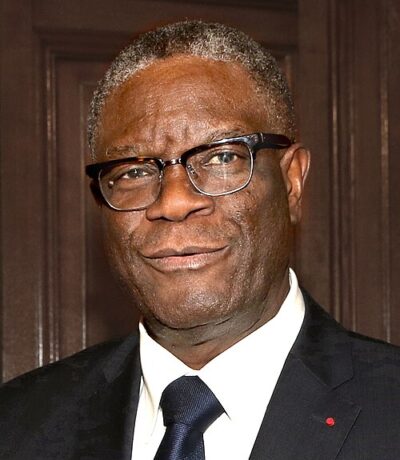 Denis Mukwege (2008)Congolese gynecologist and Nobel Peace Prize laureate
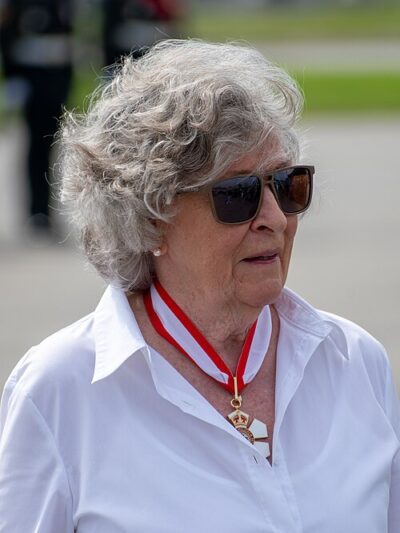 Louise Arbour (2008)Governor General of Canada
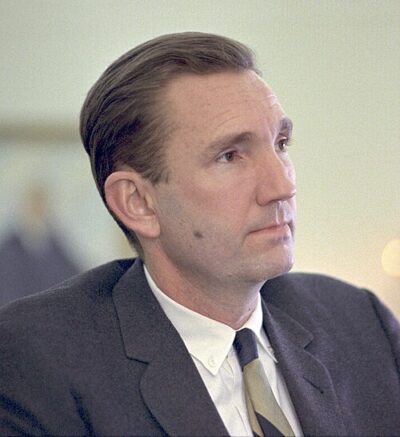 Ramsey Clark (2008)American lawyer and peace activist (1927–2021)
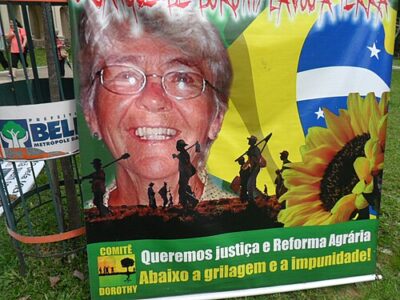 Dorothy Stang (2008)Brazilian activist (1931–2005)
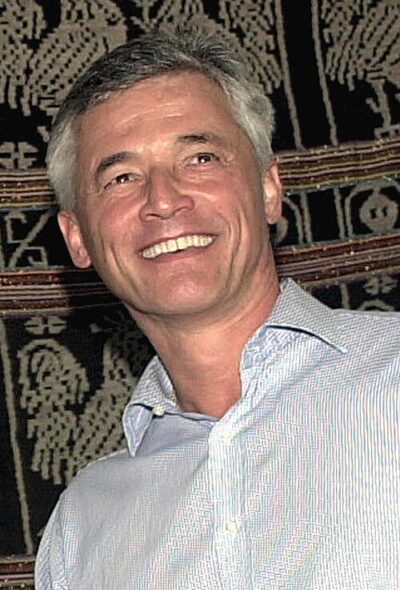 Sérgio Vieira de Mello (2003)Brazilian UN diplomat and humanitarian aid officer (1948–2003)
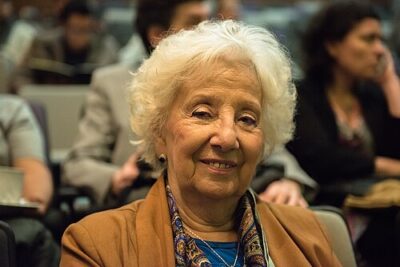 Estela Barnes de Carlotto (2003)Argentine human rights activist, leader of the Grandmothers of the Plaza de Mayo
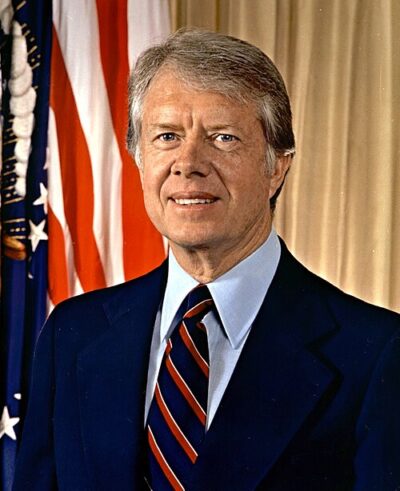 Jimmy Carter (1998)president of the United States from 1977 to 1981 (1924–2024)
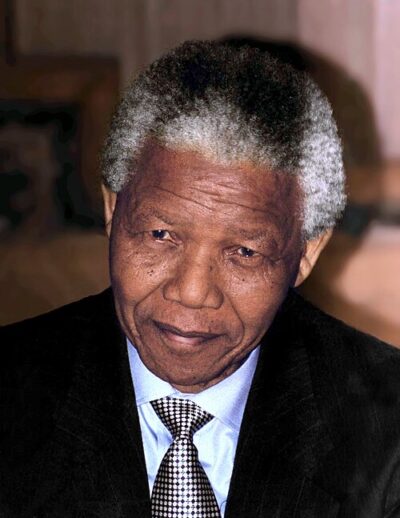 Nelson Mandela (1988)President of South Africa and anti-apartheid activist (1918–2013)
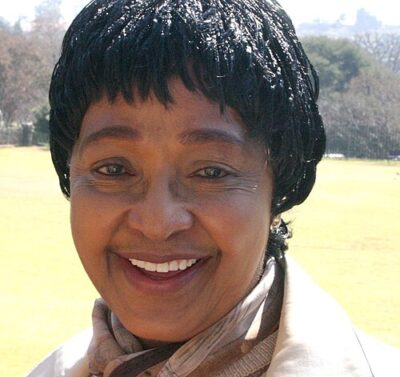 Winnie Madikizela-Mandela (1988)South African activist and politician (1936-2018)
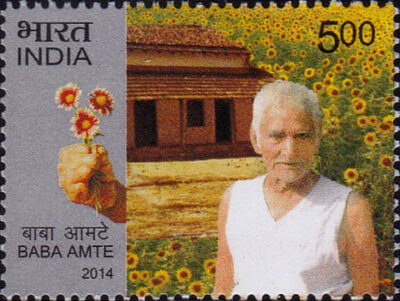 Baba Amte (1988)Indian freedom fighter, social worker (1914–2008)
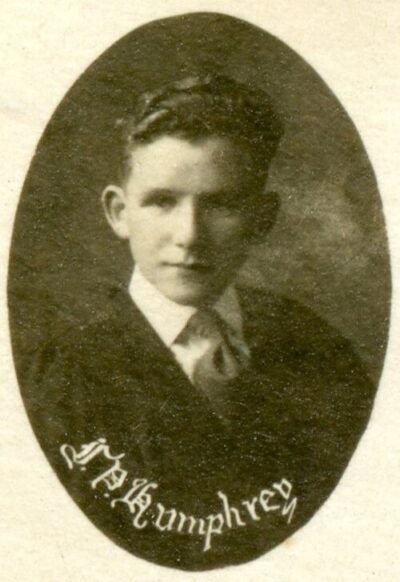 John Peters Humphrey (1988)Canadian legal scholar (1905-1995)
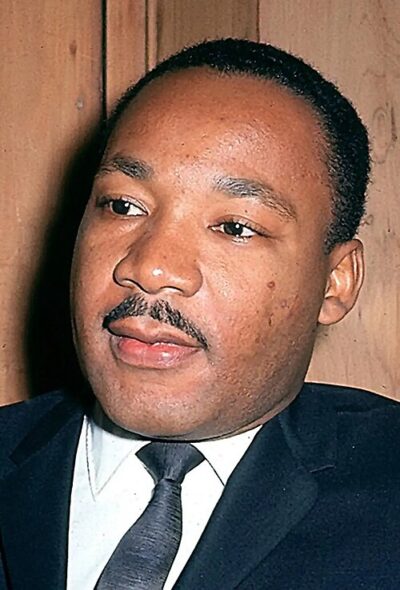 Martin Luther King Jr. (1978)American Baptist minister and civil rights leader (1929–1968)
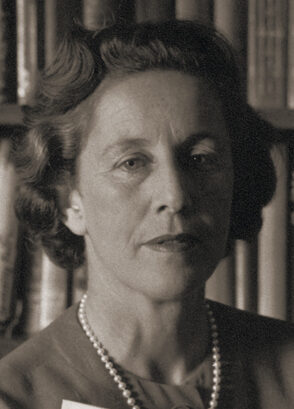 Helen Suzman (1978)South African politician (1917–2009)
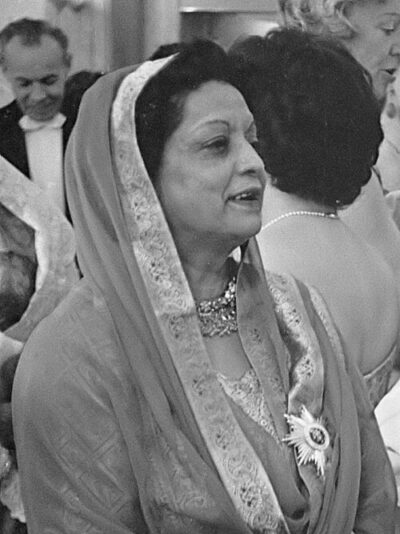 Ra'ana Liaquat Ali Khan (1978)Pakistani diplomat (1905-1990)
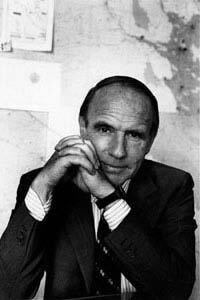 Prince Sadruddin Aga Khan (1978)UN High Commissioner for Refugees (1933-2003)
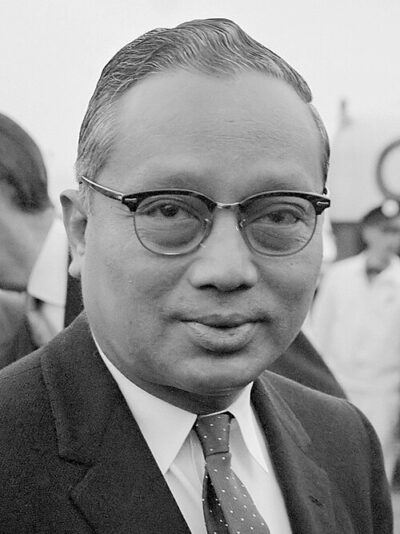 U Thant (1973)UN Secretary-General from 1961 to 1971
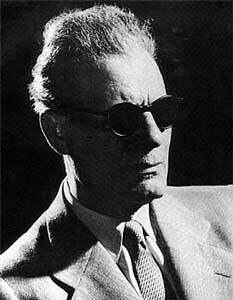 Taha Hussein (1973)Egyptian writer and literary critic (1889–1973)
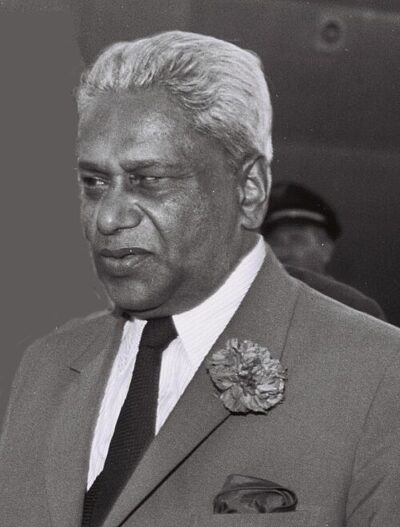 Seewoosagur Ramgoolam (1973)politician, statesman and philanthropist and the first prime minister of Mauritius (1900-1985)
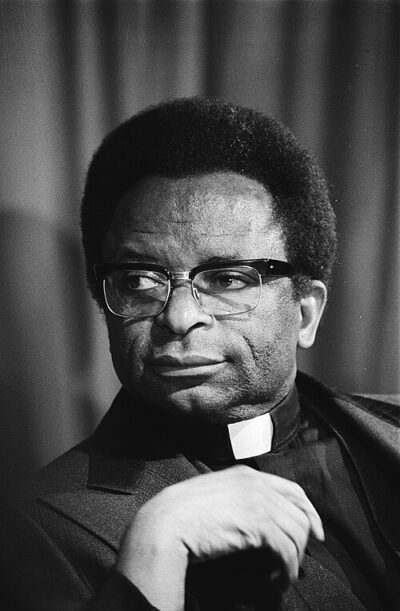 Abel Muzorewa (1973)first and only prime minister of Zimbabwe Rhodesia (1979-80)
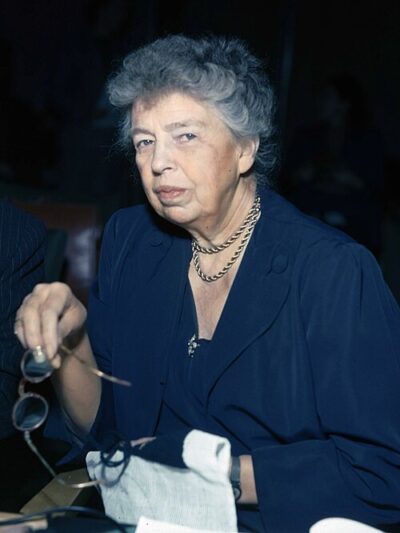 Eleanor Roosevelt (1968)American diplomat and activist, First Lady of the United States from 1933 to 1945 (1884–1962)
and 2 more
