
USSR Union of Writers
The USSR Union of Writers is a creative union of professional writers in the Soviet Union. It was founded in 1934. It won the Order of Lenin and 1 more.
- Founded
- 1934
- Country
- Soviet Union
All 10 facts, and where they come from
Facts
10 facts · 0 confirmed by two sources · 1 cited · 9 from one source
Where this comes from
Papalocal keeps its own record. It started from these sources; what each one said is kept here as it was copied, so a change on their side never changes this page by itself. Tap one to read its version.
What Wikidata says · copied November 17, 2026 · revision 2569557661
- Described as
- creative union of professional writers in the Soviet Union
- Other names
- Union of Soviet Writers, Soviet Union of Writers
- What it is
- organization; creative union in the Soviet Union; writers union
- Founded
- 1934
- Ended
- 1991
- Country
- Soviet Union
- Chair
- Maxim Gorky (1934–1936); Aleksey Tolstoy (1936–1938)
- Awards
- Order of Lenin (1967) · 1 reference; Order of Friendship of Peoples
- Wikipedias with a page
- 32
Wikidata item Q1425328 (wikidata.org/wiki/Q1425328), public domain (CC0). Copied 2026-11-17.
What Wikipedia says · copied November 17, 2026 · revision 1374716473
The Union of Soviet Writers, USSR Union of Writers, or Soviet Union of Writers (Russian: Союз писателей СССР, romanized: Soyuz pisatelei SSSR) was a creative union of professional writers in the Soviet Union. It was founded in 1934 on the initiative of the Central Committee of the Communist Party (1932) after disbanding a number of other writers' organizations, including Proletkult and the Russian Association of Proletarian Writers.
The aim of the Union was to achieve party and state control in the field of literature. For professional writers, membership of the Union became effectively obligatory, and non-members had much more limited opportunities for publication. The result was that exclusion from the Union meant a virtual ban on publication. However, the history of the Union of Writers also saw cases of voluntary self-exclusion from its cadre. Thus, Vasily Aksyonov, Semyon Lipkin, and Inna Lisnyanskaya left the Union of Writers in a show of solidarity after the exclusion of Viktor Yerofeyev and Yevgeny Popov in punishment for self-publishing.
Andrei Zhdanov gave the opening address to the First Congress of Soviet Writers in August 1934, stating the "tendentious" purpose of literature as forming Marxist ideology in the minds of Soviets and illustrating the centrality of ideologically-pure literature to the Soviet and Stalinist project:Our Soviet literature is not afraid of the charge of being "tendentious". Yes, Soviet literature is tendentious, for in an epoch of class struggle there is not and cannot be a literature which is not class literature, not tendentious, allegedly non-political.
After the end of the Soviet Union, the Union of Soviet Writers was divided into separate organizations for each of the post-Soviet states. The Russian section was transformed into the Union of Russian Writers.
From the Wikipedia article “Union of Soviet Writers” (en.wikipedia.org/wiki/Union_of_Soviet_Writers), by its contributors, under CC BY-SA 4.0 (creativecommons.org/licenses/by-sa/4.0/). Copied 2026-11-17; not changed.
Confirmed Two sources agree. Cited One source, and it names where it got it. One source One source, without a reference of its own. Sources disagree The sources disagree. We show the best-supported value and keep theirs below.
People connected 103
Members 103
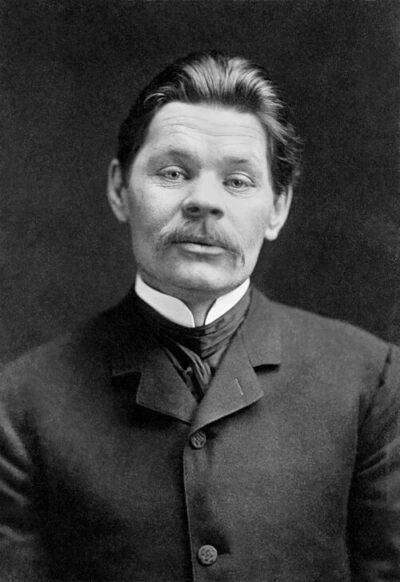 Maxim GorkyRussian and Soviet writer (1868–1936)
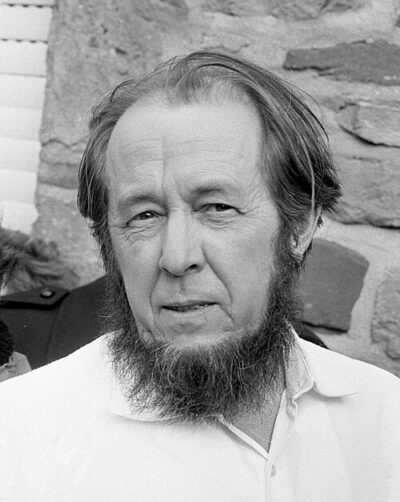 Aleksandr SolzhenitsynRussian writer, publicist, poet and politician (1918–2008)
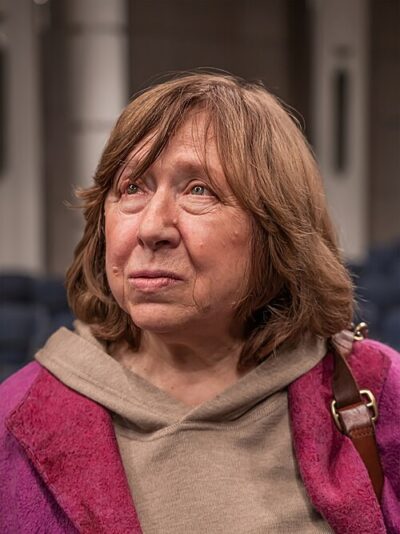 Svetlana Alexievich (1976–)Belarusian investigative journalist and non-fiction prose writer (born 1948)
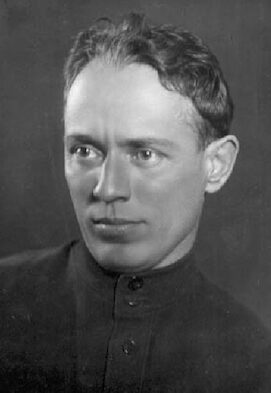 Mikhail SholokhovSoviet writer (1905-1984)
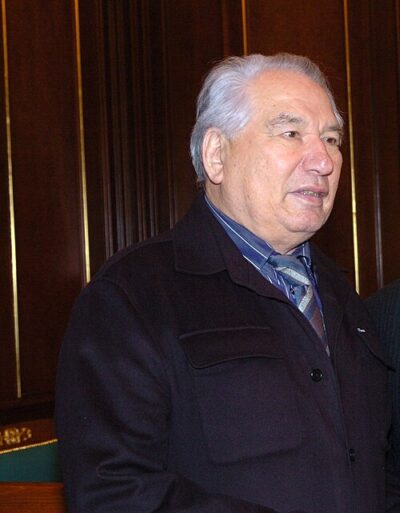 Chingiz AĭtmatovSoviet and Kyrgyz author (1928–2008)
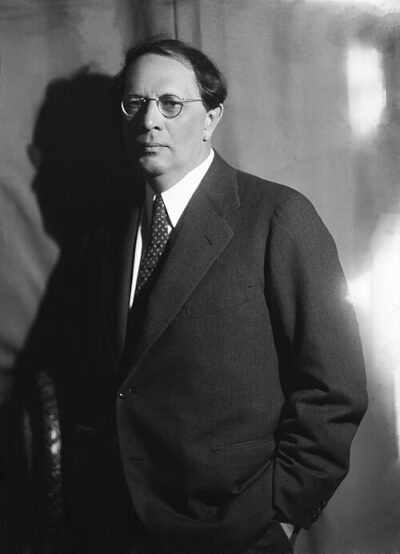 Aleksey Tolstoy (1936–1938)Russian-Soviet writer (1883-1945)
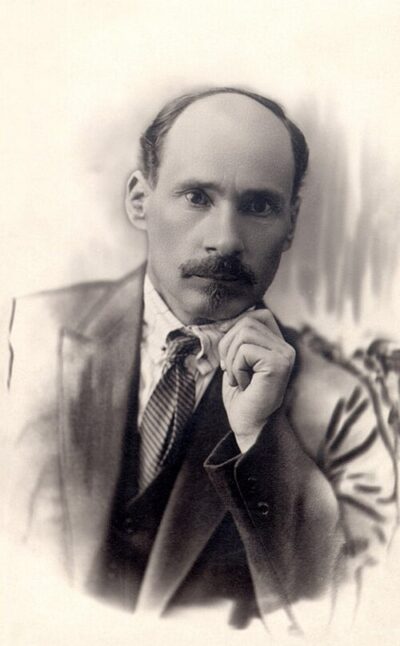 Yakub KolasBelarusian writer (1882–1956)
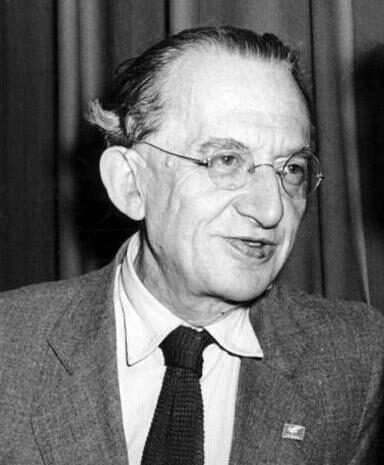 Georg LukácsHungarian marxist philosopher and literary critic (1885–1971)
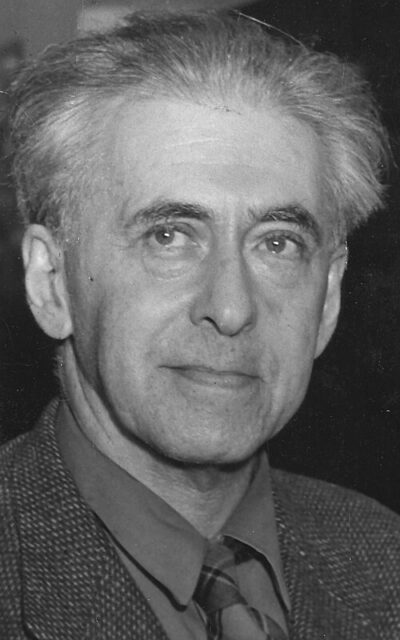 Ilya EhrenburgSoviet writer, Bolshevik revolutionary, journalist and historian (1891–1967)
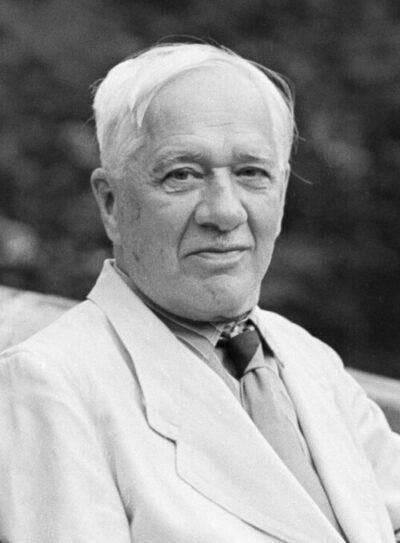 Korney ChukovskyRussian children's poet (1882–1969)
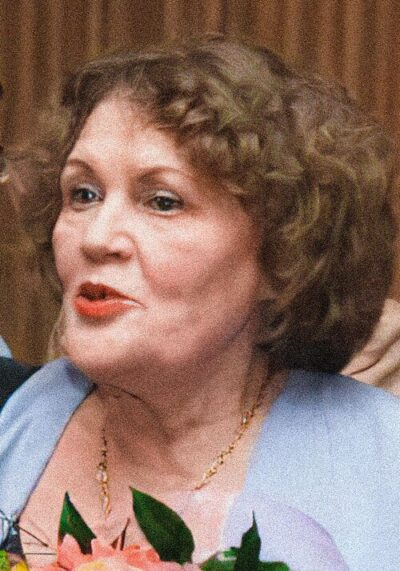 Lina KostenkoUkrainian writer
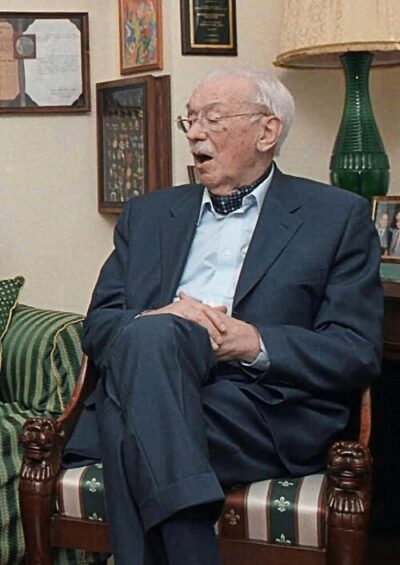 Sergey MikhalkovSoviet and Russian writer (1913–2009)
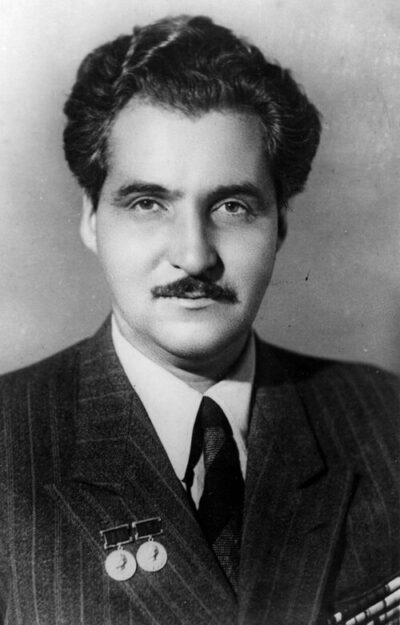 Konstantin SimonovSoviet writer, poet, playwright and wartime correspondent (1915–1979)
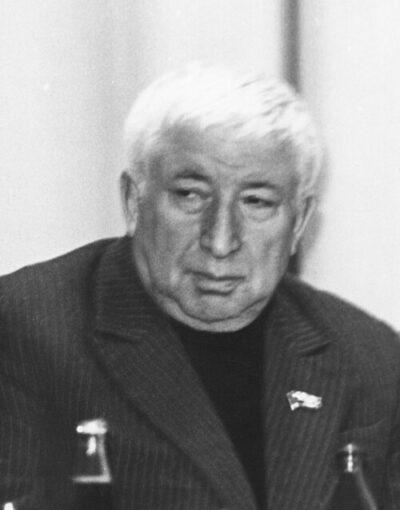 Rasul GamzatovAvar poet (1923-2003)
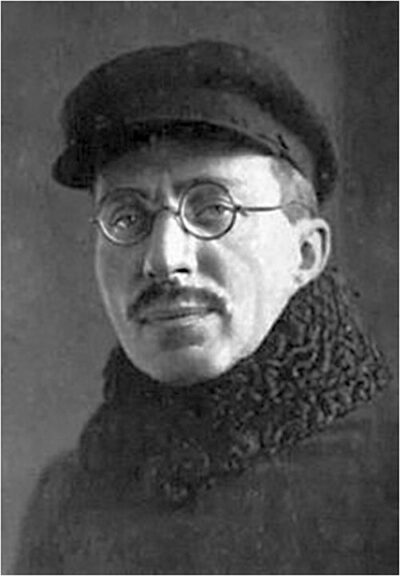 Anton MakarenkoUkrainian and Soviet educator and writer
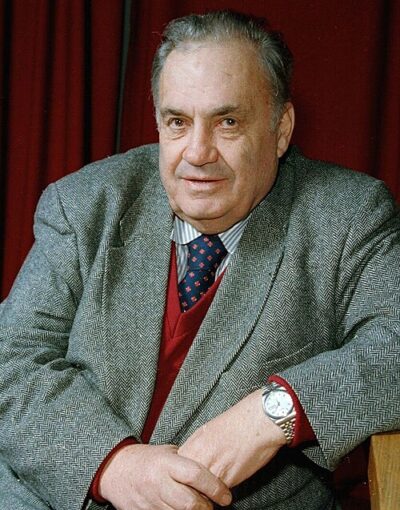 Eldar RyazanovSoviet and Russian film director (1927–2015)
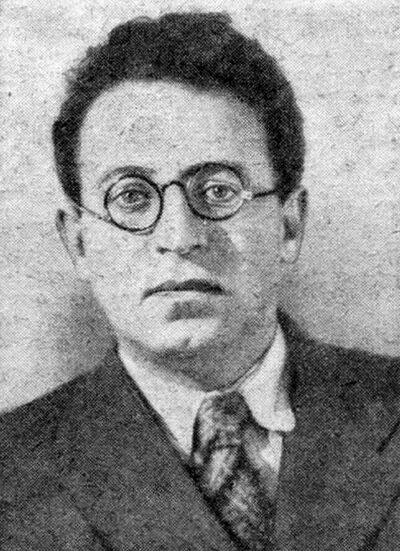 Vasily GrossmanRussian Soviet writer and journalist (1905-1964)
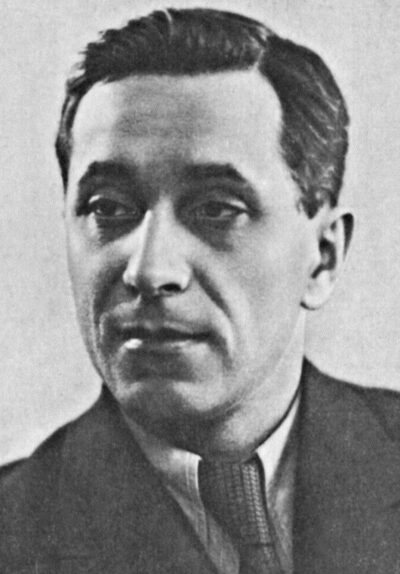 Mikhail ZoshchenkoSoviet writer (1894–1958)
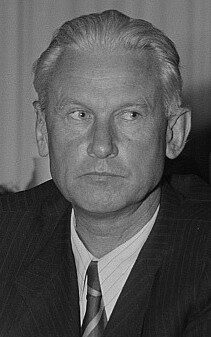 Alexander FadeyevSoviet writer and politician (1901-1956)
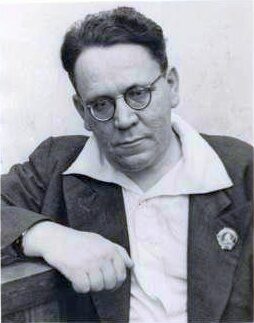 Samuil MarshakRussian and Soviet poet, playwright, translator, literary critic, screenwriter, author of popular children's books (1887–1964)
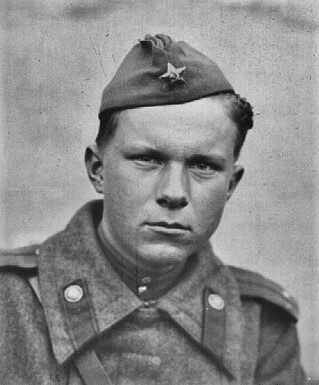 Vasil BykaŭBelarusian writer (1924–2003)
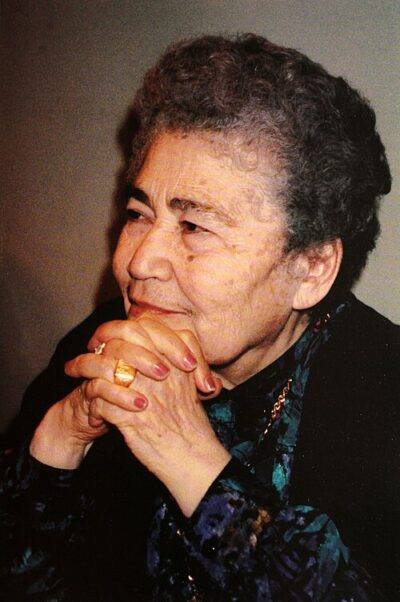 Silva Kaputikyan (1941–)Armenian poet, writer and political activist (1919–2006)
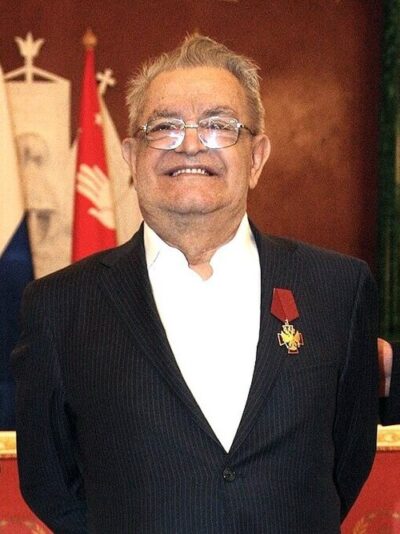 Fazil IskanderSoviet and Russian writer (1929–2016)
 Sergei GerasimovSoviet film director, screenwriter, actor (1906-1985)
and 79 more
