
William James Fellow Award
William James Fellow Award is an US award for contribution to the science of psychology. It is given by Association for Psychological Science.
- Given by
- Association for Psychological Science
- Country
- United States
All 5 facts, and where they come from
Facts
5 facts · 0 confirmed by two sources · 0 cited · 5 from one source
Where this comes from
Papalocal keeps its own record. It started from these sources; what each one said is kept here as it was copied, so a change on their side never changes this page by itself. Tap one to read its version.
What Wikidata says · copied November 16, 2026 · revision 2471757332
- Described as
- US award for contribution to the science of psychology
- Other names
- William James Fellows, APS William James Fellow Award
- What it is
- science award; fellowship award
- Country
- United States
- Given by
- Association for Psychological Science
- Named after
- William James
- Wikipedias with a page
- 1
Wikidata item Q15253460 (wikidata.org/wiki/Q15253460), public domain (CC0). Copied 2026-11-16.
What Wikipedia says · copied November 16, 2026 · revision 1297043474
The William James Fellow Award is an award of the Association for Psychological Science which "honors APS Members for their lifetime of significant intellectual contributions to the basic science of psychology". The requirement is that "recipients must be APS members recognized internationally for their outstanding contributions to scientific psychology". It is named after William James. As part of APS's 25th Anniversary, the APS Board of Directors recognized a larger class of William James Fellows in 2013, identifying them as individuals who have had a profound impact on the field of psychological science over the previous quarter century.
From the Wikipedia article “William James Fellow Award” (en.wikipedia.org/wiki/William_James_Fellow_Award), by its contributors, under CC BY-SA 4.0 (creativecommons.org/licenses/by-sa/4.0/). Copied 2026-11-16; not changed.
Confirmed Two sources agree. Cited One source, and it names where it got it. One source One source, without a reference of its own. Sources disagree The sources disagree. We show the best-supported value and keep theirs below.
People connected 26
Won it 26
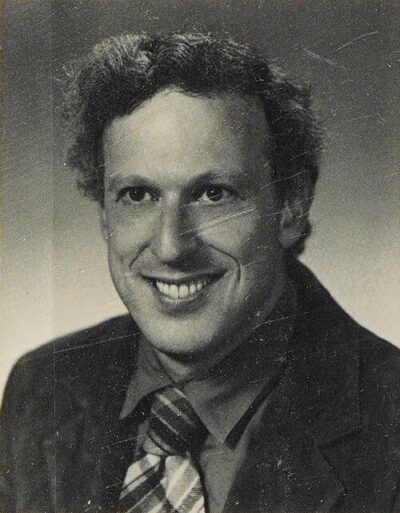 Robert Sternberg (2017)American psychologist & scholar
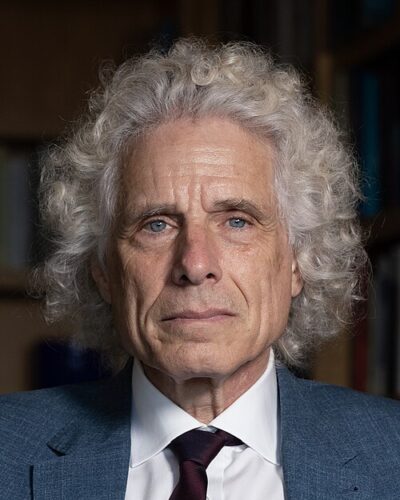 Steven Pinker (2016)Canadian-American cognitive psychologist, linguist, and author, an advocate of evolutionary psychology and the computational theory of the mind
 Michael S. Gazzaniga (2015)American neuroscientist
 Anne Treisman (2002)English psychologist (1935–2018)
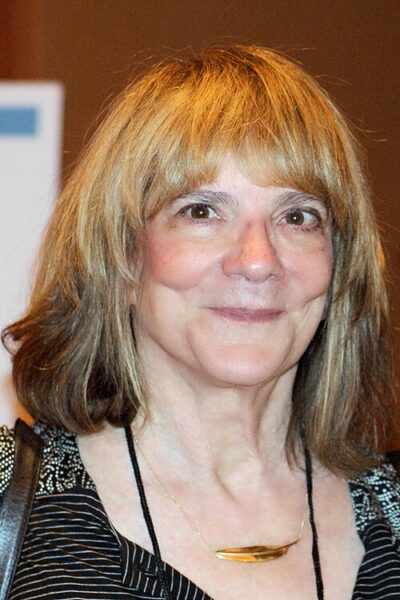 Elizabeth Loftus (2001)American cognitive psychologist
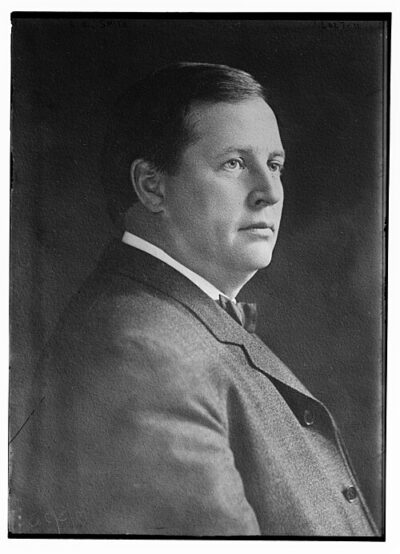 Edward Elmer Smith (1999)food engineer and author (1890-1965)
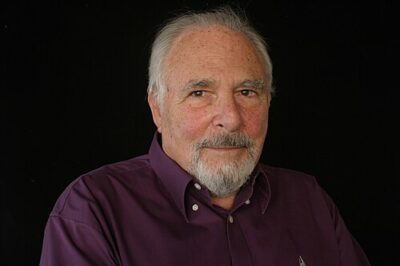 Paul Ekman (1998)American evolutionary and social psychologist (1934-2025)
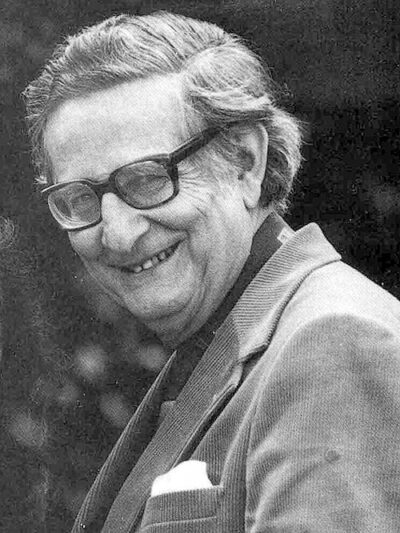 Hans Eysenck (1994)British psychologist (1916–1997)
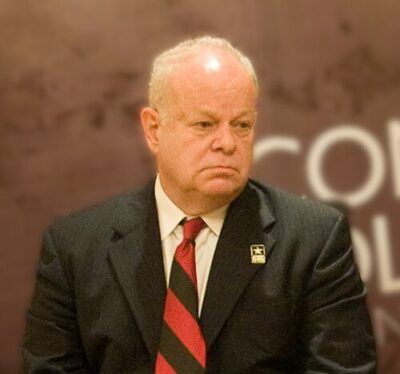 Martin Seligman (1991)American psychologist and writer
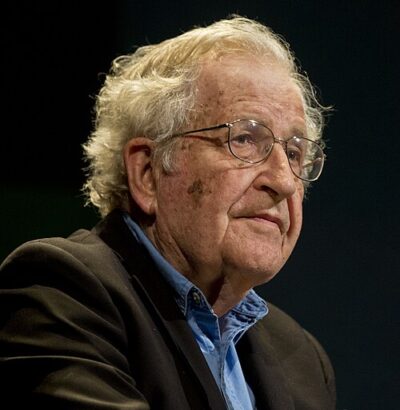 Noam Chomsky (1989)American linguist and activist (born 1928)
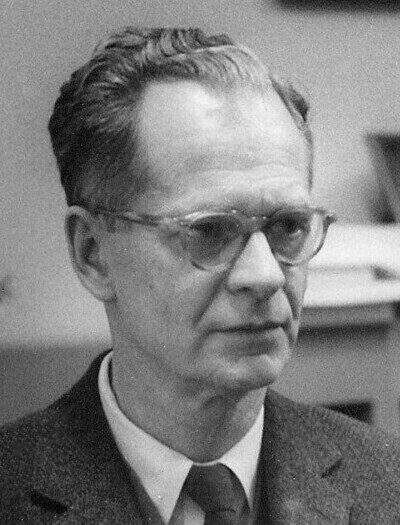 B.F. Skinner (1989)American behaviorist (1904–1990)
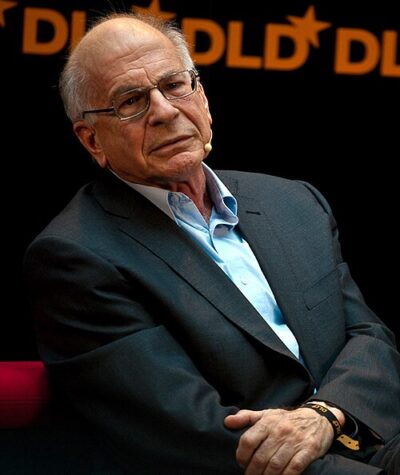 Daniel Kahneman (1989)Israeli-American psychologist and economist (1934–2024)
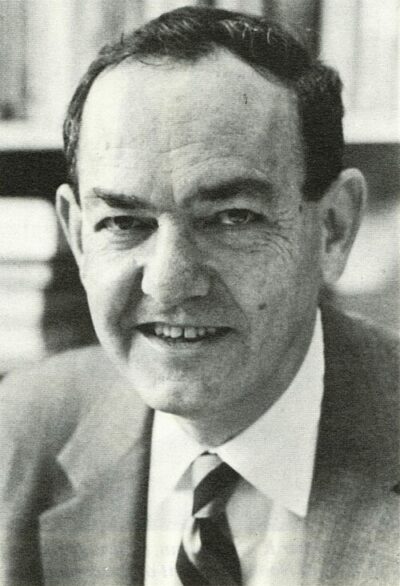 Herbert Simon (1989)American political scientist, economist, sociologist, and psychologist (1916–2001)
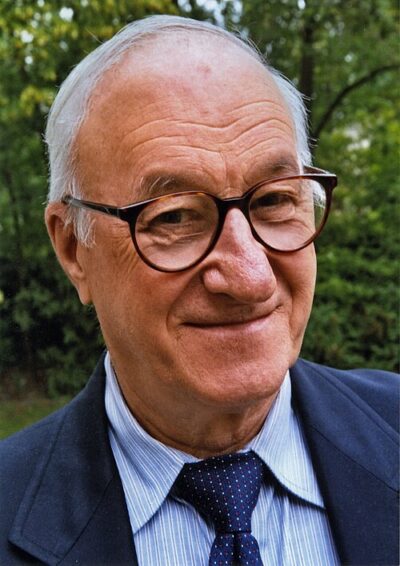 Albert Bandura (1989)Canadian psychologist (1925–2021)
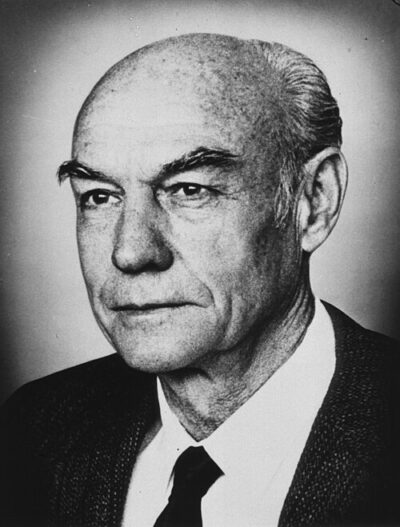 Roger Sperry (1989)American neuroscientist
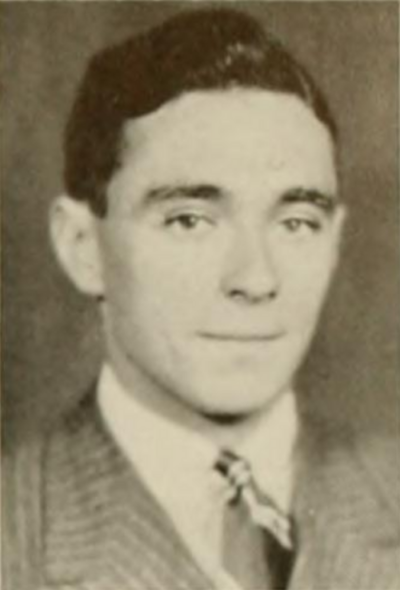 Jerome Bruner (1989)American psychologist and scholar
- GGeorge Armitage Miller (1989)American psychologist (1920–2012)
- SSolomon Asch (1989)Polish-American psychologist (1907-1996)
- AAllen Newell (1989)American cognitive scientist (1927–1992)
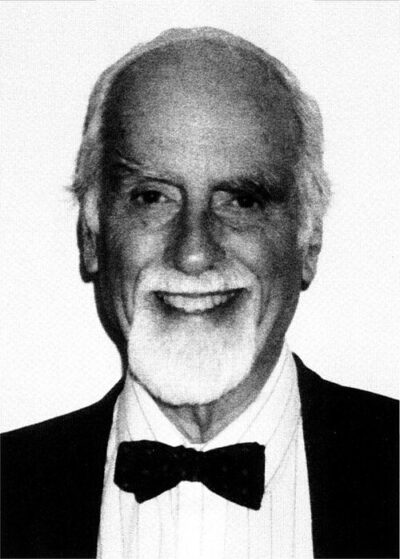 David McClelland (1989)American psychologist (1917–1998)
- MMary Ainsworth (1989)American-Canadian psychologist & scholar
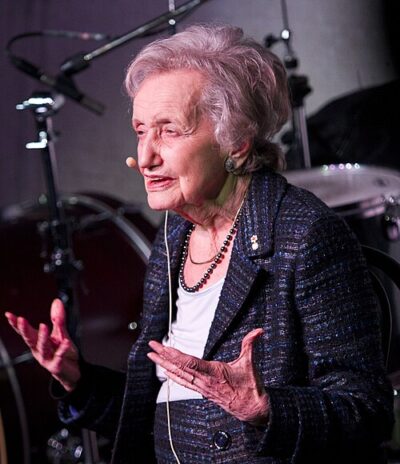 Brenda Milner (1989)Canada-based British neuroscientist and neuropsychologist
- SStanley Schachter (1989)American psychologist
- WWalter Mischel (1989)Austrian-born Jewish American psychologist
and 2 more
