
Cameron Prize of the University of Edinburgh
Cameron Prize of the University of Edinburgh is a medicine award. It was created in 1878.
- Given by
- University of Edinburgh
- Country
- United Kingdom
- Created
- 1878
All 4 facts, and where they come from
Facts
4 facts · 0 confirmed by two sources · 0 cited · 4 from one source
Where this comes from
Papalocal keeps its own record. It started from these sources; what each one said is kept here as it was copied, so a change on their side never changes this page by itself. Tap one to read its version.
What Wikidata says · copied November 16, 2026 · revision 2528840077
- Described as
- medicine award
- Other names
- Cameron Prize for Therapeutics of the University of Edinburgh
- What it is
- award
- Created
- 1878
- Country
- United Kingdom
- Given by
- University of Edinburgh
- Wikipedias with a page
- 2
Wikidata item Q29026864 (wikidata.org/wiki/Q29026864), public domain (CC0). Copied 2026-11-16.
What Wikipedia says · copied November 16, 2026 · revision 1383126880
The Cameron Prize for Therapeutics of the University of Edinburgh is awarded by the College of Medicine and Veterinary Medicine to a person who has made any highly important and valuable addition to practical therapeutics in the previous five years. The prize, which may be awarded biennially, was founded in 1878 by Andrew Robertson Cameron of Richmond, New South Wales, with a sum of £2,000. The University's senatus academicus may require the prizewinner to deliver one or more lectures or to publish an account on the addition made to practical therapeutics. A list of recipients of the prize dates back to 1879.
From the Wikipedia article “Cameron Prize for Therapeutics of the University of Edinburgh” (en.wikipedia.org/wiki/Cameron_Prize_for_Therapeutics_of_the_University_of_Edinburgh), by its contributors, under CC BY-SA 4.0 (creativecommons.org/licenses/by-sa/4.0/). Copied 2026-11-16; not changed.
Confirmed Two sources agree. Cited One source, and it names where it got it. One source One source, without a reference of its own. Sources disagree The sources disagree. We show the best-supported value and keep theirs below.
People connected 35
Won it 35
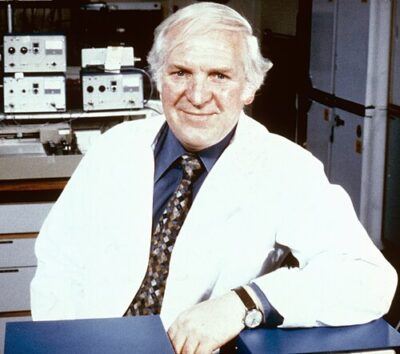 James Black (1980)Scottish doctor and pharmacologist (1924–2010)
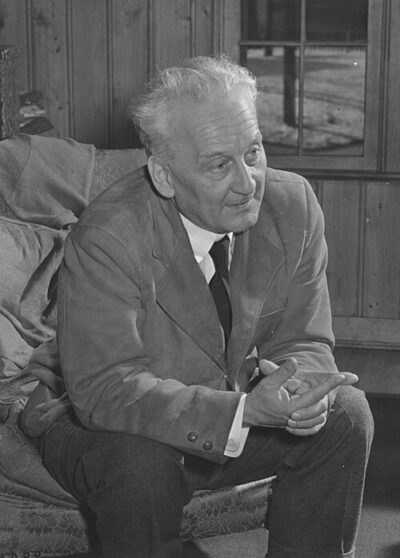 Albert Szent-Györgyi (1946)Hungarian biochemist, Nobel Prize laureate in Physiology or Medicine in 1937 (1893–1986)
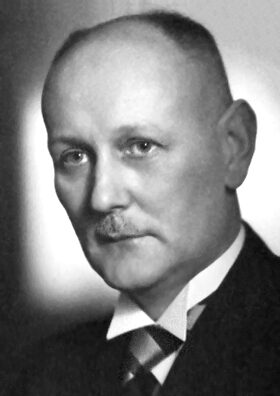 Gerhard Domagk (1939)German bacteriologist (1895-1964)
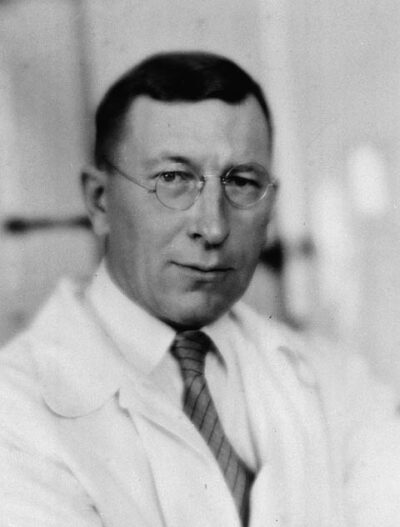 Frederick Banting (1927)Canadian medical scientist and doctor (1891-1941)
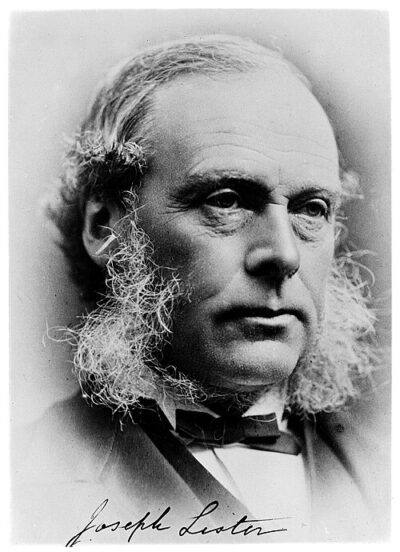 Joseph Lister (1890)British surgeon and antiseptic pioneer (1827–1912)
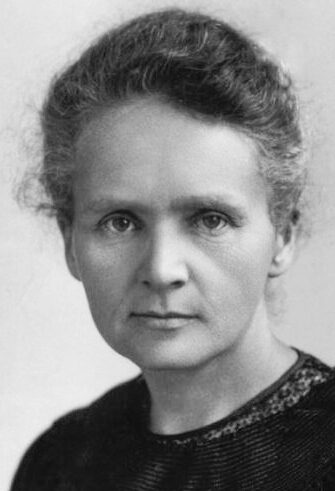 Marie CuriePolish-born French physicist and chemist (1867–1934)
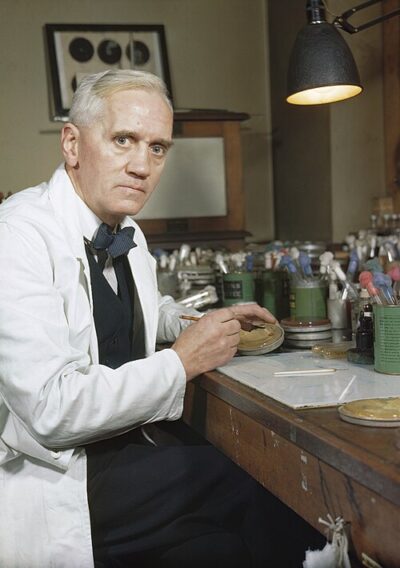 Alexander FlemingScottish biologist, pharmacologist, botanist, and Nobel laureate (1881–1955)
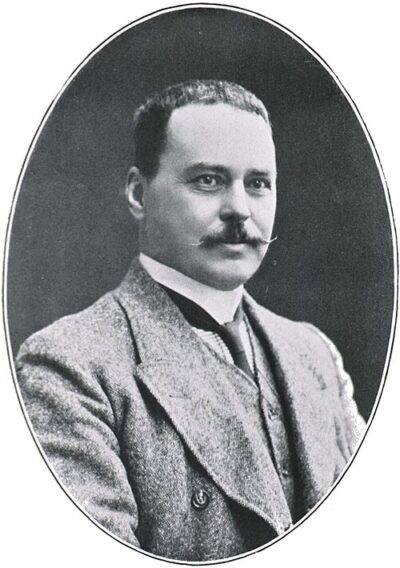 Ronald RossBritish doctor, Nobel laureate, writer, and artist (1857–1932)
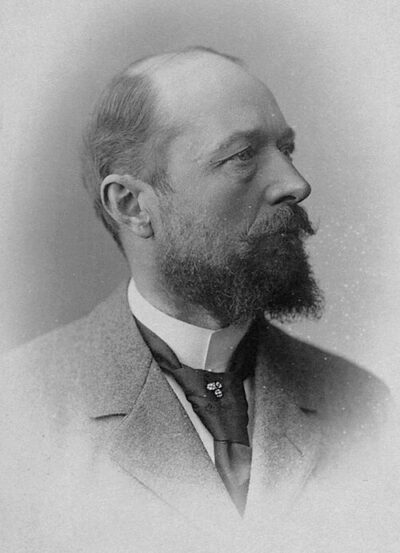 Emil von BehringGerman physiologist who received the first Nobel Prize in Physiology or Medicine 1901 for his discovery of a diphtheria antitoxin
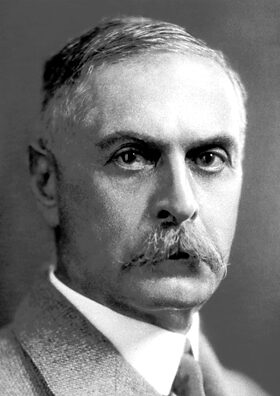 Karl LandsteinerJewish-Austrian biologist, physician and Nobel Prize laureate
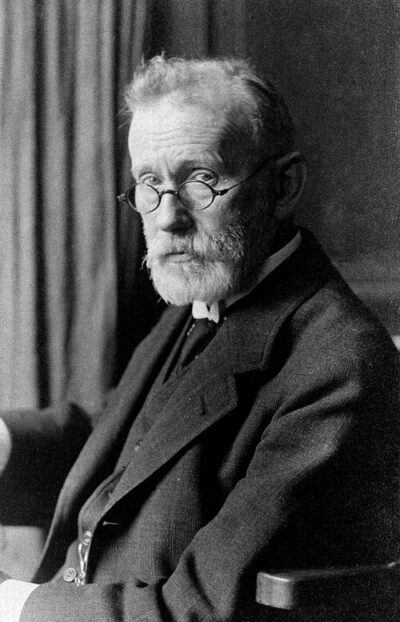 Paul EhrlichJewish-German physician and scientist (1854–1915)
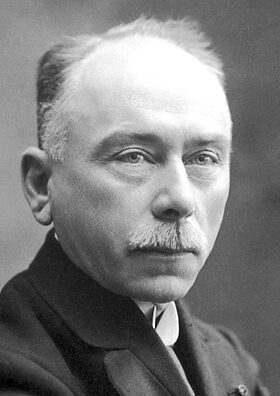 Jules BordetBelgian immunologist and microbiologist (1870-1961)
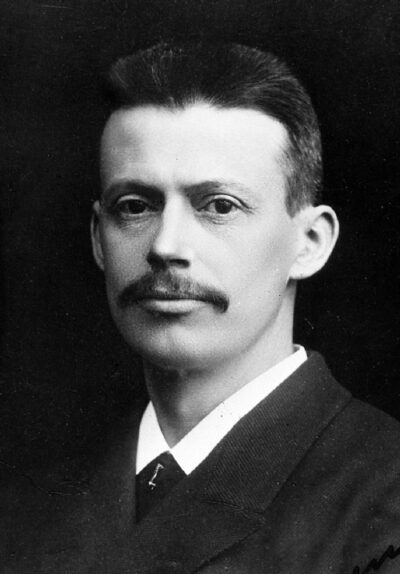 Niels Ryberg FinsenFaroese physician and scientist and Nobel laureate (1860–1904)
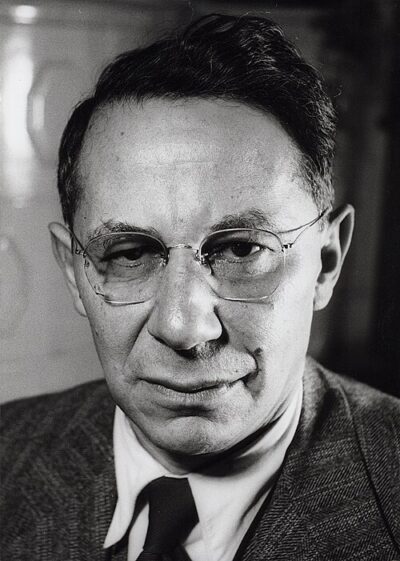 Tadeusz ReichsteinPolish-Swiss chemist (1897-1996)
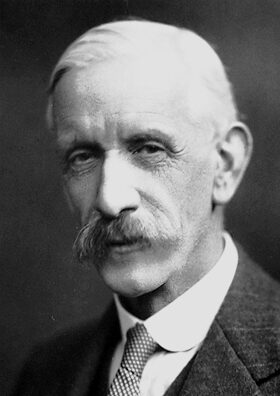 Frederick HopkinsEnglish biochemist
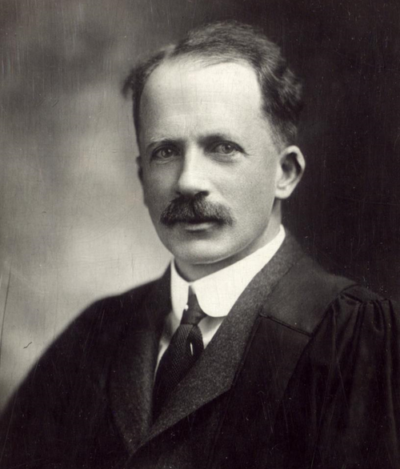 John James Rickard MacleodNobel prize-winning Scottish physician and physiologist; co-discoverer of insulin
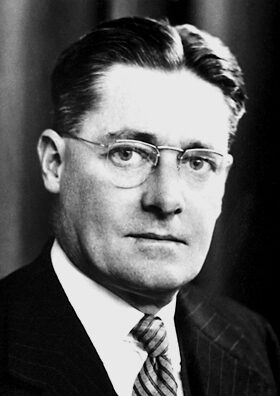 Howard FloreyAustralian pathologist (1898-1968)
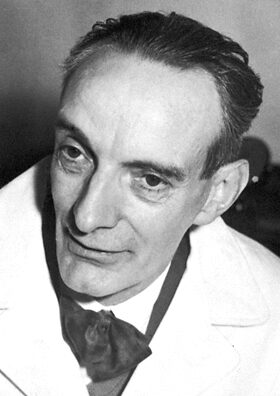 Daniel BovetNobel Prize-winning pharmacologist and Esperantist (1907–1992)
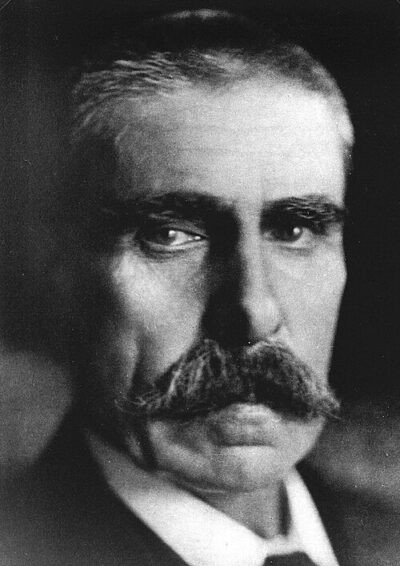 Julius Wagner-JaureggAustrian doctor, Nobel prize laureate and psychiatrist (1857–1940)
 John Franklin EndersAmerican medical researcher (1897-1985)
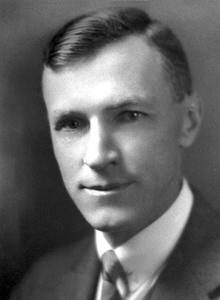 William P. MurphyAmerican scientist (1892–1987)
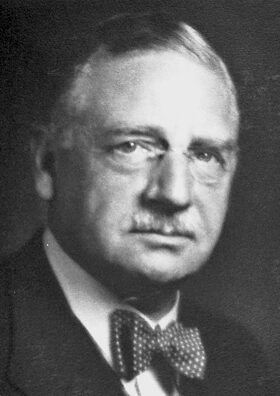 Otto LoewiJewish-German pharmacologist
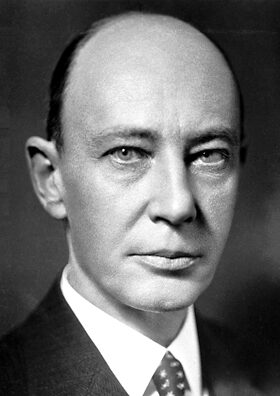 George MinotAmerican physician (1885-1950)
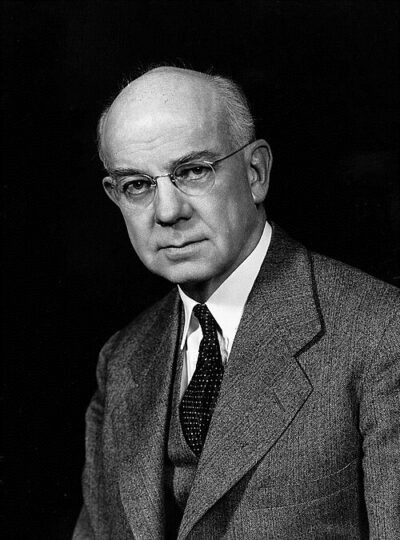 Edward Calvin KendallAmerican chemist (1886-1972)
and 11 more
