
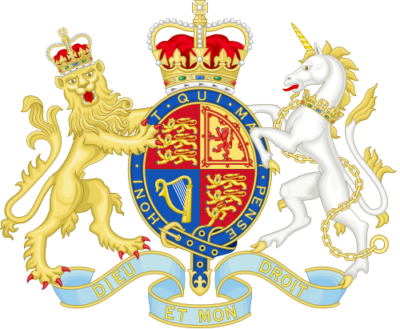
Chancellor of the Exchequer
Chancellor of the Exchequer is a Minister for Finance in the United Kingdom and Head of Treasury. It was created in 1316.
- Office of
- United Kingdom
- Country
- United Kingdom
- Created
- June 22, 1316
All 5 facts, and where they come from
Facts
5 facts · 0 confirmed by two sources · 0 cited · 5 from one source
Where this comes from
Papalocal keeps its own record. It started from these sources; what each one said is kept here as it was copied, so a change on their side never changes this page by itself. Tap one to read its version.
What Wikidata says · copied November 17, 2026 · revision 2520555725
- Described as
- Minister for Finance in the United Kingdom and Head of Treasury
- What it is
- public office
- Created
- June 22, 1316
- Country
- United Kingdom
- Office of
- United Kingdom
- Official website
- https://www.gov.uk/government/ministers/chancellor-of-the-exchequer
- Wikipedias with a page
- 41
Wikidata item Q531471 (wikidata.org/wiki/Q531471), public domain (CC0). Copied 2026-11-17.
What Wikipedia says · copied November 17, 2026 · revision 1386192125
The chancellor of the exchequer (formally chancellor and under treasurer of His Majesty’s exchequer), often abbreviated to chancellor, is a senior minister of the Crown within the Government of the United Kingdom, and the head of His Majesty's Treasury. As one of the four Great Offices of State, the chancellor is a high-ranking member of the British Cabinet.
Responsible for all economic and financial matters, the role is equivalent to that of a finance minister in other countries. The chancellor is now always the second lord of the treasury as one of at least six Lords Commissioners of the Treasury, responsible for executing the office of the Treasurer of the Exchequer – the others are the prime minister and Commons government whips. In the 18th and early 19th centuries, it was common for the prime minister also to serve as Chancellor of the Exchequer if he sat in the Commons; the last chancellor who was simultaneously prime minister and Chancellor of the Exchequer was Stanley Baldwin in 1923. Formerly, in cases when the chancellorship was vacant, the Lord Chief Justice of the King's Bench would act as chancellor pro tempore. The last lord chief justice to serve in this way was Lord Denman in 1834.
The chancellor is the third-oldest major state office in English and British history, and in recent times has come to be the most powerful office in British politics after the prime minister. It originally carried responsibility for the Exchequer, the medieval English institution for the collection and auditing of royal revenues. The earliest surviving records which are the results of the exchequer's audit date from 1129 to 1130 under King Henry I and show continuity from previous years. The chancellor has oversight of fiscal policy, therefore of taxation and public spending across government departments. It previously controlled monetary policy as well until 1997, when the Bank of England was granted independent control of its interest rates.
Since 1718, all chancellors of the exchequer, except at times the lord chief justice of England and Wales as interim holders, have been members of the House of Commons, with Lord Stanhope being the last chancellor from the House of Lords.
The office holder works alongside the other Treasury ministers and the permanent secretary to the Treasury. The corresponding shadow minister is the shadow chancellor of the exchequer, and the chancellor is also scrutinised by the Liberal Democrat Treasury spokesperson and the Treasury Select Committee.
From the Wikipedia article “Chancellor of the Exchequer” (en.wikipedia.org/wiki/Chancellor_of_the_Exchequer), by its contributors, under CC BY-SA 4.0 (creativecommons.org/licenses/by-sa/4.0/). Copied 2026-11-17; not changed.
Confirmed Two sources agree. Cited One source, and it names where it got it. One source One source, without a reference of its own. Sources disagree The sources disagree. We show the best-supported value and keep theirs below.
Picture: Sodacan, via Wikimedia Commons · CC BY-SA 3.0
People connected 44
Held this office 44
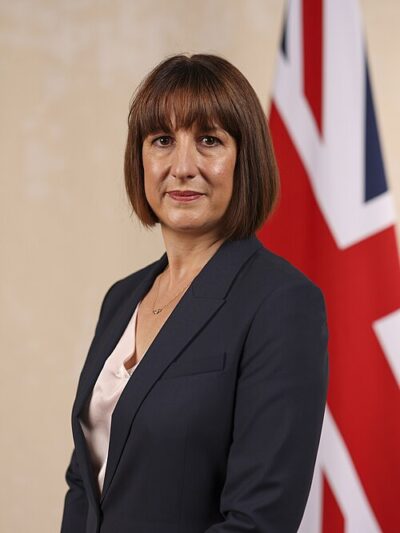 Rachel Reeves (2024–2026)British politician and Chancellor of the Exchequer from 2024 to 2026 (born 1979)
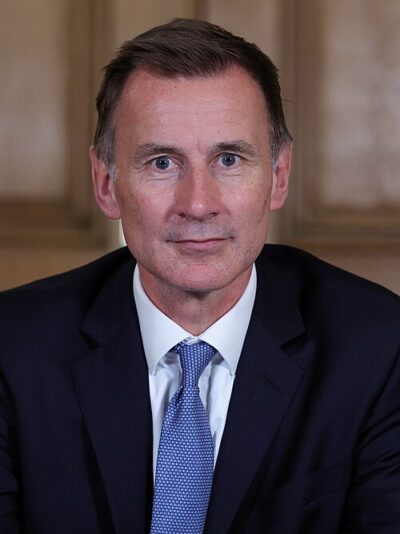 Jeremy Hunt (2022–2024)British politician
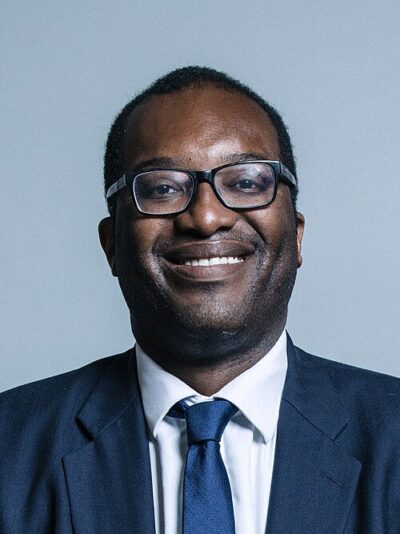 Kwasi Kwarteng (2022)British politician (born 1975)
 Nadhim Zahawi (2022)British politician
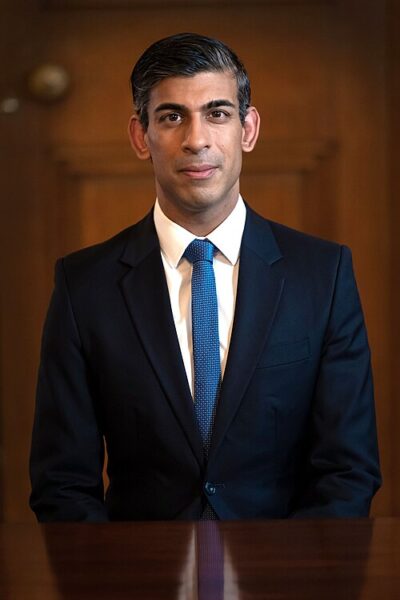 Rishi Sunak (2020–2022)Prime Minister of the United Kingdom from 2022 to 2024
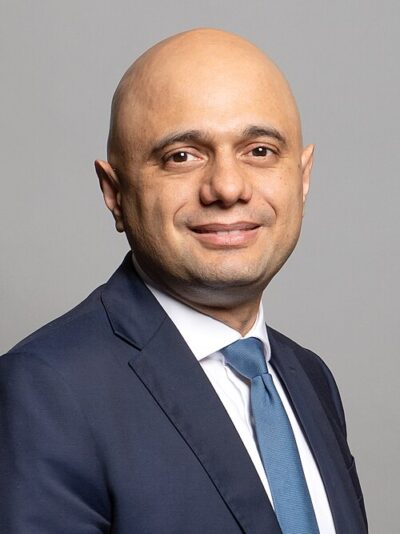 Sajid Javid (2019–2020)British politician (born 1969)
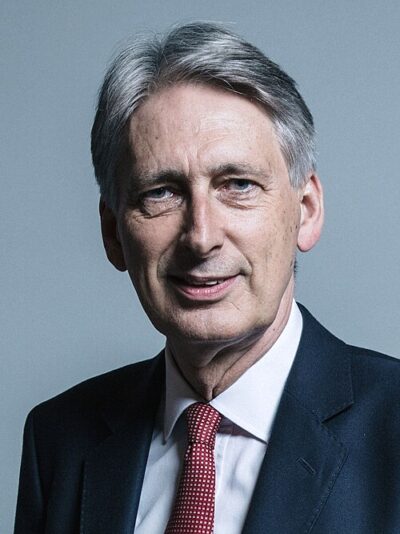 Philip Hammond (2016–2019)British politician (born 1955)
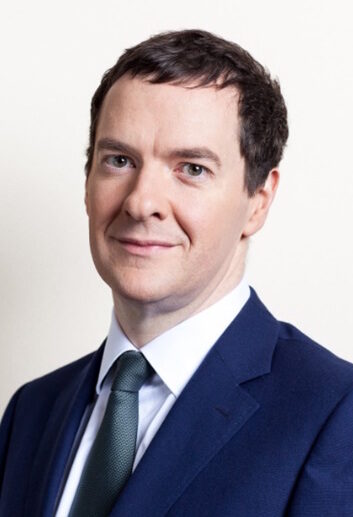 George Osborne (2010–2016)British politician (b. 1971)
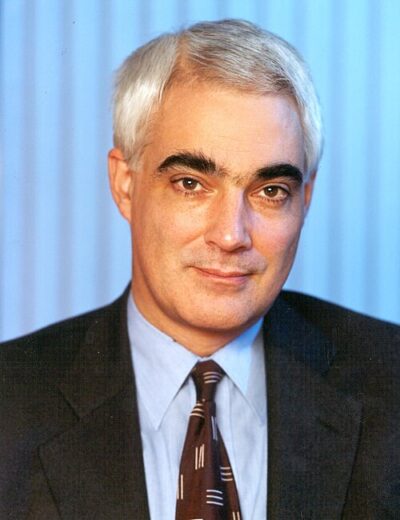 Alistair Darling (2007–2010)British Labour Party politician (1953–2023)
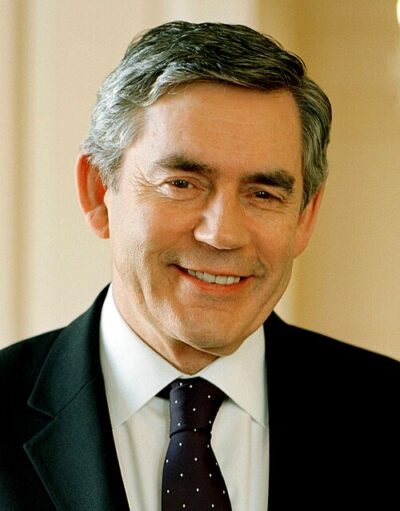 Gordon Brown (1997–2007)Prime Minister of the United Kingdom from 2007 to 2010
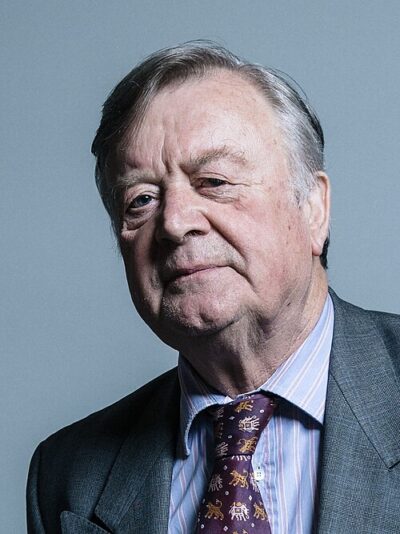 Kenneth Clarke (1993–1997)British politician (born 1940)
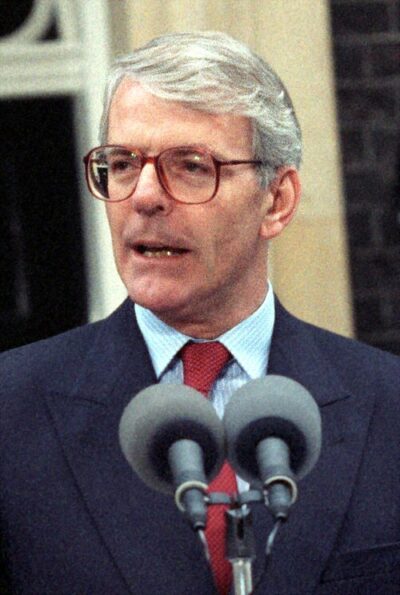 John Major (1989–1990)Prime Minister of the United Kingdom from 1990 to 1997
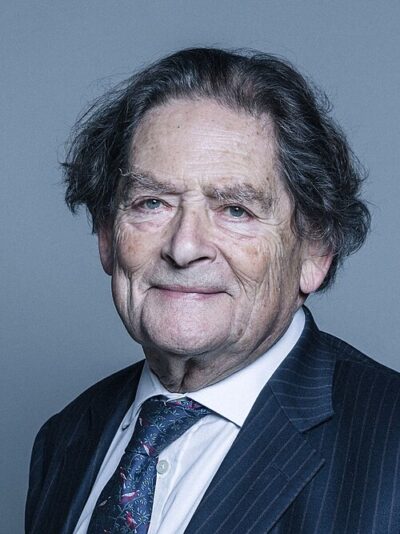 Nigel Lawson (1983–1989)British peer and politician (1932–2023)
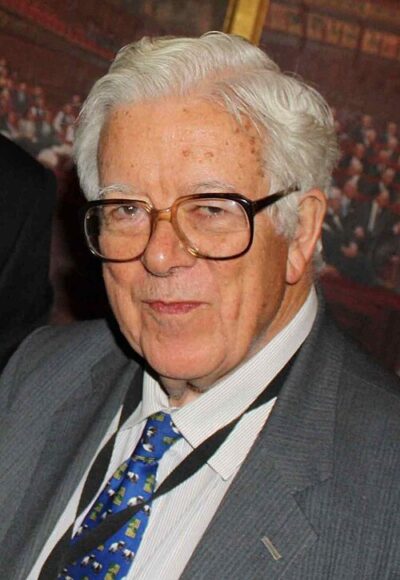 Geoffrey Howe (1979–1983)British politician (1926–2015)
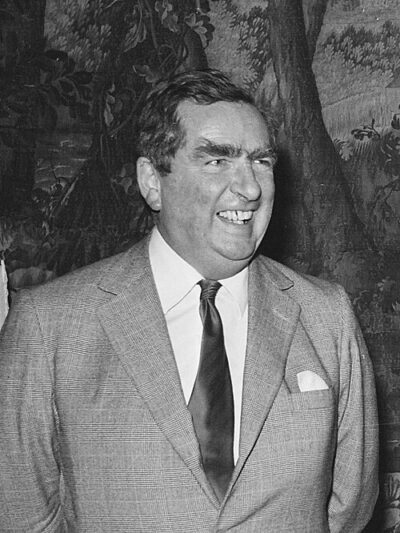 Denis Healey (1974–1979)British politician (1917–2015)
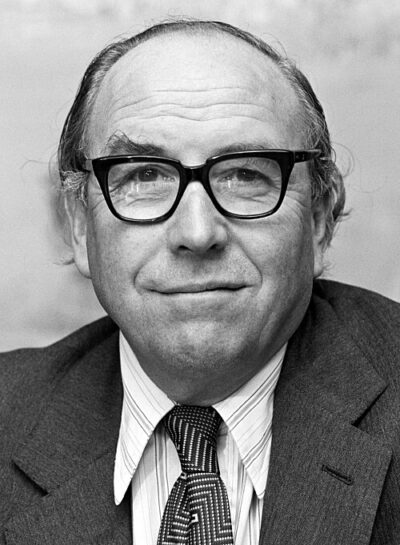 Roy Jenkins (1967–1970)British politician (1920–2003)
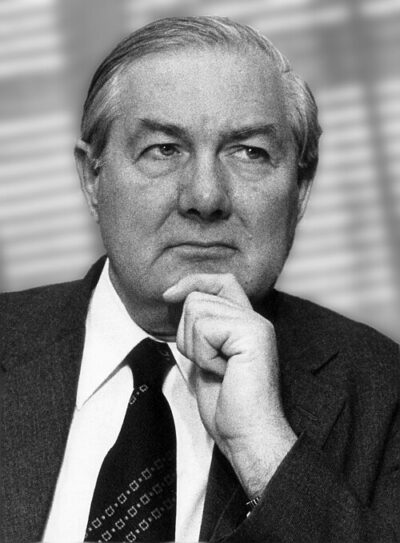 James Callaghan (1964–1967)former prime minister of the United Kingdom (1912–2005)
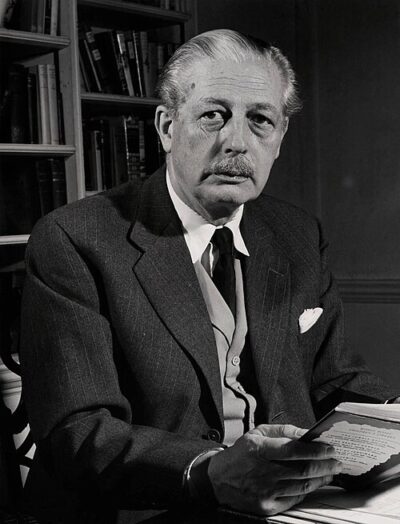 Harold Macmillan (1955–1957)Prime Minister of the United Kingdom from 1957 to 1963
 Rab Butler (1951–1955)British politician (1902–1982)
 Hugh Gaitskell (1950–1951)British politician (1906-1963)
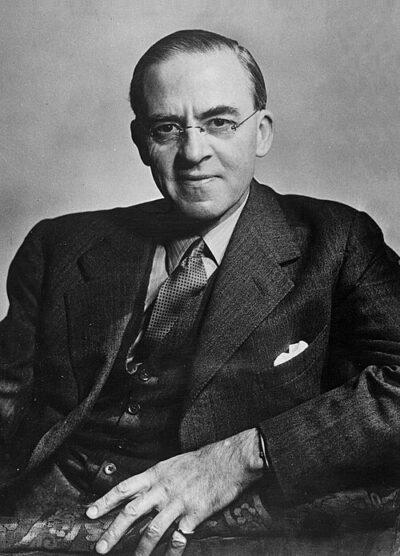 Stafford Cripps (1947–1950)British politician, lawyer and diplomat (1889–1952)
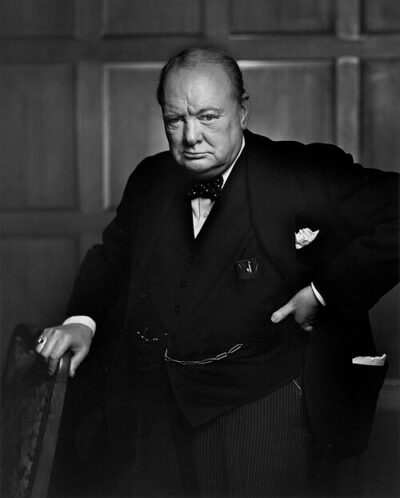 Winston Churchill (1924–1929)British statesman, soldier and writer (1874–1965)
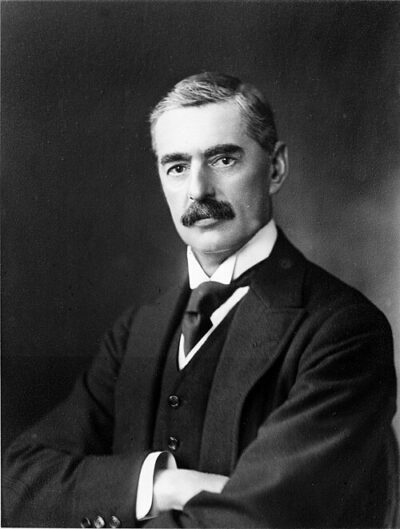 Neville Chamberlain (1923–1937)Prime Minister of the United Kingdom from 1937 to 1940
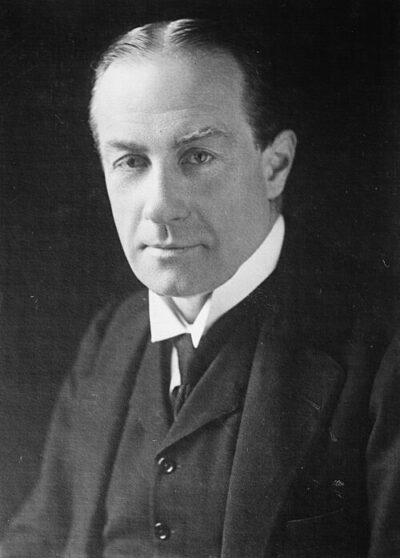 Stanley Baldwin (1922–1923)British statesman (1867–1947)
and 20 more
