commanding officer
Commanding officer is an officer in command of a military unit.
All 1 facts, and where they come from
Facts
1 facts · 0 confirmed by two sources · 0 cited · 1 from one source
Where this comes from
Papalocal keeps its own record. It started from these sources; what each one said is kept here as it was copied, so a change on their side never changes this page by itself. Tap one to read its version.
What Wikidata says · copied November 16, 2026 · revision 2543069142
- Described as
- officer in command of a military unit
- Other names
- commander, commandant
- What it is
- military position
- Wikipedias with a page
- 39
Wikidata item Q11247470 (wikidata.org/wiki/Q11247470), public domain (CC0). Copied 2026-11-16.
What Wikipedia says · copied November 16, 2026 · revision 1379912443
The commanding officer (CO) or commander, or sometimes, if the incumbent is a general officer, commanding general (CG), is the officer in command of a military unit. The commanding officer has ultimate authority over the unit, and is usually given wide latitude to run the unit as they see fit, within the bounds of military law. In this respect, commanding officers have significant responsibilities (for example, the use of force, finances, equipment, the Geneva Conventions), duties (to higher authority, mission effectiveness, duty of care to personnel), and powers (for example, discipline and punishment of personnel within certain limits of military law).
In some countries, commanding officers may be of any commissioned rank, although in others the term only refers to officers in command of units of specific sizes. Usually, there are more officers than command positions available, and time spent in command is generally a key aspect of promotion, so the role of commanding officer is highly valued. The commanding officer heads the command team within the modern military hierarchy.
There are two recurring debates related to military command: the collective command thesis and civil-military relations.
While the commander is an individual, the academic debate centres on whether command is an individual act or a form of a collective. British sociologist Anthony King argued for the emergence of a command collective in Western military forces in his 2019 book Command. Others have argued against King's thesis, stating that it romanticises the collective, that contemporary commanders themselves do not understand their function in this way, or that it may be the case. Still, collective forms of command are less effective in actual combat. U.S. Marine Corps General James Mattis also disagreed with King's thesis: "I disagree if you are trying to do decision-making in boards. The enemy will dance around you".
The civil-military control debate centres on a paradox. The military, an institution designed to protect the polity, must also be strong enough to threaten the society it serves. A military takeover or coup is an example where this balance is used to change the government. Ultimately, the military must accept that it may have to implement a policy decision with which it disagrees.
From the Wikipedia article “Commanding officer” (en.wikipedia.org/wiki/Commanding_officer), by its contributors, under CC BY-SA 4.0 (creativecommons.org/licenses/by-sa/4.0/). Copied 2026-11-16; not changed.
Confirmed Two sources agree. Cited One source, and it names where it got it. One source One source, without a reference of its own. Sources disagree The sources disagree. We show the best-supported value and keep theirs below.
People connected 19
Held this office
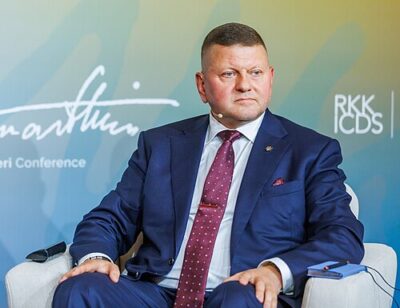 Valerii Zaluzhnyi (2019–2021)Ukrainian military officer (born 1973)
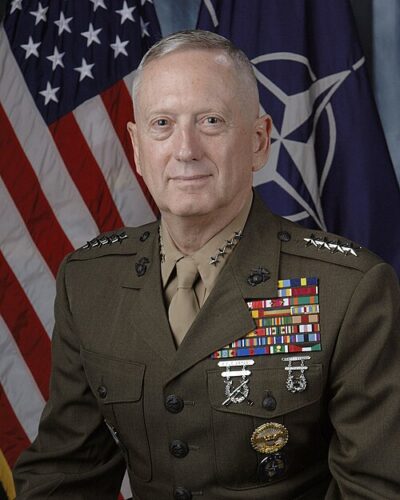 Jim Mattis (2010–2013)United States 26th Secretary of Defense
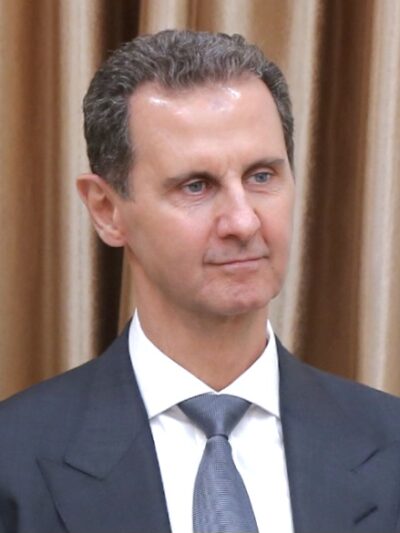 Bashar al-Assad (2000–2024)Syrian convicted fugitive and former President of Syria from 2000 to 2024
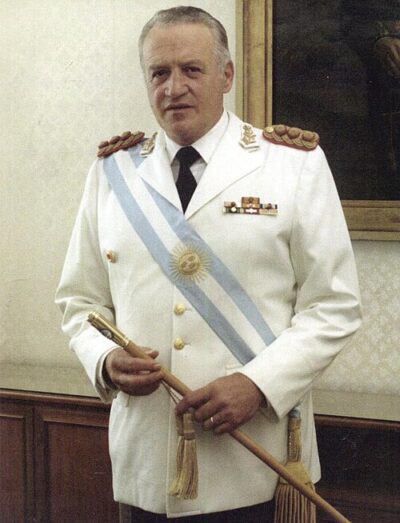 Leopoldo Galtieri (1979–)military, dictator and de facto president of Argentina from 1981 until 1982
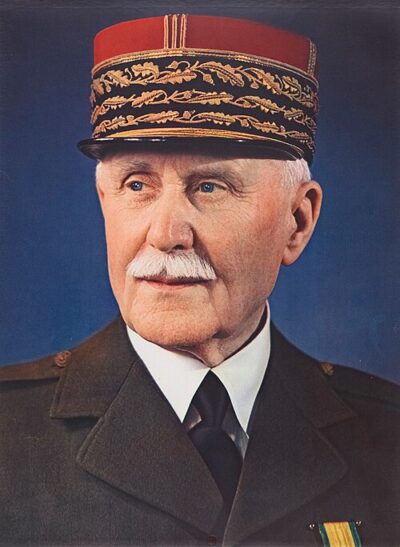 Philippe Pétain (1917–1919)French military and political leader (1856–1951)
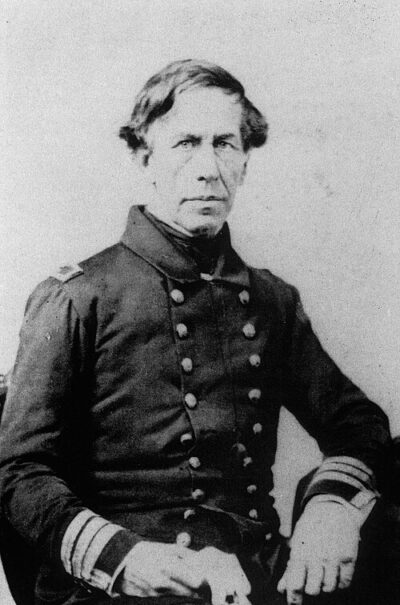 Charles Wilkes (1838–1842)naval officer and explorer from the United States (1798-1877)
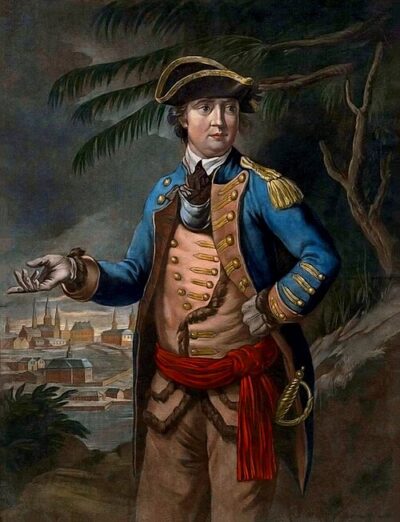 Benedict Arnold (1780–1783)army officer who betrayed America to the British during the Revolutionary War (1740–1801)
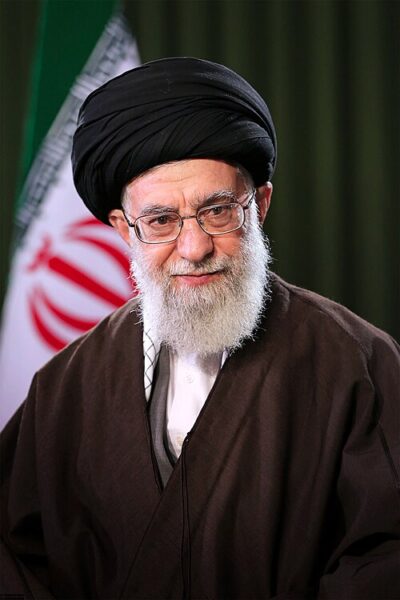 Ali KhameneiSupreme Leader of Iran from 1989 to 2026
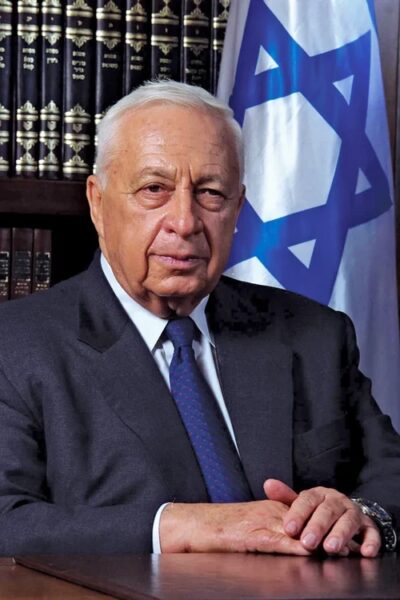 Ariel SharonPrime Minister of Israel from 2001 to 2006 (1928-2014)
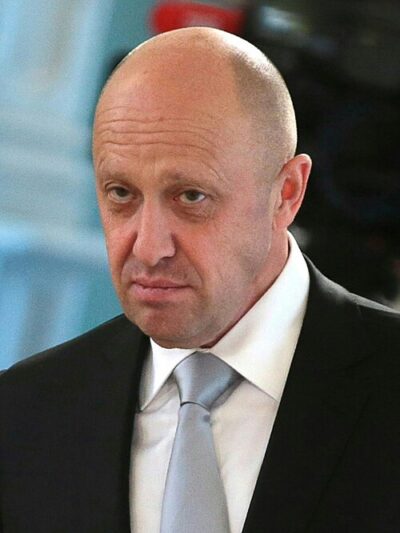 Yevgeny PrigozhinRussian mercenary leader, oligarch, restaurateur, former owner of Wagner PVC (1961–2023)
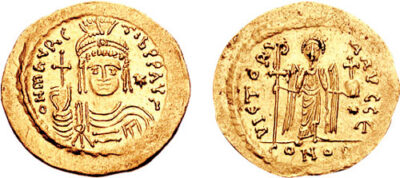 MauriceByzantine Emperor (539-602)
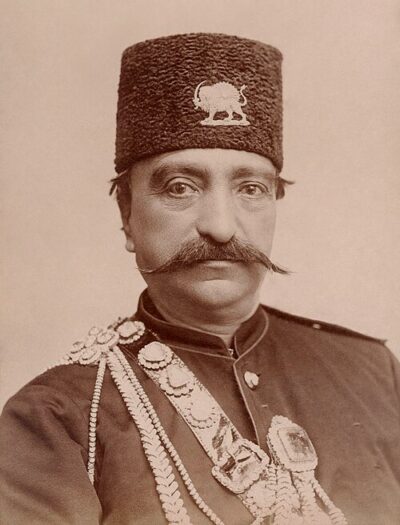 Naser al-Din Shah QajarShah of Qajar Iran from 1848 to 1896
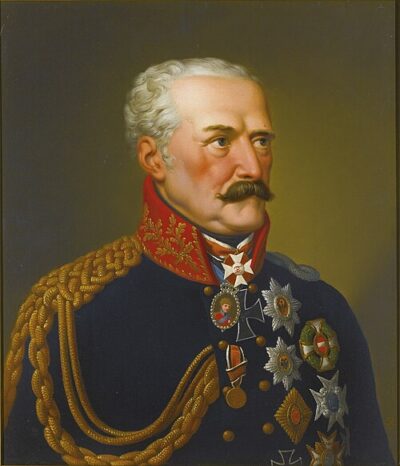 Gebhard Leberecht von BlücherPrussian field marshal (1742–1819)
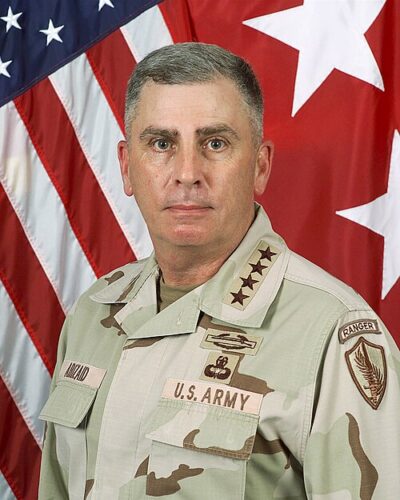 John Abizaidarmy general