
Davy Medal
Davy Medal is a chemistry award given by the Royal Society. It was created in 1877. It is given by the Royal Society of London. It won the money amount and 1 more.
- Given by
- Royal Society of London
- Country
- United Kingdom
- Created
- 1877
All 8 facts, and where they come from
Facts
8 facts · 0 confirmed by two sources · 0 cited · 8 from one source
Where this comes from
Papalocal keeps its own record. It started from these sources; what each one said is kept here as it was copied, so a change on their side never changes this page by itself. Tap one to read its version.
What Wikidata says · copied November 16, 2026 · revision 2549574075
- Described as
- chemistry award given by the Royal Society
- What it is
- medal
- Created
- 1877
- Country
- United Kingdom
- Given by
- Royal Society of London
- Awards
- money amount; medal
- Named after
- Humphry Davy
- Official website
- http://royalsociety.org/page.asp?tip=1&id=1754
- Wikipedias with a page
- 30
Wikidata item Q220842 (wikidata.org/wiki/Q220842), public domain (CC0). Copied 2026-11-16.
What Wikipedia says · copied November 16, 2026 · revision 1335984383
The Davy Medal is awarded by the Royal Society of London "for an outstandingly important recent discovery in any branch of chemistry". Named after Humphry Davy, the medal is awarded with a monetary gift, initially of £1000 (currently £2000). Receiving the Davy Medal has been identified as a potential precursor to being awarded the Nobel Prize in Chemistry, with 22 scientists as of 2022 having been awarded the medal prior to becoming Nobel laureates, according to an analysis by the Royal Society of Chemistry.
From the Wikipedia article “Davy Medal” (en.wikipedia.org/wiki/Davy_Medal), by its contributors, under CC BY-SA 4.0 (creativecommons.org/licenses/by-sa/4.0/). Copied 2026-11-16; not changed.
Confirmed Two sources agree. Cited One source, and it names where it got it. One source One source, without a reference of its own. Sources disagree The sources disagree. We show the best-supported value and keep theirs below.
People connected 42
Won it 42
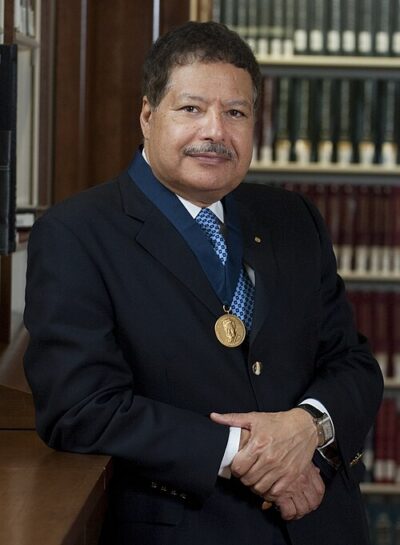 Ahmed Zewail (2011)Egyptian chemist
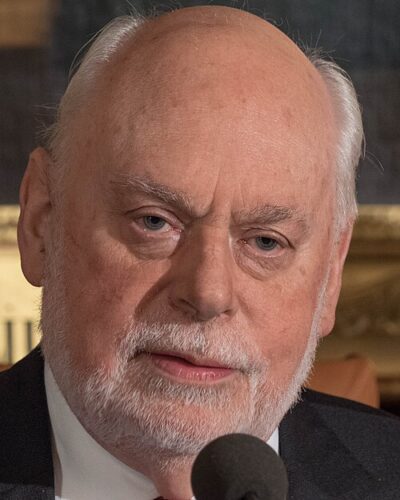 Fraser Stoddart (2008)Scottish chemist and Nobel Laureate in 2016 for the design and synthesis of molecular machines
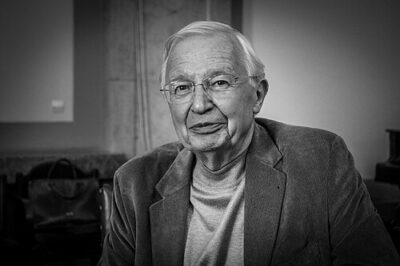 Jean-Marie Lehn (1997)French chemist
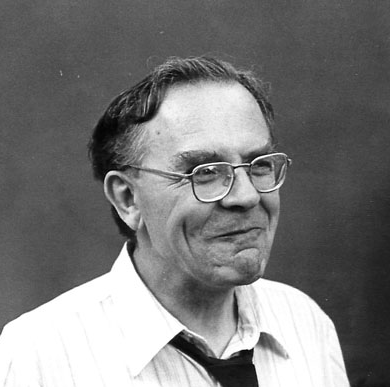 Geoffrey Wilkinson (1996)British Nobel laureate in Chemistry
 John Pople (1988)Nobel prize winning British chemist (1925-2004)
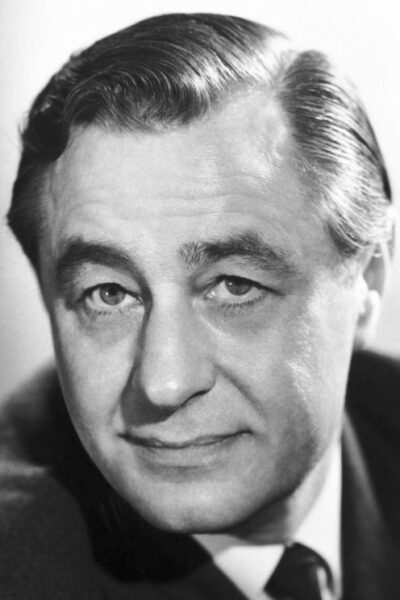 George Porter (1971)British chemist (1920–2002)
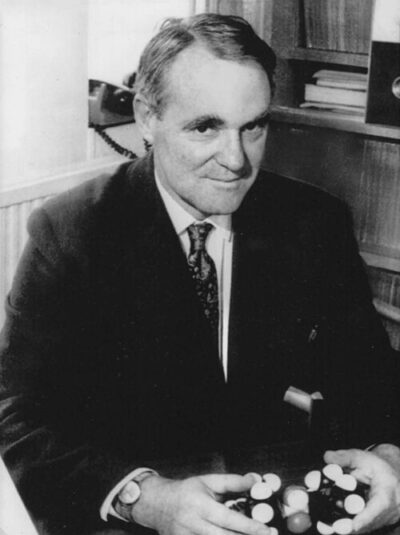 John Cornforth (1968)Australian-British chemist
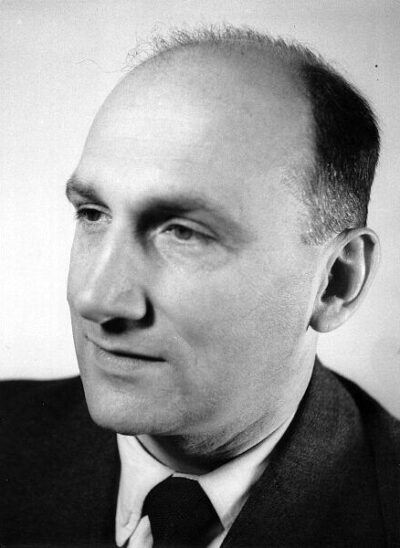 Vladimir Prelog (1967)Bosnian-Swiss chemist (1906-1998)
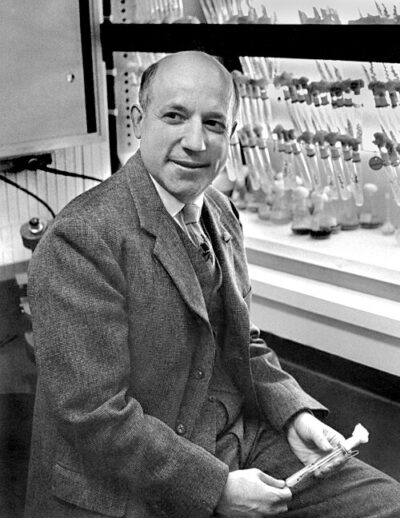 Melvin Calvin (1964)American biochemist (1911–1997)
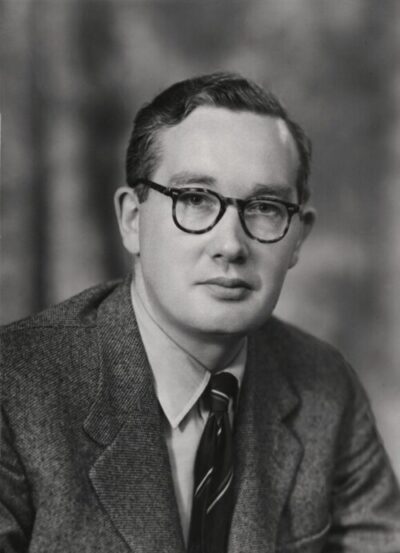 Derek Barton (1961)English organic chemist (1918–1998)
 Robert Burns Woodward (1959)American chemist
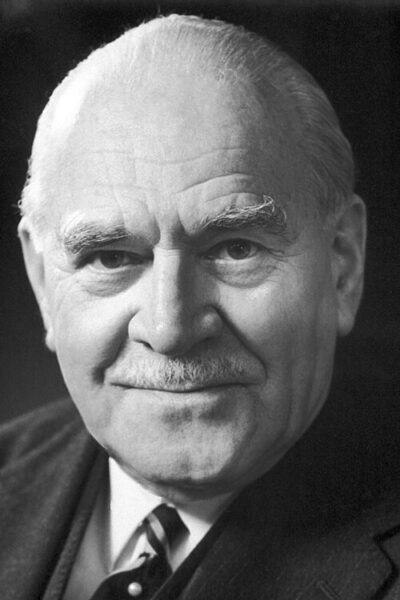 Ronald George Wreyford Norrish (1958)British chemist
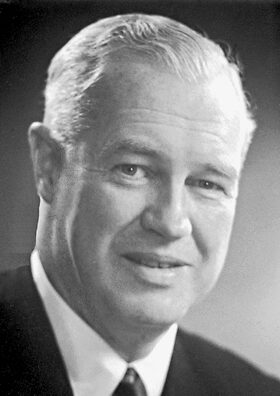 Alexander Todd (1949)British biochemist and Nobel laureate (1907-1997)
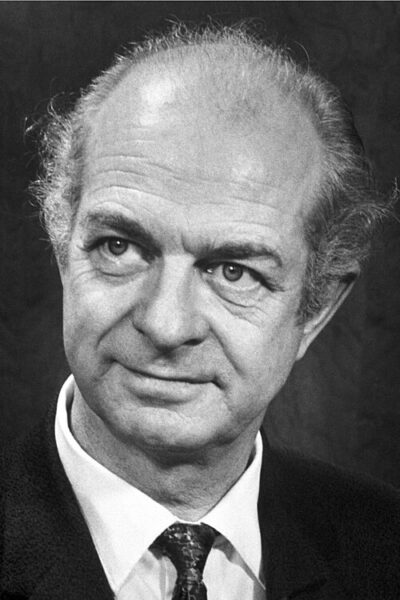 Linus Pauling (1947)American scientist (1901–1994)
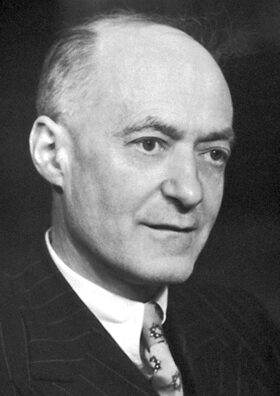 Cyril Norman Hinshelwood (1942)English physical chemist (1897-1967)
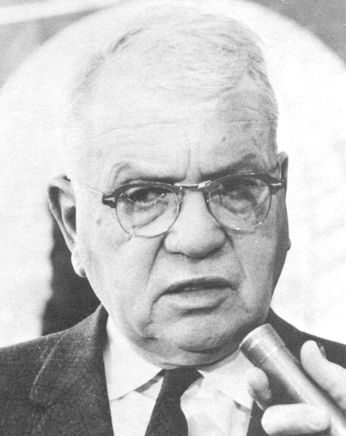 Harold Urey (1940)American physical chemist (1893-1981)
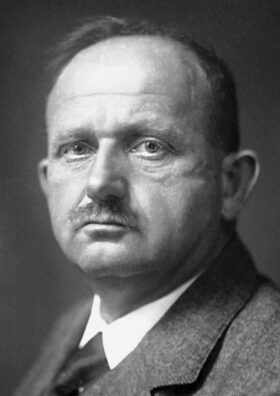 Hans Fischer (1937)German chemist (1881–1945)
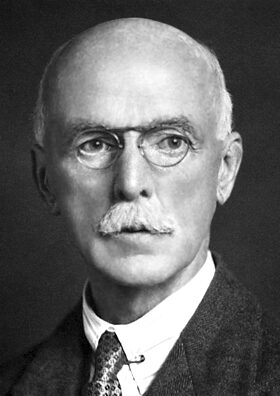 Arthur Harden (1935)British biochemist
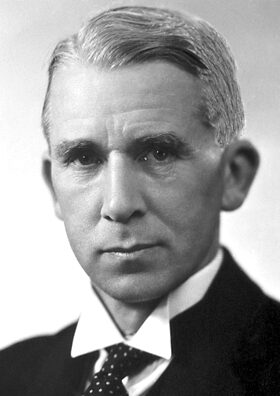 Norman Haworth (1934)British chemist (1883-1950)
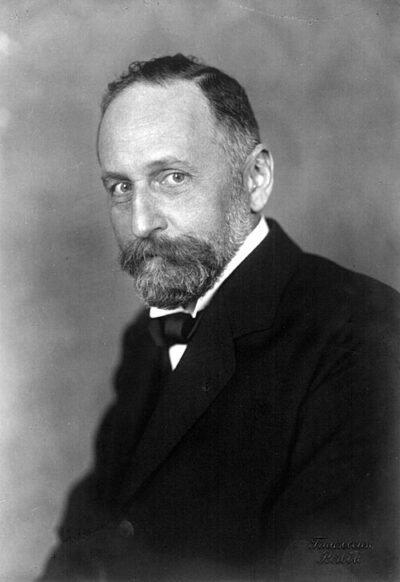 Richard Willstätter (1932)German chemist (1872–1942)
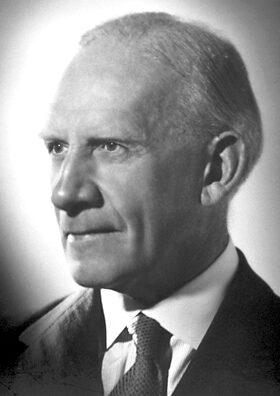 Robert Robinson (1930)English chemist (1886-1975)
- GGilbert N. Lewis (1929)American physical chemist
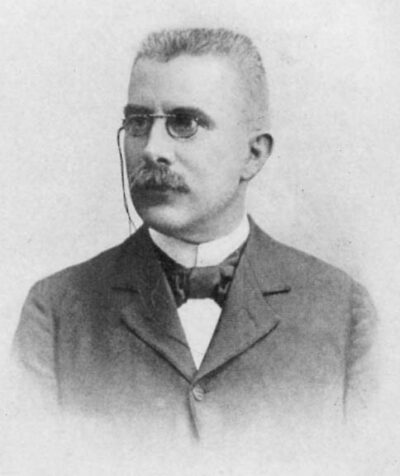 Henry Louis Le Châtelier (1916)French chemist (1850–1936)
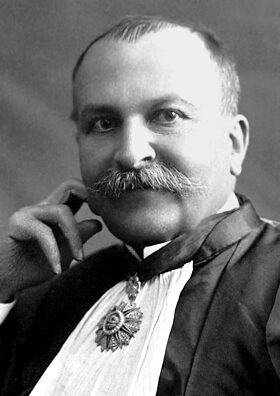 Paul Sabatier (1915)French chemist (1854–1941)
and 18 more
