
Kyoto Prize in Basic Sciences
Kyoto Prize in Basic Sciences is a Japanese award in biological sciences, mathematical sciences, earth and planetary sciences, astronomy and astrophysics, or life sciences. It was created in 1985. It is given by the Inamori Foundation.
- Given by
- Inamori Foundation
- Country
- Japan
- Created
- 1985
All 5 facts, and where they come from
Facts
5 facts · 0 confirmed by two sources · 0 cited · 5 from one source
Where this comes from
Papalocal keeps its own record. It started from these sources; what each one said is kept here as it was copied, so a change on their side never changes this page by itself. Tap one to read its version.
What Wikidata says · copied November 16, 2026 · revision 2484823651
- Described as
- Japanese award in biological sciences, mathematical sciences, earth and planetary sciences, astronomy and astrophysics, or life sciences
- What it is
- science award
- Created
- 1985
- Country
- Japan
- Given by
- Inamori Foundation · 1 reference
- Official website
- http://www.kyotoprize.org/en/ · 1 reference
- Wikipedias with a page
- 7
Wikidata item Q18344281 (wikidata.org/wiki/Q18344281), public domain (CC0). Copied 2026-11-16.
What Wikipedia says · copied November 16, 2026 · revision 1360103789
The Kyoto Prize in Basic Sciences is awarded once a year by the Inamori Foundation. The Prize is one of three Kyoto Prize categories; the others are the Kyoto Prize in Advanced Technology and the Kyoto Prize in Arts and Philosophy. The first Kyoto Prize in Basic Sciences was awarded to Claude Elwood Shannon, the “Establishment of Mathematical Foundation of Information Theory”. The Prize is regarded as a prestigious award available in fields which are traditionally not honored with a Nobel Prize.
From the Wikipedia article “Kyoto Prize in Basic Sciences” (en.wikipedia.org/wiki/Kyoto_Prize_in_Basic_Sciences), by its contributors, under CC BY-SA 4.0 (creativecommons.org/licenses/by-sa/4.0/). Copied 2026-11-16; not changed.
Confirmed Two sources agree. Cited One source, and it names where it got it. One source One source, without a reference of its own. Sources disagree The sources disagree. We show the best-supported value and keep theirs below.
People connected 15
Won it
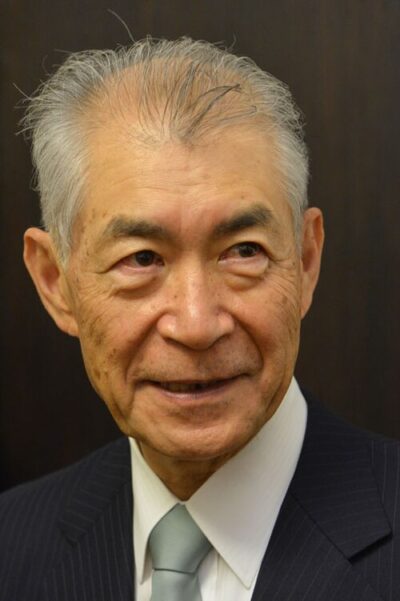 Tasuku Honjo (2016)Japanese professor of immunology and genomic medicine (1942–)
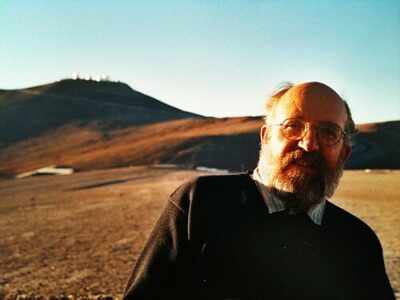 Michel Mayor (2015)Swiss astrophysicist & Nobel laureate of Physics
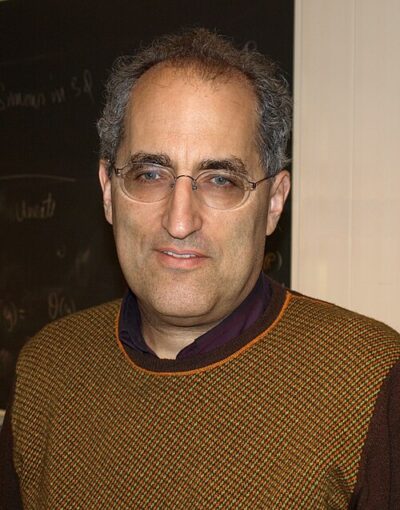 Edward Witten (2014)American theoretical physicist
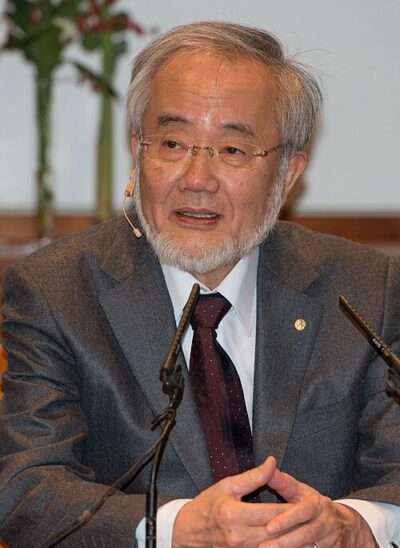 Yoshinori Ohsumi (2012)Japanese molecular biologist (1945 - )
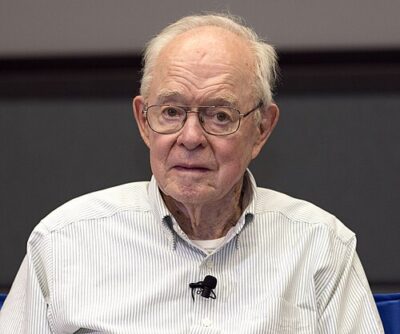 Eugene Parker (2003)American astronomer (1927–2022)
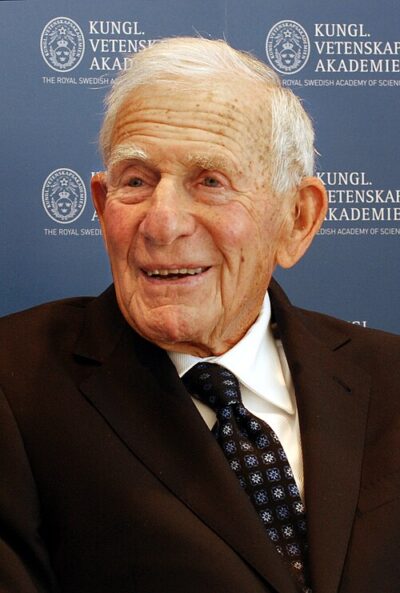 Walter Munk (1999)American oceanographer (1917–2019)
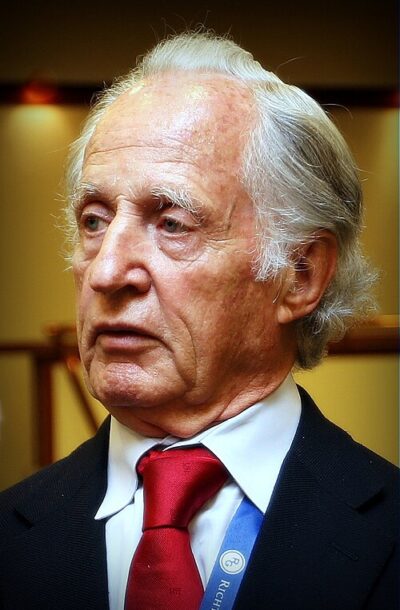 Mario Capecchi (1996)molecular geneticist and Nobel laureate
 André Weil (1994)French mathematician (1906-1998)
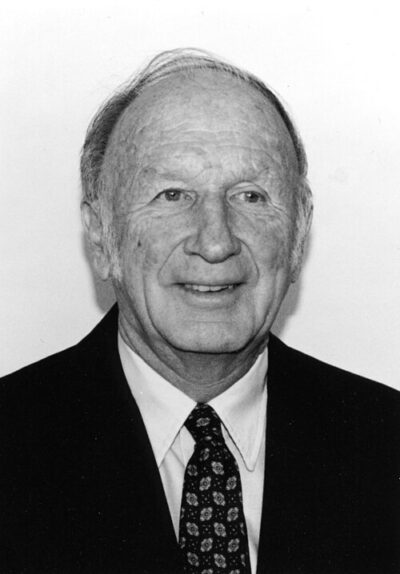 Edward Norton Lorenz (1991)American mathematician and meteorologist (1917–2008)
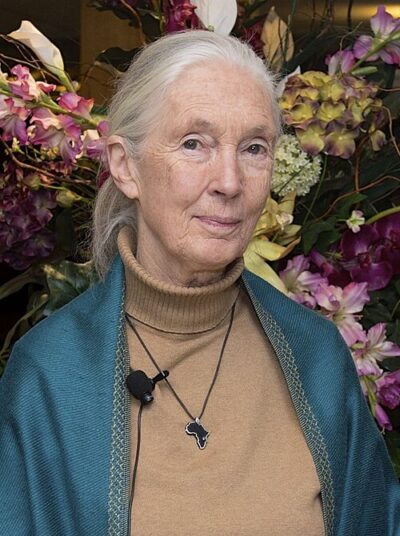 Jane Goodall (1990)English primatologist and anthropologist (1934–2025)
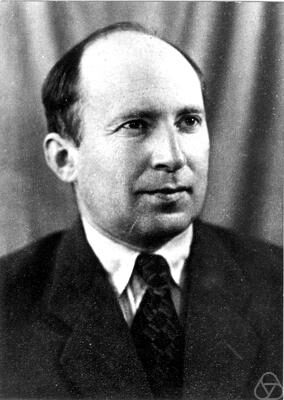 Israel Gelfand (1989)Soviet-American mathematician
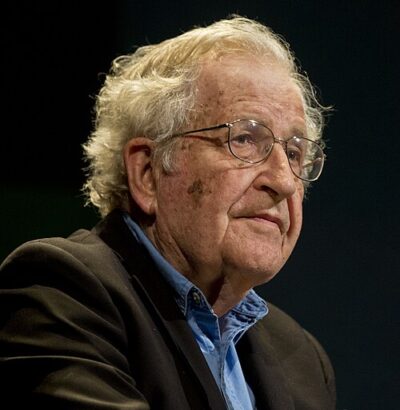 Noam Chomsky (1988)American linguist and activist (born 1928)
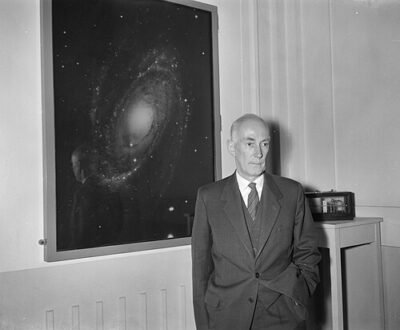 Jan Hendrik Oort (1987)Dutch astronomer (1900–1992)
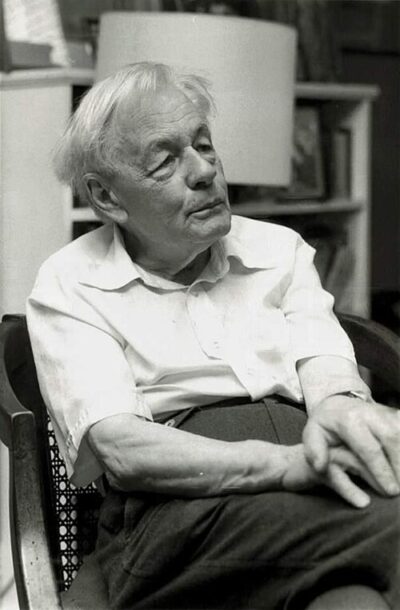 G. Evelyn Hutchinson (1986)British zoologist (1903–1991)
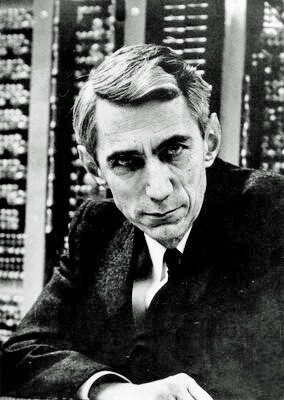 Claude Shannon (1985)American mathematician and information theorist (1916–2001)
