

Labour Party
The Labour Party is a centrist social democratic political party in the United Kingdom. It was founded in 1900. Its headquarters are in the City of Westminster. It stands for democratic socialism and social democracy.
- Country
- United Kingdom
- Founded
- 1900
- Ideology
- democratic socialism
- Chair
- Andy Burnham (2026–)
All 10 facts, and where they come from
Facts
10 facts · 0 confirmed by two sources · 1 cited · 9 from one source
Where this comes from
Papalocal keeps its own record. It started from these sources; what each one said is kept here as it was copied, so a change on their side never changes this page by itself. Tap one to read its version.
What Wikidata says · copied November 16, 2026 · revision 2557764563
- Described as
- centrist social democratic political party in the United Kingdom
- Other names
- Labour, British Labour Party, Labor Party, British Labor Party
- What it is
- political party
- Comes after
- Labour Representation Committee
- Founded
- 1900
- Headquarters
- City of Westminster
- Country
- United Kingdom
- Chair
- Keir Hardie (1906–1908) · 1 reference; Arthur Henderson (3 times) (1908–1932) · 1 reference
- Ideology
- democratic socialism; social democracy
- Official website
- https://labour.org.uk/
- Wikipedias with a page
- 90
Wikidata item Q9630 (wikidata.org/wiki/Q9630), public domain (CC0). Copied 2026-11-16.
What Wikipedia says · copied November 16, 2026 · revision 1385798242
The Labour Party, commonly Labour, is a political party in the United Kingdom. It sits on the centre-left of the left–right political spectrum, and has historically been an alliance of democratic socialists, social democrats and trade unionists. It has been the governing party since the 2024 general election. Andy Burnham became Leader of the Labour Party and Prime Minister of the United Kingdom in 2026, succeeding Keir Starmer, who had been elected party leader in 2020 and led Labour into government. There have been 12 Labour governments and eight Labour prime ministers. The party meets annually during Autumn for the Labour Party Conference, during which delegates from local parties and trade unions vote on party policy, and senior figures address the audience from the Conference platform.
The Labour Party was founded in 1900, having emerged from the trade union movement and socialist parties of the 19th century. In 1918 it became guided by socialism and a commitment to "common ownership" via nationalisation. It was electorally weak before the First World War, but in the early 1920s overtook the Liberal Party to become the main opposition to the Conservative Party, and briefly formed a minority government under Ramsay MacDonald in 1924. In 1929 Labour became the largest party in the House of Commons for the first time, with 287 seats, but fell short of a majority, forming another minority government. In 1931, in response to the Great Depression, MacDonald formed a new government with Conservative and Liberal support, which led to his expulsion from the party. Labour was soundly defeated by his coalition in 1931, winning only 52 seats, but began to recover in 1935 with 154 seats.
During the Second World War, Labour served in the wartime coalition, after which it won a majority in 1945 under Clement Attlee. Attlee's government enacted extensive nationalisation and established the modern welfare state and National Health Service before losing power in 1951. Under Harold Wilson and James Callaghan, Labour again governed from 1964 to 1970 and from 1974 to 1979. The party then entered a period of intense internal division, which ended in the defeat of its left wing by the mid-1980s. After electoral defeats to the Conservatives in 1987 and 1992, Tony Blair took the party to the political centre as part of the New Labour rebranding of the party, and it governed under Blair from 1997 to 2007 and Gordon Brown from 2007 to 2010. After several electoral defeats in the 2010s, Starmer moved Labour closer to the political centre after replacing Jeremy Corbyn as its leader in 2020, winning the 2024 general election. On 22 June 2026, Starmer resigned as leader, and was succeeded by Burnham the following month.
The party includes semi-autonomous London, Scottish, Welsh and Northern Irish branches.
From the Wikipedia article “Labour Party (UK)” (en.wikipedia.org/wiki/Labour_Party_(UK)), by its contributors, under CC BY-SA 4.0 (creativecommons.org/licenses/by-sa/4.0/). Copied 2026-11-16; not changed.
Confirmed Two sources agree. Cited One source, and it names where it got it. One source One source, without a reference of its own. Sources disagree The sources disagree. We show the best-supported value and keep theirs below.
Picture: Wikimedia Commons: Keir Starmer, 2020 Labour Party leadership election hustings, Bristol 1.jpg · See Commons file page
People connected 41
Party members 41
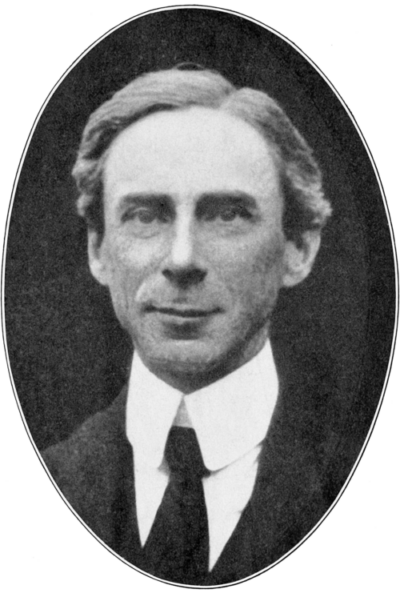 Bertrand Russell (1922–)British philosopher and logician (1872–1970)
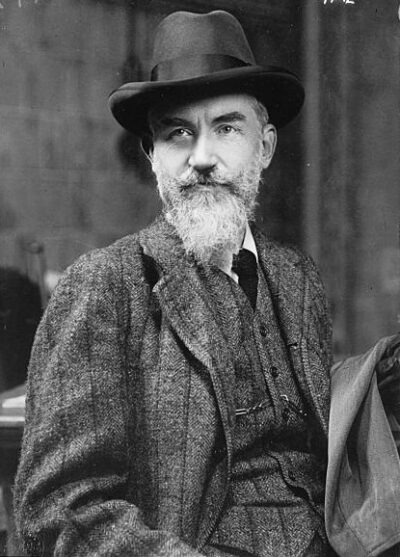 George Bernard ShawIrish playwright, critic, and polemicist (1856–1950)
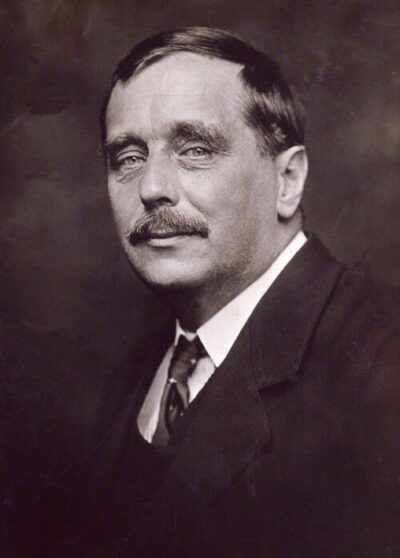 H. G. WellsEnglish writer (1866–1946)
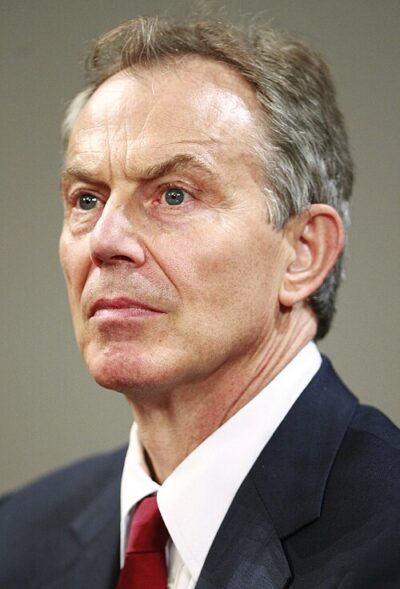 Tony BlairPrime Minister of the United Kingdom from 1997 to 2007
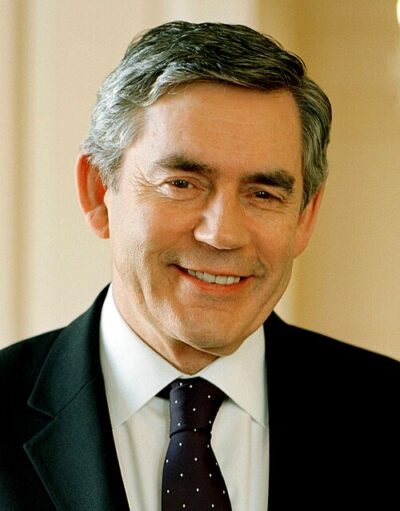 Gordon BrownPrime Minister of the United Kingdom from 2007 to 2010
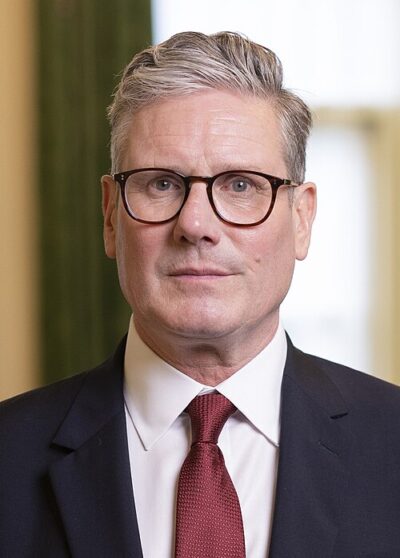 Keir StarmerPrime Minister of the United Kingdom from 2024 to 2026
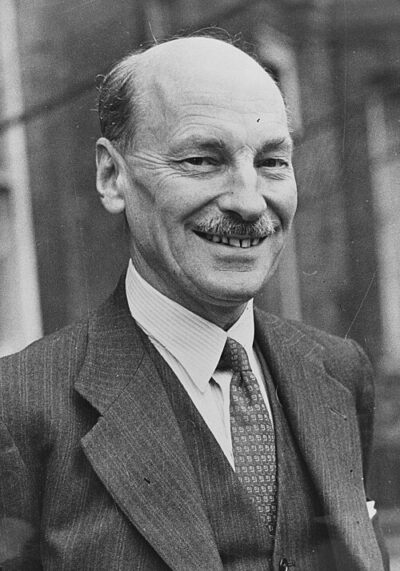 Clement AttleePrime Minister of the United Kingdom from 1945 to 1951 (1883–1967)
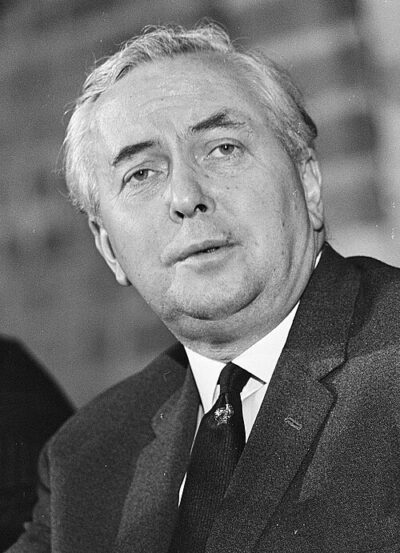 Harold WilsonPrime Minister of the United Kingdom from 1964-1970 and 1974-1976 (1916–1995)
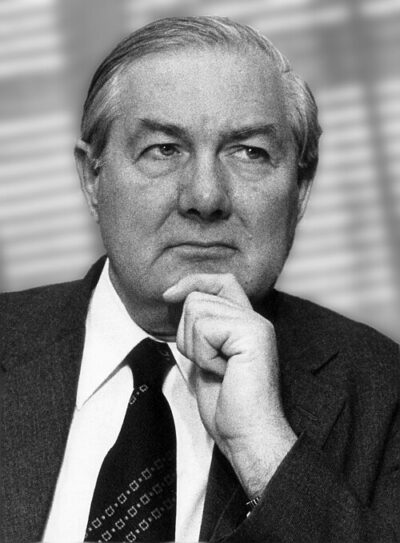 James Callaghanformer prime minister of the United Kingdom (1912–2005)
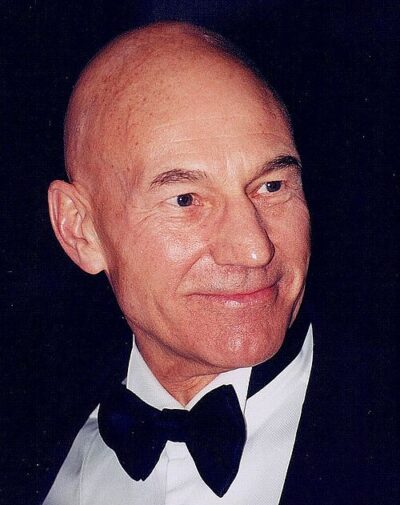 Patrick StewartEnglish actor (1940–2026)
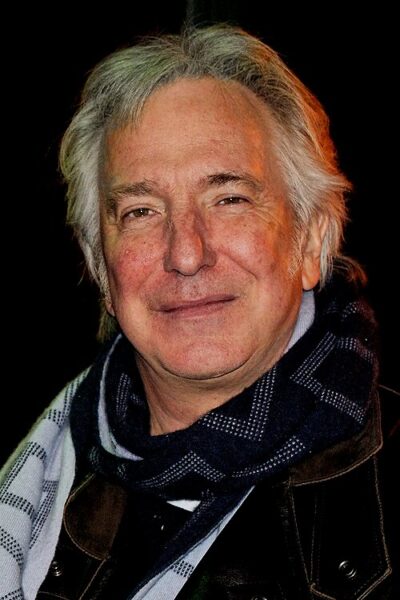 Alan RickmanBritish actor and director (1946–2016)
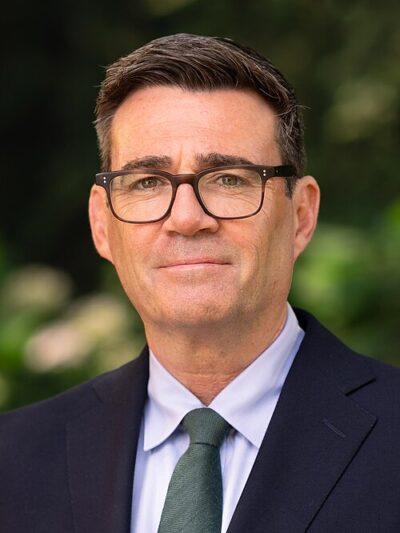 Andy BurnhamBritish politician
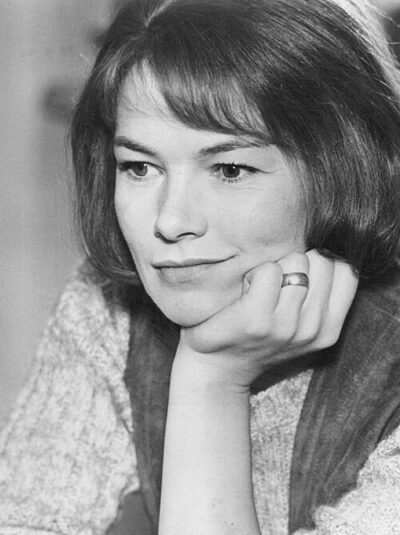 Glenda Jackson (1992–2015)British actress and politician (1936–2023)
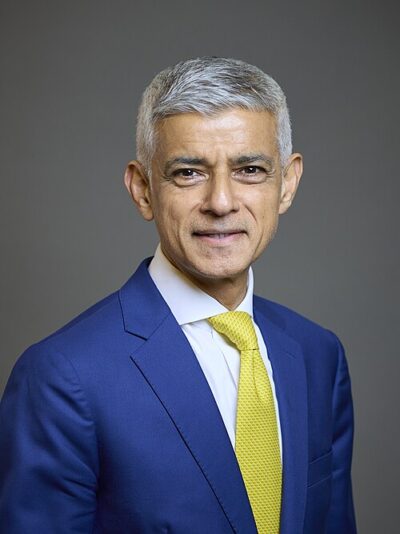 Sadiq KhanMayor of London since 2016
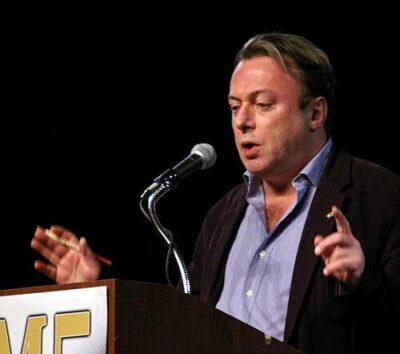 Christopher Hitchens (1965–1967)English American author and journalist (1949–2011)
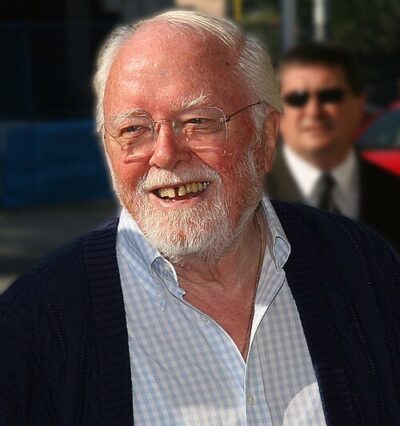 Richard AttenboroughBritish actor (1923–2014)
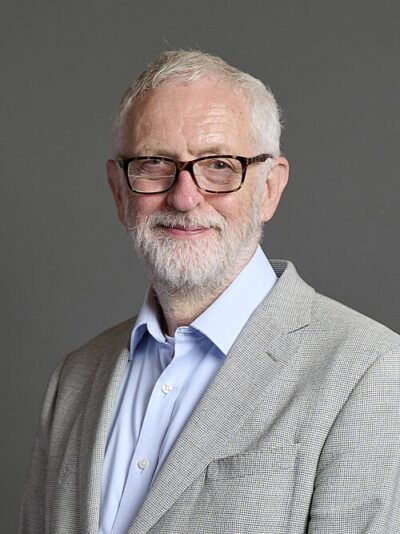 Jeremy Corbyn (1965–2024)British politician, leader of the Labour Party 2015 to 2020
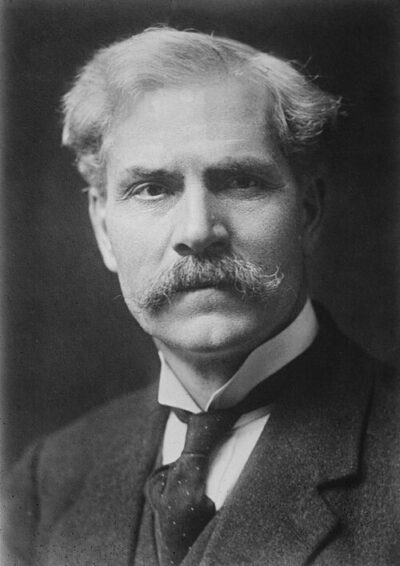 Ramsay MacDonald (–1931)British prime minister in 1924 and 1929 to 1935 (1866–1937)
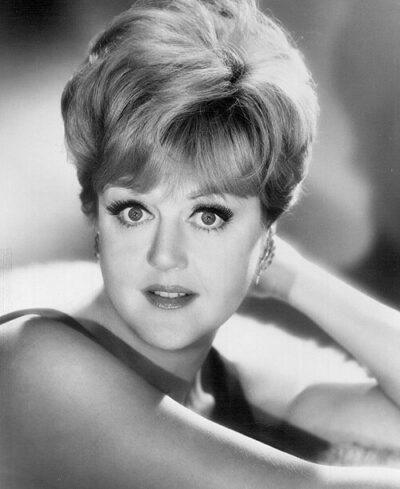 Angela LansburyBritish actress (1925–2022)
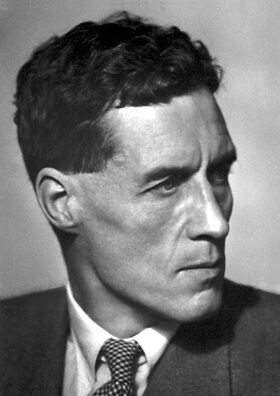 Patrick BlackettBritish physicist (1897-1974)
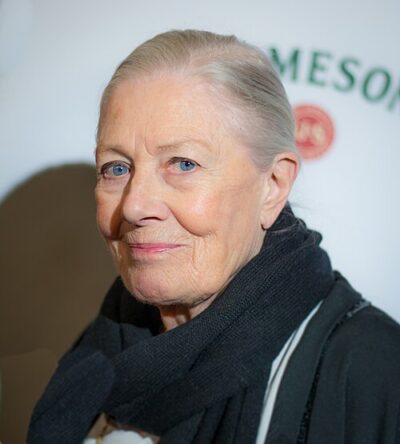 Vanessa RedgraveBritish actress and activist (born 1937)
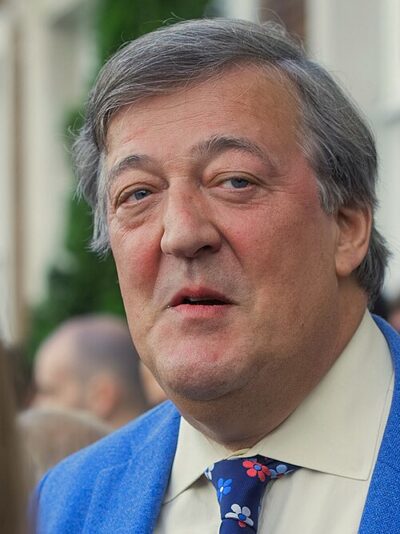 Stephen FryBritish comedian, actor, writer, presenter, and activist
 Gary Neville (2022–)English football pundit and former playe
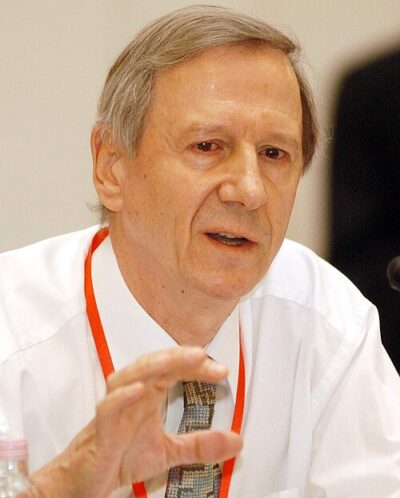 Anthony Giddens, Baron GiddensBritish sociologist (born 1938)
and 17 more
