

Langley Gold Medal
Langley Gold Medal is a scientific prize. It is given by the Smithsonian Institution.
- Given by
- Smithsonian Institution
- Country
- United States
All 5 facts, and where they come from
Facts
5 facts · 0 confirmed by two sources · 0 cited · 5 from one source
Where this comes from
Papalocal keeps its own record. It started from these sources; what each one said is kept here as it was copied, so a change on their side never changes this page by itself. Tap one to read its version.
What Wikidata says · copied November 16, 2026 · revision 2477468261
- Described as
- scientific prize
- Other names
- Samuel P. Langley Medal for Aerodromics
- What it is
- science award; medal
- Country
- United States
- Given by
- Smithsonian Institution
- Named after
- Samuel Langley
- Wikipedias with a page
- 8
Wikidata item Q6486246 (wikidata.org/wiki/Q6486246), public domain (CC0). Copied 2026-11-16.
What Wikipedia says · copied November 16, 2026 · revision 1305705168
The Langley Gold Medal, or Samuel P. Langley Medal for Aerodromics, is an award given by the Smithsonian Institution for outstanding contributions to the sciences of aeronautics and astronautics. Named in honor of Samuel P. Langley, the Smithsonian's third Secretary, it was authorized by the Board of Regents in 1909.
The medal was suggested by Alexander Graham Bell. It is awarded for "meritorious investigations in connection with the science of aerodromics and its application to aviation".
From the Wikipedia article “Langley Gold Medal” (en.wikipedia.org/wiki/Langley_Gold_Medal), by its contributors, under CC BY-SA 4.0 (creativecommons.org/licenses/by-sa/4.0/). Copied 2026-11-16; not changed.
Confirmed Two sources agree. Cited One source, and it names where it got it. One source One source, without a reference of its own. Sources disagree The sources disagree. We show the best-supported value and keep theirs below.
Picture: Wikimedia Commons: 1913 Langley Medal awarded to Glenn Hammond Curtiss.jpg · See Commons file page
People connected 12
Won it
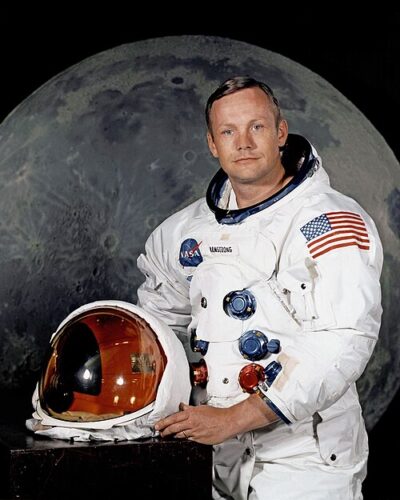 Neil Armstrong (1999)American astronaut and lunar explorer (1930–2012)
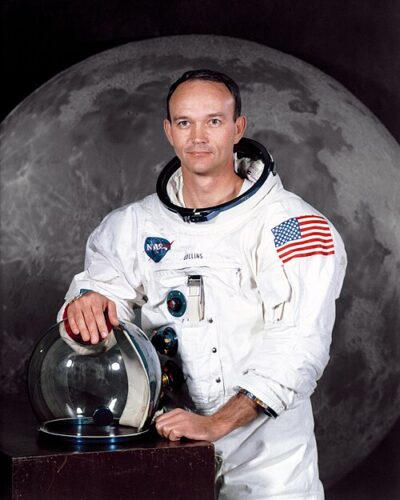 Michael Collins (1999)American astronaut (1930–2021)
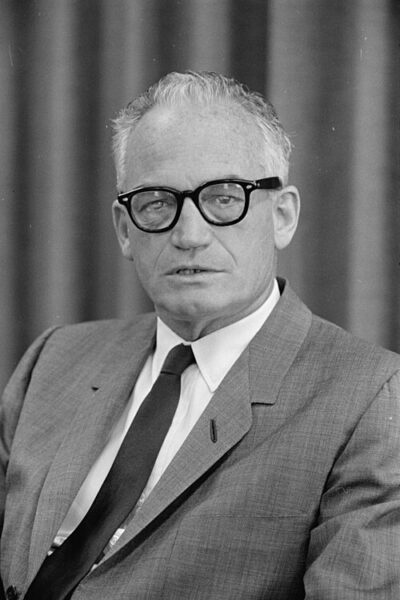 Barry Goldwater (1987)American politician and military officer (1909–1998)
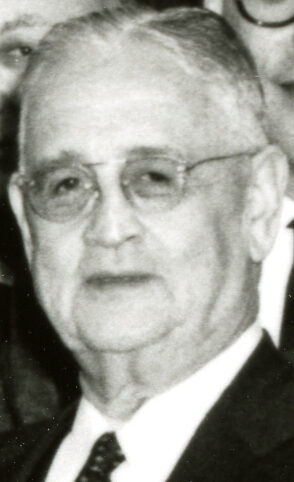 Charles Stark Draper (1981)American engineer (1901–1987)
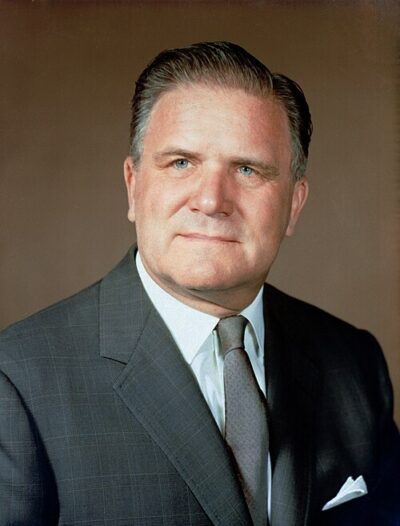 James E. Webb (1976)administrator of NASA in 1961–1968 (1906–1992)
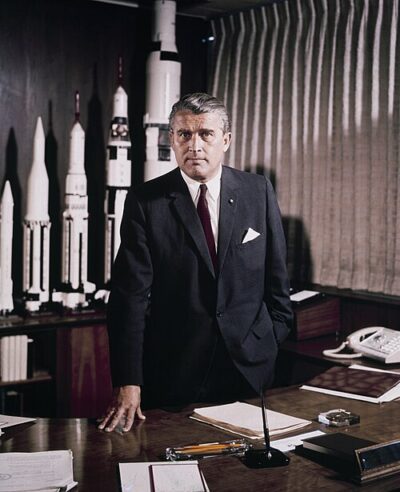 Wernher von Braun (1967)German and later American aerospace engineer and space architect (1912–1977)
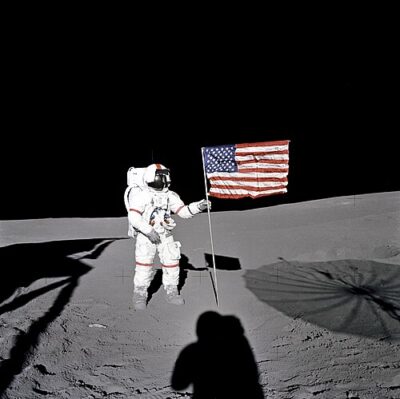 Alan Shepard (1964)American astronaut, first American in space, lunar explorer (1923–1998)
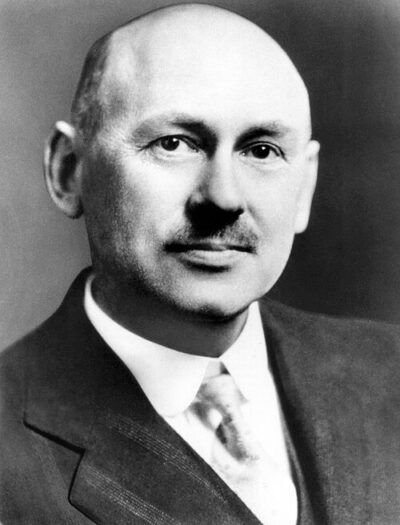 Robert H. Goddard (1960)American physicist
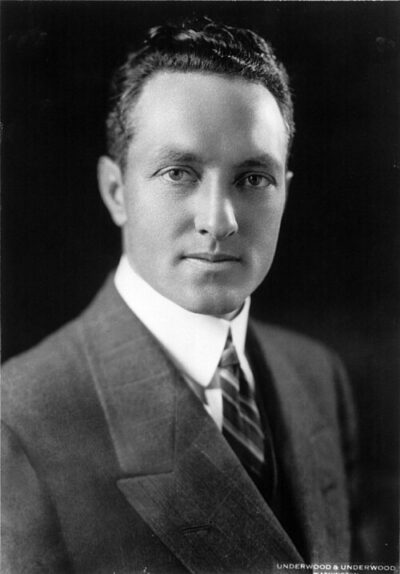 Richard E. Byrd (1929)American naval officer, explorer (1888-1957)
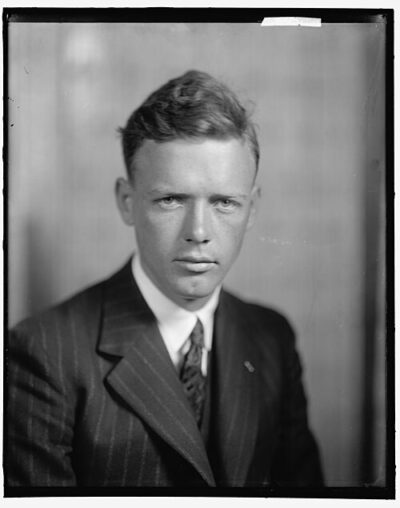 Charles Lindbergh (1927)American aviator, author, inventor, explorer, and social activist (1902–1974)
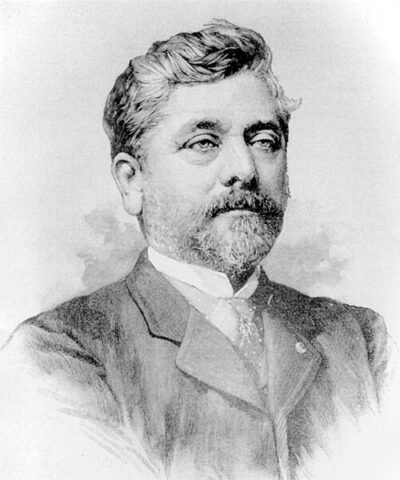 Gustave Eiffel (1913)French chemical engineer and architect (1832–1923)
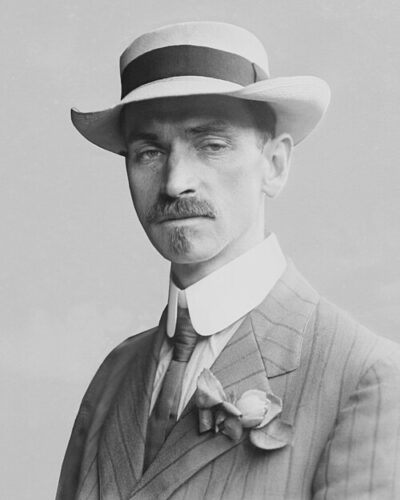 Glenn Curtiss (1913)American aviator and industrialist (1878-1930)
