
Leader of the House of Lords
The Leader of the House of Lords is a member of the Cabinet of the United Kingdom. It was created in 1721.
- Office of
- United Kingdom
- Country
- United Kingdom
- Created
- 1721
All 6 facts, and where they come from
Facts
6 facts · 0 confirmed by two sources · 0 cited · 6 from one source
Where this comes from
Papalocal keeps its own record. It started from these sources; what each one said is kept here as it was copied, so a change on their side never changes this page by itself. Tap one to read its version.
What Wikidata says · copied November 17, 2026 · revision 2569378591
- Described as
- member of the Cabinet of the United Kingdom
- What it is
- position; public office
- Created
- 1721
- Country
- United Kingdom
- Office of
- United Kingdom
- Official website
- https://www.gov.uk/government/ministers/leader-of-the-house-of-lords
- Wikipedias with a page
- 13
Wikidata item Q2012061 (wikidata.org/wiki/Q2012061), public domain (CC0). Copied 2026-11-17.
What Wikipedia says · copied November 17, 2026 · revision 1385813279
The leader of the House of Lords is a member of the Cabinet of the United Kingdom who is responsible for arranging government business in the House of Lords. ("Government" here means the controlling faction of the parliament, headed by the Prime Minister.) The post is also the leader of the governing party in the House of Lords who acts as the government party chairperson in the house. The role is always held in combination with a formal Cabinet position, usually one of the sinecure offices of Lord President of the Council, Lord Keeper of the Privy Seal or Chancellor of the Duchy of Lancaster. Unless the Leader is also a departmental minister, being Leader constitutes the bulk of their government responsibilities, but it has never been an independent salaried office. The Office of the Leader of the House of Lords is a ministerial department.
Though the leader of the House is a member of the cabinet and remains a partisan figure, the leader also has responsibilities to the House as a whole. In contrast to the House of Commons, where proceedings are controlled by the speaker, proceedings in the Lords are controlled by peers themselves, under the rules set out in the Standing Orders. The leader of the House has the responsibility of reminding the House of these rules and facilitating the Lords' self-regulation, though any member may draw attention to breaches of order or failure to observe customs. The Leader is often called upon to advise on procedures and points of order and is required to determine the order of speakers on Supplementary Questions, subject to the wishes of the House. However, like the Lord Speaker, the Leader of the House has no power to rule on points of order or to intervene during an inappropriate speech.
Until the election of the first Lord Speaker on 4 July 2006, the Leader of the House had responsibility for making preliminary decisions on requests for Private Notice Questions and for waiving the sub judice rule in certain cases. Those functions were transferred to the Lord Speaker.
From the Wikipedia article “Leader of the House of Lords” (en.wikipedia.org/wiki/Leader_of_the_House_of_Lords), by its contributors, under CC BY-SA 4.0 (creativecommons.org/licenses/by-sa/4.0/). Copied 2026-11-17; not changed.
Confirmed Two sources agree. Cited One source, and it names where it got it. One source One source, without a reference of its own. Sources disagree The sources disagree. We show the best-supported value and keep theirs below.
People connected 30
Held this office 30
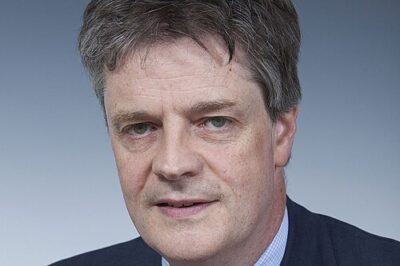 Jonathan Hill, Baron Hill of Oareford (2013–2014)British Conservative politician (born 1960)
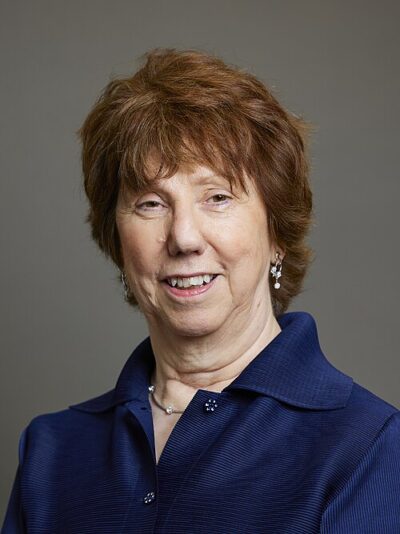 Catherine Ashton (2007–2008)British politician (born 1956)
- WWillie Whitelaw (1983–1988)British politician (1918–1999)
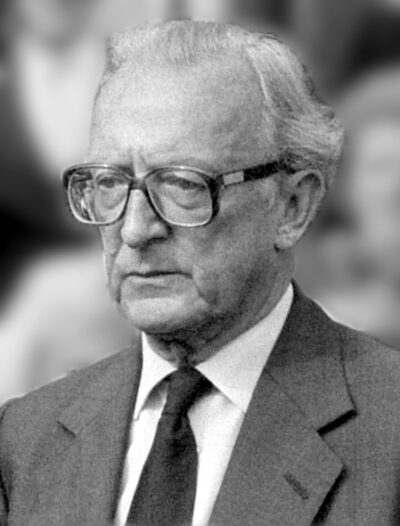 Peter Carington, 6th Baron Carrington (1963–1964)British Conservative politician (1919–2018)
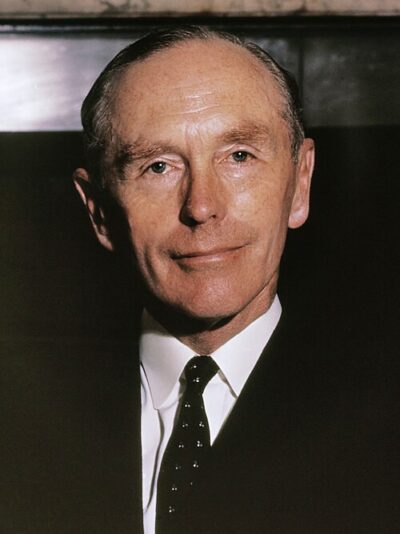 Alec Douglas-Home (1957–1960)Prime Minister of the United Kingdom from 1963 to 1964
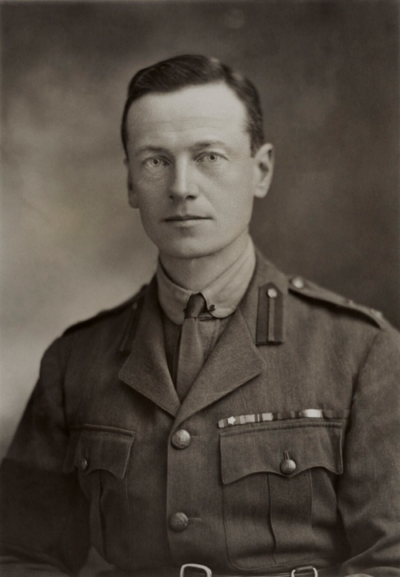 Walter Guinness, 1st Baron Moyne (1941–1942)British politician, businessman and army officer (1880-1944)
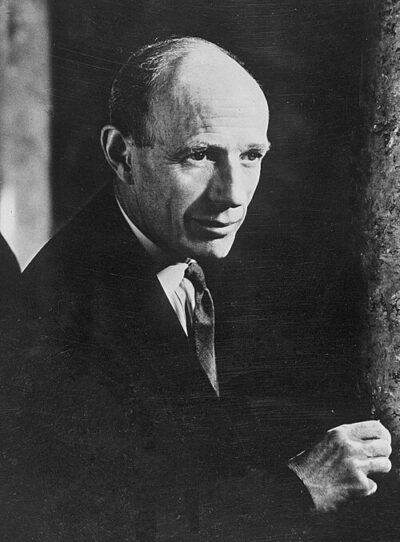 Edward Wood, 1st Earl of Halifax (1935–1940)British politician (1881-1959)
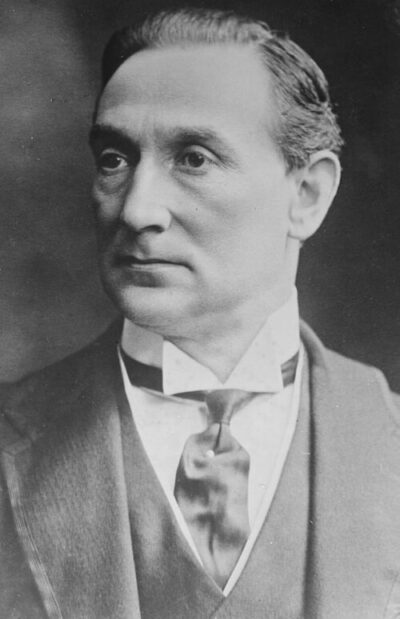 Rufus Isaacs, 1st Marquess of Reading (1931)British politician (1860-1935)
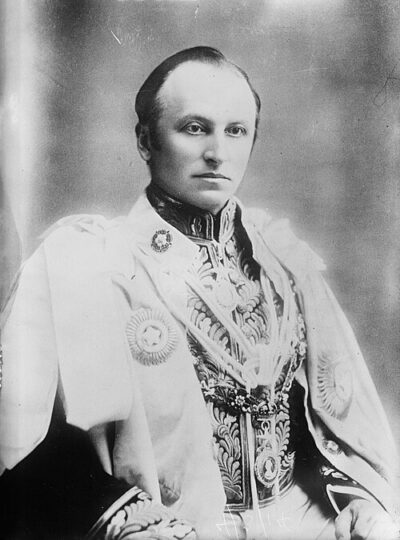 George Curzon, 1st Marquess Curzon of Kedleston (1916–1925)Viceroy of India and British Foreign Secretary (1859–1925)
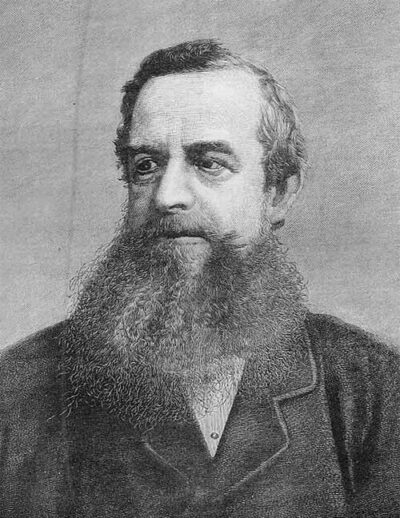 George Robinson, 1st Marquess of Ripon (1905–1908)British politician (1827–1909)
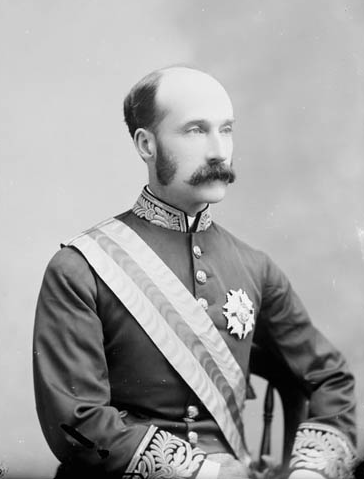 Henry Petty-Fitzmaurice, 5th Marquess of Lansdowne (1903–1905)British statesman (1845-1927)
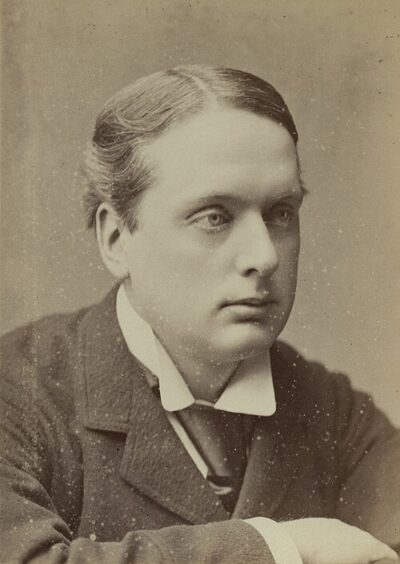 Archibald Primrose, 5th Earl of Rosebery (1894–1895)British Liberal politician and Prime Minister of the United Kingdom (1847–1929)
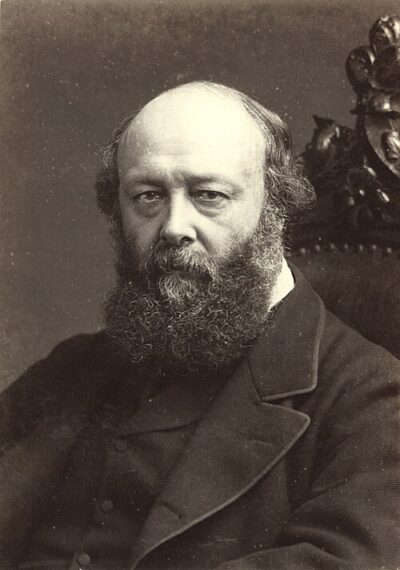 Robert Gascoyne-Cecil, 3rd Marquess of Salisbury (1885–1902)British politician and prime minister (1830-1903)
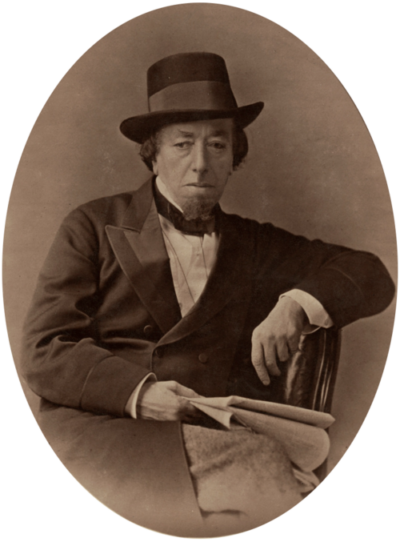 Benjamin Disraeli (1876–1880)British statesman (1804–1881)
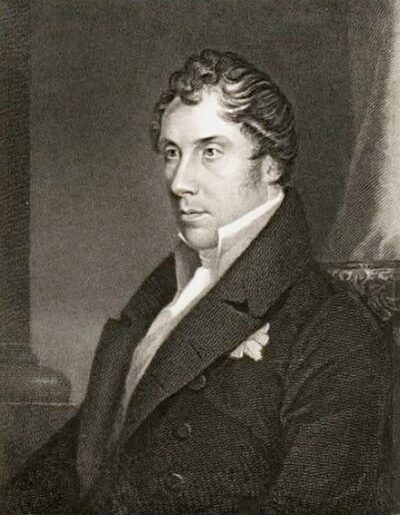 George Hamilton-Gordon, 4th Earl of Aberdeen (1852–1855)British politician (1784-1860)
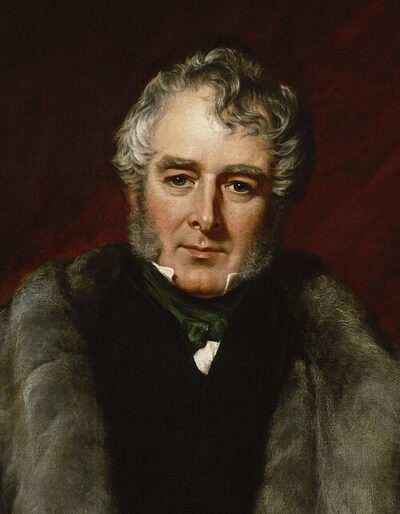 William Lamb, 2nd Viscount Melbourne (1834–1841)British politician (1779–1848)
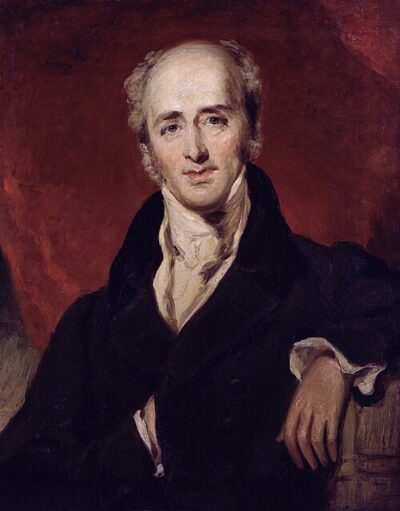 Charles Grey, 2nd Earl Grey (1830–1834)Prime Minister of the United Kingdom from 1830 to 1834 (1764–1845)
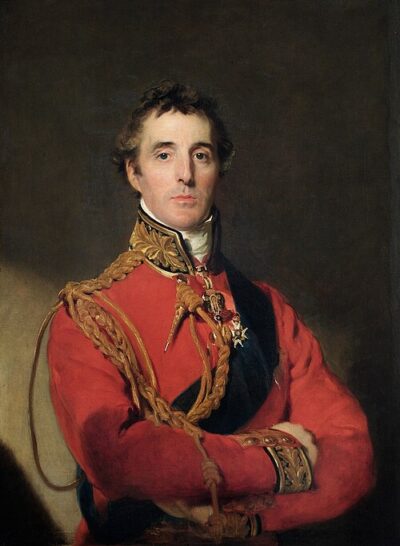 Arthur Wellesley, 1st Duke of Wellington (1828–1846)British Field Marshal, Prime Minister of the United Kingdom, 1828–1830, 1834 (1769-1852)
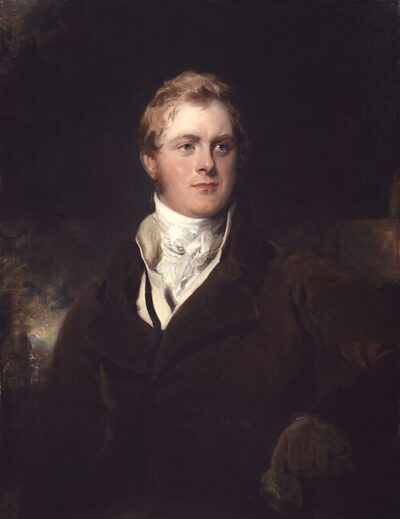 F. J. Robinson, 1st Viscount Goderich (1827–1828)British Prime Minister, politician (1782-1859)
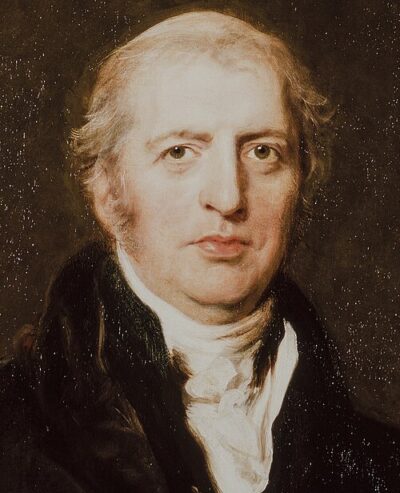 Robert Jenkinson, 2nd Earl of Liverpool (1803–1827)Prime Minister of the United Kingdom from 1812 to 1827
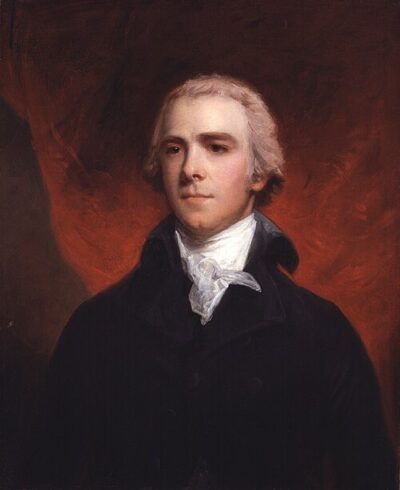 William Wyndham Grenville, 1st Baron Grenville (1790–1807)British Prime Minister, politician (1759-1834)
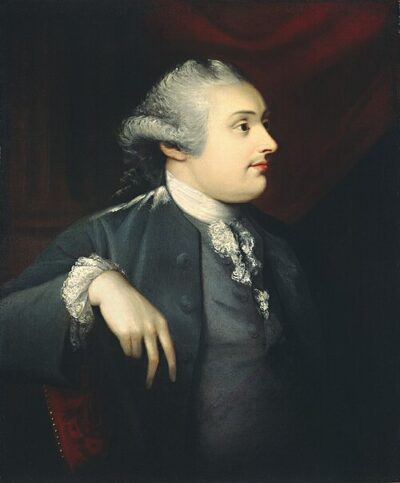 William Cavendish-Bentinck, 3rd Duke of Portland (1783)British politician and prime minister (1738–1809)
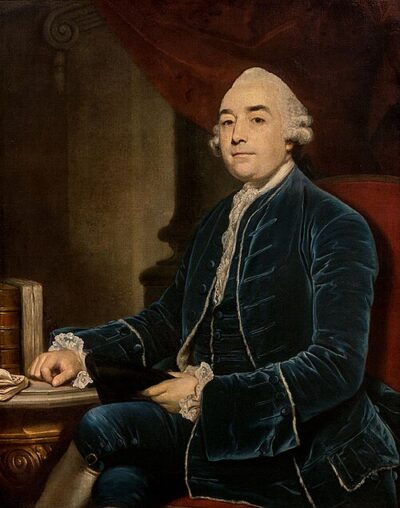 William Petty, 2nd Earl of Shelburne (1782–1783)British Prime Minister (1737-1805)
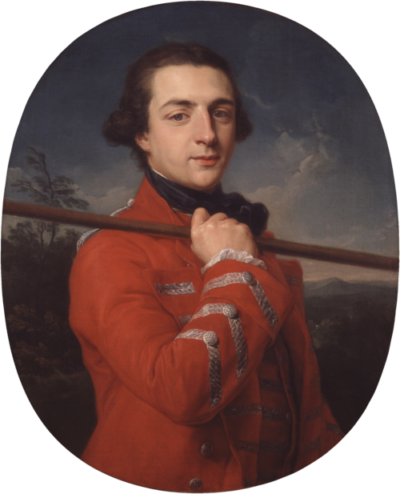 Augustus FitzRoy, 3rd Duke of Grafton (1766–1770)British noble (1735-1811)
and 6 more
