

Liberal Democratic Party
The Liberal Democratic Party is a Japanese political party. It was founded in 1955 by Ichirō Hatoyama. Its headquarters are in Nagatachō. It stands for conservatism, Japanese nationalism and social conservatism.
- Country
- Japan
- Founded
- November 15, 1955
- Ideology
- conservatism
All 12 facts, and where they come from
Facts
12 facts · 0 confirmed by two sources · 0 cited · 12 from one source
Where this comes from
Papalocal keeps its own record. It started from these sources; what each one said is kept here as it was copied, so a change on their side never changes this page by itself. Tap one to read its version.
What Wikidata says · copied November 16, 2026 · revision 2568580880
- Described as
- Japanese political party
- Other names
- Liberal Democratic Party of Japan, Jimintō, LDP, Liberal Democrats, Liberal Democrats of Japan, Lib Dems
- What it is
- political party
- Founded
- November 15, 1955
- Founded by
- Ichirō Hatoyama · 1 reference
- Headquarters
- Nagatachō
- Country
- Japan
- Chair
- Sanae Takaichi (2025–)
- Ideology
- conservatism; Japanese nationalism; social conservatism
- Named after
- liberal democracy; Liberal Party
- Official website
- https://www.jimin.jp/
- Wikipedias with a page
- 67
Wikidata item Q232595 (wikidata.org/wiki/Q232595), public domain (CC0). Copied 2026-11-16.
What Wikipedia says · copied November 16, 2026 · revision 1385878403
The Liberal Democratic Party (自由民主党, Jiyū-Minshutō; abbr. LDP), also known as Jimintō (自民党), is a major conservative and nationalist political party in Japan. Since its foundation in 1955, the LDP has been in power almost continuously—a period known as the 1955 System—except from 1993 to 1994, and again from 2009 to 2012. Sanae Takaichi has served as president of the LDP since 4 October 2025. She heads a coalition government with the Japan Innovation Party (JIP) since 21 October 2025.
The LDP was formed in 1955 as a merger of two conservative parties, the Liberal Party and the Japan Democratic Party as a united front against the Japan Socialist Party, and was initially led by prime minister Ichirō Hatoyama. The LDP supported Japan's alliance with the United States and fostered close links between Japanese business and government, playing a major role in the Japanese economic miracle from the 1960s to early 1970s and subsequent stability under prime ministers including Hayato Ikeda, Eisaku Satō, Kakuei Tanaka, Takeo Fukuda, and Yasuhiro Nakasone. Scandals and the burst of the Japanese asset price bubble led to the LDP losing power in 1993 and 1994, and governing under a non-LDP prime minister from 1994 before regaining power in 1996. In 1999, the party led the LDP–Komeito coalition, which lasted for the next 26 years.
The LDP regained stability during the premiership of Junichiro Koizumi in the 2000s, gaining significant amount of seats in 2005, before achieving its worst-ever electoral result in 2009, where the Democratic Party of Japan gained a majority. In 2012, the party under Shinzo Abe regained control of the government with a landslide victory, although it lost seats in subsequent elections. Since 2017, the Constitutional Democratic Party (CDP) has been its primary opponent in national politics. After the 2024 and 2025 elections, the LDP lost its majority in both houses of the National Diet, and its coalition with Komeito broke down, leading it to form the LDP–JIP coalition. Led by Takaichi, the party regained a majority in the House of Representatives, winning the biggest number of seats in Japanese electoral history in 2026, holding 316 seats in the House of Representatives and 101 seats in the Senate.
The LDP is often described as a big tent conservative party, including factions that range from moderate conservatism to far-right and ultraconservative. Although lacking a cohesive political ideology, the party's platform has historically supported increased defense spending, revising Article 9 of the Constitution to codify the status of the Japan Self-Defense Forces, maintaining close ties with the United States and since the 21st century also pursuing close relations with its Indo-Pacific allies to counter the rise of China as a superpower. The party's history and internal composition has been characterized by intense factionalism among its members since its emergence in 1955.
From the Wikipedia article “Liberal Democratic Party (Japan)” (en.wikipedia.org/wiki/Liberal_Democratic_Party_(Japan)), by its contributors, under CC BY-SA 4.0 (creativecommons.org/licenses/by-sa/4.0/). Copied 2026-11-16; not changed.
Confirmed Two sources agree. Cited One source, and it names where it got it. One source One source, without a reference of its own. Sources disagree The sources disagree. We show the best-supported value and keep theirs below.
Picture: Wikimedia Commons: Presidential election speech of the Liberal Democratic Party in Nagano.jpg · See Commons file page
People connected 31
Party members 31
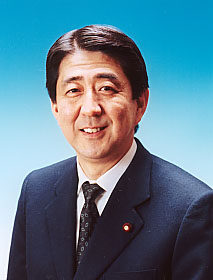 Shinzō Abe (1993–)Prime Minister of Japan from 2006–2007 and 2012–2020 (1954–2022)
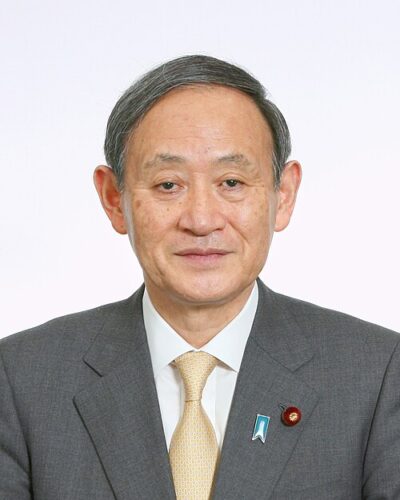 Yoshihide SugaPrime Minister of Japan from 2020 to 2021
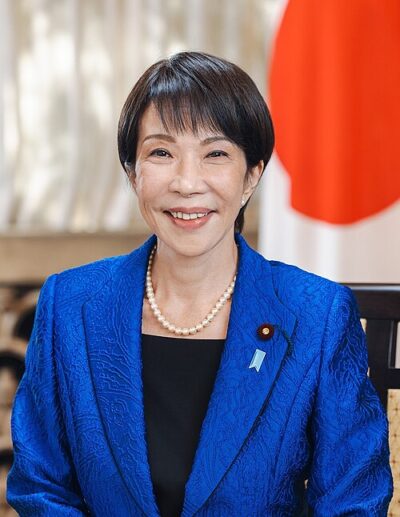 Sanae TakaichiJapanese politician, Prime Minister of Japan since 2025
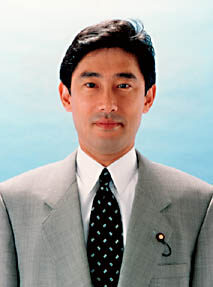 Fumio KishidaPrime Minister of Japan from 2021 to 2024
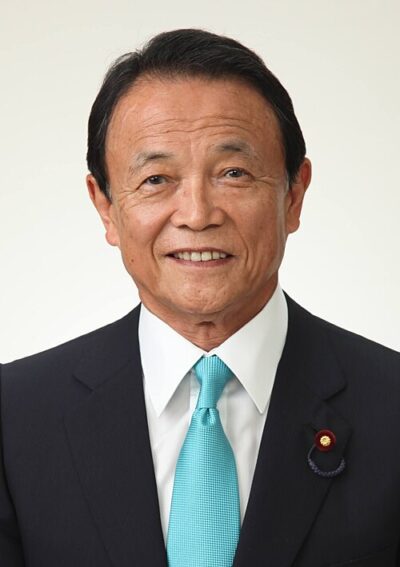 Tarō AsōPrime Minister of Japan from 2008 to 2009
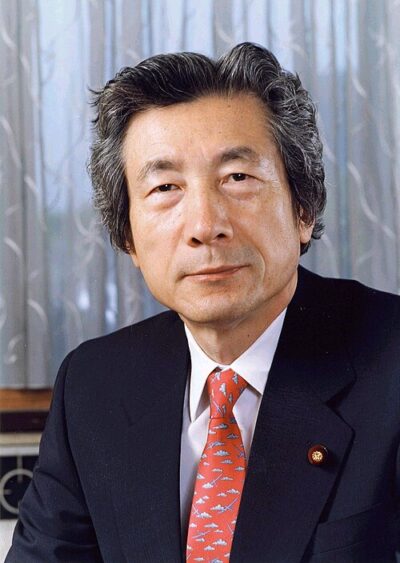 Junichiro KoizumiPrime Minister of Japan from 2001 to 2006
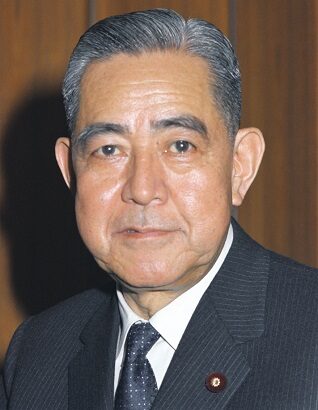 Eisaku SatōPrime Minister of Japan from 1964 to 1972
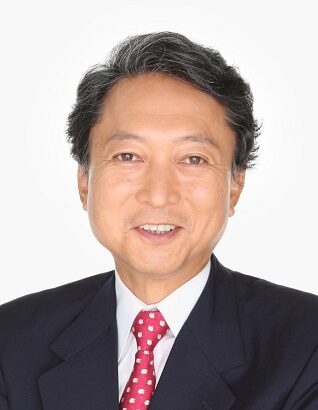 Yukio HatoyamaPrime Minister of Japan from 2009 to 2010
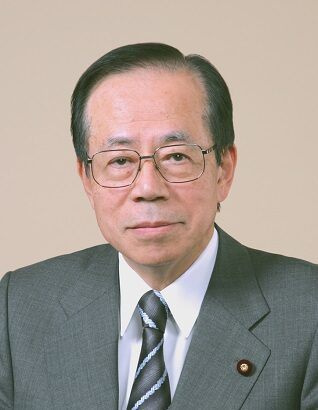 Yasuo FukudaPrime Minister of Japan from 2007 to 2008 (1936–2026)
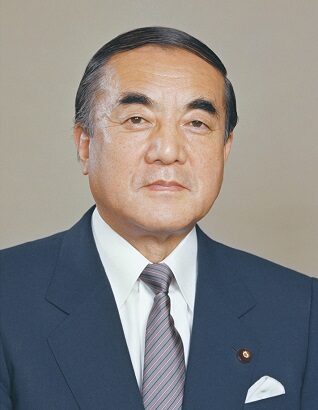 Yasuhiro NakasoneJapanese politician (1918–2019)
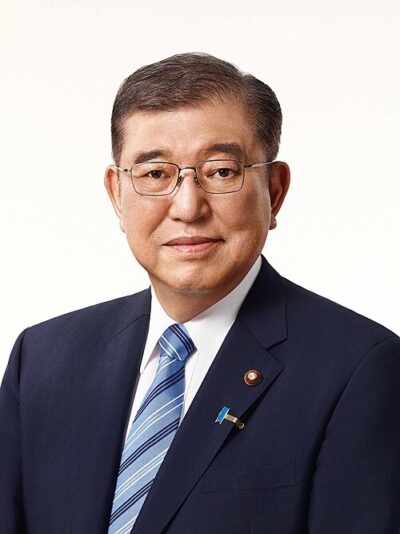 Shigeru Ishiba (1986–)President of the Liberal Democratic Party from 2024 to 2025 and Prime Minister of Japan from 2024 to 2025
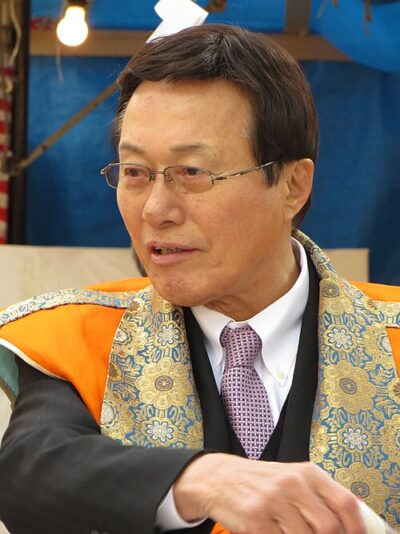 Kunishige KamamotoJapanese association football player and manager
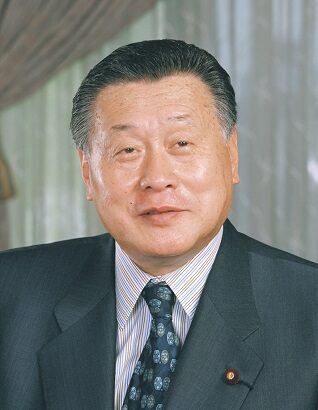 Yoshirō MoriPrime Minister of Japan from 2000 to 2001
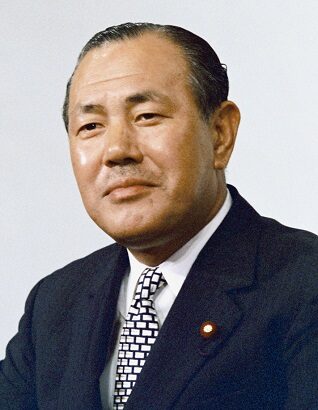 Kakuei TanakaJapanese politician (1918–1993)
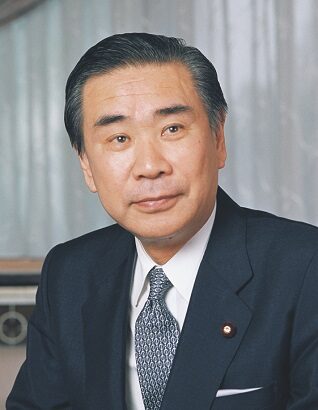 Tsutomu Hata80th Prime Minister of Japan (1935-2017)
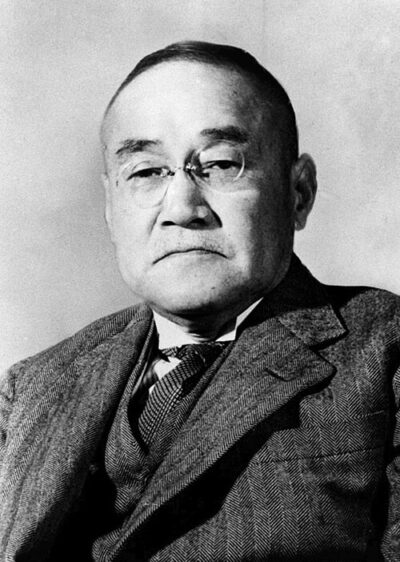 Shigeru YoshidaPrime minister of Japan (1878–1967)
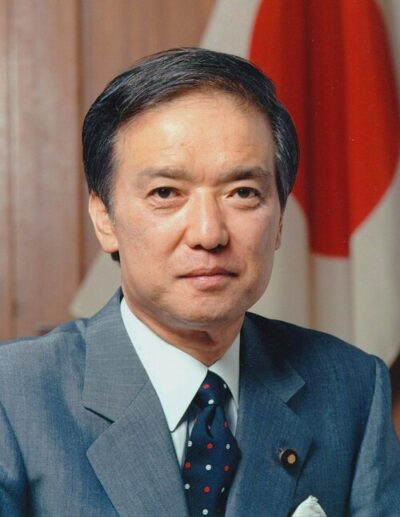 Toshiki KaifuJapanese politician (1931-2022)
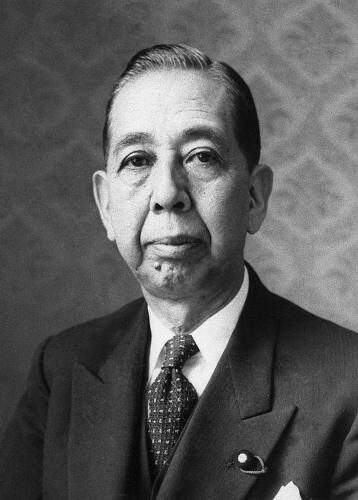 Nobusuke Kishi56th and 57th Prime Minister of Japan (1896–1987)
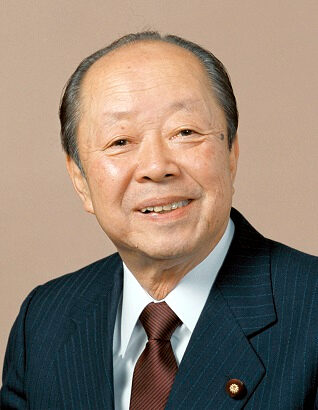 Kiichi Miyazawa78th Prime Minister of Japan (1919–2007)
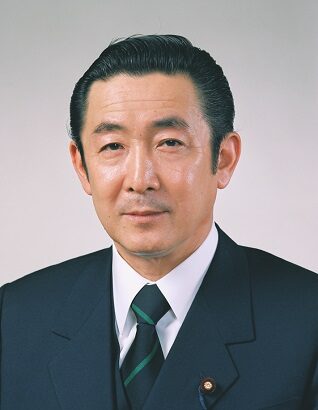 Ryutaro Hashimoto82nd and 83rd Prime Minister of Japan (1937-2006)
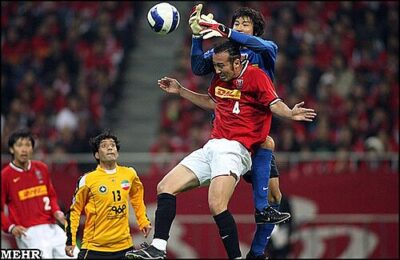 Ryota TsuzukiJapanese association football player
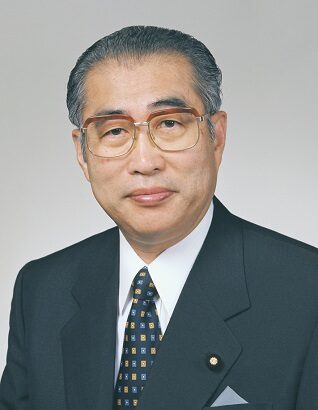 Keizō Obuchi84th Prime Minister of Japan (1937–2000)
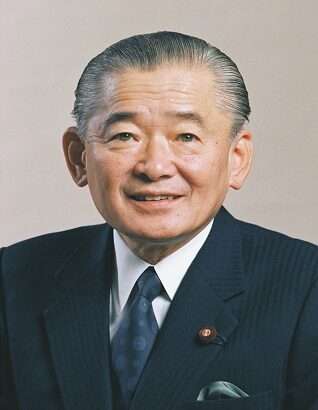 Noboru Takeshita74th Prime Minister of Japan (1924-2000)
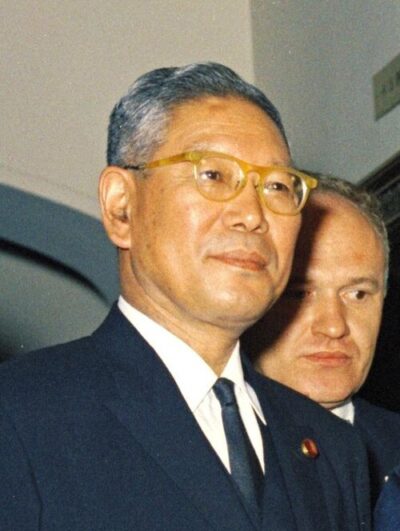 Hayato IkedaPrime Minister of Japan from 1960 to 1964
and 7 more
