

Medal for Merit
Medal for Merit is a former US civilian decoration (1942-1952). It is given by the President of the United States.
- Given by
- President of the United States
- Country
- United States
- Created
- July 20, 1942
All 6 facts, and where they come from
Facts
6 facts · 0 confirmed by two sources · 0 cited · 6 from one source
Where this comes from
Papalocal keeps its own record. It started from these sources; what each one said is kept here as it was copied, so a change on their side never changes this page by itself. Tap one to read its version.
What Wikidata says · copied November 16, 2026 · revision 2340071477
- Described as
- former US civilian decoration (1942-1952)
- Other names
- Presidential Medal for Merit
- What it is
- civil decoration; medal; medal of merit
- Created
- July 20, 1942
- Country
- United States
- Given by
- President of the United States
- Wikipedias with a page
- 12
Wikidata item Q1307005 (wikidata.org/wiki/Q1307005), public domain (CC0). Copied 2026-11-16.
What Wikipedia says · copied November 16, 2026 · revision 1382159280
The Medal for Merit was the highest civilian decoration of the United States in the gift of the president. Created during World War II, it was awarded by the president of the United States to civilians who "distinguished themselves by exceptionally meritorious conduct in the performance of outstanding services" in the war effort "since the proclamation of an emergency by the President on September 8, 1939". Awards to civilians of foreign nations were eligible "only for the performance of exceptionally meritorious or courageous act or acts in furtherance of the war efforts of the United Nations." It was last awarded in 1952.
The medal is made of gold-finished bronze and enamel and is worn on the left chest from a ribbon.
From the Wikipedia article “Medal for Merit” (en.wikipedia.org/wiki/Medal_for_Merit), by its contributors, under CC BY-SA 4.0 (creativecommons.org/licenses/by-sa/4.0/). Copied 2026-11-16; not changed.
Confirmed Two sources agree. Cited One source, and it names where it got it. One source One source, without a reference of its own. Sources disagree The sources disagree. We show the best-supported value and keep theirs below.
Picture: Wikimedia Commons: Medal, decoration (AM 2005.56.1-11).jpg · See Commons file page
People connected 15
Won it
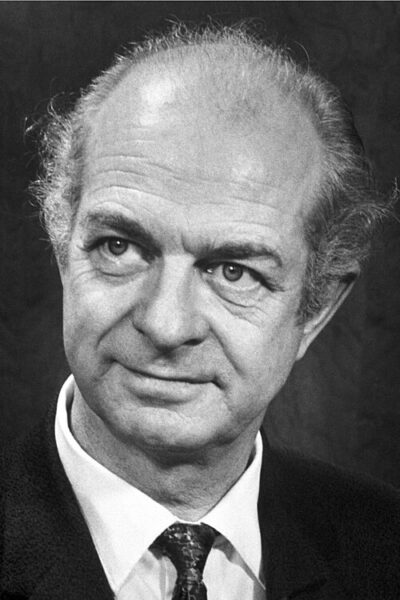 Linus Pauling (1948)American scientist (1901–1994)
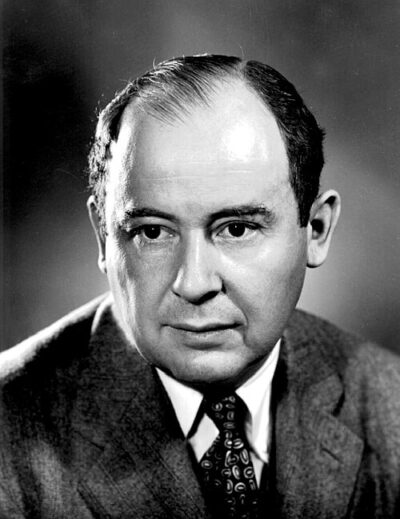 John von Neumann (1947)Hungarian and American mathematician and physicist (1903–1957)
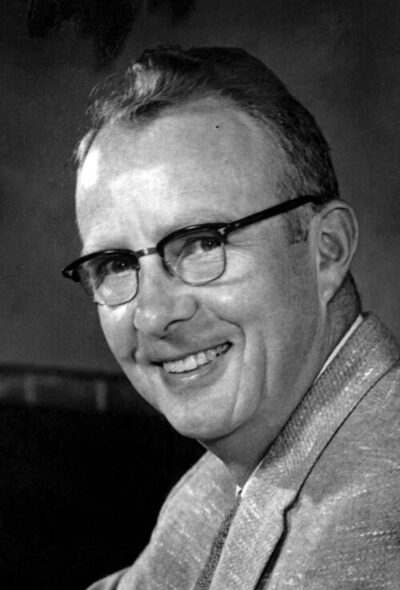 Luis Walter Alvarez (1947)American experimental physicist, inventor, and professor (1911–1988)
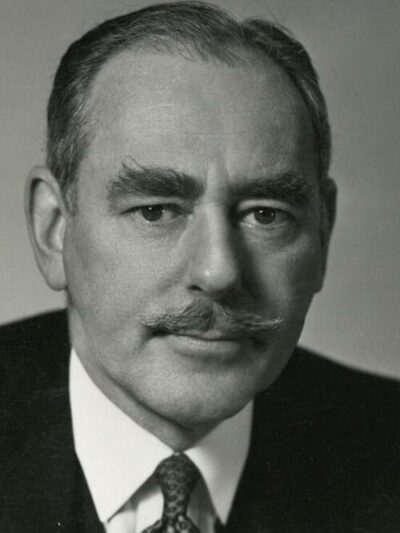 Dean Acheson (1947)American statesman and lawyer (1893-1971)
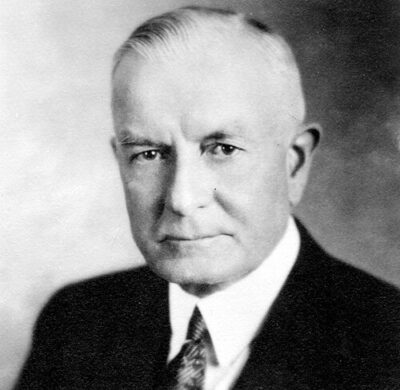 Thomas John Watson, Sr. (1947)USA IBM executive and art collector (1874-1956)
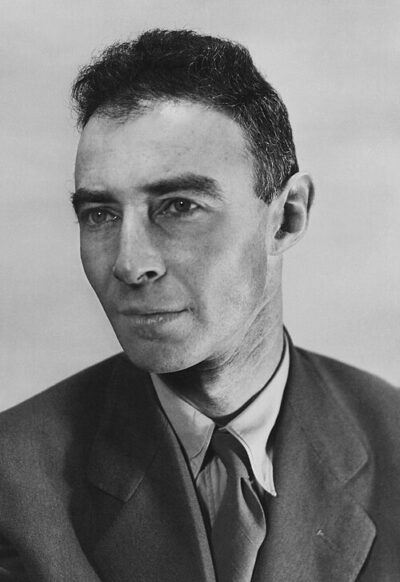 J. Robert Oppenheimer (1946)American theoretical physicist (1904–1967)
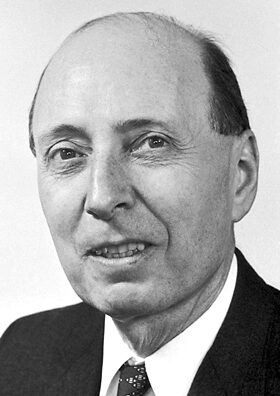 Eugene Paul Wigner (1946)Hungarian-American physicist and mathematician (1902–1995)
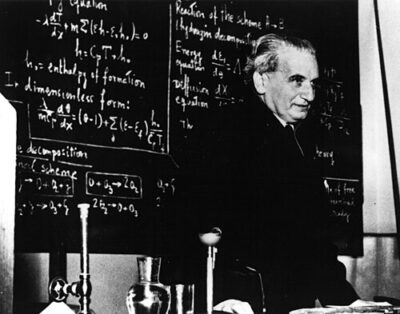 Theodore von Kármán (1946)Hungarian-American mathematician, aerospace engineer and physicist (1881–1963)
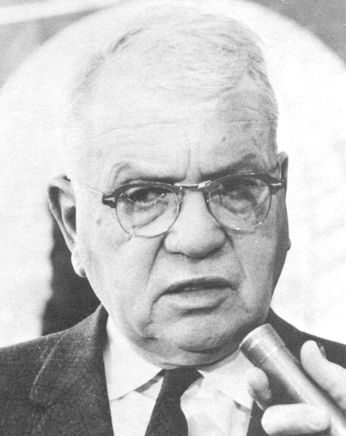 Harold UreyAmerican physical chemist (1893-1981)
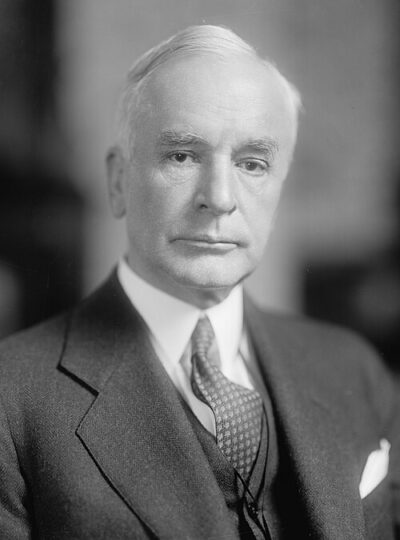 Cordell HullAmerican politician, U.S. Secretary of State from 1933 to 1944
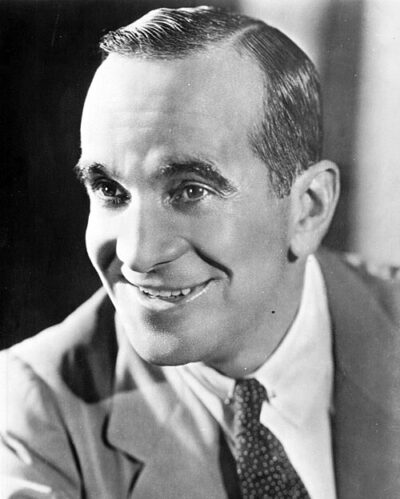 Al JolsonAmerican entertainer, actor, and singer (1886–1950)
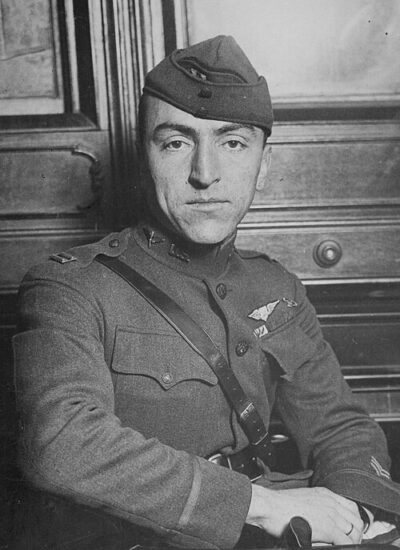 Eddie RickenbackerUnited States Army Medal of Honor recipient (1890–1973)
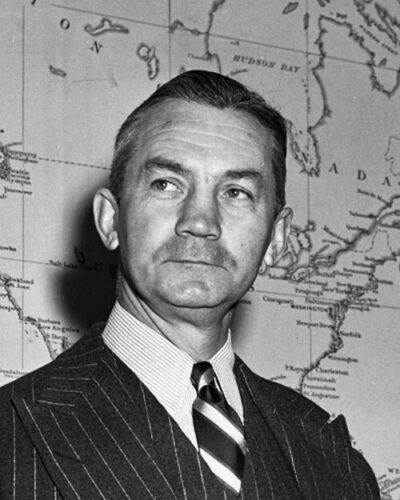 James ForrestalUnited States Navy officer and civil servant, Undersecretary of the Navy (1892-1949)
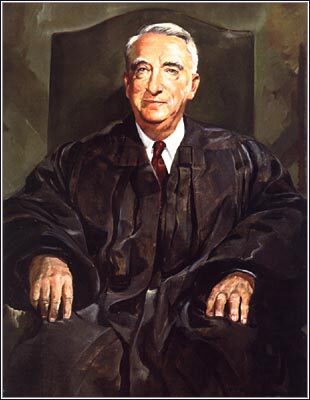 Fred M. Vinsonchief justice of the United States from 1946 to 1953
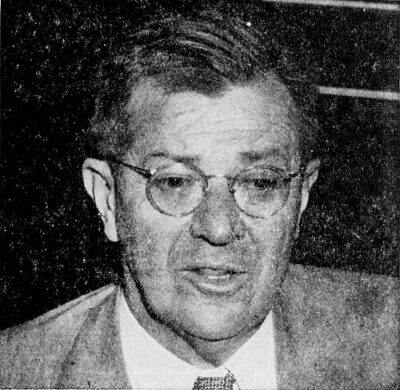 Frederick TermanAmerican electronic engineer (1900-1982)
