
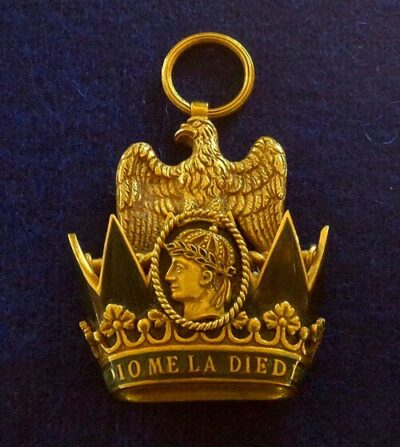
Order of the Iron Crown (Kingdom of Italy)
Order of the Iron Crown (Kingdom of Italy) is an order of merit in the Napoleonic Kingdom of Italy in three classes (1805–1814).
- Country
- Kingdom of Italy (1805–1814)
- Created
- June 5, 1805
All 4 facts, and where they come from
Facts
4 facts · 0 confirmed by two sources · 0 cited · 4 from one source
Where this comes from
Papalocal keeps its own record. It started from these sources; what each one said is kept here as it was copied, so a change on their side never changes this page by itself. Tap one to read its version.
What Wikidata says · copied November 16, 2026 · revision 2569510455
- Described as
- order of merit in the Napoleonic Kingdom of Italy in three classes (1805–1814)
- Other names
- Napoleonic order of the Iron Crown
- What it is
- order; order of merit
- Created
- June 5, 1805 · 1 reference
- Country
- Kingdom of Italy (1805–1814)
- Wikipedias with a page
- 12
Wikidata item Q694151 (wikidata.org/wiki/Q694151), public domain (CC0). Copied 2026-11-16.
What Wikipedia says · copied November 16, 2026 · revision 1350172976
The Order of the Iron Crown (Italian: Ordine della Corona Ferrea) was an order of merit that was established on 5 June 1805 in the Kingdom of Italy by Napoleon Bonaparte under his title of Napoleone I, King of Italy.
The order took its name from the ancient Iron Crown of Lombardy, a medieval jewel with what was thought to be an iron ring, later shown to be of silver, forged from what was supposed to be a nail from the True Cross as a band on the inside. This crown also gave its name to the Order of the Crown of Italy, which was established in 1868.
After the fall of the Napoleonic Kingdom of Italy in 1814, the order was re-established in 1815 by the Emperor of Austria, Francis I, as the Austrian Imperial Order of the Iron Crown.
From the Wikipedia article “Order of the Iron Crown (Kingdom of Italy)” (en.wikipedia.org/wiki/Order_of_the_Iron_Crown_(Kingdom_of_Italy)), by its contributors, under CC BY-SA 4.0 (creativecommons.org/licenses/by-sa/4.0/). Copied 2026-11-16; not changed.
Confirmed Two sources agree. Cited One source, and it names where it got it. One source One source, without a reference of its own. Sources disagree The sources disagree. We show the best-supported value and keep theirs below.
Picture: Borodun, via Wikimedia Commons · CC BY-SA 4.0
People connected 35
Won it 35
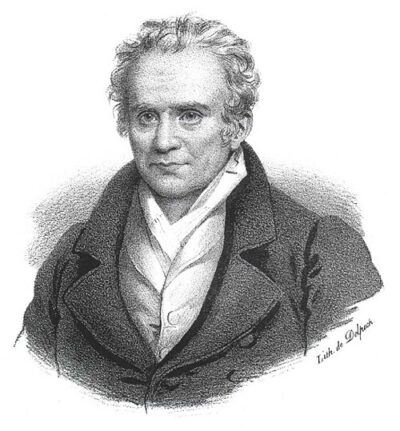 Gaspard Monge (1805)French mathematician, inventor of descriptive geometry and father of differential geometry (1746-1818)
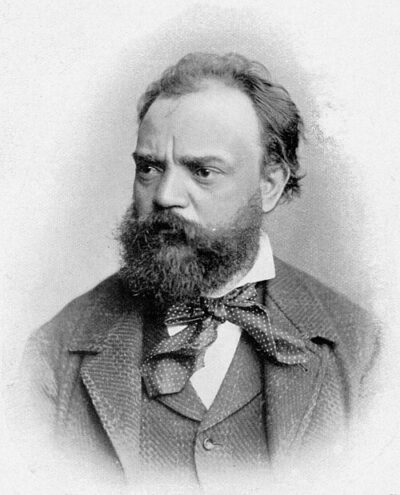 Antonín DvořákCzech composer (1841–1904)
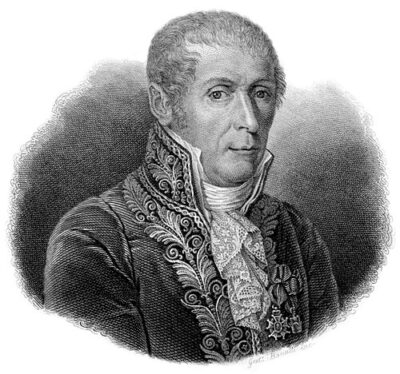 Alessandro VoltaItalian chemist and physicist (1745–1827)
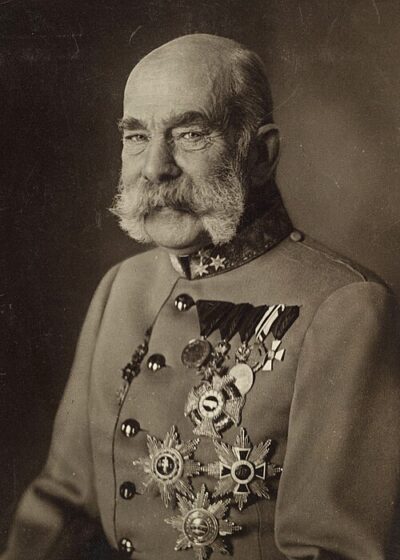 Franz Joseph I of AustriaEmperor of Austria and King of Hungary (1830–1916)
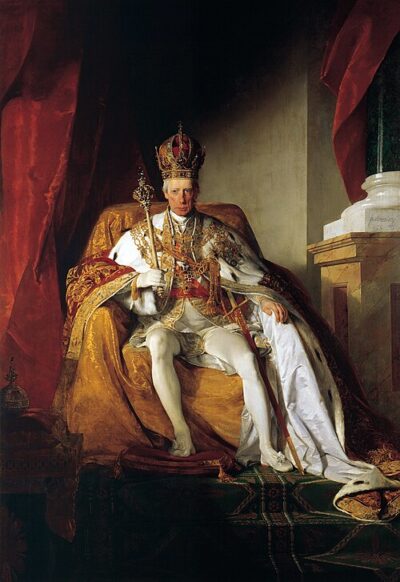 Francis II, Holy Roman Emperoralso known as Francis I, Emperor of Austria (1768-1835)
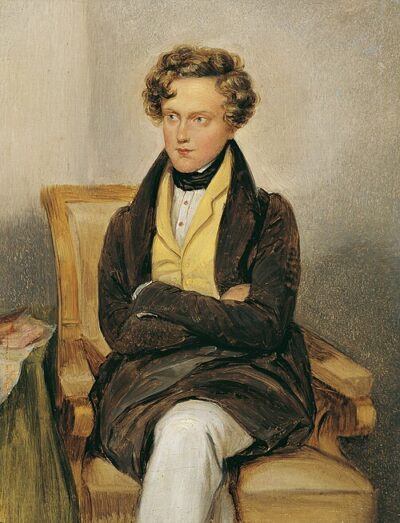 Napoleon IIThe second Emperor of the French (1815)
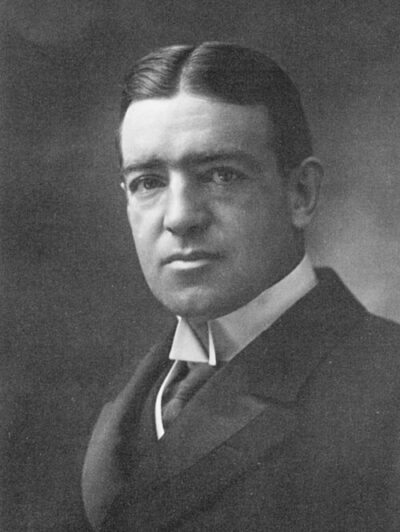 Ernest ShackletonAnglo-Irish Antarctic explorer (1874–1922)
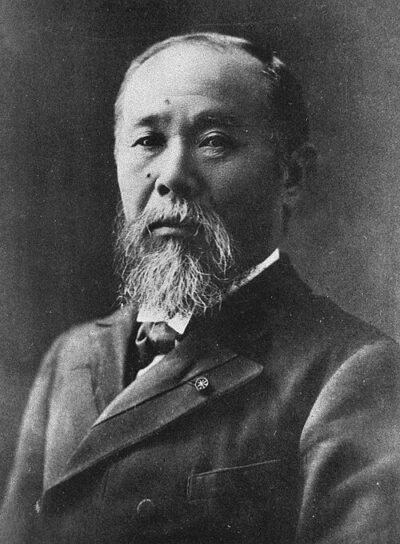 Itō Hirobumi1st, 5th, 7th and 10th Prime Minister of Japan (1841–1909)
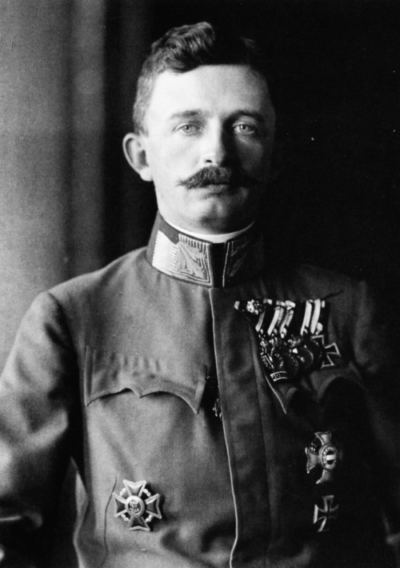 Charles I of AustriaLast monarch of Austria-Hungary (r. 1916–1918)
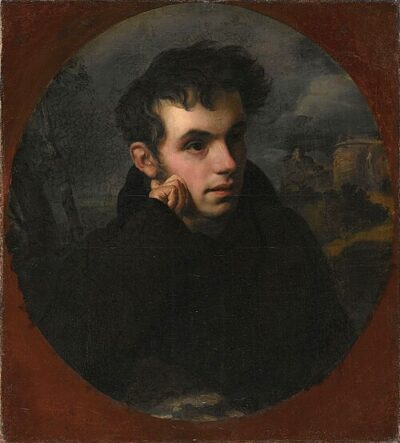 Vasily ZhukovskyRussian poet (1783-1852)
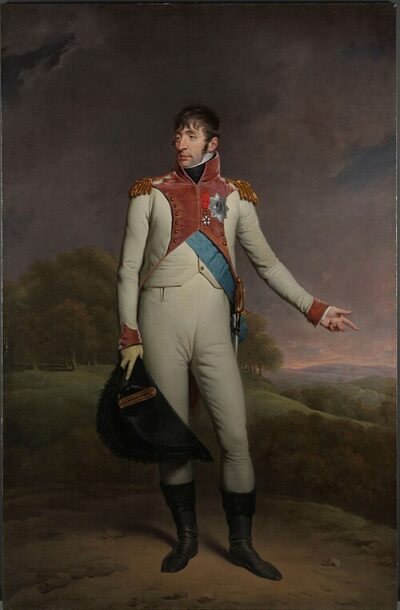 Louis Bonaparteking of Holland, brother of Napoleon Bonaparte, member of the House of Buonaparte (1778-1846)
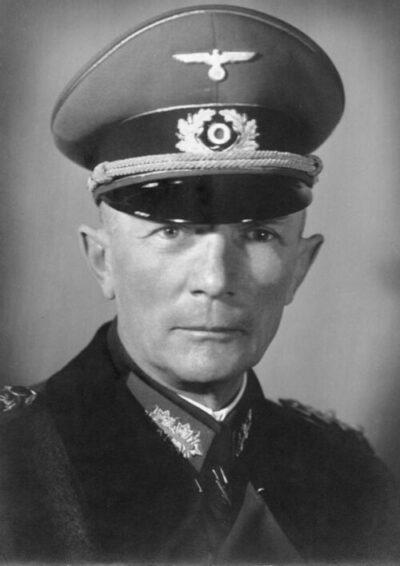 Fedor von BockGerman field marshal (1880–1945)
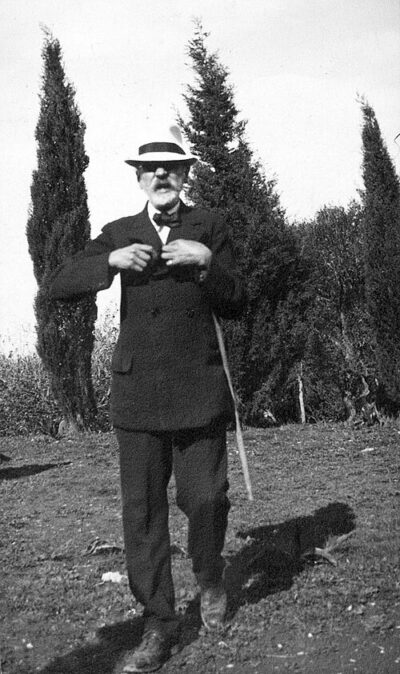 Axel MuntheSwedish physician (1857-1949)
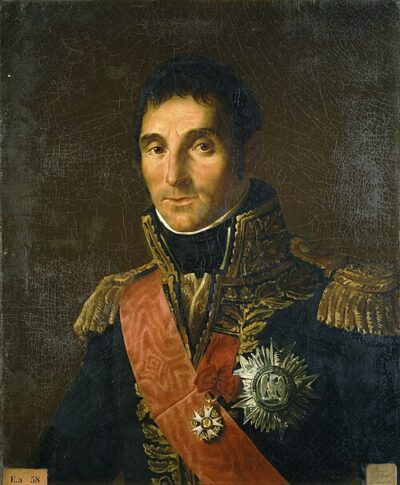 André MassénaFrench military commander during the Revolutionary and Napoleonic Wars (1758-1817)
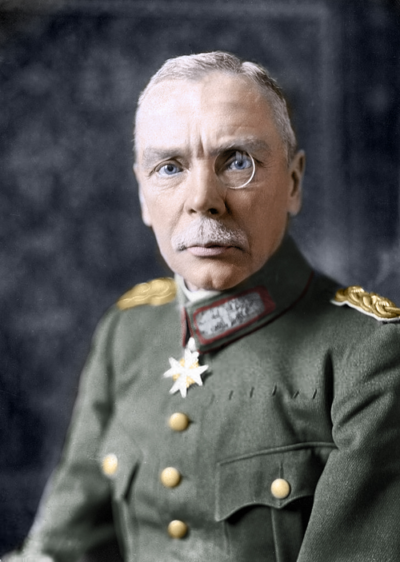 Hans von SeecktGerman general (1866-1936)
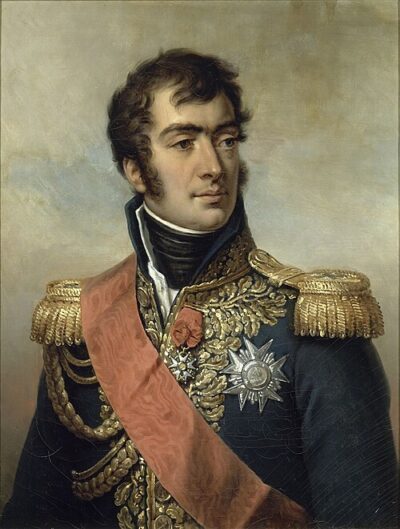 Auguste de MarmontFrench General, nobleman and Marshal of France (1774-1852)
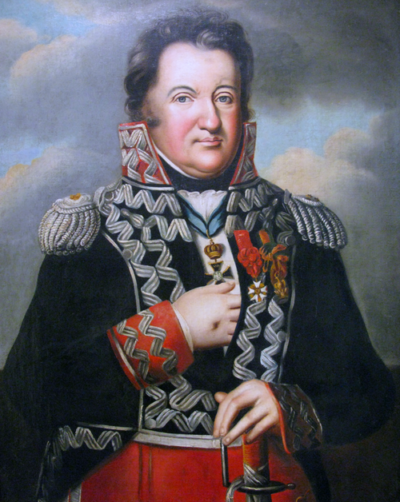 Jan Henryk DąbrowskiPolish general (1755-1818)
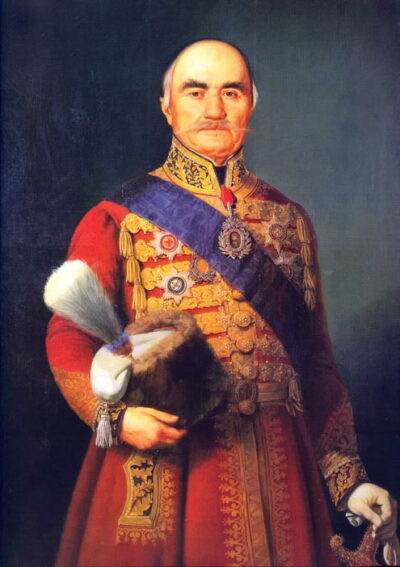 Miloš Obrenović IPrince of Serbia
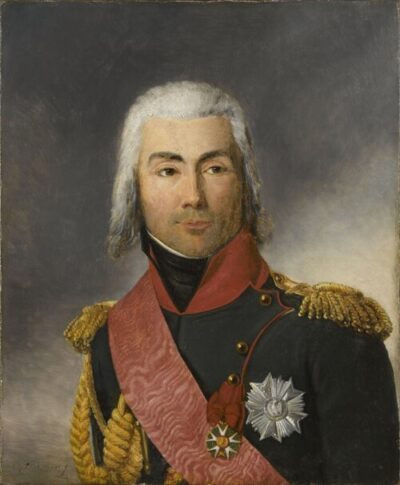 Jean-Baptiste BessièresMarshal of France (1768-1813)
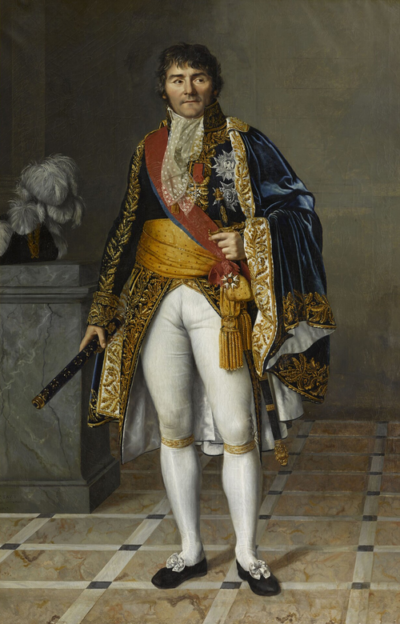 François Joseph LefebvreMarshal of France (1755-1820)
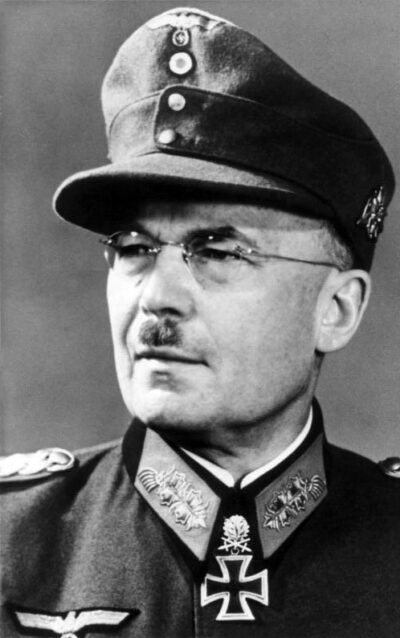 Lothar RendulicGerman general (1887-1971)
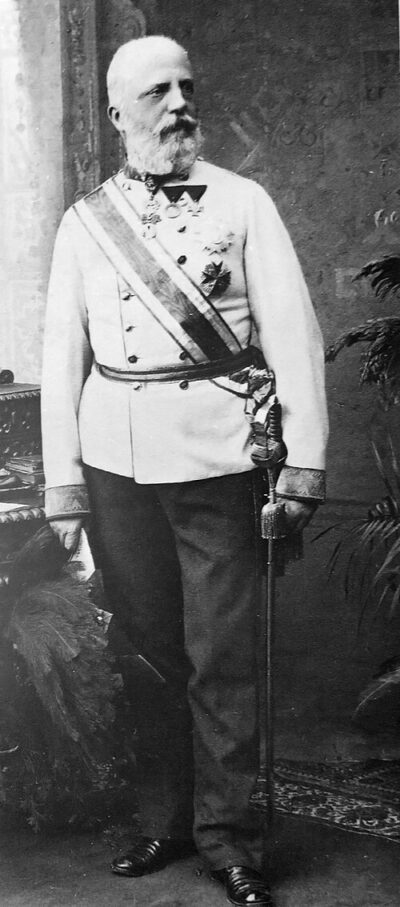 Ferdinand IV, Grand Duke of TuscanyGrand Duke of Tuscany (1835-1908)
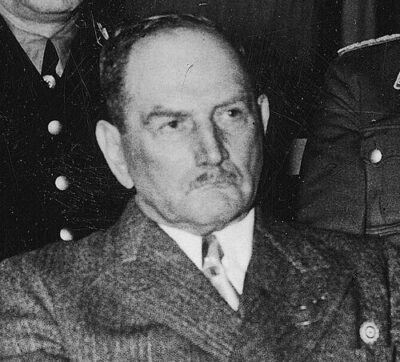 Franz Ritter von EppGerman general and politician (1868–1946)
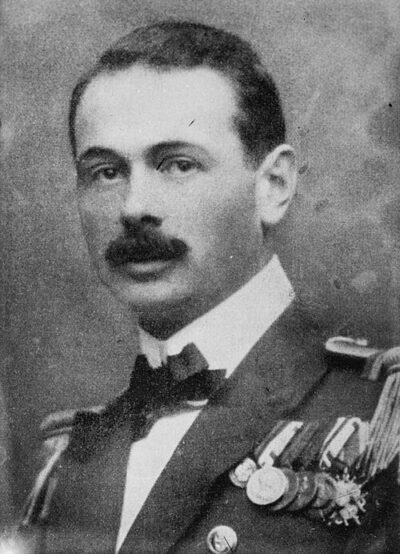 Georg von TrappTrapp family's father (1880–1947)
and 11 more
