

Order of the Thistle
Order of the Thistle is an order of chivalry associated with Scotland. It was created in 1687 by James II of England. It is given by the Monarch of the United Kingdom.
- Given by
- Monarch of the United Kingdom
- Country
- United Kingdom
- Created
- 1687
All 6 facts, and where they come from
Facts
6 facts · 0 confirmed by two sources · 0 cited · 6 from one source
Where this comes from
Papalocal keeps its own record. It started from these sources; what each one said is kept here as it was copied, so a change on their side never changes this page by itself. Tap one to read its version.
What Wikidata says · copied November 17, 2026 · revision 2535861277
- Described as
- order of chivalry associated with Scotland
- Other names
- Most Ancient and Most Noble Order of the Thistle
- What it is
- orders, decorations, and medals of the United Kingdom · 1 reference
- Created
- 1687 · 1 reference
- Founded by
- James II of England · 1 reference
- Country
- United Kingdom · 1 reference
- Given by
- Monarch of the United Kingdom
- Named after
- thistle · 1 reference
- Wikipedias with a page
- 34
Wikidata item Q721030 (wikidata.org/wiki/Q721030), public domain (CC0). Copied 2026-11-17.
What Wikipedia says · copied November 17, 2026 · revision 1385442044
The Most Ancient and Most Noble Order of the Thistle is an order of chivalry associated with Scotland. The current version of the order was founded in 1687 by King James VII of Scotland, who asserted that he was reviving an earlier order. The order consists of the sovereign and sixteen knights and ladies, as well as certain "extra" knights (members of the British royal family and foreign monarchs). The sovereign alone grants membership of the order; they are not advised by the government, as occurs with most other orders.
The order's primary emblem is the thistle, the national flower of Scotland. The motto is Nemo me impune lacessit (Latin for "No one provokes me with impunity"). The same motto appears on the Royal coat of arms of the United Kingdom for use in Scotland and pound coins minted in 1984, 1989, 1994, and 1999 (since withdrawn), and is also the motto of the Royal Scots Dragoon Guards, the Scots Guards, the Royal Regiment of Scotland, and the Black Watch (Royal Highland Regiment) of Canada. The patron saint of the order is St Andrew.
Most British orders of chivalry cover the whole United Kingdom, but the three most exalted ones each pertain to one constituent country only. The Order of the Thistle, which pertains to Scotland, is the second most senior in precedence. Its equivalent in England, the Most Noble Order of the Garter, is the oldest documented order of chivalry in the United Kingdom, dating to the middle fourteenth century. In 1783 an Irish equivalent, the Most Illustrious Order of St Patrick, was founded, but it is now dormant.
From the Wikipedia article “Order of the Thistle” (en.wikipedia.org/wiki/Order_of_the_Thistle), by its contributors, under CC BY-SA 4.0 (creativecommons.org/licenses/by-sa/4.0/). Copied 2026-11-17; not changed.
Confirmed Two sources agree. Cited One source, and it names where it got it. One source One source, without a reference of its own. Sources disagree The sources disagree. We show the best-supported value and keep theirs below.
Picture: Wikimedia Commons: Insignia of Knight of the Thistle.png · See Commons file page
People connected 16
Won it
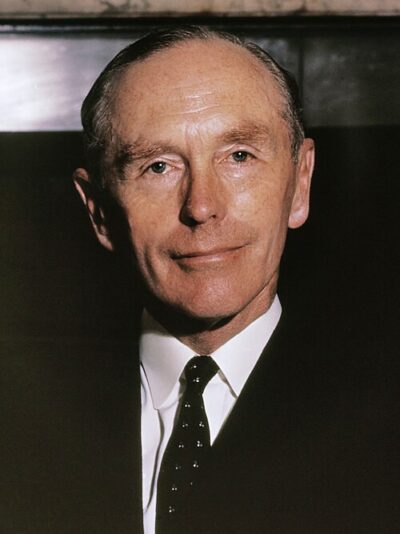 Alec Douglas-Home (1962–)Prime Minister of the United Kingdom from 1963 to 1964
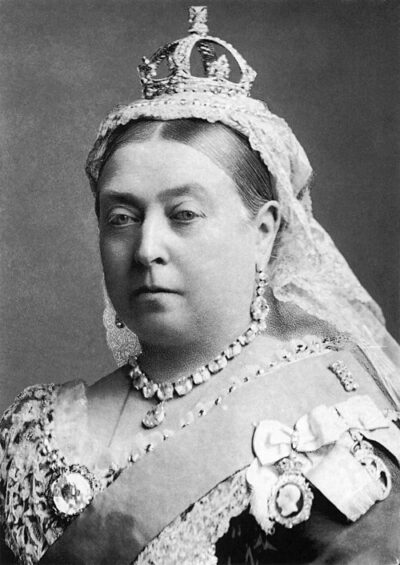 VictoriaQueen of the United Kingdom from 1837 to 1901 (1819–1901)
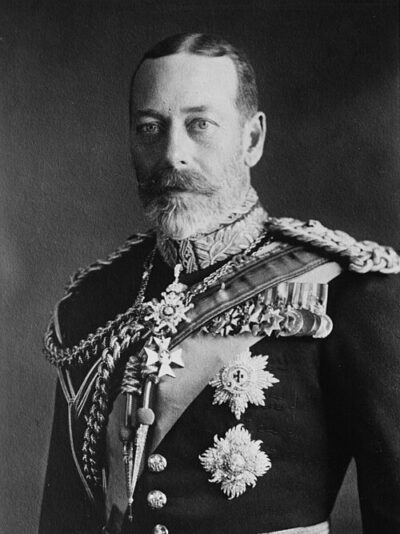 George VKing of the United Kingdom from 1910 to 1936
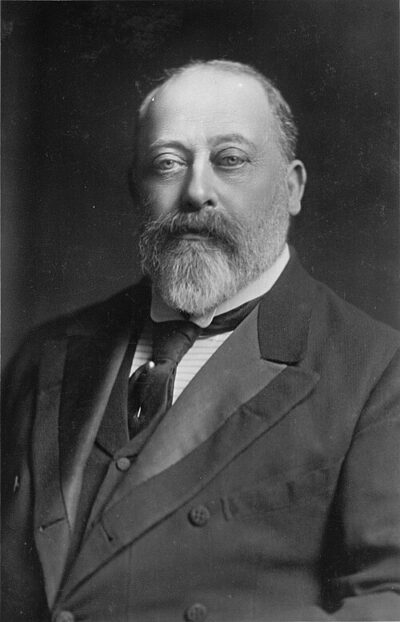 Edward VIIKing of the United Kingdom from 1901 to 1910
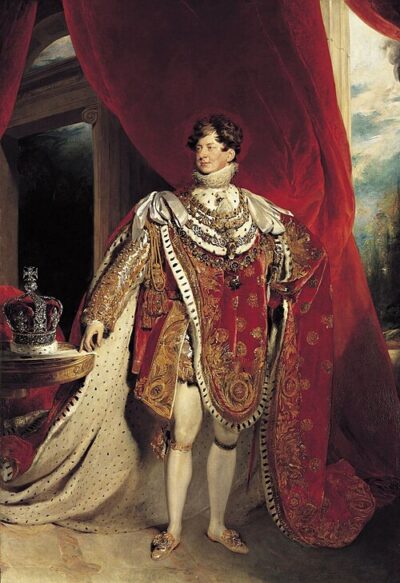 George IV of the United KingdomKing of the United Kingdom and Hanover from 1820 to 1830
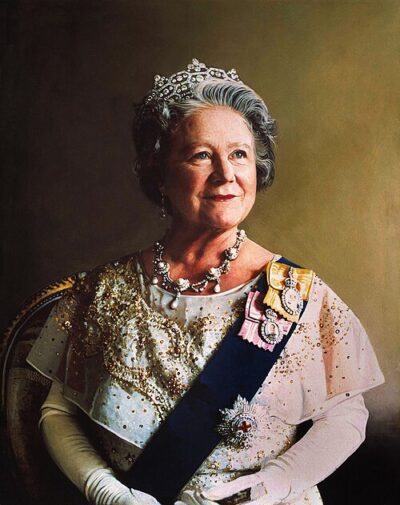 Queen Elizabeth the Queen MotherQueen consort of the United Kingdom from 1936 to 1952 (1900–2002)
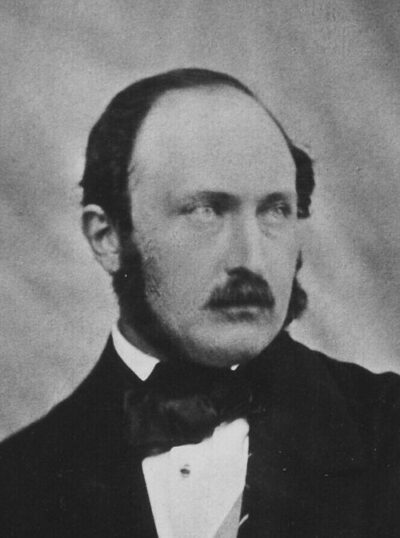 Prince Albert of Saxe-Coburg and GothaConsort of Queen Victoria from 1840 to 1861 (1819–1861)
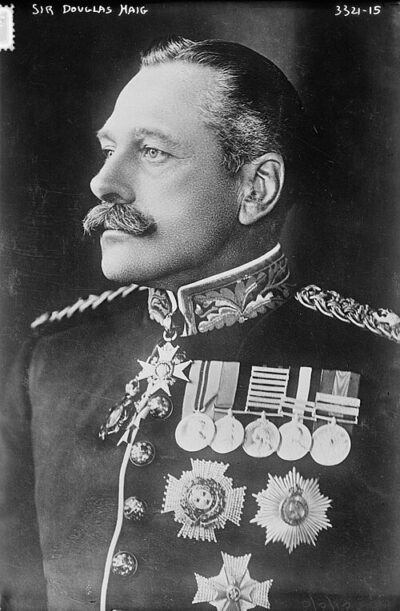 Douglas Haig, 1st Earl HaigBritish senior officer during the First World War (1861-1928)
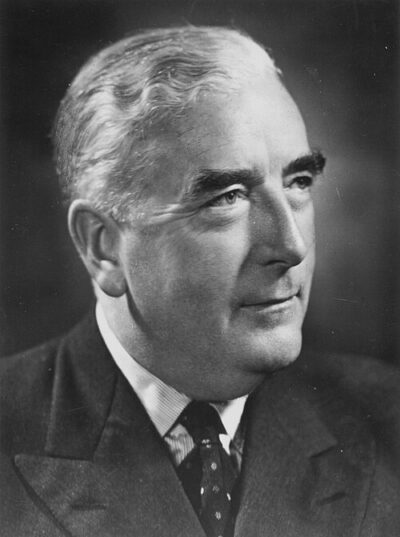 Robert MenziesAustralian politician, 12th Prime Minister of Australia (1894-1978)
 Miguel I of PortugalKing of Portugal from 1828 to 1834
 Alfred, Duke of Saxe-Coburg and GothaDuke of Saxe-Coburg and Gotha from 1893 to 1900 (1844–1900)
 Prince George, Duke of KentRoyal Navy admiral (1902–1942), member of the House of Windsor
 Prince Henry, Duke of GloucesterBritish soldier (1900–1974), Governor-General of Australia from 1945 to 1947
 Prince Augustus Frederick, Duke of SussexBritish prince (1773–1843)
 James Broun-Ramsay, 1st Marquess of DalhousieScottish politician and civil servant (1812–1860)
 Claude Bowes-Lyon, 14th Earl of Strathmore and KinghorneBritish aristocrat (1855-1944); father of Queen Elizabeth The Queen Mother; maternal grandfather of Elizabeth II
