

Paul Ehrlich and Ludwig Darmstaedter Prize
Paul Ehrlich and Ludwig Darmstaedter Prize is a science award. It was created in 1952. It is given by the Paul-Ehrlich Foundation.
- Given by
- Paul-Ehrlich Foundation
- Country
- Germany
- Created
- 1952
All 7 facts, and where they come from
Facts
7 facts · 0 confirmed by two sources · 0 cited · 7 from one source
Where this comes from
Papalocal keeps its own record. It started from these sources; what each one said is kept here as it was copied, so a change on their side never changes this page by itself. Tap one to read its version.
What Wikidata says · copied November 16, 2026 · revision 2566530856
- Described as
- award
- What it is
- science award
- Created
- 1952
- Country
- Germany
- Given by
- Paul-Ehrlich Foundation
- Named after
- Paul Ehrlich; Ludwig Darmstaedter
- Official website
- https://www.uni-frankfurt.de/34854380/Paul_Ehrlich_Stiftung
- Wikipedias with a page
- 10
Wikidata item Q458338 (wikidata.org/wiki/Q458338), public domain (CC0). Copied 2026-11-16.
What Wikipedia says · copied November 16, 2026 · revision 1375071415
The Paul Ehrlich and Ludwig Darmstaedter Prize is an annual award bestowed by the Paul Ehrlich Foundation since 1952 for research in medicine. It carries a monetary prize of 120,000 Euro. The prize ceremony is traditionally held on 14 March, the birthday of Nobel laureate Paul Ehrlich, in St. Paul's Church, Frankfurt am Main. The other namesake is Ludwig Darmstaedter.
Researchers from countries worldwide are awarded in the following fields of medicine: Immunology, Cancer research, Haematology, Microbiology and experimental and clinical Chemotherapy.
The prize is one of the highest endowed and internationally distinguished awards in medicine that is based in Germany.
From the Wikipedia article “Paul Ehrlich and Ludwig Darmstaedter Prize” (en.wikipedia.org/wiki/Paul_Ehrlich_and_Ludwig_Darmstaedter_Prize), by its contributors, under CC BY-SA 4.0 (creativecommons.org/licenses/by-sa/4.0/). Copied 2026-11-16; not changed.
Confirmed Two sources agree. Cited One source, and it names where it got it. One source One source, without a reference of its own. Sources disagree The sources disagree. We show the best-supported value and keep theirs below.
Picture: Wikimedia Commons: Michael Reth 2014-02.JPG · See Commons file page
People connected 30
Won it 30
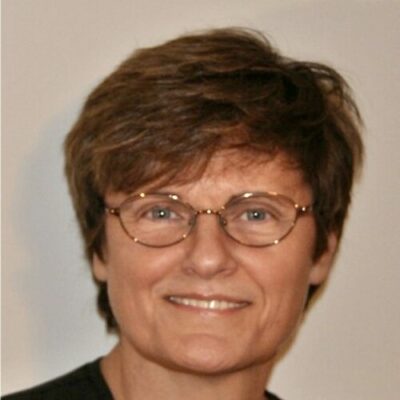 Katalin Karikó (2022)Hungarian biochemist
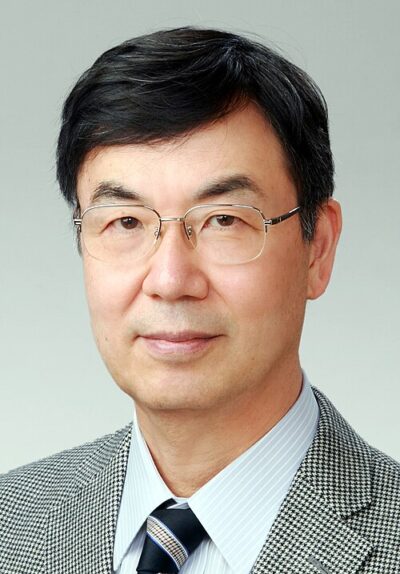 Shimon Sakaguchi (2020)Japanese immunologist and physician (1951-)
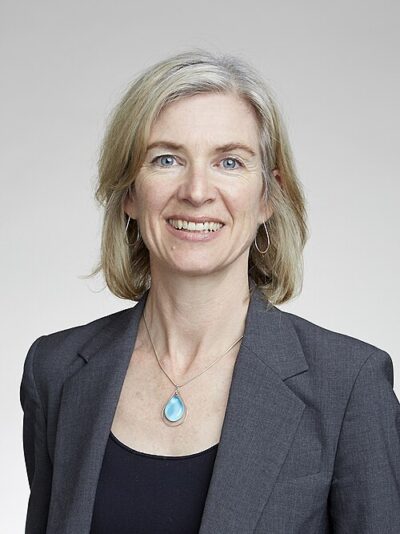 Jennifer Doudna (2016)American biochemist
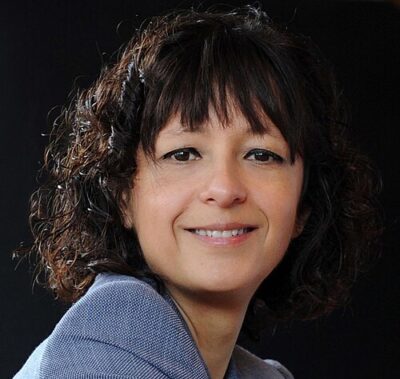 Emmanuelle Charpentier (2016)French microbiologist and biochemist (born 1968)
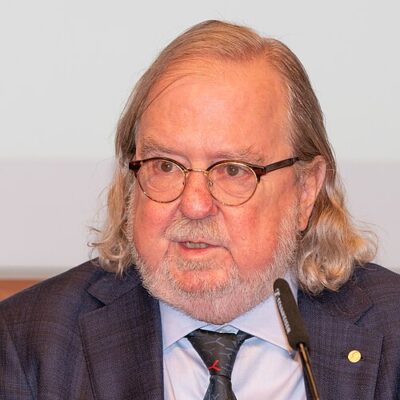 James P. Allison (2015)American immunologist and Nobel laureate (born 1948)
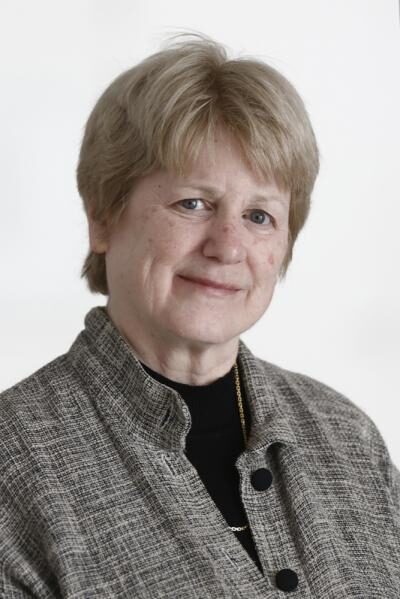 Mary-Claire King (2013)American geneticist
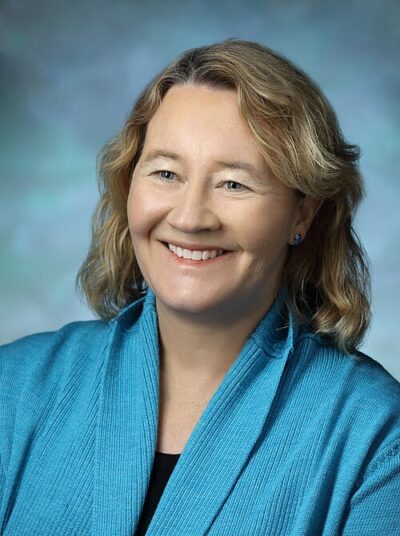 Carol Greider (2009)American molecular biologist
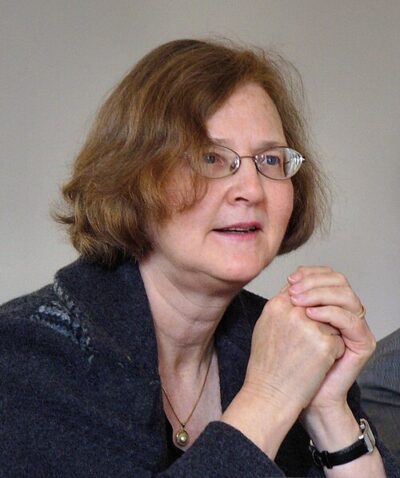 Elizabeth Blackburn (2009)Australian-American biological researcher
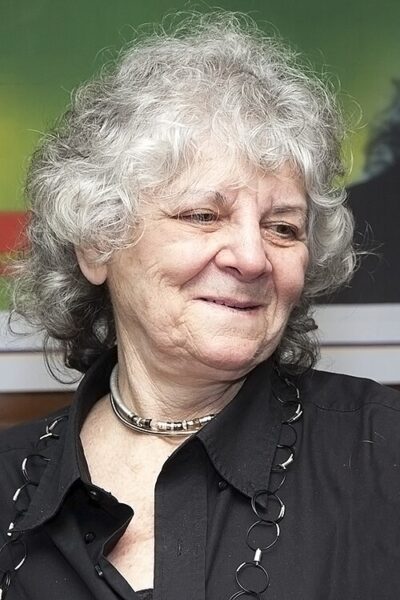 Ada Yonath (2007)Israeli structural biologist and Nobel laureate (1939–2026)
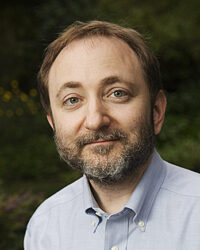 Andrew Fire (2006)American biologist
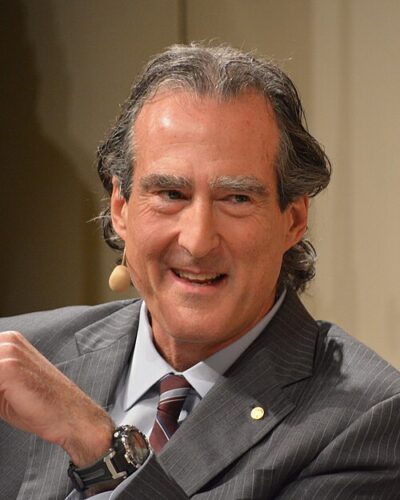 Craig Mello (2006)American biologist
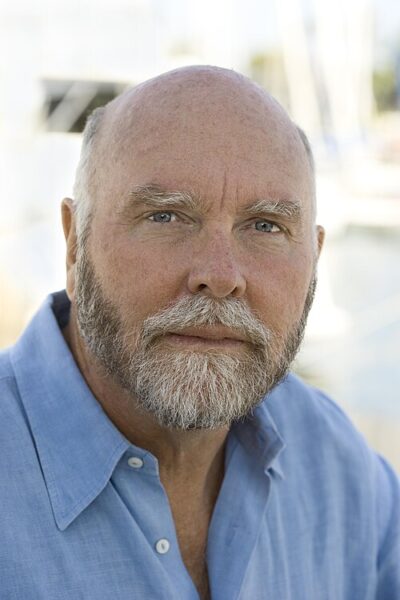 Craig Venter (2002)American biotechnologist and businessman (1946–2026)
- HH. Robert Horvitz (2000)American biologist
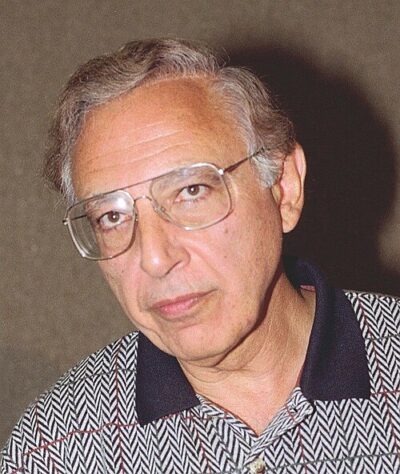 Robert Gallo (1999)American biomedical researcher
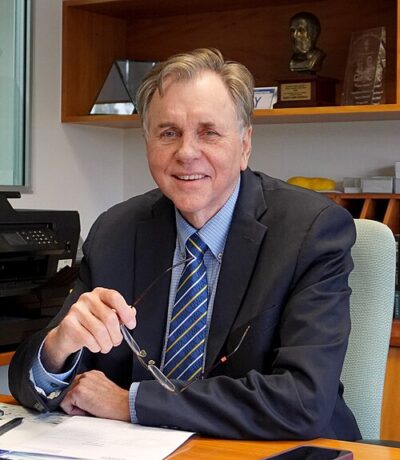 Barry Marshall (1997)Nobel Prize winner, and Professor of Clinical Microbiology
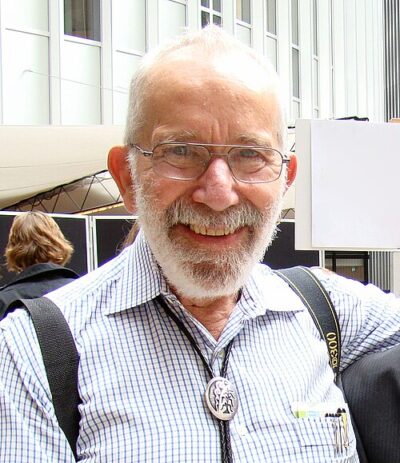 Robin Warren (1997)Australian microbiologist and Nobel Laureate (1937–2024)
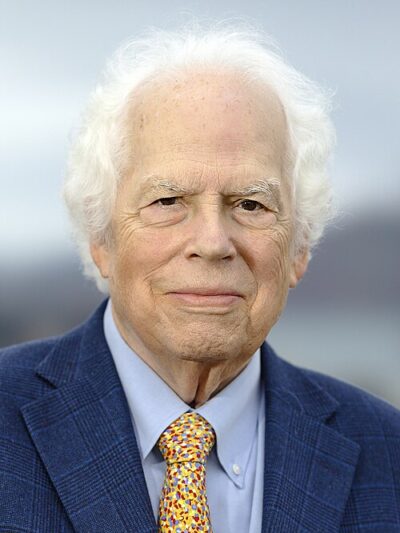 Stanley B. Prusiner (1995)American neurologist and biochemist
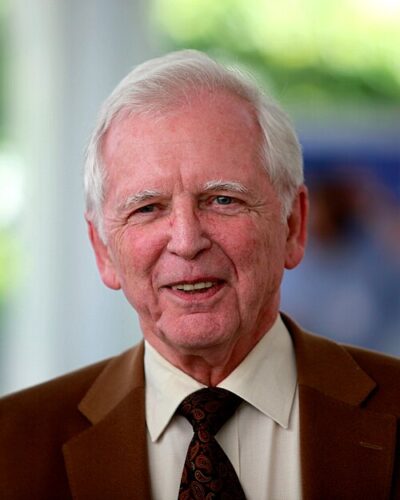 Harald zur Hausen (1994)German virologist and professor emeritus (1936–2023)
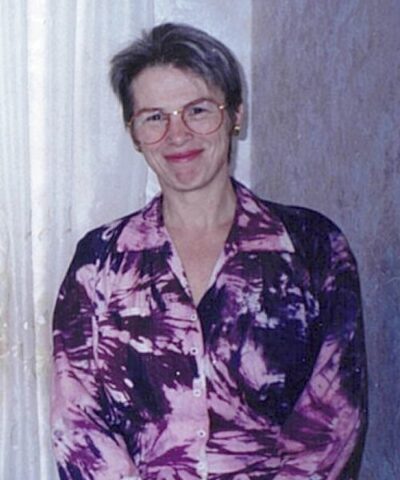 Philippa Marrack (1993)United States-based English biologist and immunologist
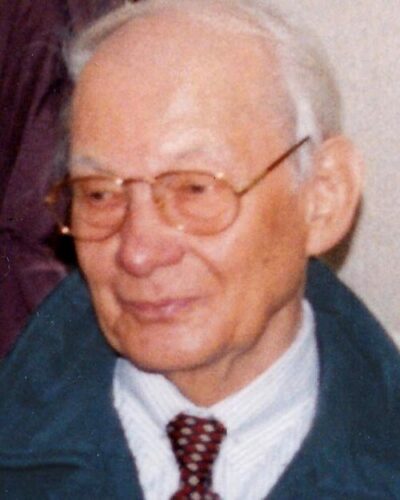 Manfred Eigen (1992)German biophysical chemist (1927-2019)
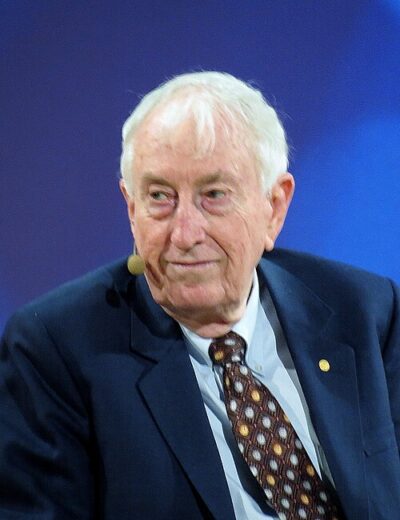 Peter C. Doherty (1983)Australian immunologist
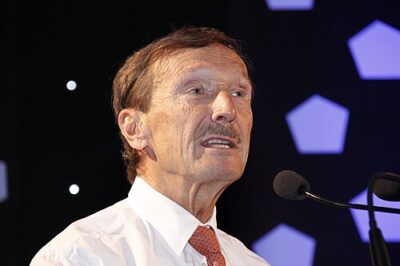 Rolf M. Zinkernagel (1983)Swiss immunologist (born 1944)
 Niels Kaj Jerne (1982)Danish immunologist
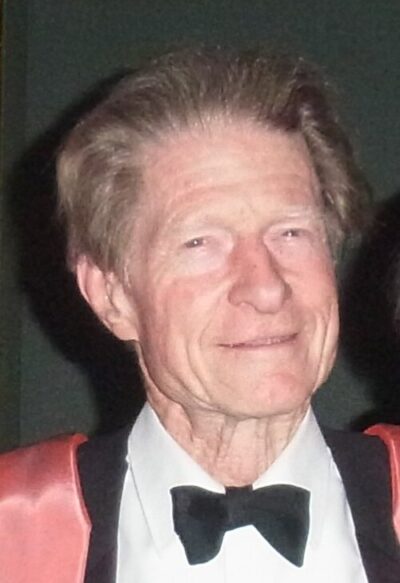 John Gurdon (1977)British developmental biologist (1933–2025)
and 6 more
