
President pro tempore of the United States Senate
The President pro tempore of the United States Senate is a second-highest-ranking official of the United States Senate. It was created in 1789.
- Office of
- United States
- Country
- United States
- Created
- March 4, 1789
All 5 facts, and where they come from
Facts
5 facts · 0 confirmed by two sources · 0 cited · 5 from one source
Where this comes from
Papalocal keeps its own record. It started from these sources; what each one said is kept here as it was copied, so a change on their side never changes this page by itself. Tap one to read its version.
What Wikidata says · copied November 16, 2026 · revision 2569355707
- Described as
- second-highest-ranking official of the United States Senate
- Other names
- President pro tempore, president pro tem, President pro tem
- What it is
- position
- Created
- March 4, 1789
- Country
- United States
- Office of
- United States
- Official website
- https://www.senate.gov/reference/Index/President_Pro_Tempore.htm
- Wikipedias with a page
- 31
Wikidata item Q1140848 (wikidata.org/wiki/Q1140848), public domain (CC0). Copied 2026-11-16.
What Wikipedia says · copied November 16, 2026 · revision 1385909996
The president pro tempore of the United States Senate (often shortened to president pro tem) is the second-highest-ranking official of the United States Senate, after the vice president. According to Article One, Section Three of the United States Constitution, the vice president of the United States is the president of the Senate (despite not being a senator), and the Senate must choose a president pro tempore to act in the vice president's absence.
The president pro tempore is elected by the Senate as a whole, usually by a resolution which is adopted by unanimous consent without a formal vote. The Constitution does not specify who can serve in this position, but the Senate has always elected one of its current members. Unlike the vice president, the president pro tempore cannot cast a tie-breaking vote when the Senate is evenly divided. The president pro tempore has had many privileges and some limited powers.
During the vice president's absence, the president pro tempore is empowered to preside over Senate sessions. Except when necessary or to highlight important votes, the vice president and the president pro tempore rarely preside; instead, the duty of presiding officer is rotated among junior U.S. senators of the majority party to give them experience in parliamentary procedure.
Since 1945, the most senior U.S. senator in the majority party has generally (though not always) been chosen to be president pro tempore and holds the office continuously until the election of another. Since the enactment of the current Presidential Succession Act in 1947, the president pro tempore is third in the presidential line of succession, after the vice president and the speaker of the House of Representatives. The current president pro tempore of the U.S. Senate is Chuck Grassley.
From the Wikipedia article “President pro tempore of the United States Senate” (en.wikipedia.org/wiki/President_pro_tempore_of_the_United_States_Senate), by its contributors, under CC BY-SA 4.0 (creativecommons.org/licenses/by-sa/4.0/). Copied 2026-11-16; not changed.
Confirmed Two sources agree. Cited One source, and it names where it got it. One source One source, without a reference of its own. Sources disagree The sources disagree. We show the best-supported value and keep theirs below.
People connected 30
Held this office 30
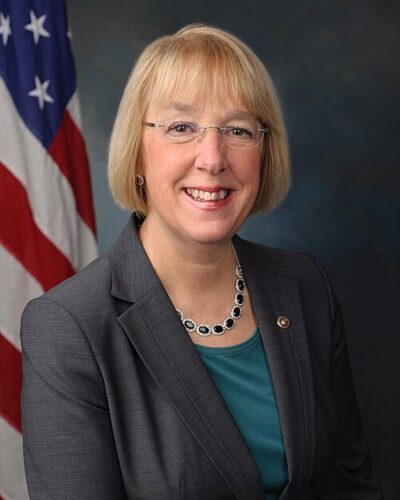 Patty Murray (2023–)United States Senator from Washington since 2013
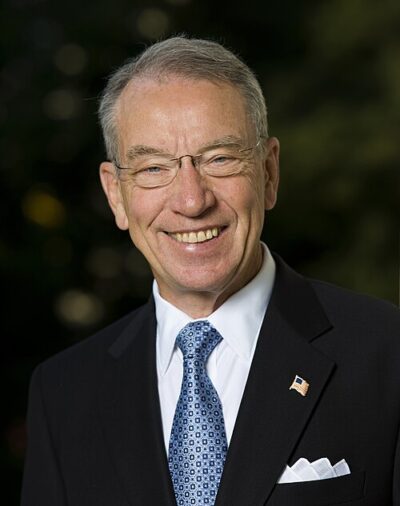 Chuck Grassley (2019–2021)United States Senator from Iowa since 1981
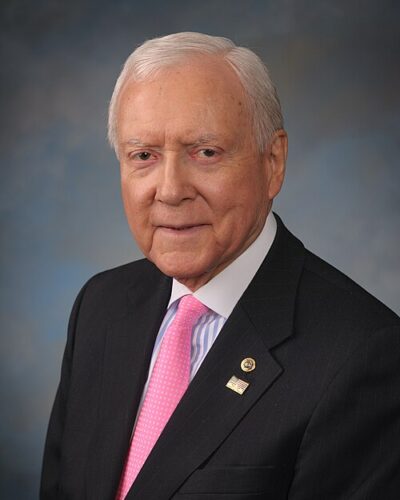 Orrin Hatch (2015–2019)American politician (1934–2022) – Former United States Senator and Former President Pro Tempore of the United States Senate (2015-2019)
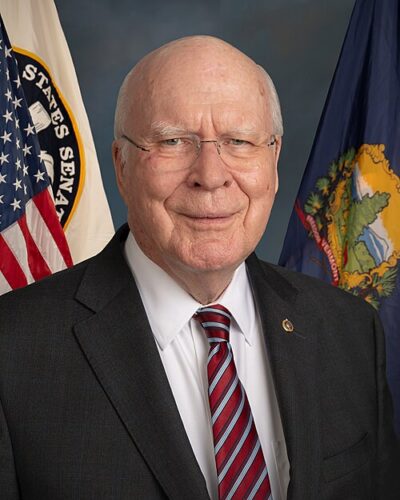 Patrick Leahy (2012–2023)American politician and lawyer (born 1940)
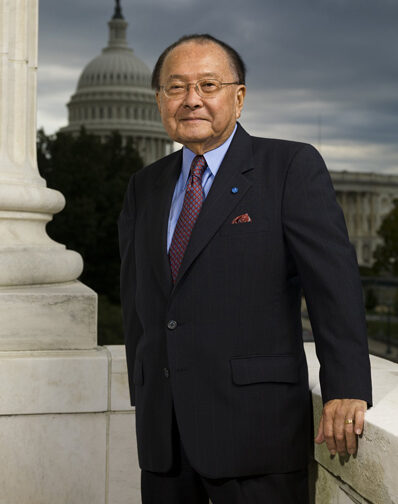 Daniel Inouye (2010–2012)United States Senator from Hawaii (1924–2012)
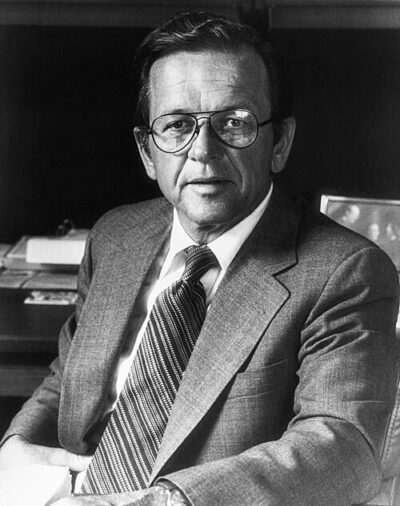 Ted Stevens (2003–2007)American politician (1923–2010)
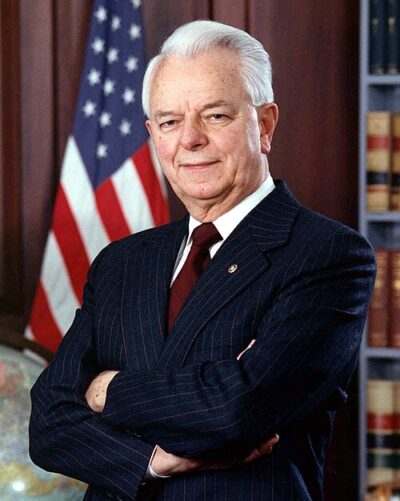 Robert Byrd (1989–2010)American politician (1917–2010)
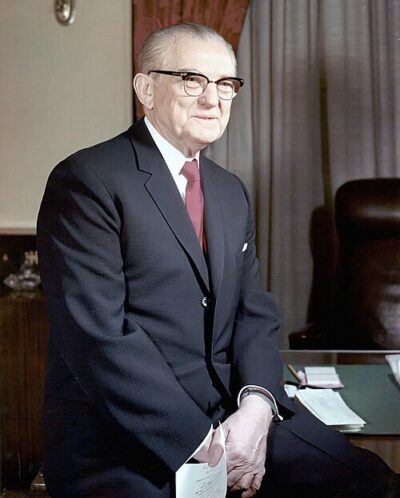 John C. Stennis (1987–1989)American politician (1901-1995)
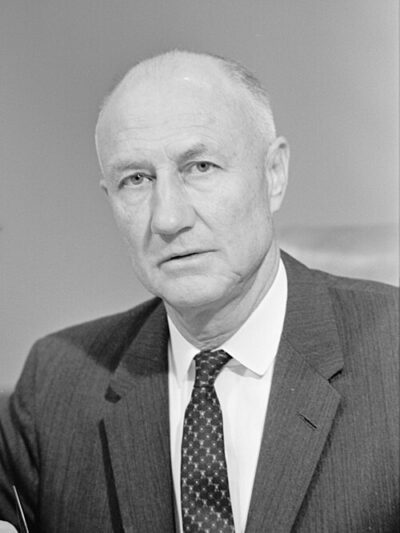 Strom Thurmond (1981–2001)American politician (1902–2003)
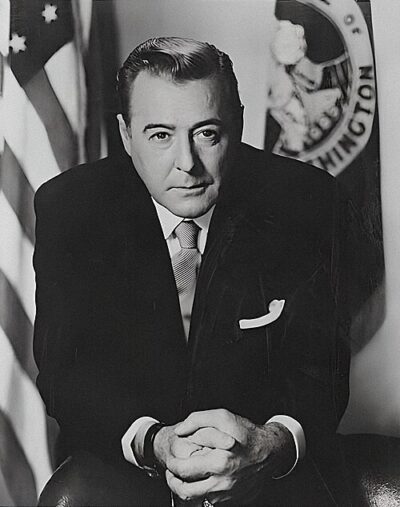 Warren Magnuson (1979–1981)American politician (1905–1989)
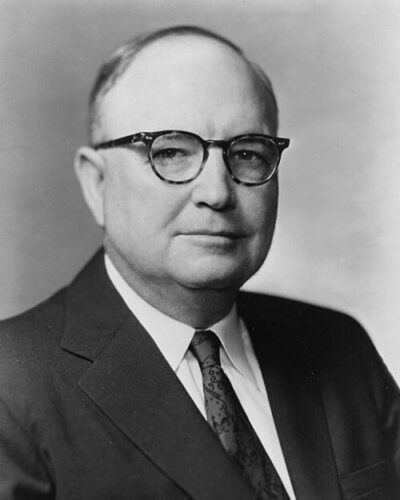 James Eastland (1972–1978)American politician (1904–1986)
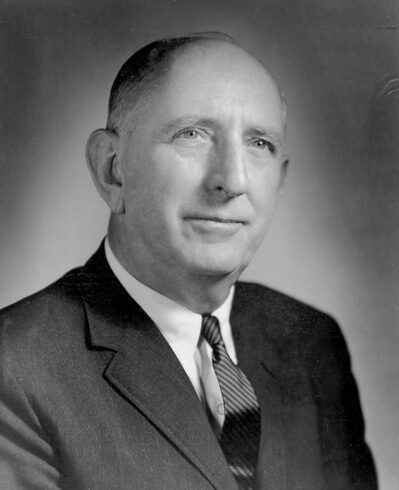 Richard Russell Jr. (1969–1971)66th Governor of Georgia (1931–1933), U.S. Senator from Georgia (1933–1971)
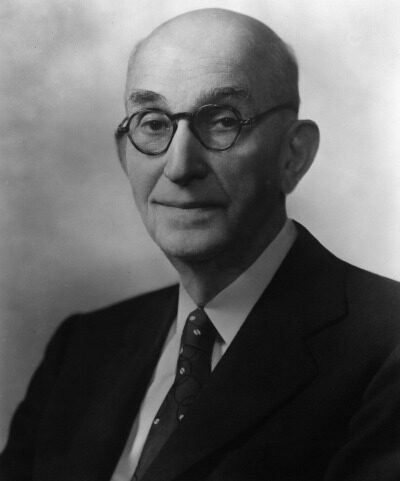 Carl Hayden (1957–1969)Democratic U.S. Senator from Arizona
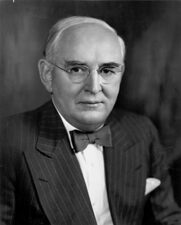 Arthur Vandenberg (1947–1949)American politician (1884–1951)
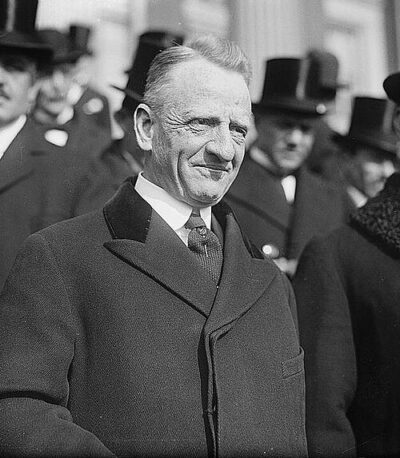 Carter Glass (1941–1945)American politician (1858–1946)
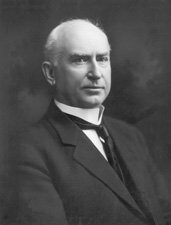 James P. Clarke (1913–1916)American politician (1854-1916)
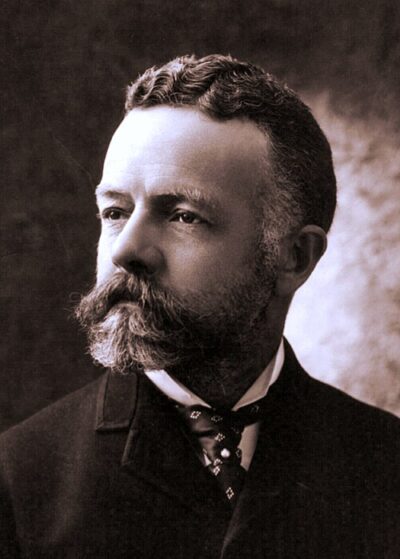 Henry Cabot Lodge (1912)American statesman (1850–1924)
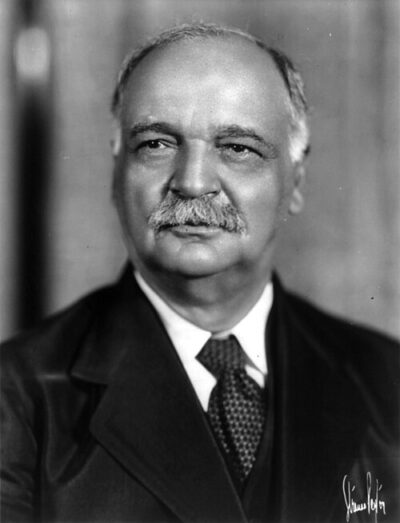 Charles Curtis (1911)vice president of the United States from 1929 to 1933
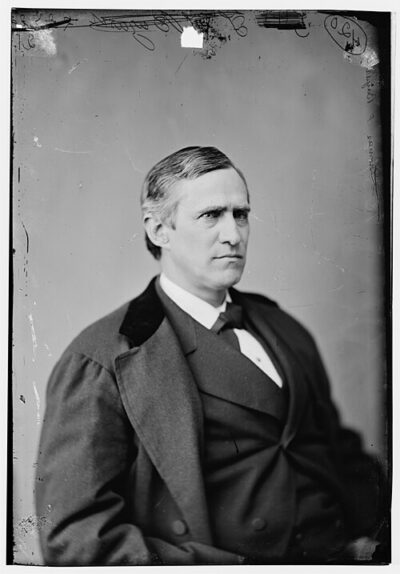 Thomas F. Bayard (1881)American lawyer, politician and diplomat (1828–1898)
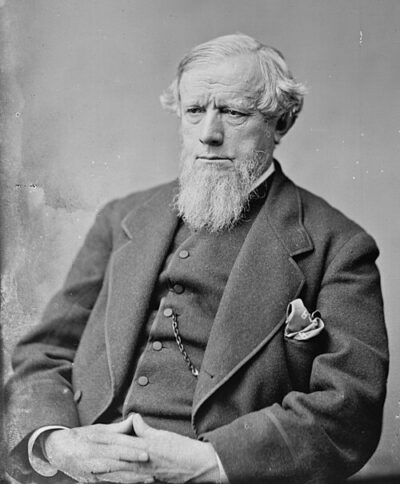 Allen G. Thurman (1879–1880)American politician and lawyer (1813-1895)
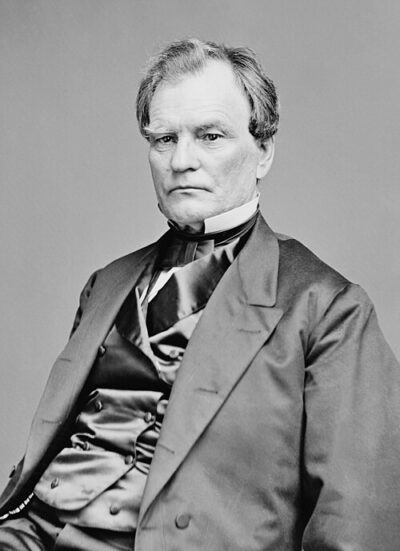 Benjamin Wade (1867–1869)American lawyer and politician (1800–1878)
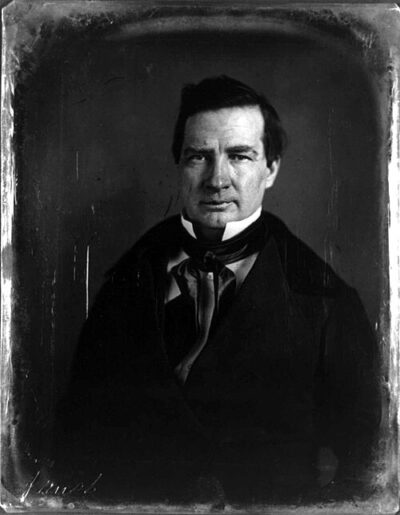 Thomas Jefferson Rusk (1857)American politician (1803–1857)
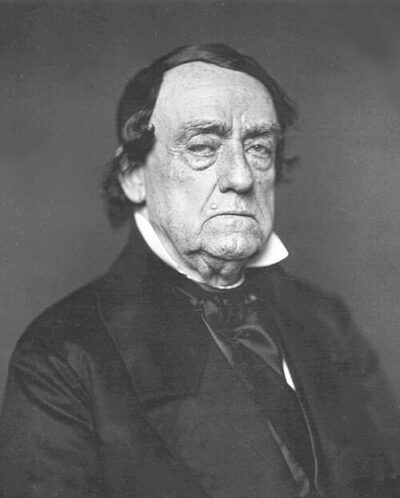 Lewis Cass (1854)American politician (1782-1866)
 William R. King (1850–1852)vice president of the United States from March to April 1853 (1786–1853)
and 6 more
