
Royal Gold Medal
Royal Gold Medal is a Royal Institute of British Architects award. It was created in 1848.
- Country
- United Kingdom
- Created
- 1848
All 6 facts, and where they come from
Facts
6 facts · 0 confirmed by two sources · 0 cited · 6 from one source
Where this comes from
Papalocal keeps its own record. It started from these sources; what each one said is kept here as it was copied, so a change on their side never changes this page by itself. Tap one to read its version.
What Wikidata says · copied November 16, 2026 · revision 2457047726
- Described as
- Royal Institute of British Architects award
- Other names
- RIBA Royal Gold Medal
- What it is
- architecture award; medal
- Created
- 1848 · 1 reference
- Country
- United Kingdom
- Given by
- Royal Institute of British Architects
- Official website
- http://www.architecture.com/go/Architecture/Also/Awards_3125.html
- Wikipedias with a page
- 23
Wikidata item Q920783 (wikidata.org/wiki/Q920783), public domain (CC0). Copied 2026-11-16.
What Wikipedia says · copied November 16, 2026 · revision 1336652709
The Royal Gold Medal for architecture is awarded annually by the Royal Institute of British Architects on behalf of the British monarch, in recognition of an individual's or group's substantial contribution to international architecture. It is given for a distinguished body of work rather than for one building and is therefore not awarded for merely being currently fashionable.
The medal was first awarded in 1848 to Charles Robert Cockerell, and its second recipient was the Italian Luigi Canina in 1849. The winners include some of the most influential architects of the 19th and 20th centuries, including Eugène Viollet-le-Duc (1864), Frank Lloyd Wright (1941), Le Corbusier (1953), Walter Gropius (1956), Ludwig Mies van der Rohe (1959) and Buckminster Fuller (1968). Candidates of all nationalities are eligible to receive the award.
Not all recipients were architects. Also recognised were engineers such as Ove Arup (1966) and Peter Rice (1992), who undoubtedly played an outstanding role in the realisation of some of the 20th century's key buildings all over the world. Repeatedly, the prize was awarded to influential writers on architecture, including scholars such as the Rev Robert Willis (1862), Sir Nikolaus Pevsner (1967), and Sir John Summerson (1976), as well as theoreticians such as Lewis Mumford (1961) and Colin Rowe (1995). It honoured archaeologists such as Sir Austen Henry Layard (1868), Karl Richard Lepsius (1869), Melchior de Vogüé (1879), Heinrich Schliemann (1885), Rodolfo Lanciani (1900) and Sir Arthur Evans (1909), and painters such as Lord Leighton (1894), and Sir Lawrence Alma-Tadema (1906). Another notable exception was the 1999 award to the city of Barcelona.
From the Wikipedia article “Royal Gold Medal” (en.wikipedia.org/wiki/Royal_Gold_Medal), by its contributors, under CC BY-SA 4.0 (creativecommons.org/licenses/by-sa/4.0/). Copied 2026-11-16; not changed.
Confirmed Two sources agree. Cited One source, and it names where it got it. One source One source, without a reference of its own. Sources disagree The sources disagree. We show the best-supported value and keep theirs below.
People connected 27
Won it 27
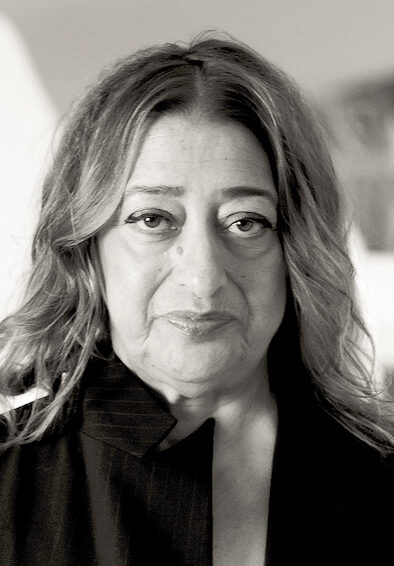 Zaha Hadid (2016)Iraqi British architect, designer and painter (1950–2016)
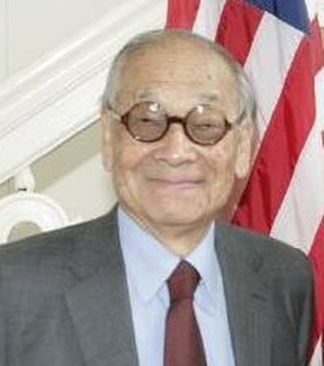 I. M. Pei (2010)Chinese-American architect (1917–2019)
- FFrei Otto (2005)German architect (1925-2015)
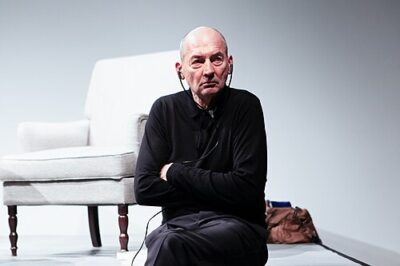 Rem Koolhaas (2004)Dutch architect (1944-)
 Jean Nouvel (2001)French architect (b.1945)
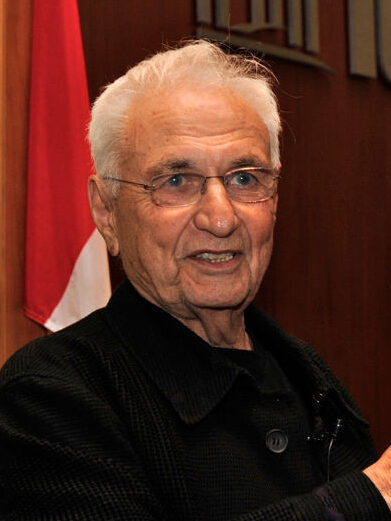 Frank Gehry (2000)Canadian and American architect (1929–2025)
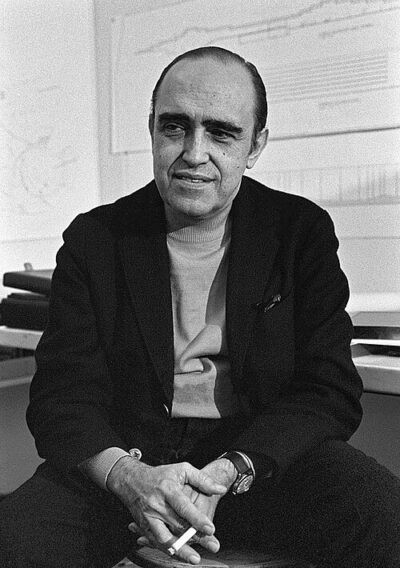 Oscar Niemeyer (1998)Brazilian architect (1907–2012)
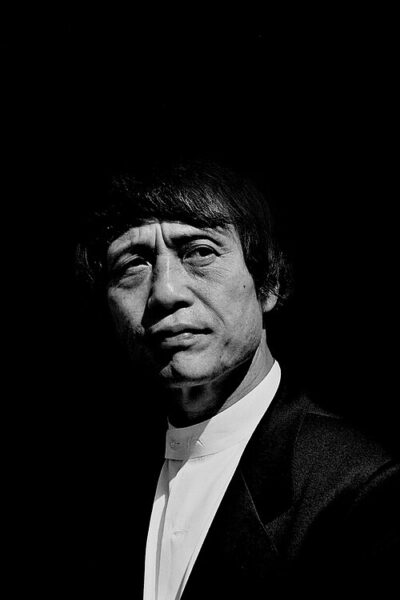 Tadao Ando (1997)Japanese architect (born 1941)
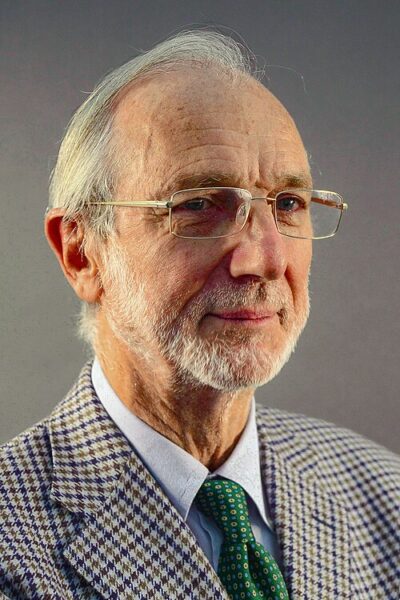 Renzo Piano (1989)Italian architect (1937-)
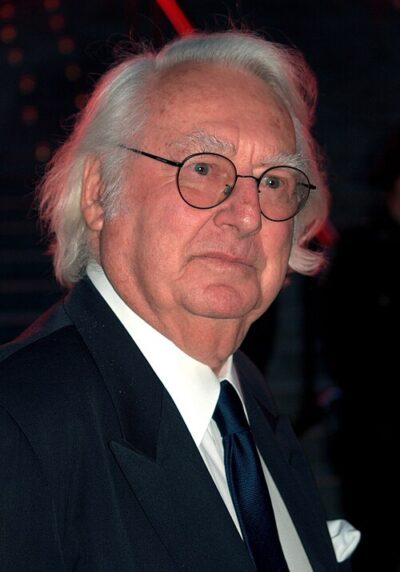 Richard Meier (1988)American architect (born 1934)
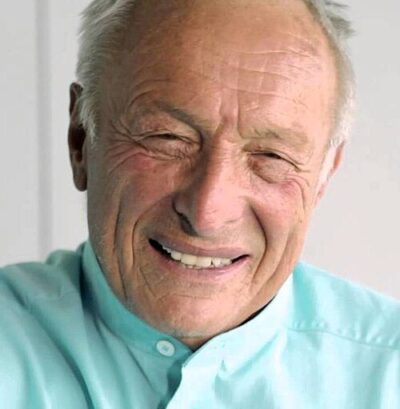 Richard Rogers (1985)British architect (1933–2021)
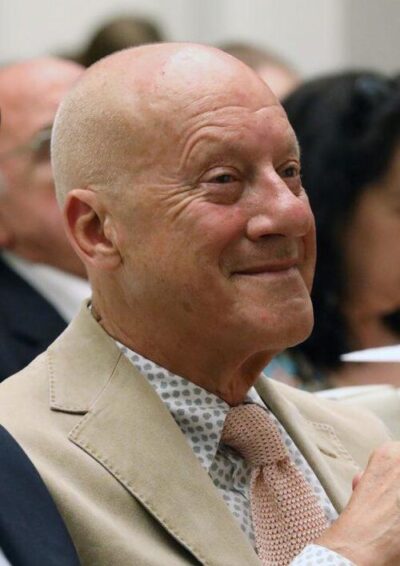 Norman Foster (1983)British architect (born 1935)
- JJørn Utzon (1978)Danish architect (1918–2008)
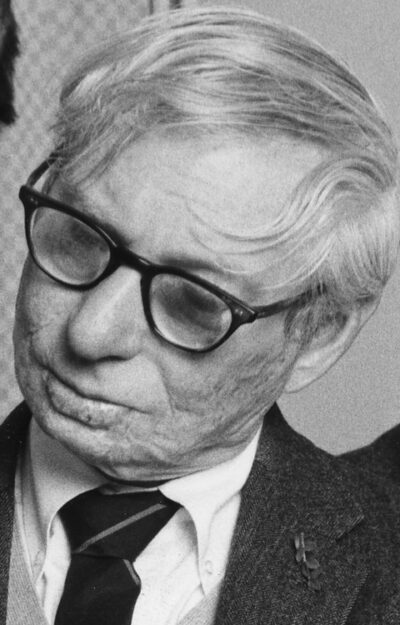 Louis Kahn (1972)Estonian-American architect (1901–1974)
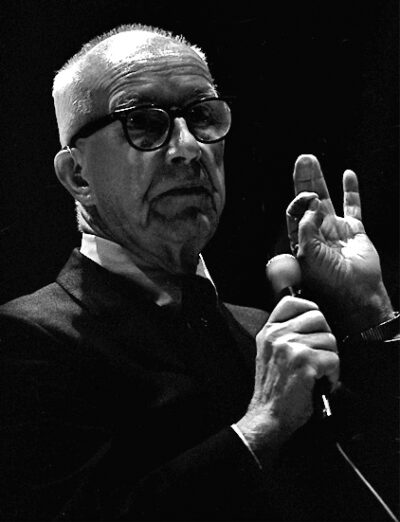 Buckminster Fuller (1968)American architect, systems theorist, author, designer, inventor and futurist (1895–1983)
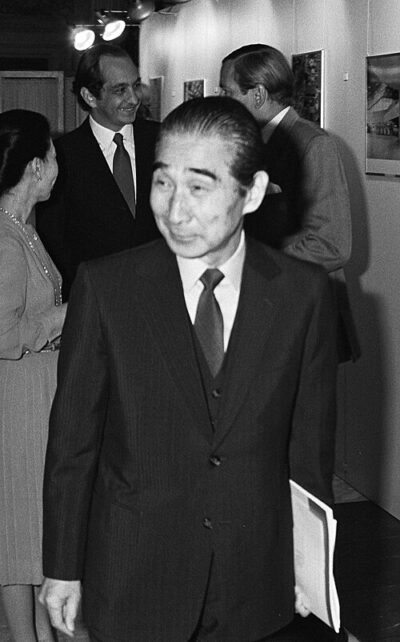 Kenzō Tange (1965)Japanese architect (1913–2005)
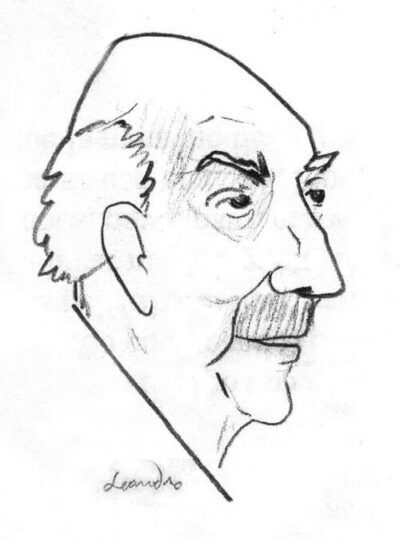 Lewis Mumford (1961)American historian, sociologist, philosopher of technology and literary critic (1895-1990)
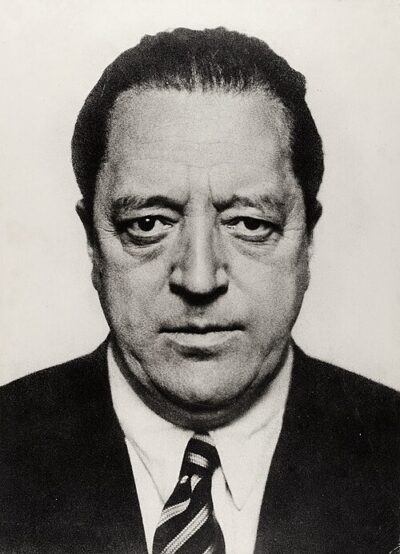 Ludwig Mies van der Rohe (1959)German architect (1886–1969)
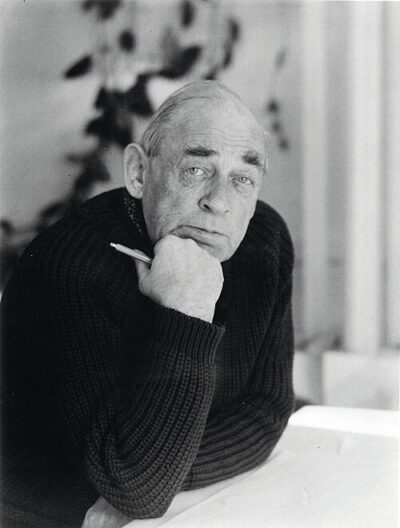 Alvar Aalto (1957)Finnish architect and designer (1898–1976)
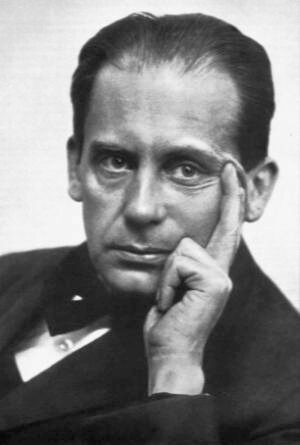 Walter Gropius (1956)German-American architect (1883–1969)
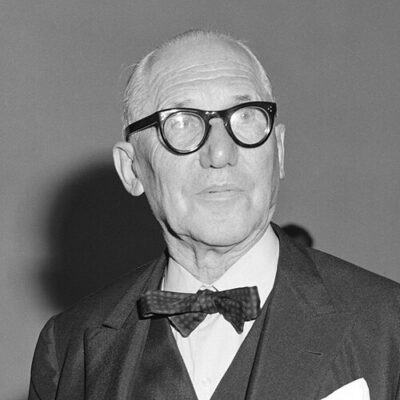 Le Corbusier (1953)Swiss-French architect, designer, urbanist, and writer (1886–1965)
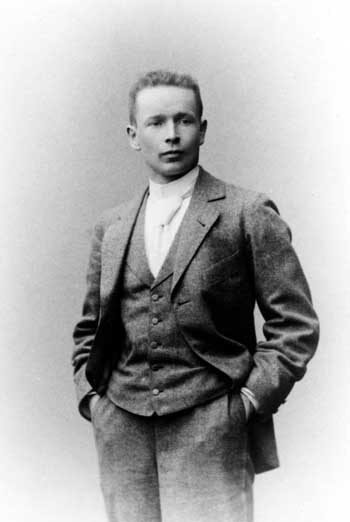 Eliel Saarinen (1950)Finnish-American architect (1873-1950)
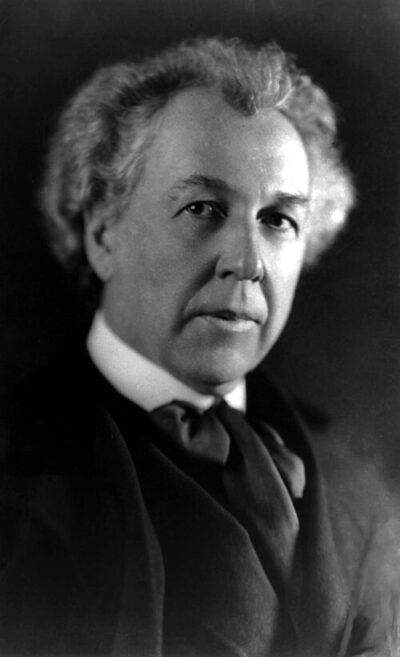 Frank Lloyd Wright (1941)American architect (1867-1959)
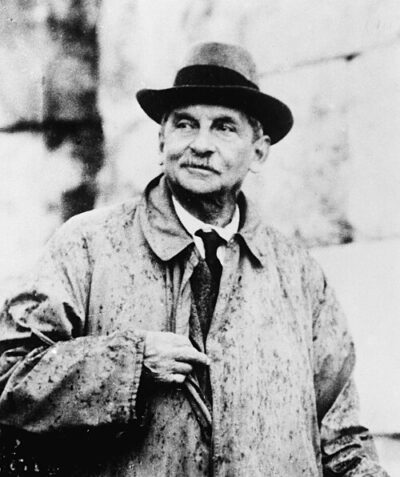 Arthur Evans (1909)British archaeologist and scholar (1851–1941)
and 3 more
