
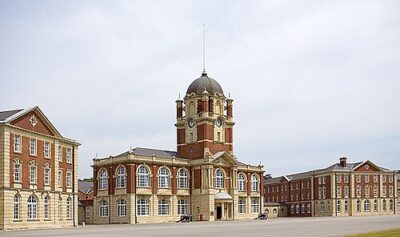
Royal Military College, Sandhurst
Royal Military College, Sandhurst is a British Army military academy. It was founded in 1802.
- Country
- United Kingdom
- Founded
- 1802
- What it is
- military academy
All 4 facts, and where they come from
Facts
4 facts · 0 confirmed by two sources · 0 cited · 4 from one source
Where this comes from
Papalocal keeps its own record. It started from these sources; what each one said is kept here as it was copied, so a change on their side never changes this page by itself. Tap one to read its version.
What Wikidata says · copied November 17, 2026 · revision 2510831309
- Described as
- British Army military academy
- Other names
- RMC Sandhurst
- What it is
- military academy
- Founded
- 1802
- Ended
- 1947 · 1 reference
- Country
- United Kingdom
- Wikipedias with a page
- 11
Wikidata item Q17020147 (wikidata.org/wiki/Q17020147), public domain (CC0). Copied 2026-11-17.
What Wikipedia says · copied November 17, 2026 · revision 1375463277
The Royal Military College, Sandhurst (RMCS) was a British military academy for training infantry and cavalry officers of the British and Indian Armies. It was founded in 1801 at Great Marlow and High Wycombe in Buckinghamshire, but moved in October 1812 to Sandhurst, Berkshire.
The RMC was reorganised at the outbreak of the Second World War, but some of its units remained operational at Sandhurst and Aldershot. In 1947, the Royal Military College was merged with the Royal Military Academy, Woolwich, to form the present-day all-purpose Royal Military Academy Sandhurst.
From the Wikipedia article “Royal Military College, Sandhurst” (en.wikipedia.org/wiki/Royal_Military_College,_Sandhurst), by its contributors, under CC BY-SA 4.0 (creativecommons.org/licenses/by-sa/4.0/). Copied 2026-11-17; not changed.
Confirmed Two sources agree. Cited One source, and it names where it got it. One source One source, without a reference of its own. Sources disagree The sources disagree. We show the best-supported value and keep theirs below.
Picture: Antony McCallum, via Wikimedia Commons · CC BY-SA 4.0
People connected 30
Studied here 30
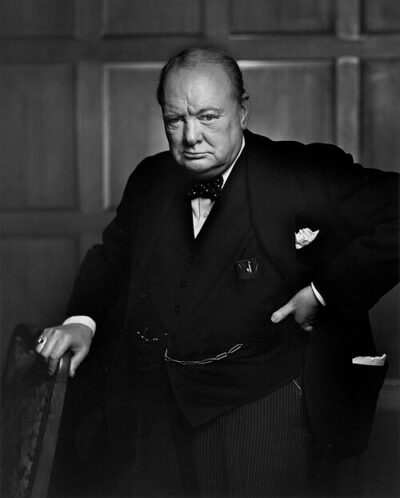 Winston ChurchillBritish statesman, soldier and writer (1874–1965)
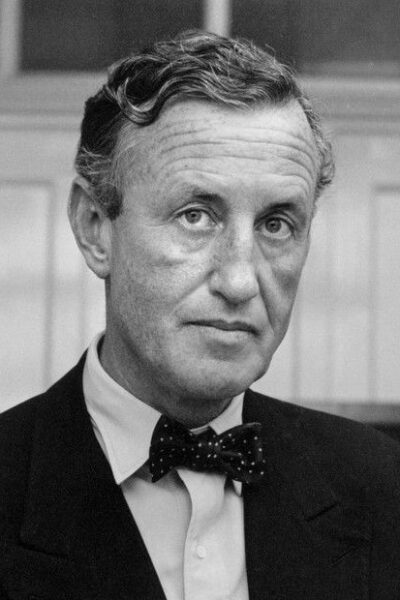 Ian Fleming (–1927)British author (1908–1964)
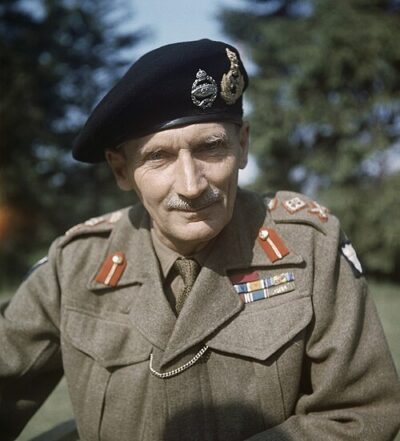 Bernard MontgomeryBritish Army officer (1887–1976)
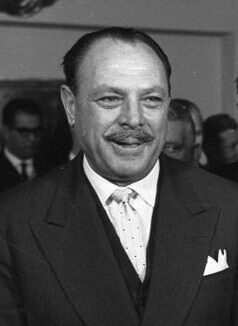 Ayub KhanPresident of Pakistan from 1958 to 1969
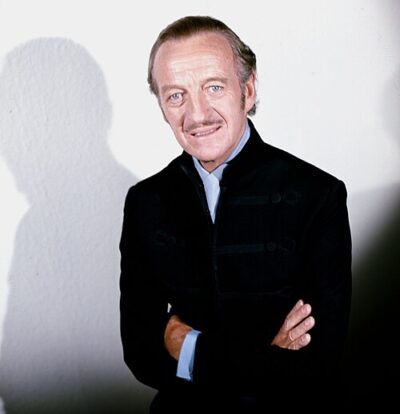 David NivenBritish actor and novelist (1910–1983)
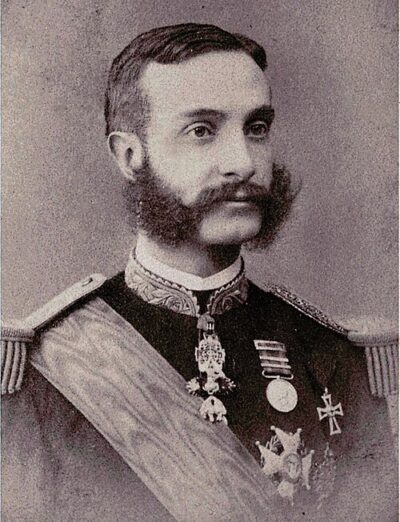 Alfonso XII of Spain (1872–)king of Spain from 1874 to 1885
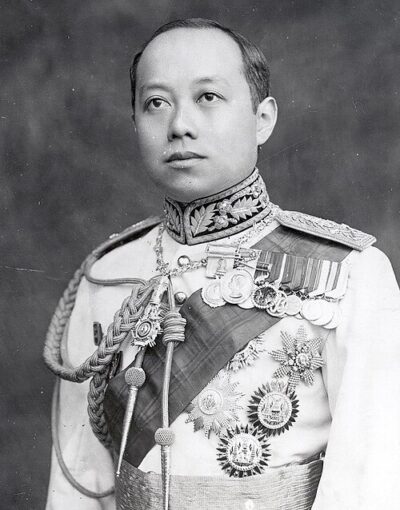 Vajiravudh (1898–1899)King of Siam from 1910 to 1925
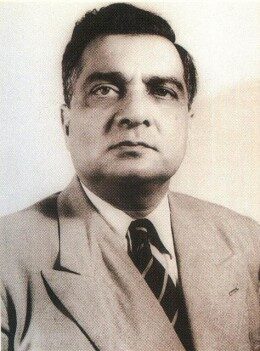 Iskandar Ali MirzaPakistani politician, statesman and military general (1899–1969)
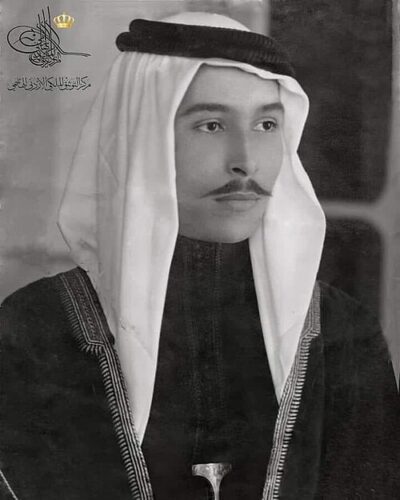 Talal I of JordanKing of Jordan from 1951 to 1952
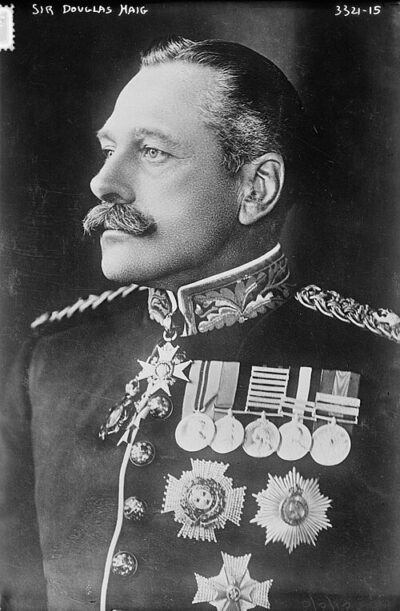 Douglas Haig, 1st Earl HaigBritish senior officer during the First World War (1861-1928)
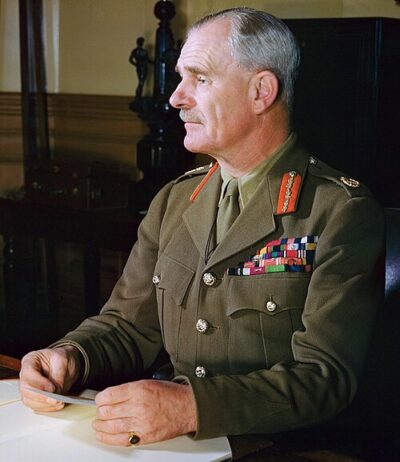 Archibald Wavell, 1st Earl WavellBritish Army general and Viceroy of India
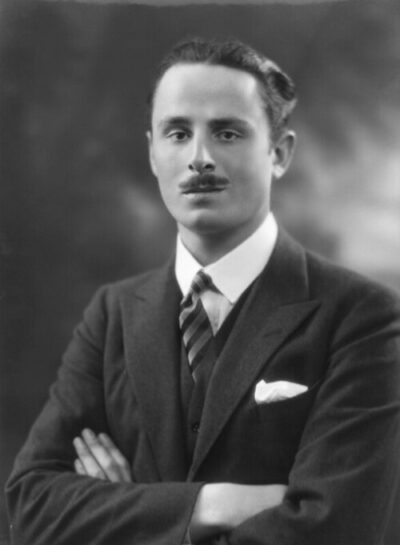 Oswald MosleyBritish aristocrat and fascist politician (1896–1980)
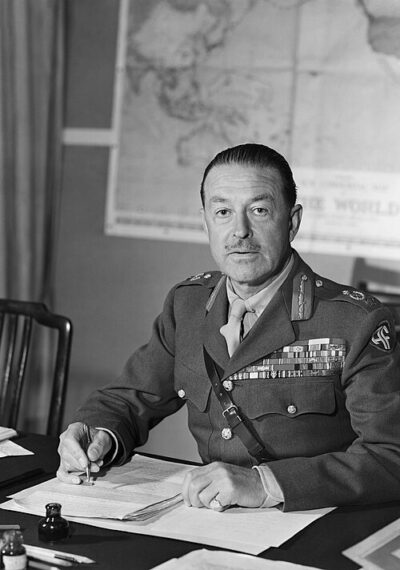 Harold Alexander, 1st Earl Alexander of TunisBritish military commander and field marshal; Governor General of Canada (1891-1969)
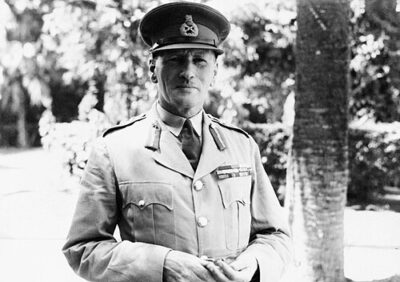 Claude AuchinleckBritish World War II Army commander (1884–1981)
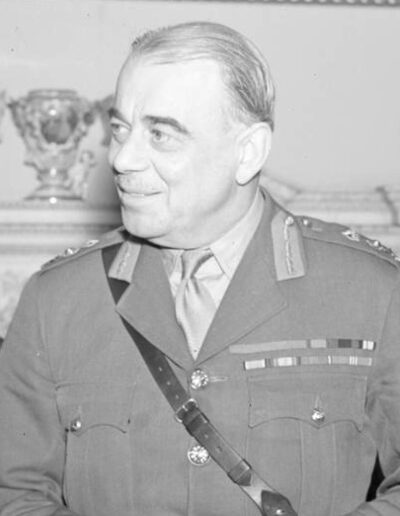 Hastings Ismay, 1st Baron IsmayBritish army officer and diplomat, 1st Secretary General of NATO (1887-1965)
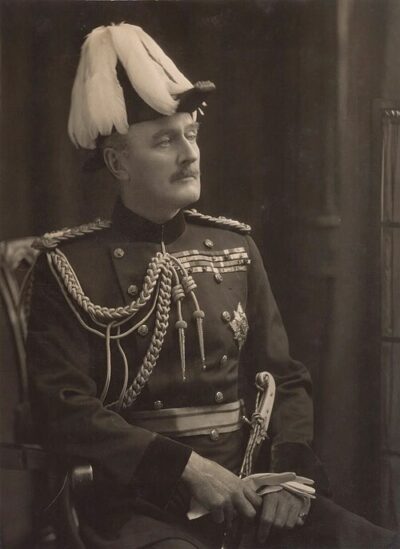 Edmund Allenby, 1st Viscount AllenbyBritish Army general (1861-1936)
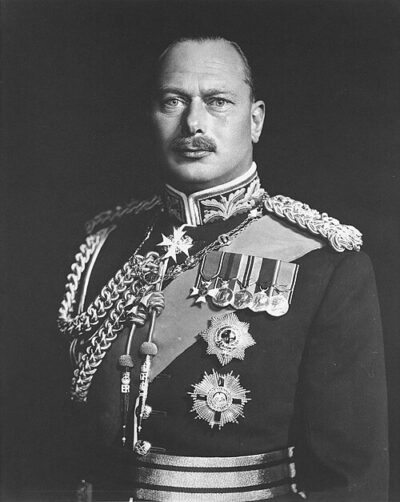 Prince Henry, Duke of GloucesterBritish soldier (1900–1974), Governor-General of Australia from 1945 to 1947
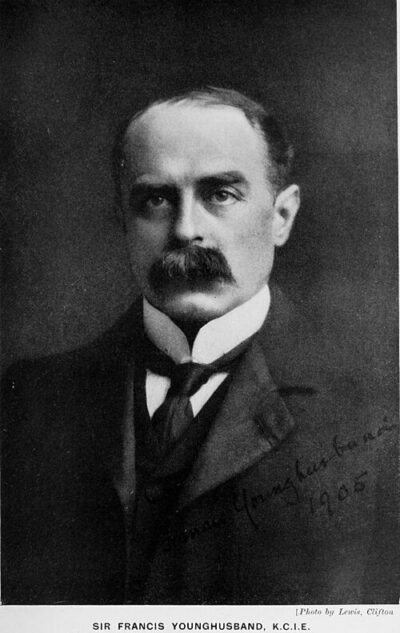 Francis YounghusbandBritish army explorer (1863–1942)
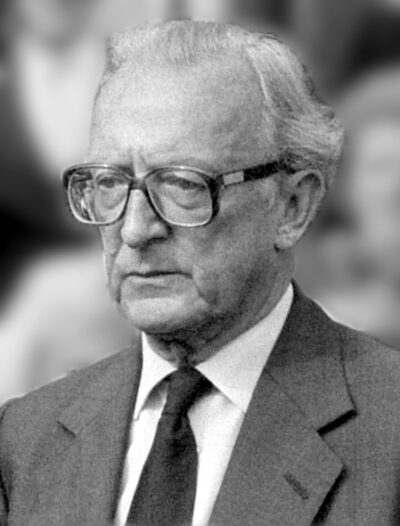 Peter Carington, 6th Baron CarringtonBritish Conservative politician (1919–2018)
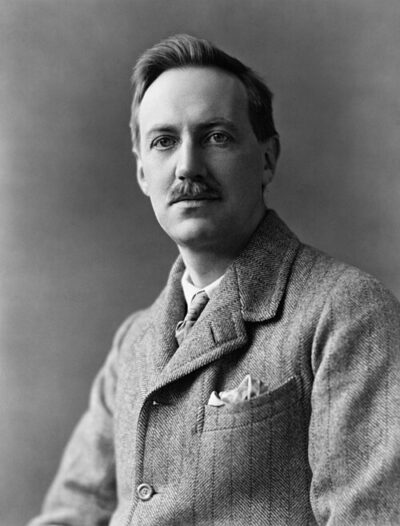 Edward Plunkett, 18th Baron of DunsanyIrish writer and dramatist (1878–1957)
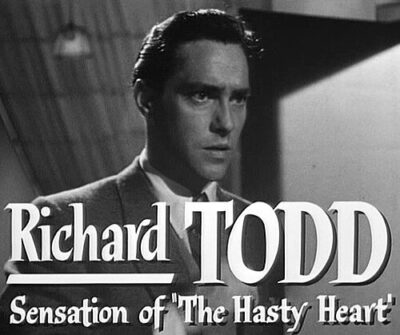 Richard ToddIrish-British actor (1919-2009)
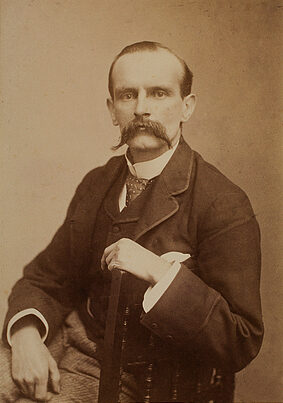 Frederick Lugard, 1st Baron LugardBritish colonial administrator (1858-1945)
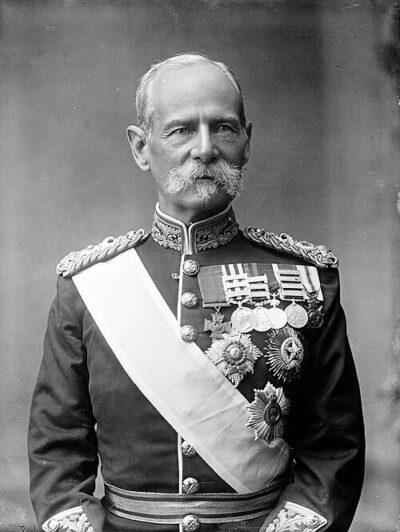 Frederick Roberts, 1st Earl RobertsBritish general (1832–1914)
- JJohn Spencer, 8th Earl SpencerBritish peer (1924-1992); father of Diana, Princess of Wales
and 6 more
