
Royal Society Bakerian Medal
Royal Society Bakerian Medal is one of the premier medals of the Royal Society that recognizes exceptional and outstanding science. It was created in 1775. It is given by the Royal Society of London.
- Given by
- Royal Society of London
- Country
- United Kingdom
- Created
- 1775
All 8 facts, and where they come from
Facts
8 facts · 0 confirmed by two sources · 0 cited · 8 from one source
Where this comes from
Papalocal keeps its own record. It started from these sources; what each one said is kept here as it was copied, so a change on their side never changes this page by itself. Tap one to read its version.
What Wikidata says · copied November 16, 2026 · revision 2569448330
- Described as
- one of the premier medals of the Royal Society that recognizes exceptional and outstanding science
- Other names
- Bakerian medal, Bakerian Lecture
- What it is
- science award; lecture series; award
- Created
- 1775
- Country
- United Kingdom · 1 reference
- Given by
- Royal Society of London
- Named after
- Henry Baker
- Official website
- https://royalsociety.org/grants-schemes-awards/awards/bakerian-lecture/
- Wikipedias with a page
- 11
Wikidata item Q1107771 (wikidata.org/wiki/Q1107771), public domain (CC0). Copied 2026-11-16.
What Wikipedia says · copied November 16, 2026 · revision 1376713039
The Bakerian Medal is one of the premier medals of the Royal Society that recognizes exceptional and outstanding science. It comes with a medal award and a prize lecture. The medalist is required to give a lecture on any topic related to physical sciences. It is awarded annually to an individual in a field of the physical sciences, including computer science.
From the Wikipedia article “Royal Society Bakerian Medal” (en.wikipedia.org/wiki/Royal_Society_Bakerian_Medal), by its contributors, under CC BY-SA 4.0 (creativecommons.org/licenses/by-sa/4.0/). Copied 2026-11-16; not changed.
Confirmed Two sources agree. Cited One source, and it names where it got it. One source One source, without a reference of its own. Sources disagree The sources disagree. We show the best-supported value and keep theirs below.
People connected 78
Won it 78
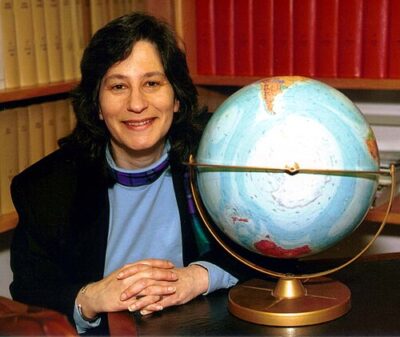 Susan Solomon (2018)American atmospheric chemist
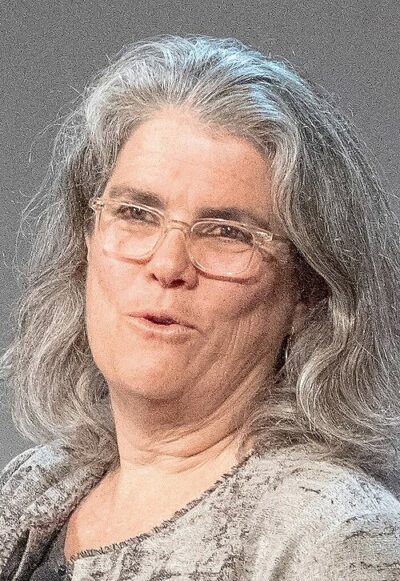 Andrea M. Ghez (2016)American astronomer
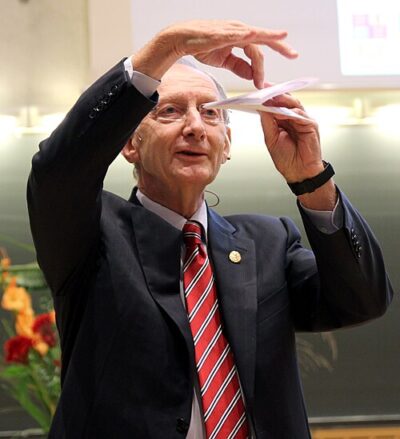 John Pendry (2005)British physicist
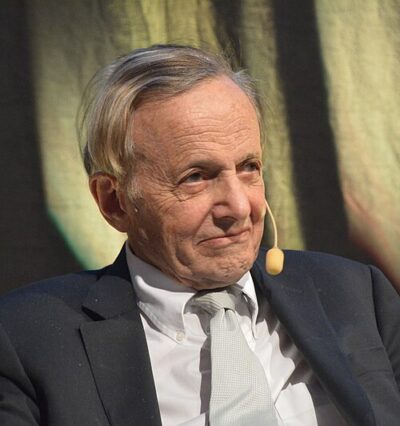 John Polanyi (1994)Hungarian-Canadian chemist
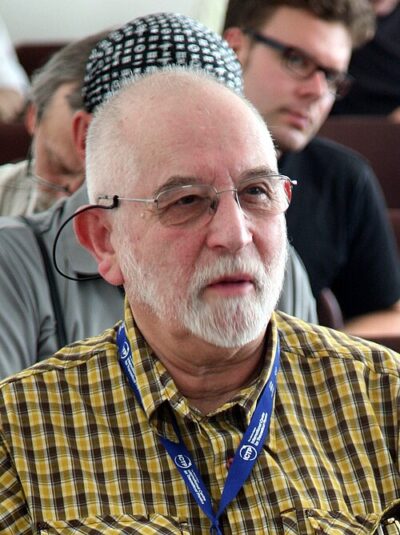 Michael Victor Berry (1987)British physicist
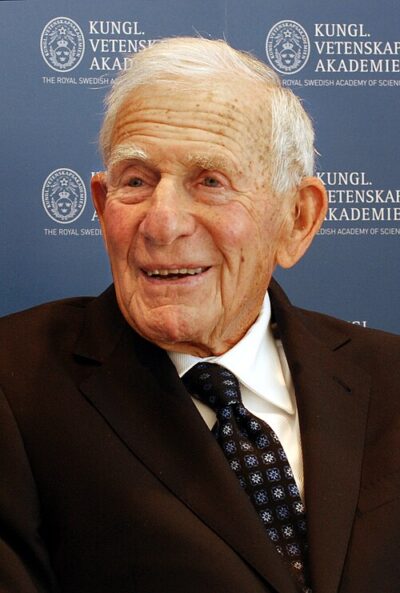 Walter Munk (1986)American oceanographer (1917–2019)
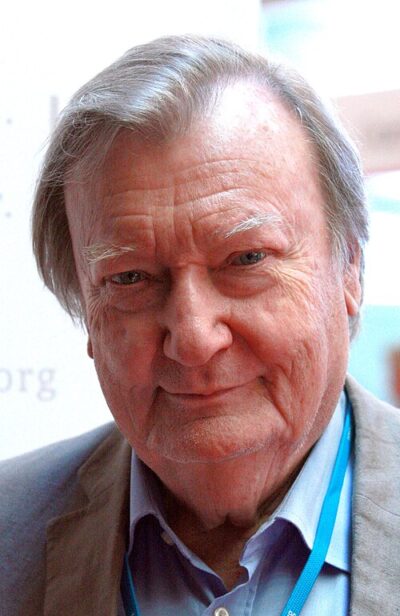 Carlo Rubbia (1985)Italian particle physicist
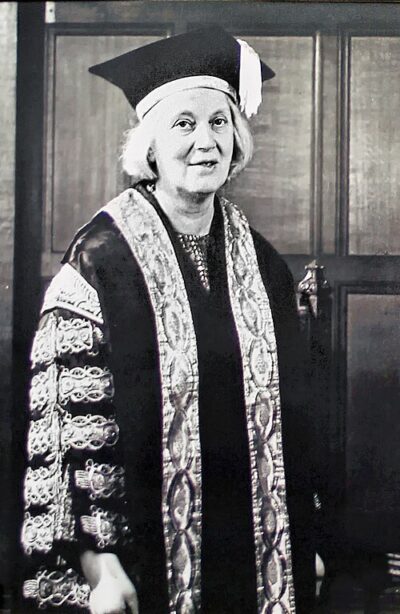 Dorothy Hodgkin (1972)British chemist
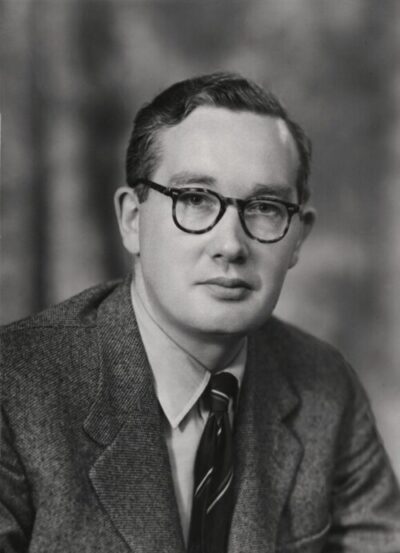 Derek Barton (1970)English organic chemist (1918–1998)
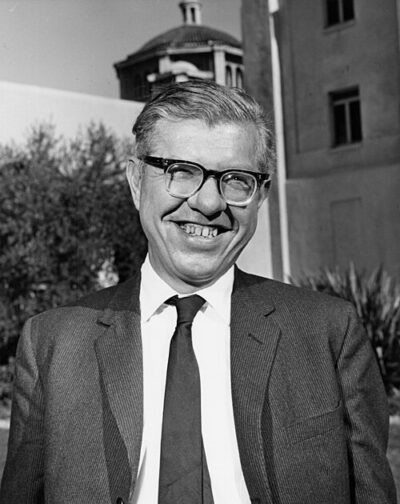 Fred Hoyle (1968)British astronomer (1915–2001)
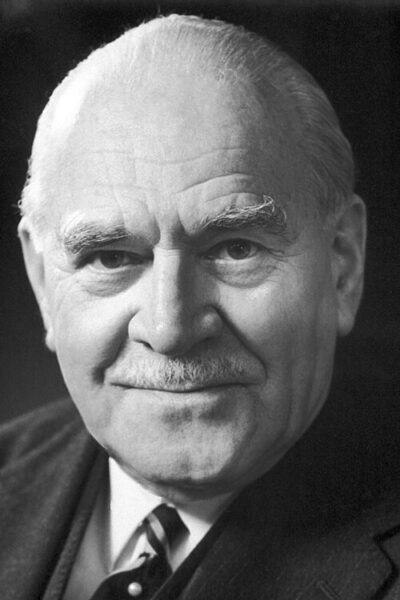 Ronald George Wreyford Norrish (1966)British chemist
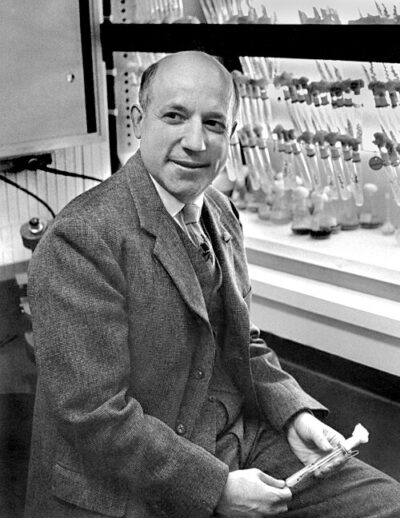 Melvin Calvin (1965)American biochemist (1911–1997)
- JJohn Desmond Bernal (1962)Irish scientist (1901-1971)
- JJames Lighthill (1961)British applied mathematician (1924–1998)
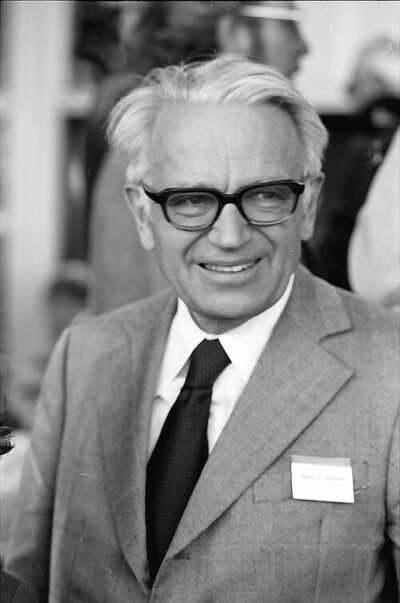 Gerhard Herzberg (1960)German-Canadian physicist and physical chemist (1904-1999)
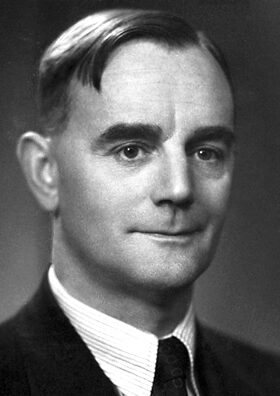 Cecil Frank Powell (1957)British physicist
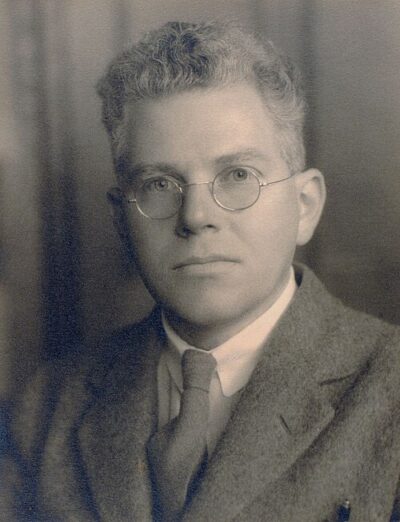 Mark Oliphant (1955)nuclear physicist, Governor of South Australia (1901–2000)
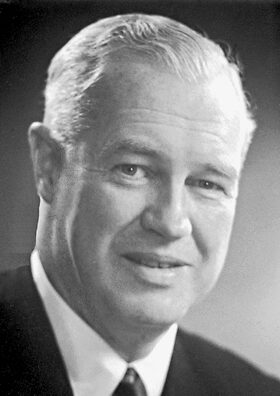 Alexander Todd (1954)British biochemist and Nobel laureate (1907-1997)
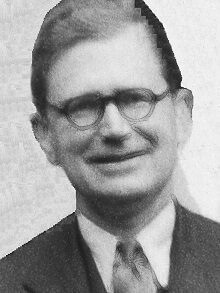 Nevill Francis Mott (1953)English physicist, Nobel prize winner
- HHarold Jeffreys (1952)British geophysicist and statistician (1891–1989)
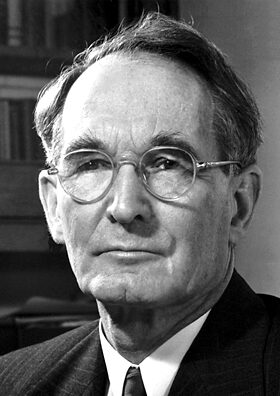 Percy Williams Bridgman (1950)American physicist
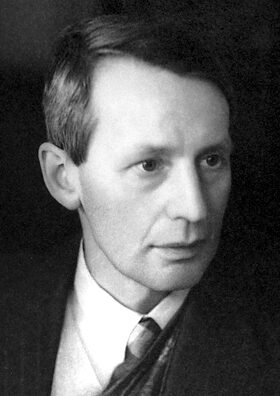 George Paget Thomson (1948)English physicist (1892–1975)
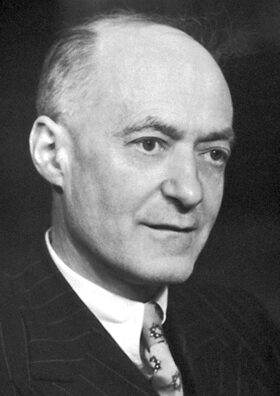 Cyril Norman Hinshelwood (1946)English physical chemist (1897-1967)
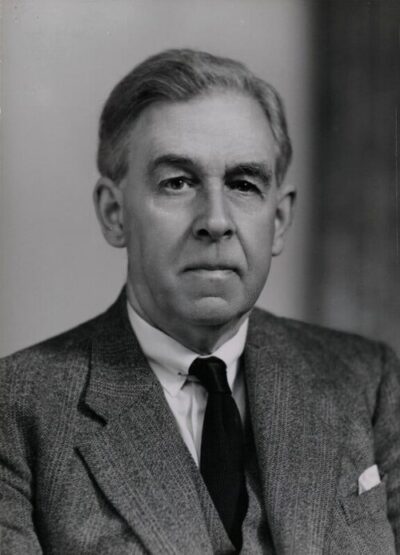 G. M. B. Dobson (1945)British physicist (1889–1976)
and 54 more
