
Templeton Prize
Templeton Prize is a religious award. It was created in 1972 by John Templeton. It is given by the John Templeton Foundation.
- Given by
- John Templeton Foundation
- Country
- United States
- Created
- 1972
All 6 facts, and where they come from
Facts
6 facts · 0 confirmed by two sources · 0 cited · 6 from one source
Where this comes from
Papalocal keeps its own record. It started from these sources; what each one said is kept here as it was copied, so a change on their side never changes this page by itself. Tap one to read its version.
What Wikidata says · copied November 16, 2026 · revision 2549162798
- Described as
- religious award
- Other names
- Templeton Foundation Prize, Templeton Prize for Progress in Religion, Templeton Prize for Progress Toward Research or Discoveries about Spiritual Realities
- What it is
- religion-related award
- Created
- 1972
- Founded by
- John Templeton
- Country
- United States · 1 reference
- Given by
- John Templeton Foundation
- Official website
- http://templetonprize.org
- Wikipedias with a page
- 35
Wikidata item Q603631 (wikidata.org/wiki/Q603631), public domain (CC0). Copied 2026-11-16.
What Wikipedia says · copied November 16, 2026 · revision 1385687816
The Templeton Prize is an annual award granted to a living person, in the estimation of the judges, "whose exemplary achievements advance Sir John Templeton's philanthropic vision: harnessing the power of the sciences to explore the deepest questions of the universe and humankind's place and purpose within it." It was established, funded and administered by John Templeton starting in 1972. It is co-funded by the John Templeton Foundation, Templeton Religion Trust, and Templeton World Charity Foundation, and administered by the John Templeton Foundation.
The prize was originally awarded to people working in the field of religion (Mother Teresa was the first winner), but in the 1980s the scope broadened to include people working at the intersection of science and religion. Until 2001, the name of the prize was "Templeton Prize for Progress in Religion", and from 2002 to 2008 it was called the "Templeton Prize for Progress Toward Research or Discoveries about Spiritual Realities". Hindus, Christians, Jews, Buddhists and Muslims have been on the panel of judges and have been recipients of the prize.
The monetary value of the prize is adjusted so that it exceeds that of the Nobel Prizes; Templeton felt, according to The Economist, that "spirituality was ignored" in the Nobel Prizes. As of 2019, it is £1.1 million. It was typically presented by Prince Philip, during his lifetime, in ceremonies held at Buckingham Palace.
The prize has been referred to as prestigious and coveted, with The Washington Post calling it the most prestigious award in religion. While atheist scientists Richard Dawkins, Harry Kroto and Jerry Coyne have criticized the prize, alleging it is "blurring [religion's] well-demarcated border with science" and being awarded "to scientists who are either religious themselves or say nice things about religion", the criticism was rejected by atheist and 2011 laureate Martin Rees, who pointed to his own and other laureates' atheism and that their research in fields such as psychology, evolutionary biology, and economy can hardly be classified as the "promotion of religion".
From the Wikipedia article “Templeton Prize” (en.wikipedia.org/wiki/Templeton_Prize), by its contributors, under CC BY-SA 4.0 (creativecommons.org/licenses/by-sa/4.0/). Copied 2026-11-16; not changed.
Confirmed Two sources agree. Cited One source, and it names where it got it. One source One source, without a reference of its own. Sources disagree The sources disagree. We show the best-supported value and keep theirs below.
People connected 16
Won it
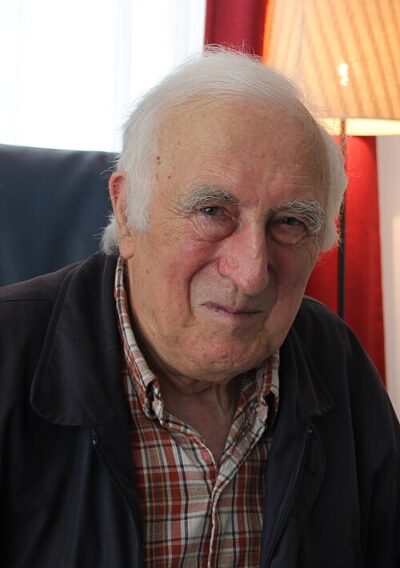 Jean Vanier (2015)Canadian humanitarian, Catholic philosopher, and theologian (1928–2019)
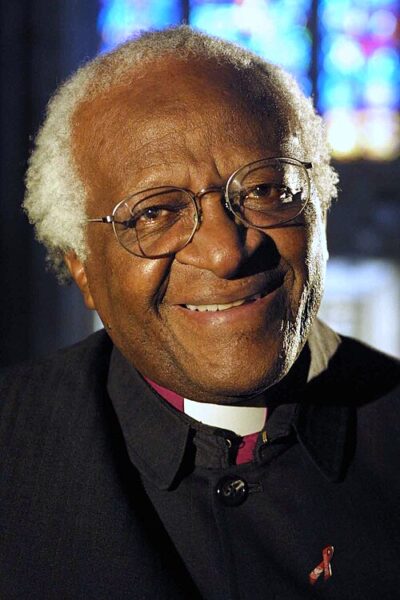 Desmond Tutu (2013)South African churchman, politician, archbishop, Nobel Prize winner (1931–2021)
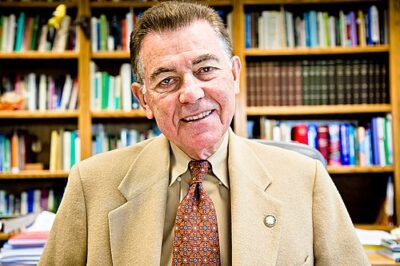 Francisco J. Ayala (2010)Spanish-American philosopher and biologist (1934–2023)
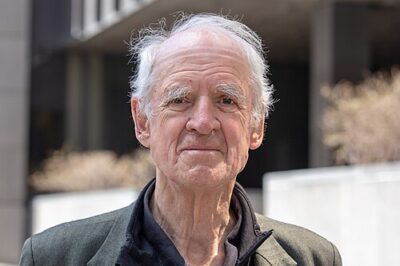 Charles Taylor (2007)Canadian philosopher (born 1931)
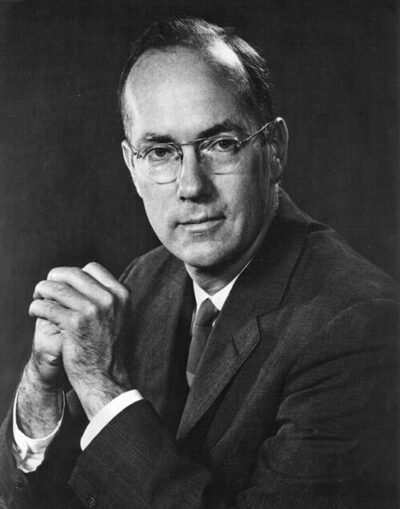 Charles Hard Townes (2005)20th-century American physicist
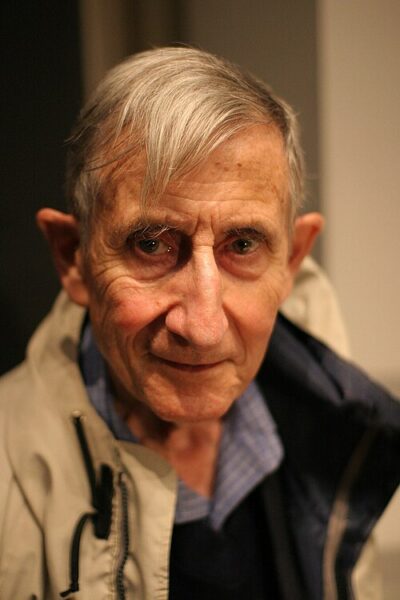 Freeman Dyson (2000)theoretical physicist and mathematician (1923–2020)
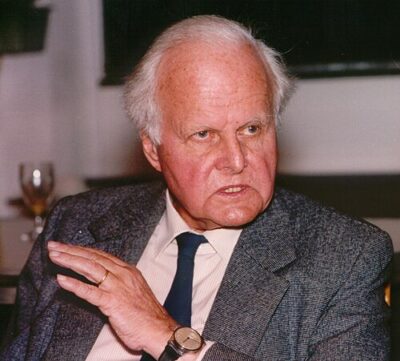 Carl Friedrich von Weizsäcker (1989)German physicist (1912–2007)
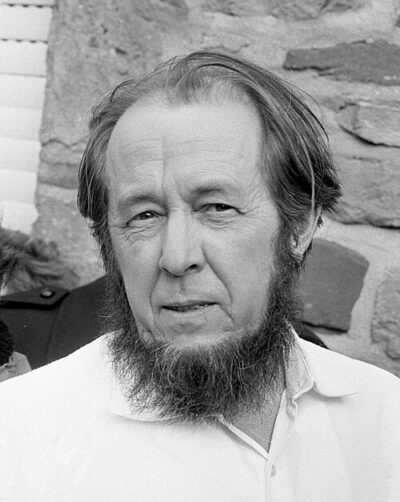 Aleksandr Solzhenitsyn (1983)Russian writer, publicist, poet and politician (1918–2008)
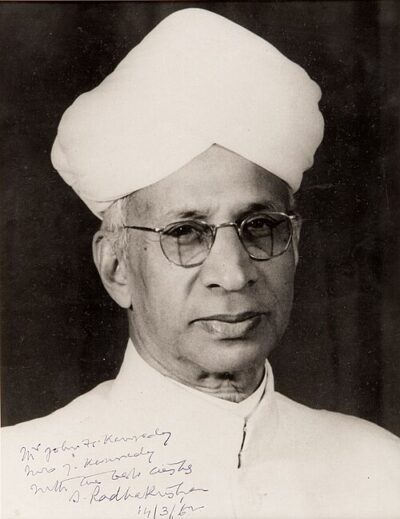 Sarvepalli Radhakrishnan (1975)2nd President and 1st Vice President of India, Indian philosopher and politician (1888–1975)
 Mother TeresaAlbanian-Indian Catholic nun and missionary (1910–1997)
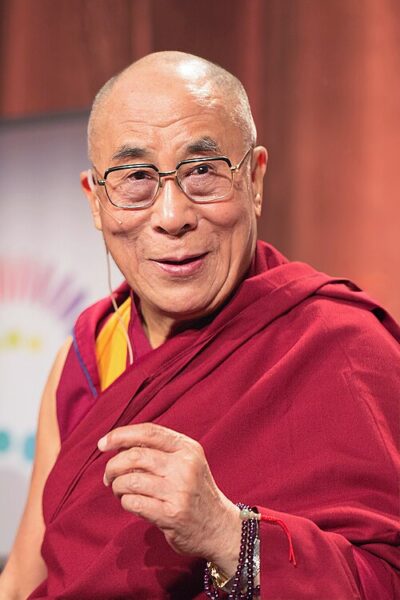 Tenzin Gyatso14th Dalai Lama, the spiritual and temporal leader of Tibetans
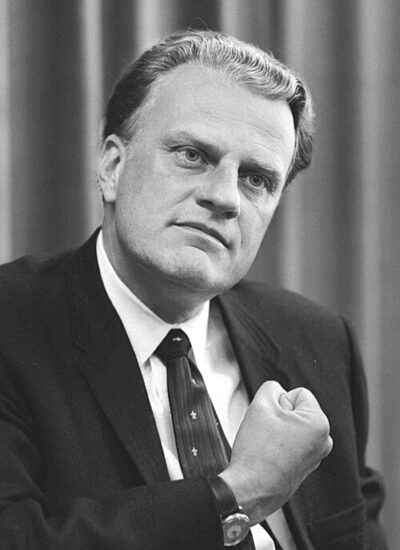 Billy GrahamAmerican Baptist evangelist (1918–2018)
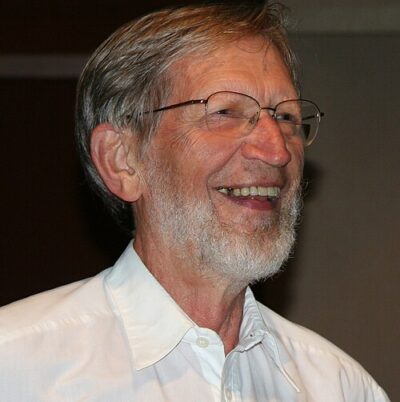 Alvin PlantingaAmerican Christian philosopher
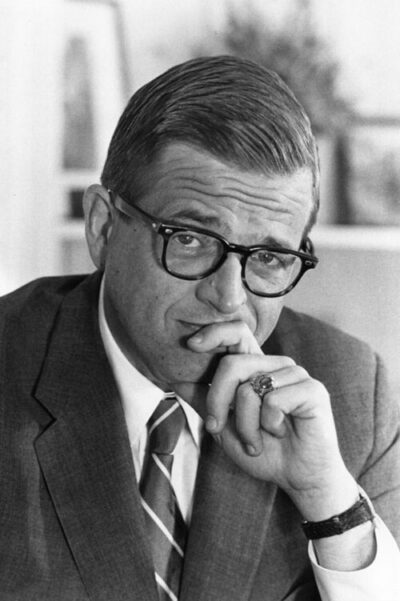 Charles ColsonAmerican lawyer, politician, public servant and Christian advocate (1931–2012)
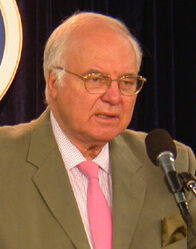 Michael NovakAmerican theologian, philosopher, journalist, novelist, and diplomat (1933-2017)
