
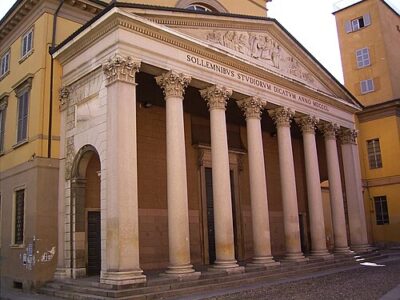
University of Pavia
The University of Pavia is a university in Italy. It was founded in 1361. 23,849 students study there (2020).
- Located in
- Pavia
- Country
- Italy
- Founded
- April 13, 1361
- Students
- 23,849 (2020)
- What it is
- public university
All 6 facts, and where they come from
Facts
6 facts · 0 confirmed by two sources · 0 cited · 6 from one source
Where this comes from
Papalocal keeps its own record. It started from these sources; what each one said is kept here as it was copied, so a change on their side never changes this page by itself. Tap one to read its version.
What Wikidata says · copied November 16, 2026 · revision 2524618614
- Described as
- university in Italy
- Other names
- Università degli Studi di Pavia, Università di Pavia, UNIPV, Universita degli Studi di Pavia, Universita di Pavia, Pavia University, web.unipv.it, UPavia
- What it is
- public university
- Founded
- April 13, 1361
- Located in
- Pavia
- Country
- Italy
- Students
- 23,849 (2020)
- Official website
- https://portale.unipv.it/it
- Wikipedias with a page
- 40
Wikidata item Q219317 (wikidata.org/wiki/Q219317), public domain (CC0). Copied 2026-11-16.
What Wikipedia says · copied November 16, 2026 · revision 1385832709
The University of Pavia (Italian: Università degli Studi di Pavia, UNIPV or Università di Pavia; Latin: Alma Ticinensis Universitas) is a university located in Pavia, Lombardy, Italy. There was evidence of teaching as early as 1361, making it one of the oldest universities in the world. It was the sole university in the greater Lombardy region until the end of the 19th century. Currently, it has 18 departments and 2 faculties. It does not have a main campus; its buildings and facilities are scattered around the city, which is in turn called "a city campus". The university caters to more than 20,000 students who come from Italy and all over the world.
The university offers more than 80 undergraduate programs; over 40 master programs, and roughly 20 doctoral programs (including 8 in English). About 1,500 students who enter the university every year are international students.
The university operates multiple cultural and scientific museums, including the University History Museum, a botanical garden, research centers, university libraries and a university press. The university is also affiliated with Policlinico San Matteo, at which hundreds of medical students from the university perform clinical rotations during their clinical years.
The University of Pavia is a member of the COIMBRA Group , EC2U and European University Association. It also participates in the Erasmus Programme, which allows student exchanges between the University of Pavia and various universities in Europe.
From the Wikipedia article “University of Pavia” (en.wikipedia.org/wiki/University_of_Pavia), by its contributors, under CC BY-SA 4.0 (creativecommons.org/licenses/by-sa/4.0/). Copied 2026-11-16; not changed.
Confirmed Two sources agree. Cited One source, and it names where it got it. One source One source, without a reference of its own. Sources disagree The sources disagree. We show the best-supported value and keep theirs below.
Picture: Giorgio Gonnella, via Wikimedia Commons · CC BY-SA 3.0
People connected 45
Studied here 32
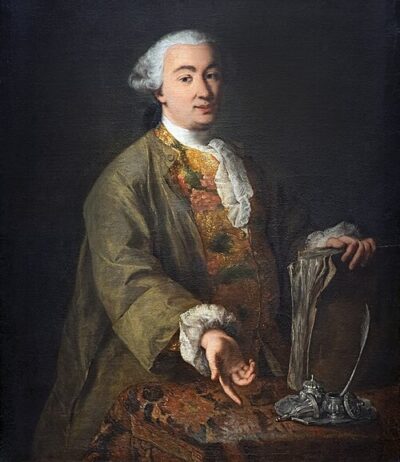 Carlo GoldoniItalian playwright (1707-1793)
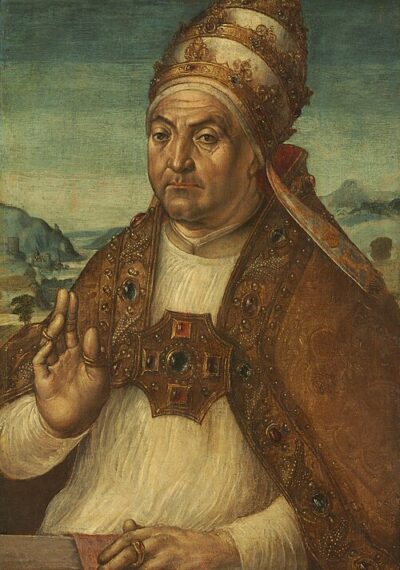 Sixtus IVpope of the Catholic Church from 1471 to 1484 (1414-1484)
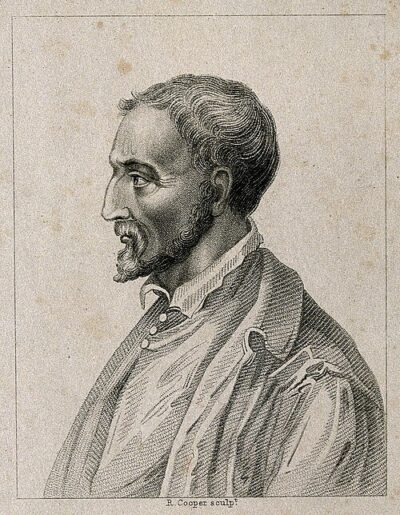 Gerolamo Cardano (1520–1522)Italian Renaissance mathematician, physician, astrologer (1501-1576)
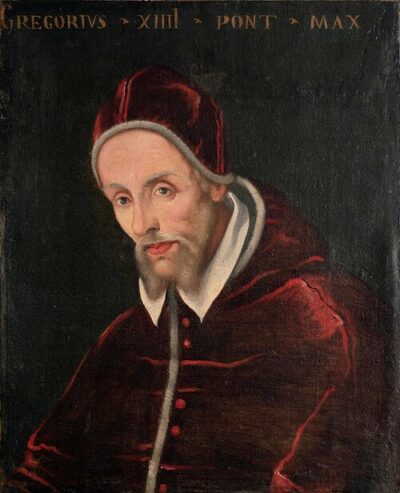 Gregory XIVPope from 1590 to 1591 (1535–1591)
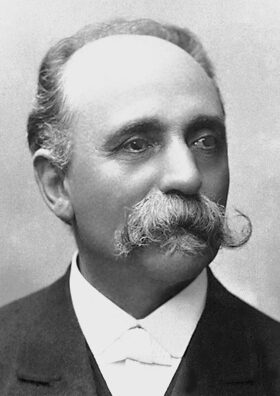 Camillo Golgi (1860–1865)Italian physician, pathologist, scientist, and Nobel laureate (1843-1926)
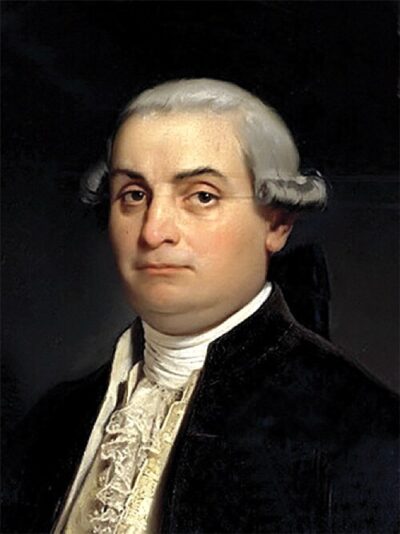 Cesare Beccariajurist, philosopher and politician from Italy (1738-1794)
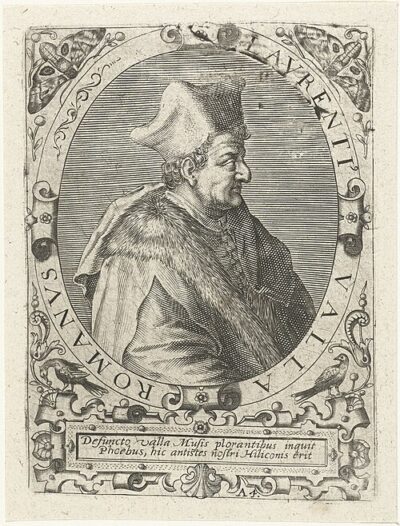 Lorenzo VallaItalian Renaissance humanist (c. 1407–1457)
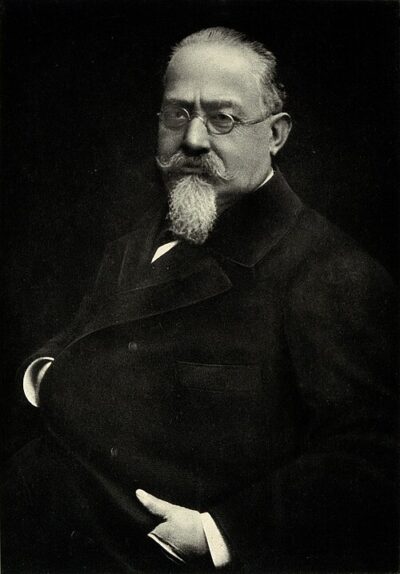 Cesare LombrosoItalian psychiatrist, physician, and criminologist (1835-1909)
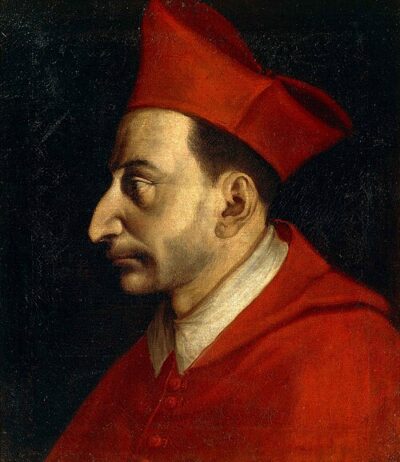 Charles BorromeoItalian Roman Catholic prelate and saint (1538–1584)
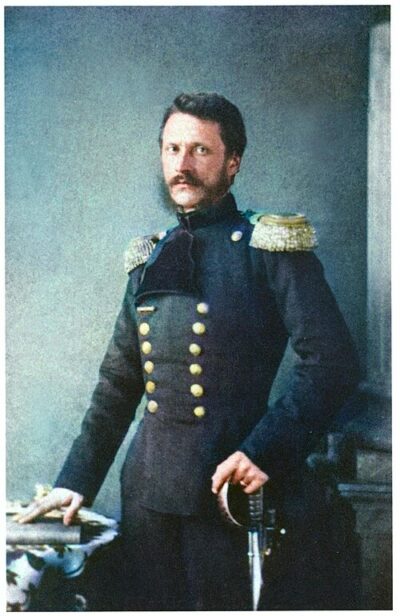 Alexandru Ioan Cuzafirst ruler of the United Principalities of Moldavia and Wallachia
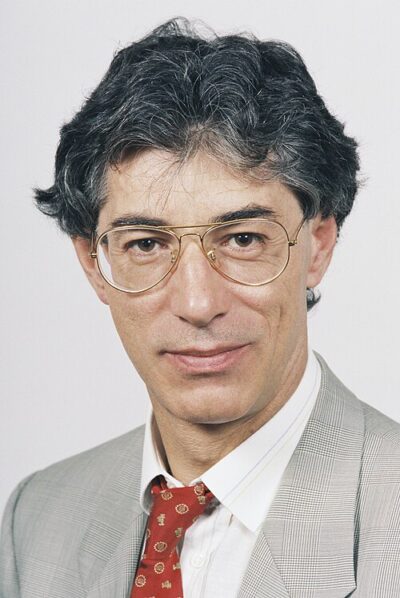 Umberto BossiItalian politician (1941-2026)
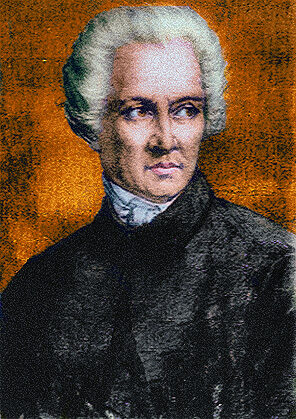 Dionysios Solomos (–1817)Greek poet (1798–1857)
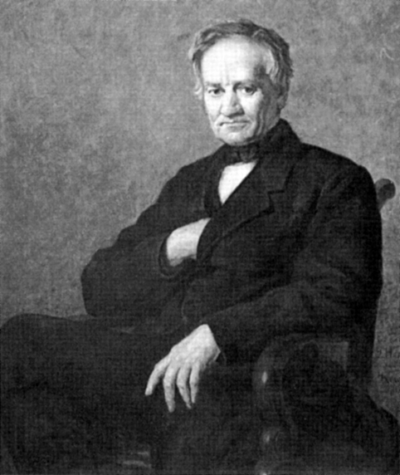 Eduard RüppellGerman naturalist and explorer (1794-1884)
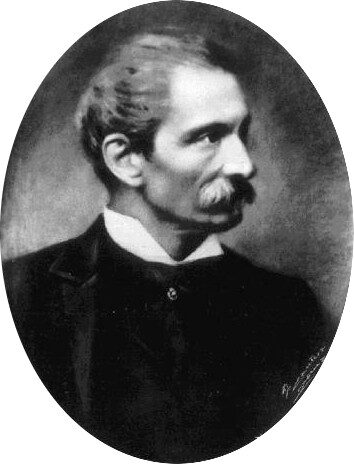 Giuseppe ZanardelliPrime Minister of Italy (1826-1903)
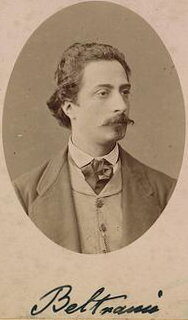 Eugenio Beltrami (1853–1856)Italian mathematician (1835–1900)
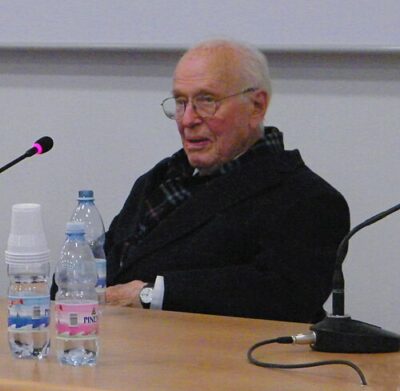 Luigi Luca Cavalli-SforzaItalian population geneticist (1922–2018)
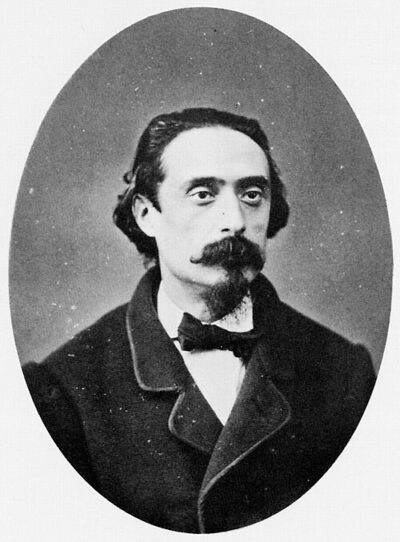 Paolo MantegazzaItalian neurologist, physiologist, and anthropologist (1831-1910)
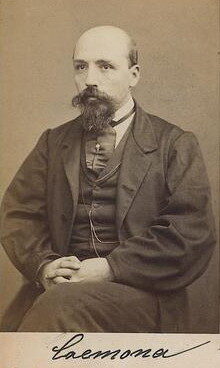 Luigi Cremona (1849–1853)Italian mathematician (1830-1903)
- CCarlo M. CipollaItalian economic historian (1922–2000)
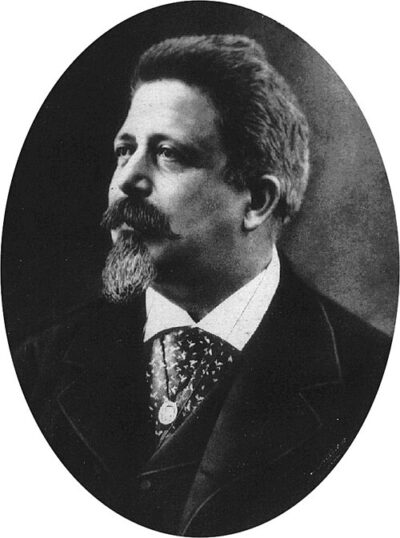 Benedetto CairoliItalian politician (1825–1889)
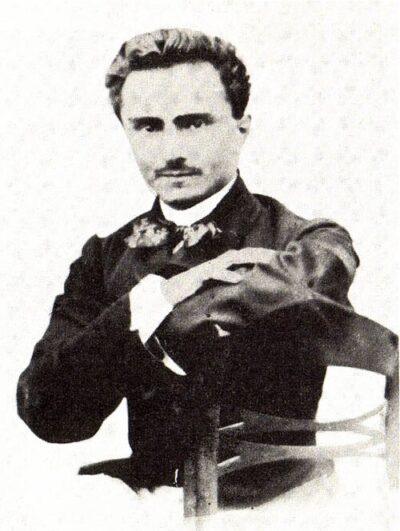 Ippolito NievoItalian writer, journalist and patriot (1831-1861)
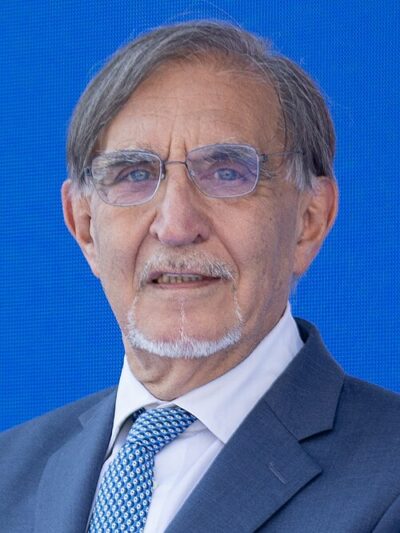 Ignazio Benito Maria La RussaItalian politician (born 1947)
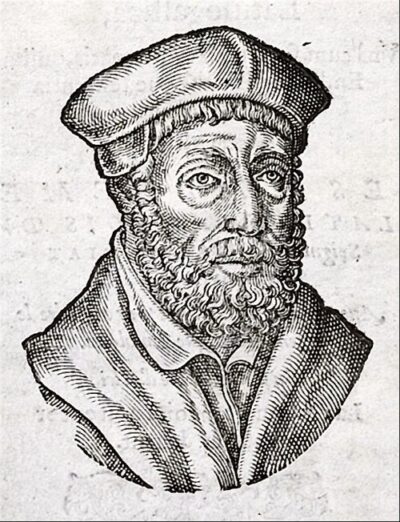 Andrea AlciatoItalian jurist and writer (1492–1550)
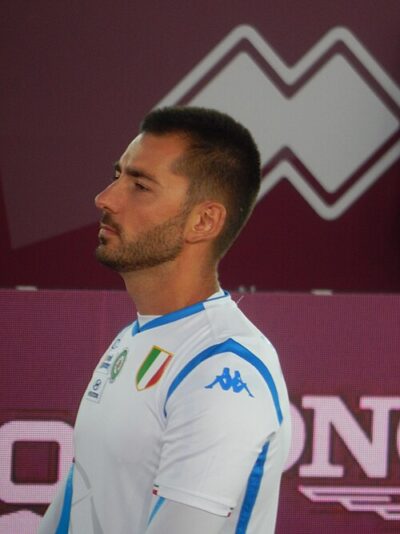 Mauro NespoliItalian archer
and 8 more
Worked here
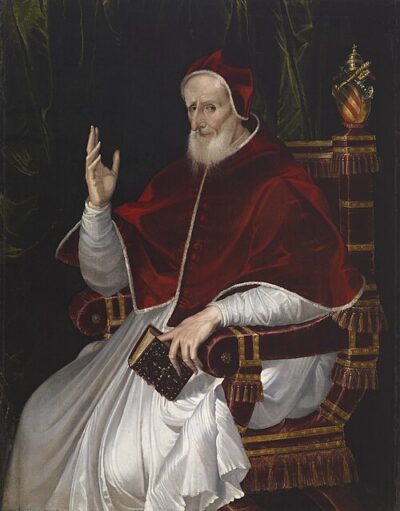 Pius V16th‑century Italian pope and Catholic saint, leading Counter‑Reformation reformer
- Gerolamo Cardano (1543–1562)Italian Renaissance mathematician, physician, astrologer (1501-1576)
- Camillo Golgi (1876–1918)Italian physician, pathologist, scientist, and Nobel laureate (1843-1926)
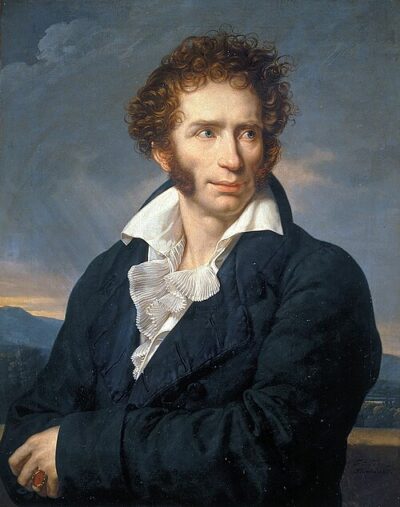 Ugo FoscoloItalian writer and poet (1778–1827)
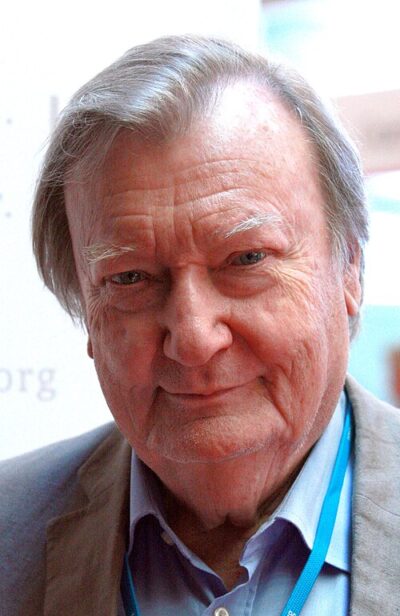 Carlo RubbiaItalian particle physicist
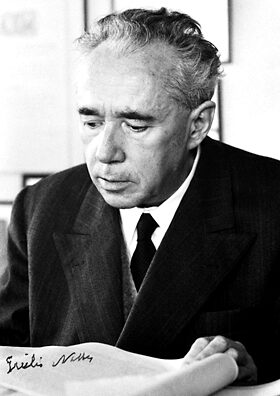 Giulio NattaItalian chemist
- Lorenzo VallaItalian Renaissance humanist (c. 1407–1457)
- Cesare LombrosoItalian psychiatrist, physician, and criminologist (1835-1909)
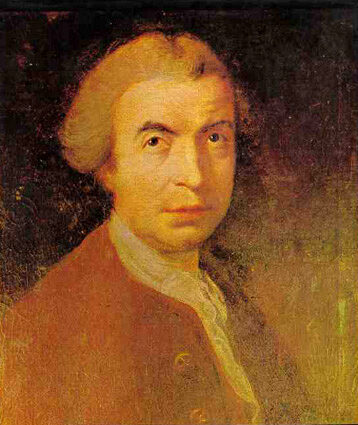 Ruđer Josip Bošković (1764–1772)Croat physicist (1711–1787)
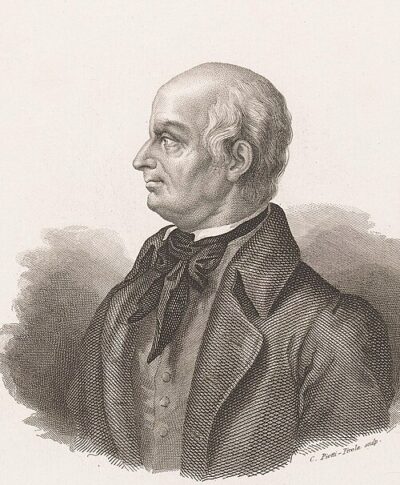 Lazzaro SpallanzaniItalian priest, biologist and physiologist (1729-1799)
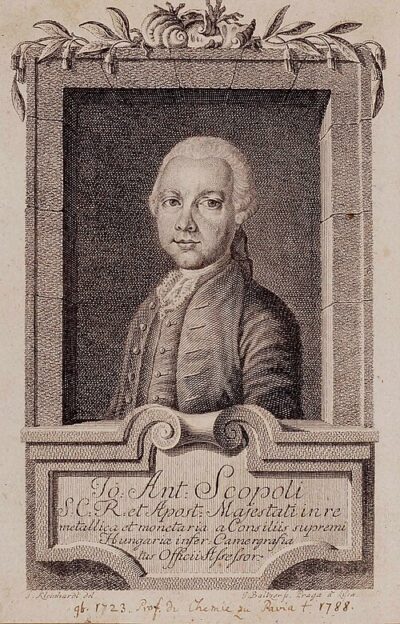 Giovanni Antonio ScopoliTyrolean physician and naturalist (1723-1788)
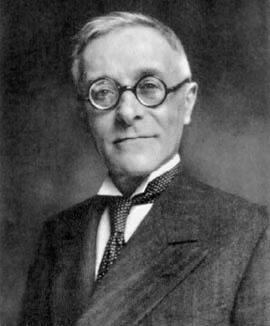 Tullio Levi-Civita (1895–1898)Italian mathematician and physicist (1873–1941)
- Eugenio Beltrami (1876–1891)Italian mathematician (1835–1900)
- Luigi Luca Cavalli-SforzaItalian population geneticist (1922–2018)
- GGiovanni Girolamo SaccheriItalian Jesuit and mathematician
- Paolo MantegazzaItalian neurologist, physiologist, and anthropologist (1831-1910)
- CCarlo M. CipollaItalian economic historian (1922–2000)
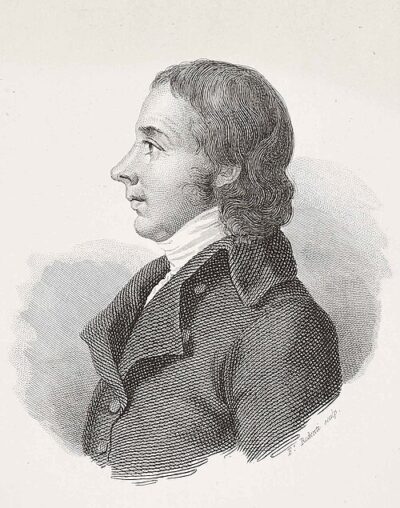 Lorenzo Mascheroni (1786–1797)Italian mathematician and poet (1750–1800)
- Andrea AlciatoItalian jurist and writer (1492–1550)
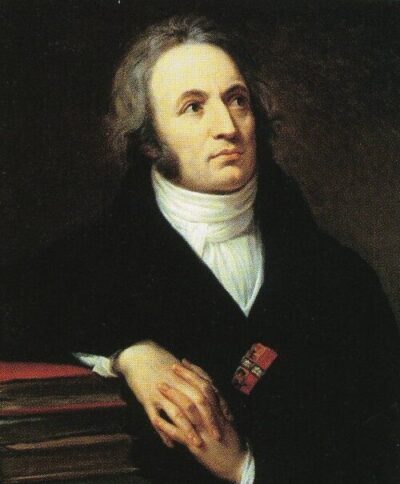 Vincenzo MontiItalian writer (1754-1828)
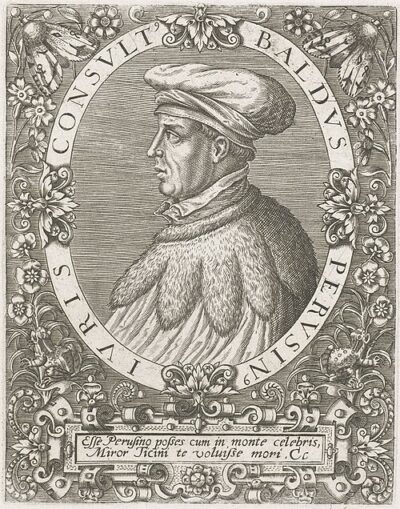 Baldus de UbaldisItalian jurist and writer (1327–1400)
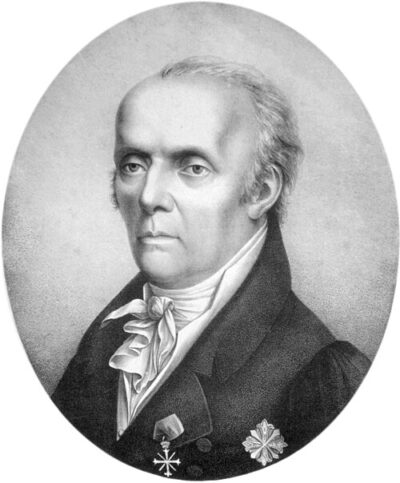 Johann Peter FrankGerman physician
