
Baly Medal
Baly Medal is a science award. It was created in 1869. It is given by the Royal College of Physicians, London.
- Country
- United Kingdom
- Created
- 1869
All 5 facts, and where they come from
Facts
5 facts · 0 confirmed by two sources · 1 cited · 4 from one source
Where this comes from
Papalocal keeps its own record. It started from these sources; what each one said is kept here as it was copied, so a change on their side never changes this page by itself. Tap one to read its version.
What Wikidata says · copied November 16, 2026 · revision 2476058801
- What it is
- science award
- Created
- 1869
- Country
- United Kingdom
- Given by
- Royal College of Physicians, London
- Named after
- William Baly · 1 reference
- Wikipedias with a page
- 3
Wikidata item Q42609895 (wikidata.org/wiki/Q42609895), public domain (CC0). Copied 2026-11-16.
What Wikipedia says · copied November 16, 2026 · revision 1290882546
The Baly Medal is a biennial award awarded by the Royal College of Physicians of London.
Founded by a gift from Frederick Daniel Dyster (1809?–93) received in 1866, confirmed by deed 1930 – in memory of William Baly: £400 to provide a gold medal for the person deemed to have most distinguished himself in the science of physiology, especially during the previous two years. The award is made every alternate year on the recommendation of the President and Council at the Quarterly Meeting in July and presented on the occasion of the Harveian Oration.
From the Wikipedia article “Baly Medal” (en.wikipedia.org/wiki/Baly_Medal), by its contributors, under CC BY-SA 4.0 (creativecommons.org/licenses/by-sa/4.0/). Copied 2026-11-16; not changed.
Confirmed Two sources agree. Cited One source, and it names where it got it. One source One source, without a reference of its own. Sources disagree The sources disagree. We show the best-supported value and keep theirs below.
People connected 27
Won it 27
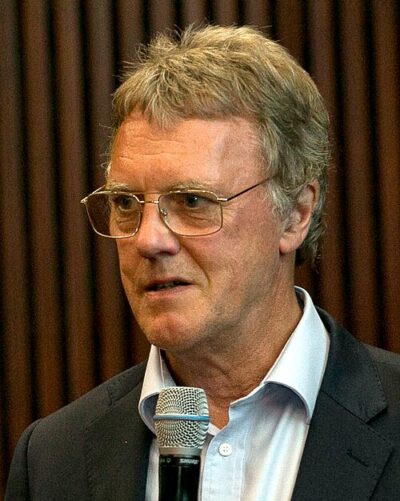 Peter J. Ratcliffe (2011)British biologist & Nobel laureate in medicine
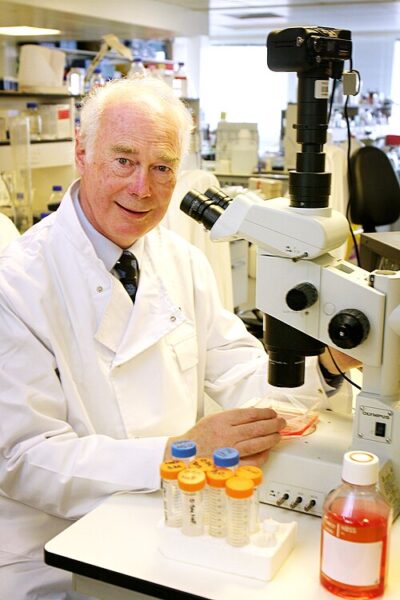 Martin Evans (2009)English developmental biologist
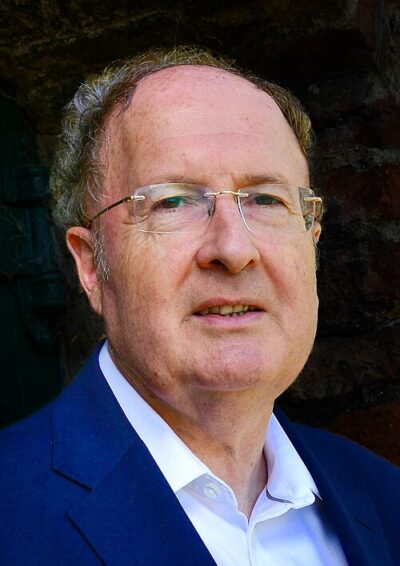 Greg Winter (2005)British biochemist (born 1951)
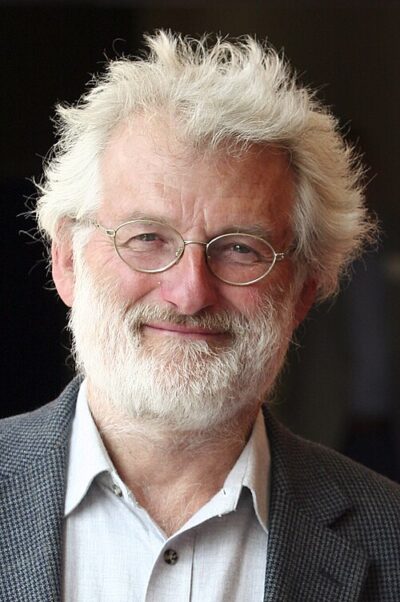 John Sulston (2003)British biologist and Nobel laureate (1942–2018)
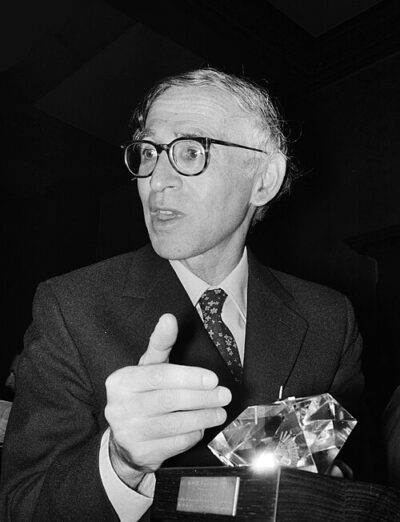 Aaron Klug (1987)British chemist and biophysicist
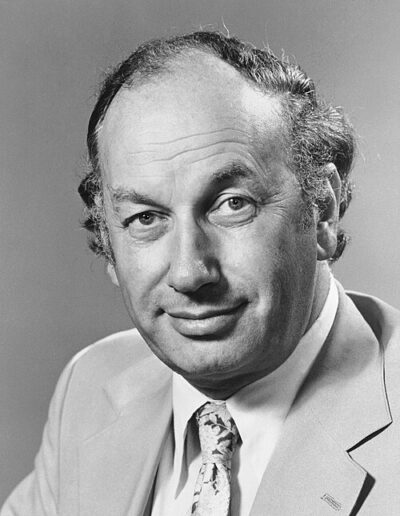 John Vane (1977)English pharmacologist (1927-2004)
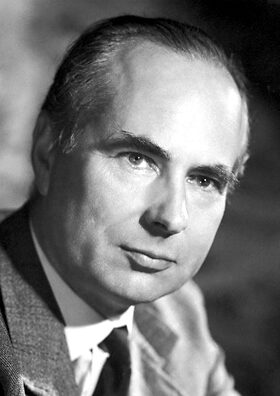 Andrew Huxley (1975)English physiologist and biophysicist (1917–2012)
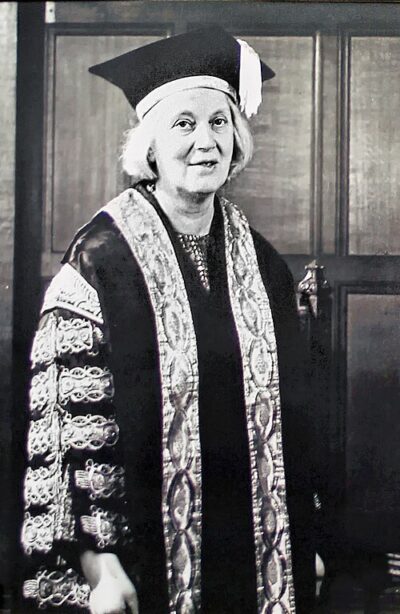 Dorothy Hodgkin (1971)British chemist
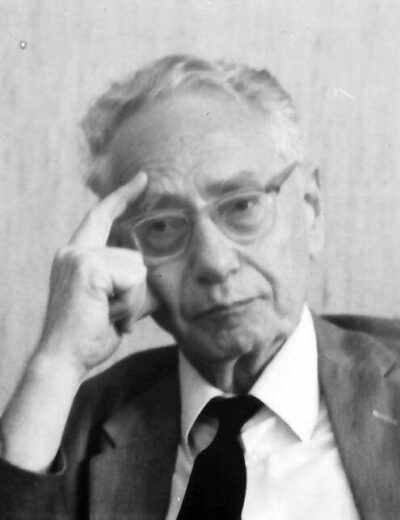 Bernard Katz (1967)German-British biophysicist (1911–2003)
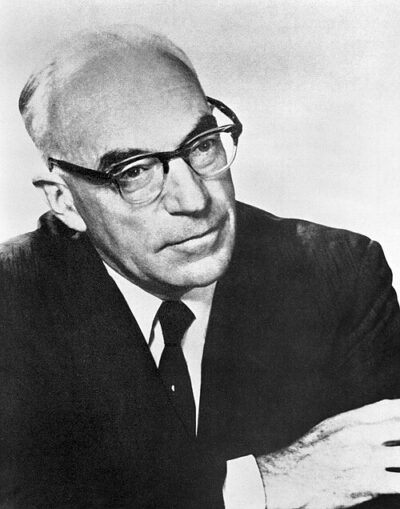 John Carew Eccles (1961)Australian neurophysiologist (1903–1997)
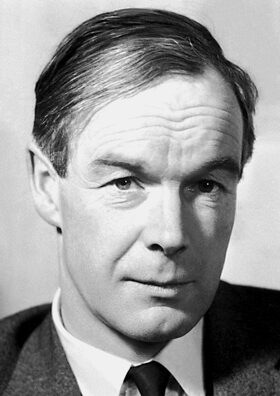 Alan Lloyd Hodgkin (1955)physiologist and biophysicist (1914-1998)
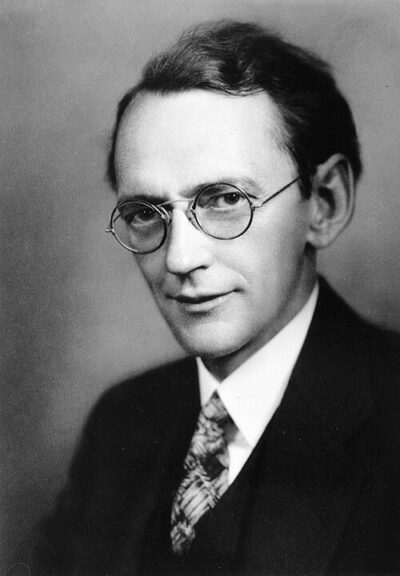 Karl Lashley (1953)American psychologist (1890–1958)
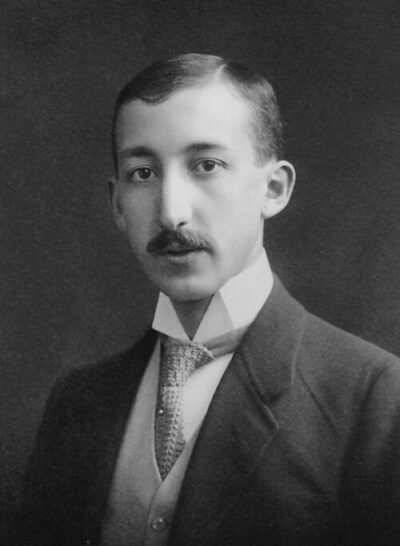 George de Hevesy (1951)Hungarian chemist (1885–1966)
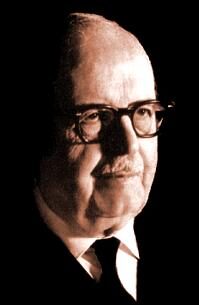 Bernardo Houssay (1947)Argentine physician (1887–1971)
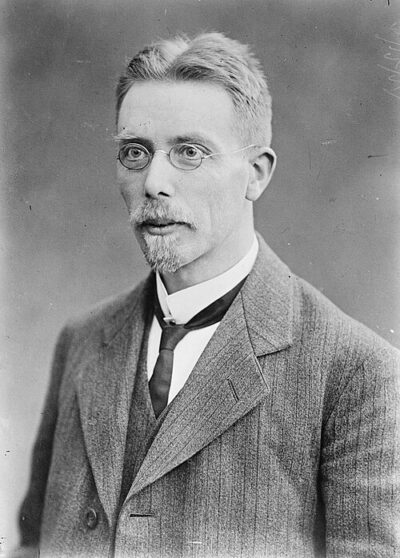 August Krogh (1945)Danish physiologist (1874–1949)
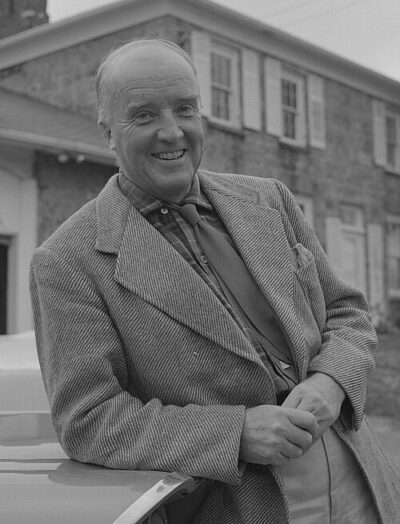 Charles Herbert Best (1939)medical scientist, co-discoverer of insulin (1899-1978)
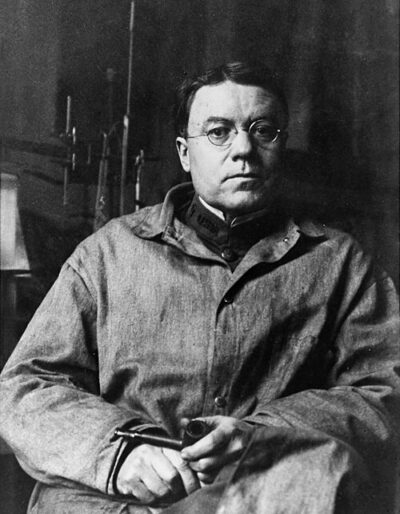 Walter Bradford Cannon (1931)American physiologist (1871-1945)
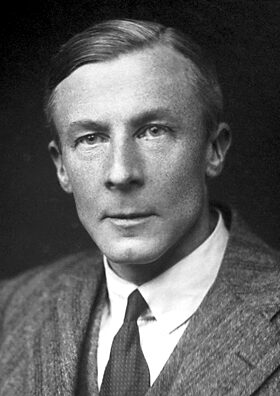 Edgar Douglas Adrian (1929)English electrophysiologist (1889-1977)
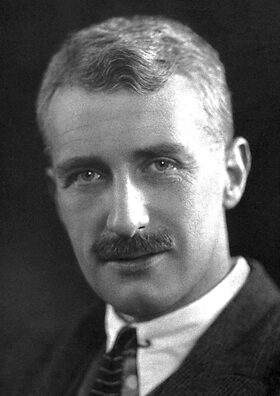 Archibald Hill (1927)English physiologist and biophysicist (1886-1977)
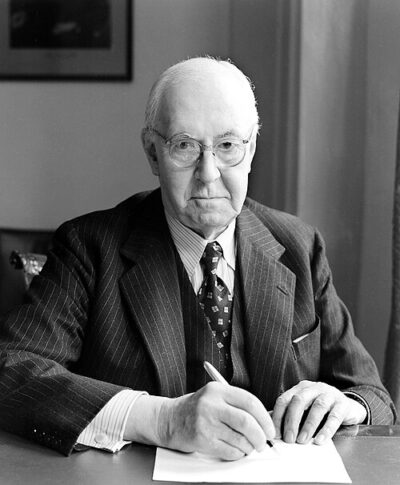 Henry Hallett Dale (1921)English pharmacologist, Nobel laureate (1875–1968)
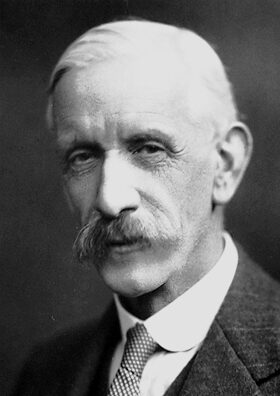 Frederick Hopkins (1915)English biochemist
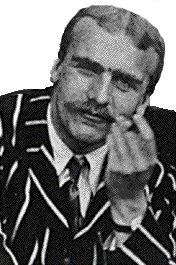 J.B.S. Haldane (1913)Geneticist and evolutionary biologist (1892-1964)
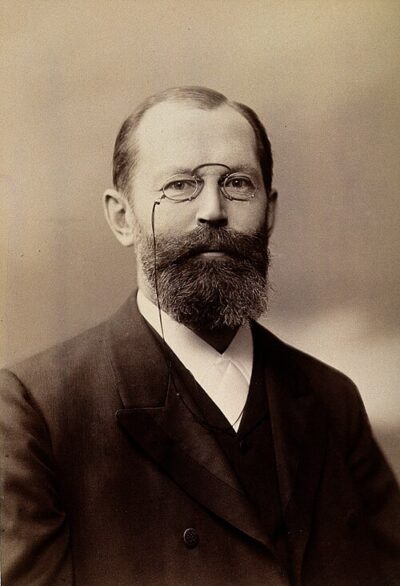 Emil Fischer (1909)German chemist (1852–1919)
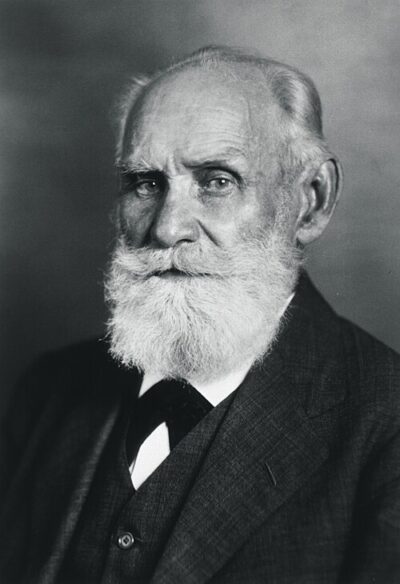 Ivan Pavlov (1905)Russian physiologist (1849–1936)
and 3 more
