

Blood Order
Blood Order is one of the most prestigious decorations in the Nazi Party. It was created in 1933.
- Country
- Nazi Germany
- Created
- November 9, 1933
All 3 facts, and where they come from
Facts
3 facts · 0 confirmed by two sources · 0 cited · 3 from one source
Where this comes from
Papalocal keeps its own record. It started from these sources; what each one said is kept here as it was copied, so a change on their side never changes this page by itself. Tap one to read its version.
What Wikidata says · copied November 17, 2026 · revision 2570594882
- Described as
- one of the most prestigious decorations in the Nazi Party
- What it is
- medal
- Created
- November 9, 1933
- Country
- Nazi Germany
- Wikipedias with a page
- 26
Wikidata item Q667167 (wikidata.org/wiki/Q667167), public domain (CC0). Copied 2026-11-17.
What Wikipedia says · copied November 17, 2026 · revision 1386188779
The Blood Order (German: Blutorden), officially known as the Decoration in Memory of 9 November 1923 (Medaille zur Erinnerung an den 9. November 1923), was one of the most prestigious decorations in the Nazi Party (NSDAP). During March 1934, Hitler authorized the Blood Order to commemorate the 9 November 1923 coup attempt of the Nazi Party. The medal is silver, with the obverse bearing a depiction of an eagle grasping an oak leaf wreath. Inside the wreath is the date 9.Nov. and to the right is the inscription München 1923–1933. The reverse shows the entrance of the Feldherrnhalle in relief (where the coup ended in defeat), and directly above is the angled swastika with sun rays in the background. Along the top edge is the inscription: "Und ihr habt doch gesiegt" ("And after all, you won").
From the Wikipedia article “Blood Order” (en.wikipedia.org/wiki/Blood_Order), by its contributors, under CC BY-SA 4.0 (creativecommons.org/licenses/by-sa/4.0/). Copied 2026-11-17; not changed.
Confirmed Two sources agree. Cited One source, and it names where it got it. One source One source, without a reference of its own. Sources disagree The sources disagree. We show the best-supported value and keep theirs below.
Picture: Wikimedia Commons: Bloedorde 1934 Duitsland.jpg · See Commons file page
People connected 24
Won it
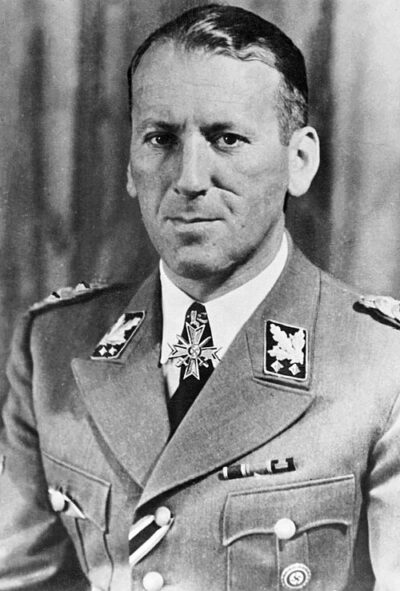 Ernst Kaltenbrunner (1942)Austrian SS official, a major perpetrator of the Holocaust and convicted war criminal (1903-1946)
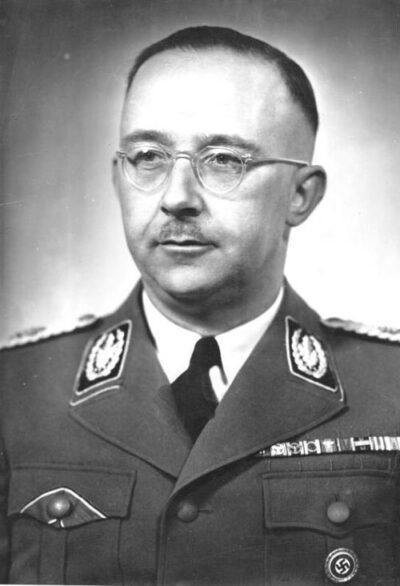 Heinrich Himmler (1934)German Nazi politician; leader of the German SS & main architect of the Holocaust (1900-1945)
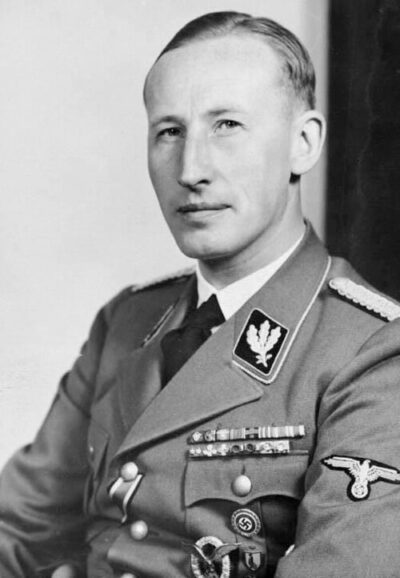 Reinhard Heydrich (1923)German Nazi SS and Gestapo police official and main architect of the Holocaust Genocide (1904-1942)
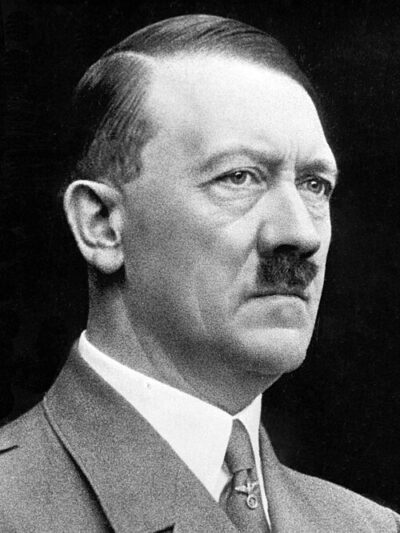 Adolf HitlerDictator of Germany from 1933 to 1945 (1889–1945)
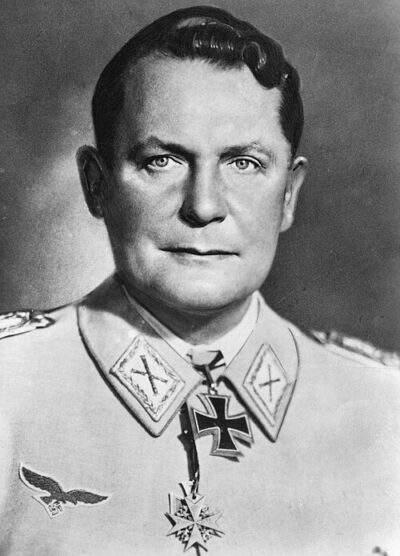 Hermann GöringGerman Nazi politician, military leader, and convicted war criminal (1893–1946)
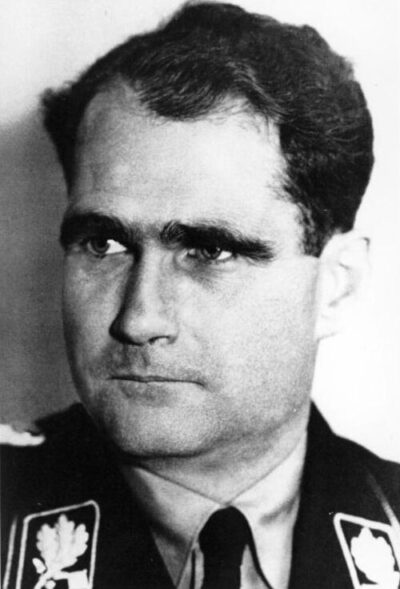 Rudolf HessGerman Nazi leader and Reich Minister without Portfolio (1894–1987)
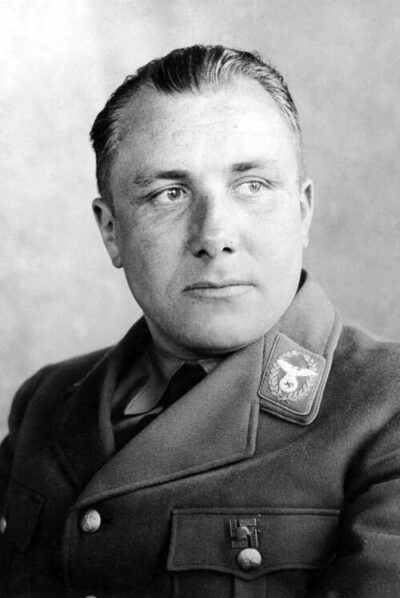 Martin BormannGerman Nazi Party official and head of the Nazi Party Chancellery (1900–1945)
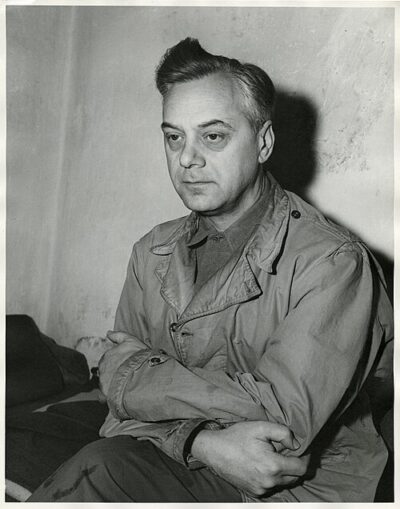 Alfred RosenbergBaltic German architect, Nazi politician and ideologue (1893–1946)
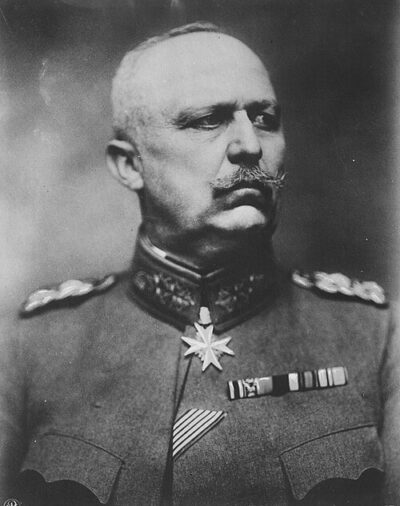 Erich LudendorffGerman general and politician (1865–1937)
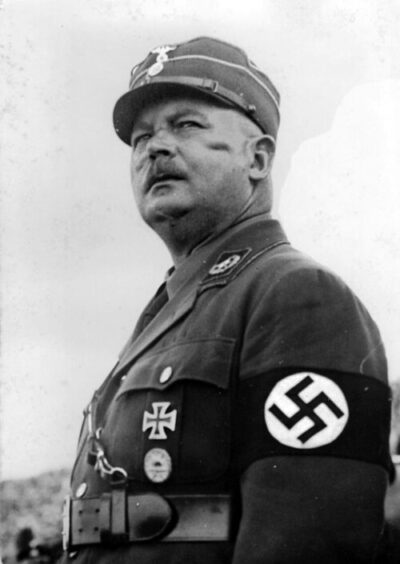 Ernst RöhmGerman Nazi politician, military officer and leader of the Sturmabteilung (1887-1934)
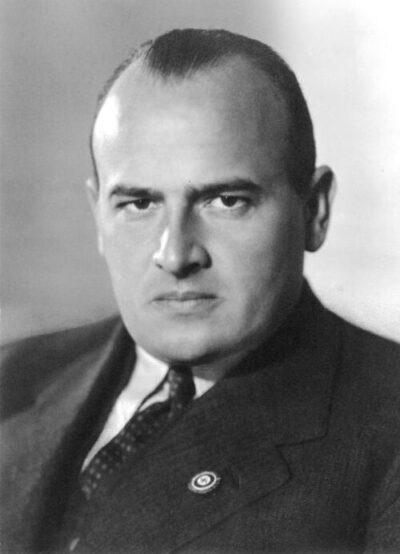 Hans FrankGerman lawyer, Nazi politician, General Governor of Nazi occupied Poland and convicted war criminal (1900–1946)
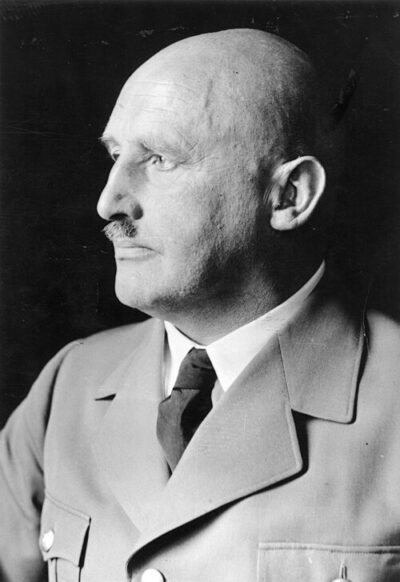 Julius StreicherGerman publisher, Nazi politician and convicted war criminal (1885-1946)
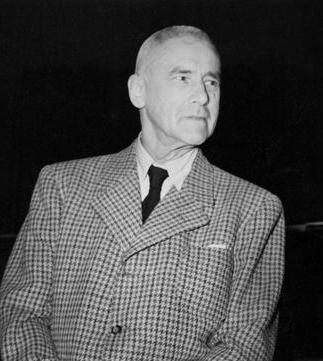 Wilhelm FrickGerman Nazi Party politician (1877–1946)
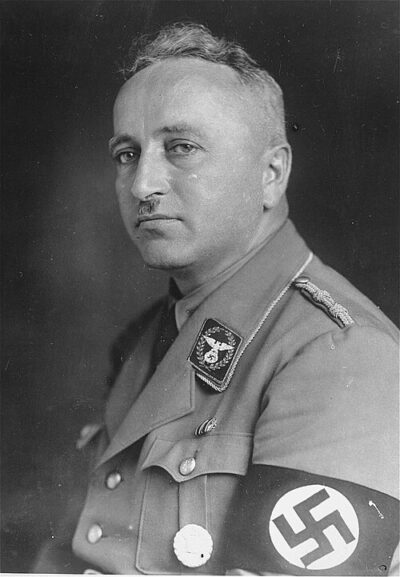 Robert LeyGerman Nazi politician; indicted by the International Military Tribunal for war crimes (1890-1945)
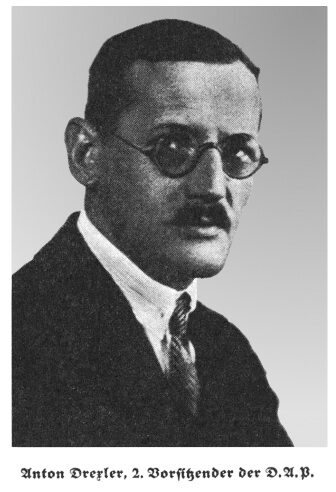 Anton DrexlerGerman politician (1884-1942)
 Sepp DietrichGerman Military Officer and Waffen-SS general and a convicted Nazi Military war criminal (1892-1966)
 Kurt DaluegeGerman SS general and Deputy Reich Protector of Bohemia and Moravia (1897-1946)
 Philipp BouhlerGerman general, head of Nazi Action T4 euthanasia program for children and the handicapped (1899–1945)
 Emil MauriceGerman officer (1897-1972)
 Max AmannGerman politician (NSDAP), MdR and journalist (1891–1957)
 Eduard DietlGerman general (1890-1944)
 Julius SchreckNazi officer, First commander of the SS (1898-1936)
 Joseph BerchtoldNazi officer, Second commander of the SS (1897–1962)
 Franz Xaver Schwarzpolitician from Germany (1875-1947)
