

Concours général
Concours général is an annual French academic competition for 11th and 12th grade students. It was created in 1747 by Louis Le Gendre.
- Country
- France
- Created
- 1747
All 7 facts, and where they come from
Facts
7 facts · 0 confirmed by two sources · 0 cited · 7 from one source
Where this comes from
Papalocal keeps its own record. It started from these sources; what each one said is kept here as it was copied, so a change on their side never changes this page by itself. Tap one to read its version.
What Wikidata says · copied November 16, 2026 · revision 2569617714
- Described as
- annual French academic competition for 11th and 12th grade students
- What it is
- recurring event; award; test
- Created
- 1747
- Founded by
- Louis Le Gendre
- Country
- France
- Official website
- https://concoursgeneral.org/category/le-concours-general/
- Wikipedias with a page
- 5
Wikidata item Q908793 (wikidata.org/wiki/Q908793), public domain (CC0). Copied 2026-11-16.
What Wikipedia says · copied November 16, 2026 · revision 1373224484
In France, the Concours Général (French pronunciation: [kɔ̃kuʁ ʒeneʁal]), created in 1747, is the most prestigious academic competition held every year between students of Première (11th grade) and Terminale (12th and final grade) in almost all subjects taught in both general, technological and professional high schools. Exams usually take place in March, and their results are known in June or July. Students who show great ability in one field are selected to participate by their teachers and their school principal.
Most of the time, no more than one student per high school is allowed to participate in the competition, which requires strong knowledge of college level topics (Some "elite" high schools sometimes depart from this rule, presenting dozens of students, such as the Lycée Louis-Le-Grand, the Lycée Saint-Louis de Gonzague or the Lycée Henri IV in Paris).
In the humanities and social sciences, the exams involve one or more essays and last 6 hours. In the sciences, the exams last almost as long and are problem-based.
In a given subject, up to 18 awards can be given:up to 3 Prizes. A student winning a prize takes part in a ceremony held in the main amphitheatre of the Sorbonne University, where they are given the diploma and congratulated by the Minister of Education and members of the government.
up to 5 Accessits
up to 10 Regional awards
A student who wins any of the above is called a "lauréat du Concours Général". In Mathematics, the "Lauréat" is invited to a series of conferences at the Institute Poincaré and is usually selected to attend the Clay Institute summer school of science.
From the Wikipedia article “Concours général” (en.wikipedia.org/wiki/Concours_général), by its contributors, under CC BY-SA 4.0 (creativecommons.org/licenses/by-sa/4.0/). Copied 2026-11-16; not changed.
Confirmed Two sources agree. Cited One source, and it names where it got it. One source One source, without a reference of its own. Sources disagree The sources disagree. We show the best-supported value and keep theirs below.
Picture: Wikimedia Commons: Médaille Napoléon III empereur, Lycée impérial Louis-le-Grand (1863) Graveur Armand Auguste Caqué (1793-1881) (1).JPG · See Commons file page
People connected 41
Won it 41
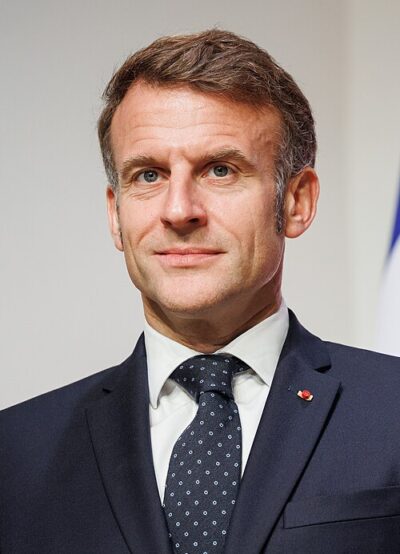 Emmanuel Macron (1994)President of France and Co-Prince of Andorra since 2017
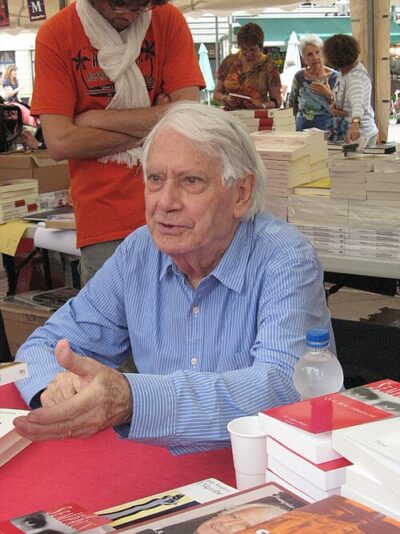 Jorge Semprún (1941)Spanish-French writer (1923-2011)
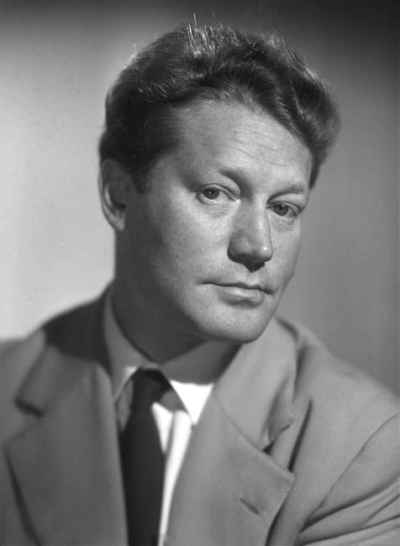 Maurice Druon (1936)French novelist
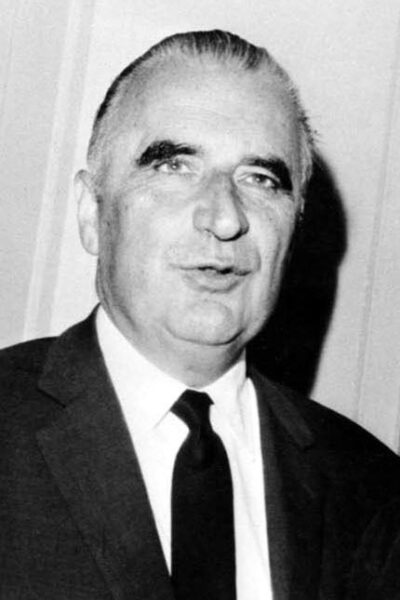 Georges Pompidou (1927)President of France from 1969 to 1974
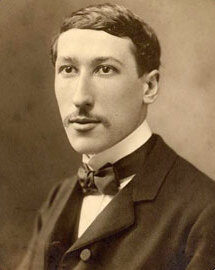 René Guénon (1904)French metaphysician (1886-1951)
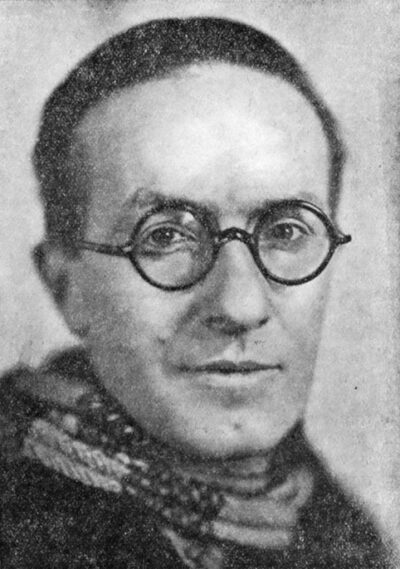 Jean Giraudoux (1902)French novelist, essayist, diplomat and playwright (1882–1944)
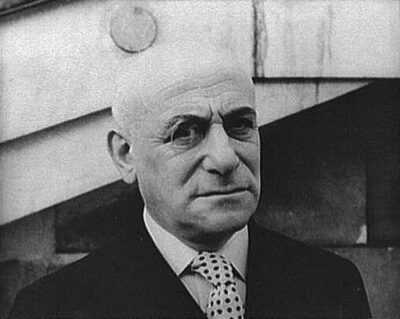 Max Jacob (1894)French poet, painter, writer and critic (1876-1944)
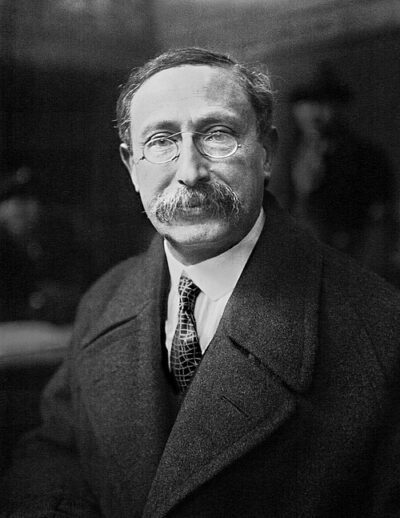 Léon Blum (1889)French politician (1872–1950)
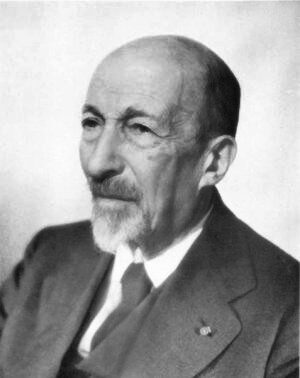 Jacques Hadamard (1883)French mathematician (1865–1963)
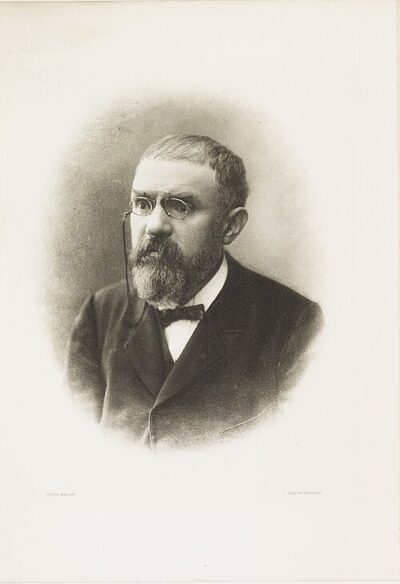 Henri Poincaré (1873)French mathematician, physicist and engineer (1854–1912)
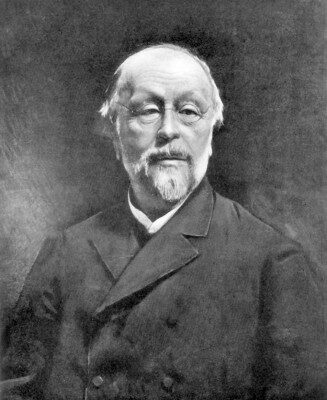 Hippolyte Taine (1847)French literary critic and historian (1828-1893)
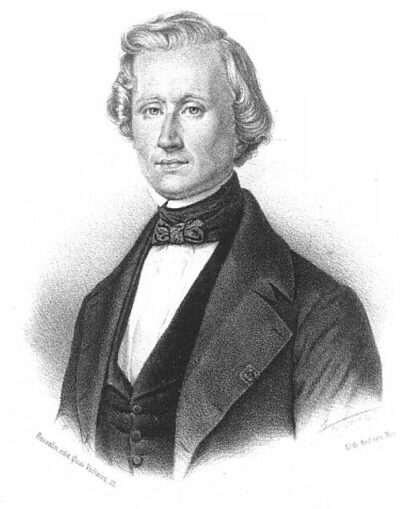 Urbain Le Verrier (1831)French astronomer (1811-1877)
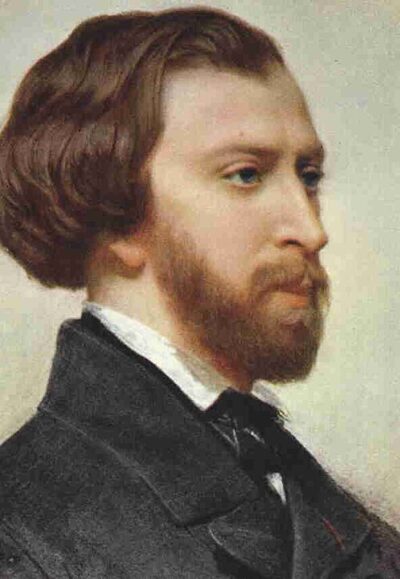 Alfred de Musset (1827)French writer (1810–1857)
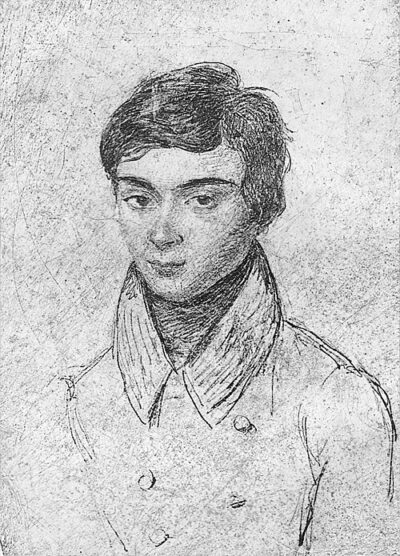 Évariste Galois (1827)French mathematician (1811-1832)
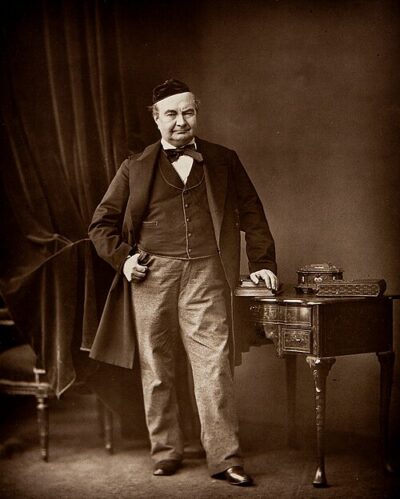 Charles-Augustin Sainte-Beuve (1822)French literary critic (1804–1869)
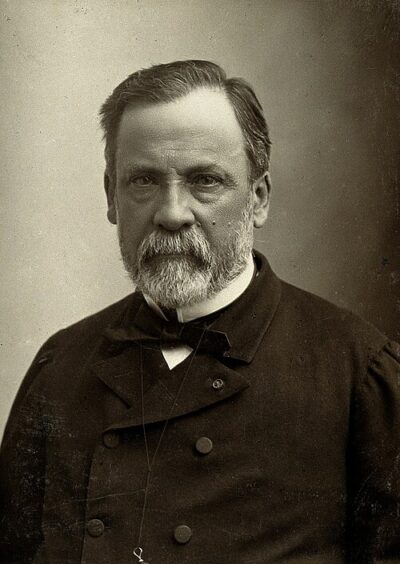 Louis PasteurFrench chemist and microbiologist (1822–1895)
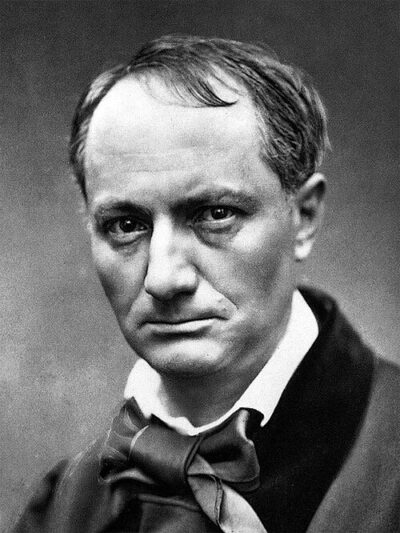 Charles BaudelaireFrench poet and critic (1821–1867)
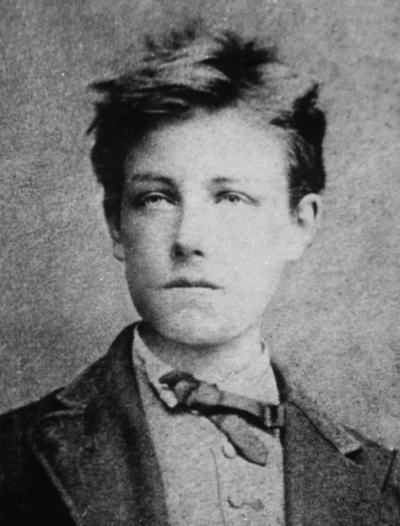 Arthur RimbaudFrench poet (1854-1891)
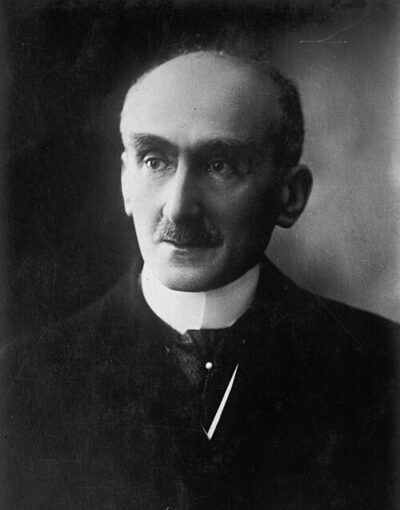 Henri BergsonFrench philosopher (1859–1941)
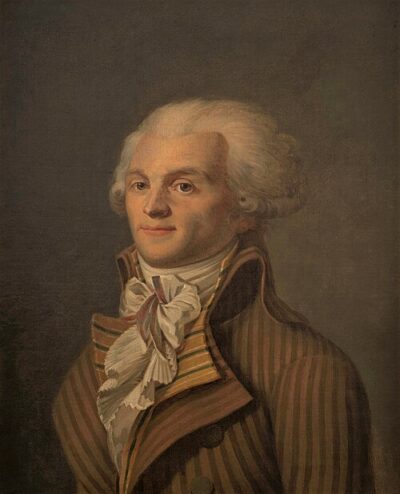 Maximilien RobespierreFrench revolutionary lawyer and politician (1758–1794)
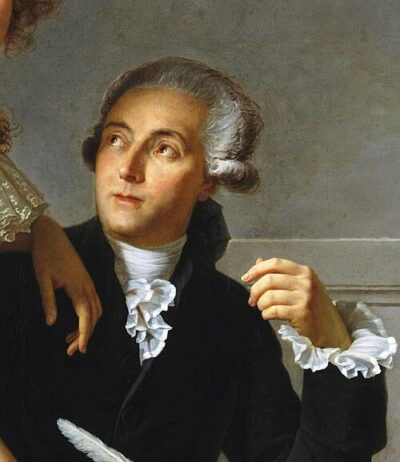 Antoine LavoisierFrench nobleman and chemist (1743–1794)
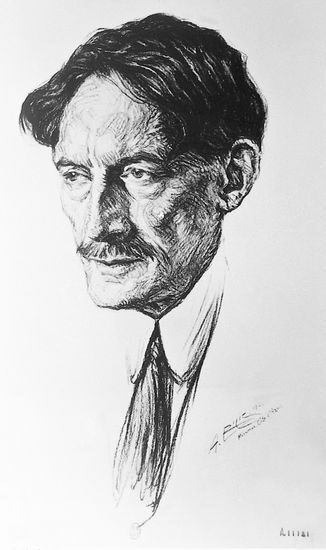 Henri BarbusseFrench author (1873-1935)
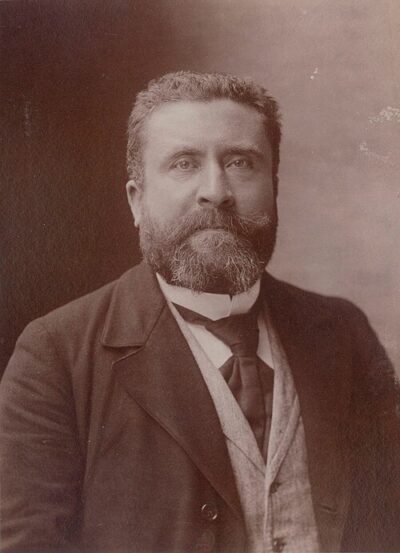 Jean JaurèsFrench / Occitan socialist leader (1859-1914)
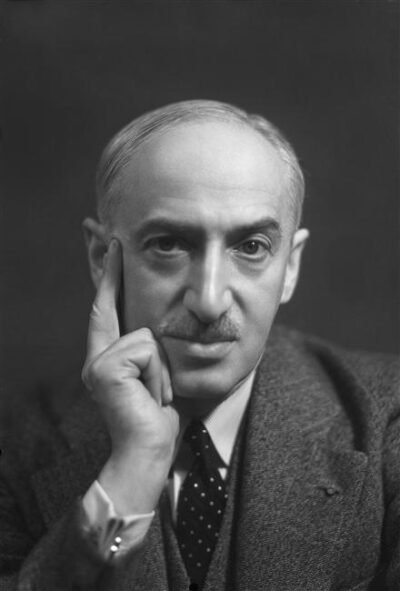 André MauroisFrench author (1885–1967)
and 17 more
