
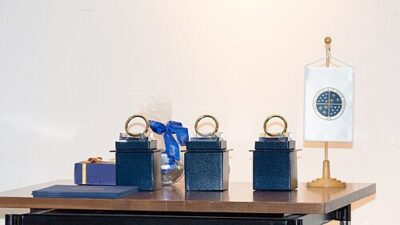
European Academy of Sciences and Arts
The European Academy of Sciences and Arts is an international NGO in Salzburg, Austria (1990-).
- Founded
- March 7, 1990
- Headquarters
- Salzburg
- Country
- Austria
All 7 facts, and where they come from
Facts
7 facts · 0 confirmed by two sources · 0 cited · 7 from one source
Where this comes from
Papalocal keeps its own record. It started from these sources; what each one said is kept here as it was copied, so a change on their side never changes this page by itself. Tap one to read its version.
What Wikidata says · copied November 16, 2026 · revision 2569134280
- Described as
- international NGO in Salzburg, Austria (1990-)
- Other names
- EASA, euro-acad.eu
- What it is
- academy of sciences and arts
- Founded
- March 7, 1990
- Headquarters
- Salzburg
- Country
- Austria
- Chair
- Felix Unger (1990–2020) · 1 reference; Klaus Mainzer (2020–) · 1 reference
- Official website
- http://www.euro-acad.eu/
- Wikipedias with a page
- 28
Wikidata item Q46703 (wikidata.org/wiki/Q46703), public domain (CC0). Copied 2026-11-16.
What Wikipedia says · copied November 16, 2026 · revision 1367766714
The European Academy of Sciences and Arts (EASA, Latin: Academia Scientiarum et Artium Europaea) is a transnational and interdisciplinary network, connecting about 2,000 recommended scientists and artists worldwide, including 37 Nobel Prize laureates. The European Academy of Sciences and Arts is a learned society of scientists and artists, founded by Felix Unger. The academy was founded 1990, is situated in Salzburg and has been supported by the city of Vienna, the government of Austria, and the European Commission.
The EASA is now headed by President Klaus Mainzer, TUM Emeritus of Excellence at the Technical University of Munich and Senior Professor at the Carl Friedrich von Weizsäcker Center of the University of Tübingen.
It is unrelated to and should not be confused with the Belgium-based European Academy of Sciences (EURASC).
It is a member of the InterAcademy Partnership. Its activities have included a collaboration with the Latvian Academy of Sciences: the European-Latvian Institute for Cultural and Scientific Exchange (EUROLAT), founded in 1993.
From the Wikipedia article “European Academy of Sciences and Arts” (en.wikipedia.org/wiki/European_Academy_of_Sciences_and_Arts), by its contributors, under CC BY-SA 4.0 (creativecommons.org/licenses/by-sa/4.0/). Copied 2026-11-16; not changed.
Confirmed Two sources agree. Cited One source, and it names where it got it. One source One source, without a reference of its own. Sources disagree The sources disagree. We show the best-supported value and keep theirs below.
Picture: Raimond Spekking, via Wikimedia Commons · CC BY-SA 4.0
People connected 98
Members 98
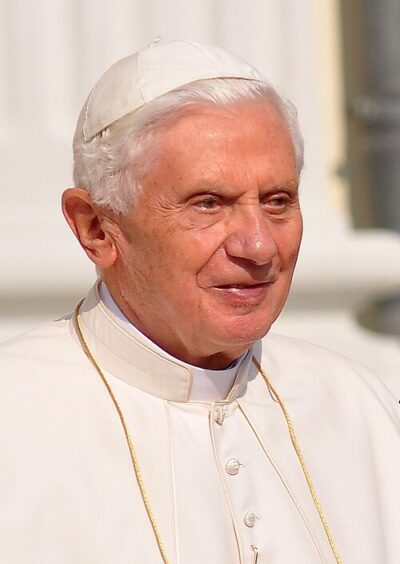 Benedict XVI265 th pope of the Catholic Church (2005–2013)
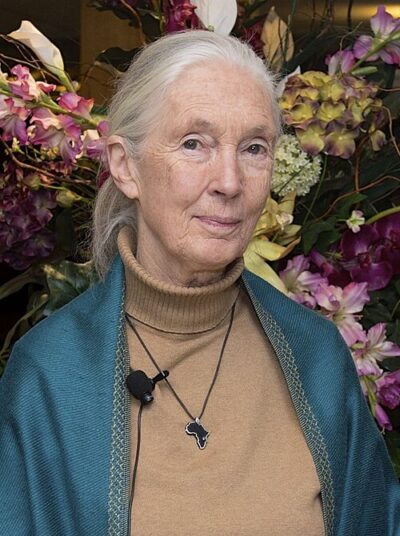 Jane GoodallEnglish primatologist and anthropologist (1934–2025)
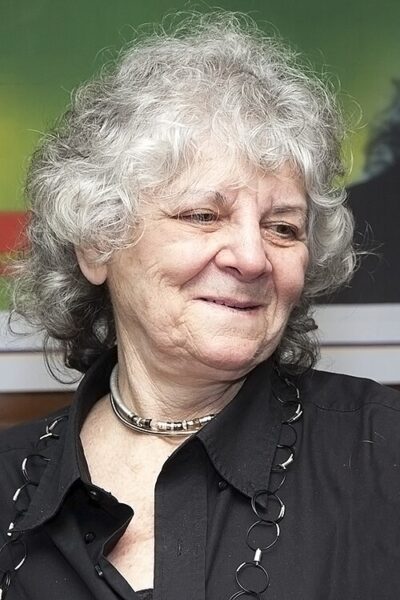 Ada YonathIsraeli structural biologist and Nobel laureate (1939–2026)
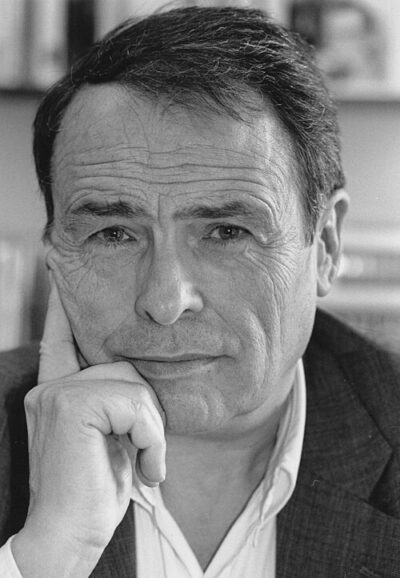 Pierre BourdieuFrench sociologist, anthropologist, and philosopher (1930–2002)
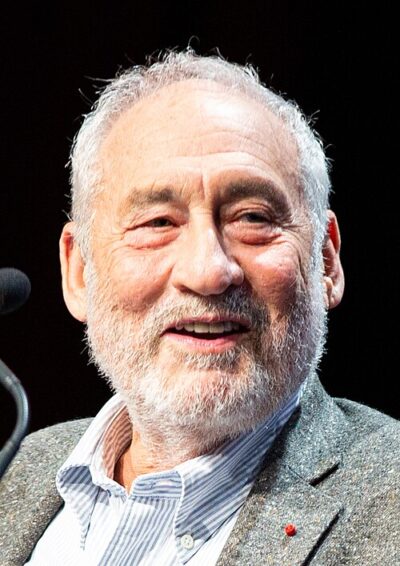 Joseph StiglitzAmerican economist, professor, and recipient of the Nobel Memorial Prize in Economics
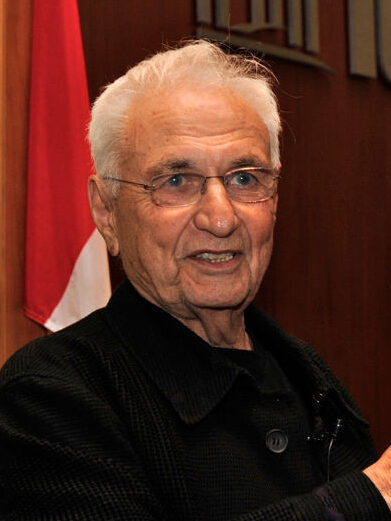 Frank GehryCanadian and American architect (1929–2025)
 Thomas KuhnAmerican historian, physicist and philosopher (1922 – 1996)
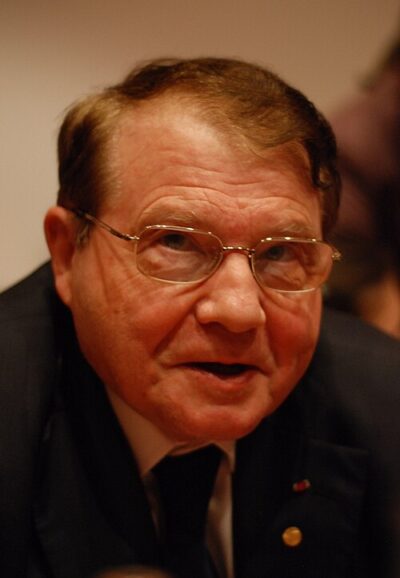 Luc MontagnierFrench virologist and joint recipient of the Nobel Prize of Physiology or Medicine (2008)
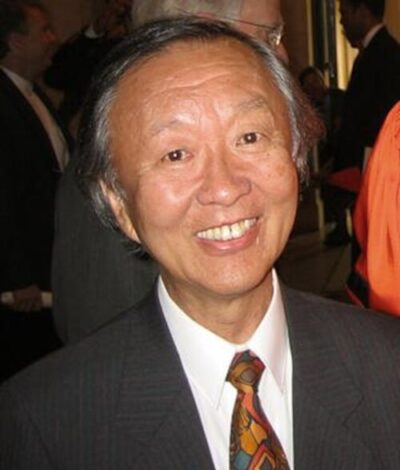 Charles K. KaoHong Kong-British-American physicist
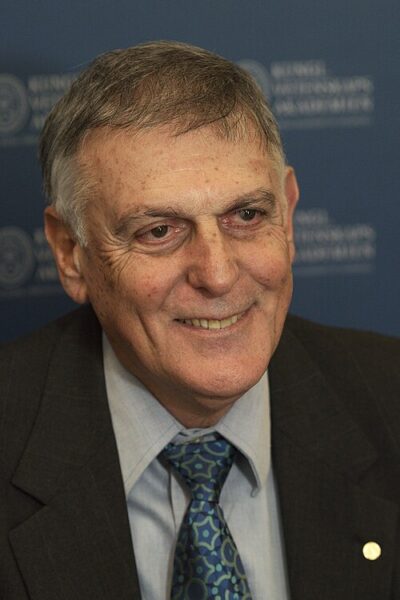 Dan ShechtmanIsraeli scientist
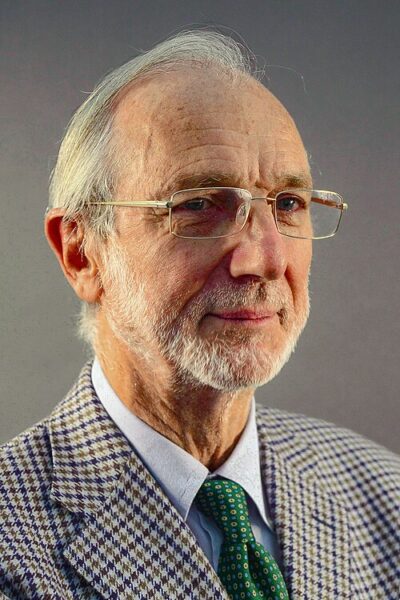 Renzo PianoItalian architect (1937-)
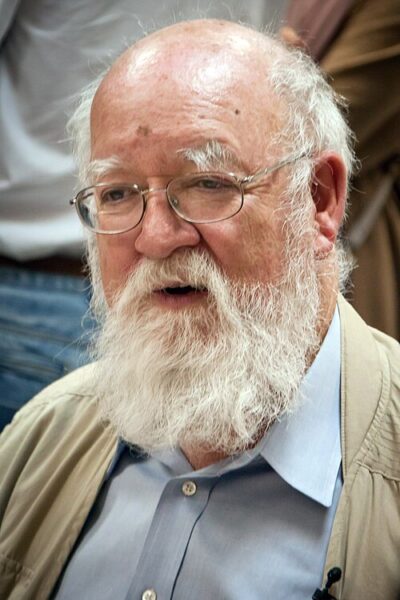 Daniel DennettAmerican philosopher (1942–2024)
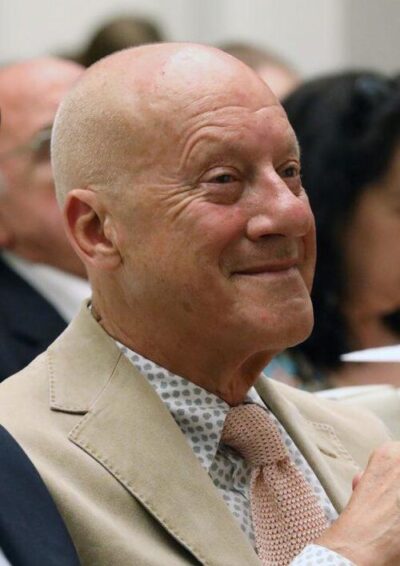 Norman FosterBritish architect (born 1935)
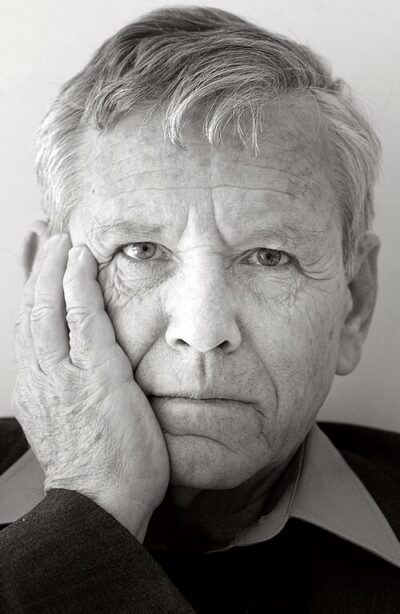 Amos OzIsraeli writer, novelist, journalist and intellectual (1939–2018)
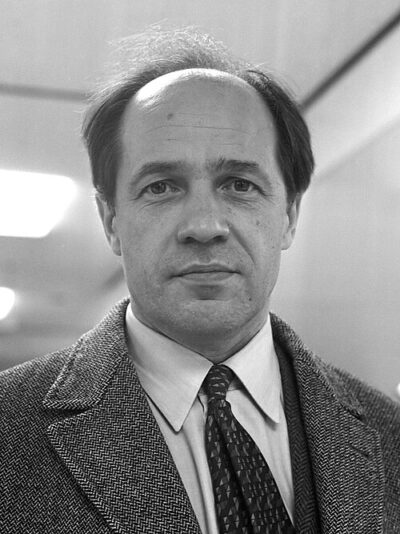 Pierre BoulezFrench composer, conductor and writer (1925–2016)
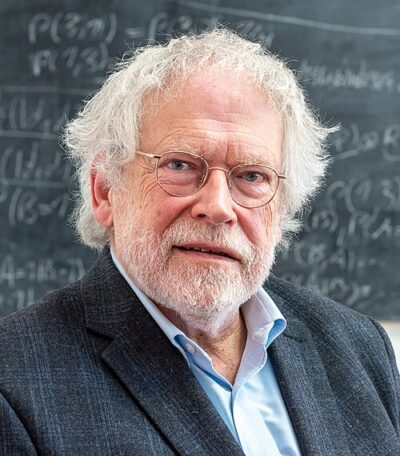 Anton ZeilingerAustrian quantum physicist (born 1945)
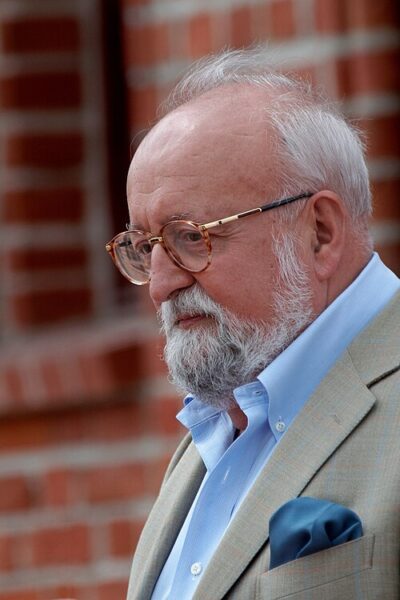 Krzysztof PendereckiPolish composer and conductor (1933–2020)
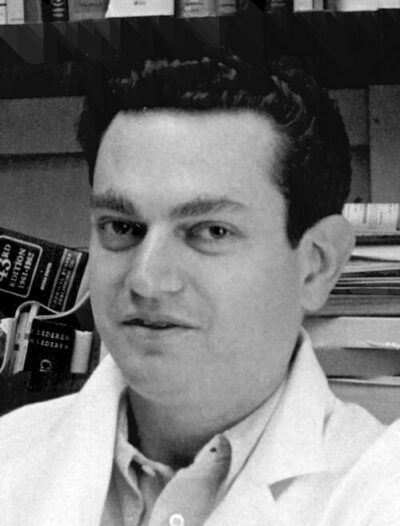 Marshall Warren NirenbergAmerican biochemist and geneticist (1927-2010)
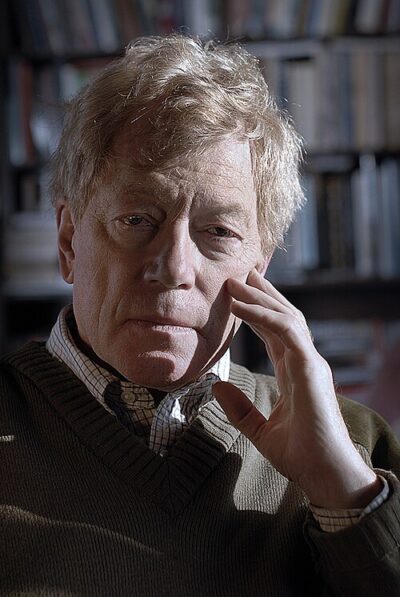 Roger ScrutonEnglish conservative philosopher and writer (1944–2020)
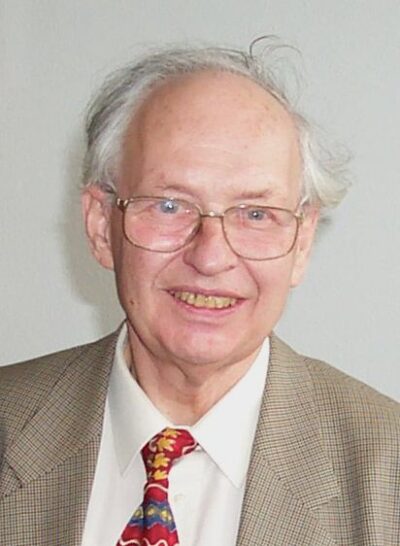 Reinhard SeltenGerman economist (1930-2016)
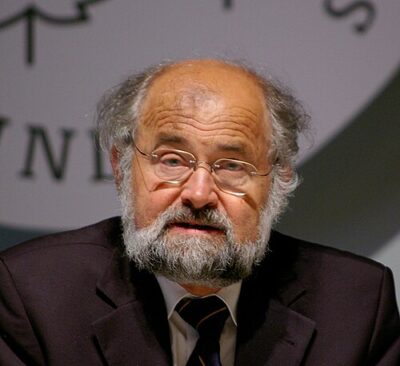 Erwin Neher (1992–)German biophysicist
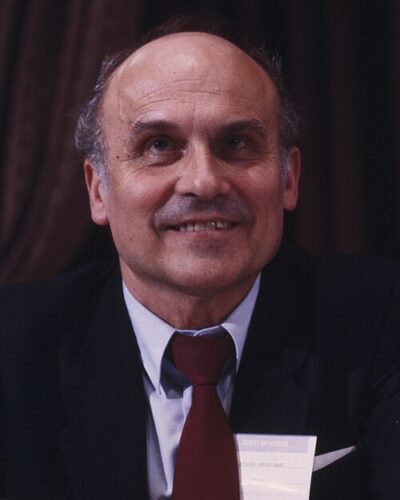 Ryszard KapuścińskiPolish journalist, photographer, poet and author (1932–2007)
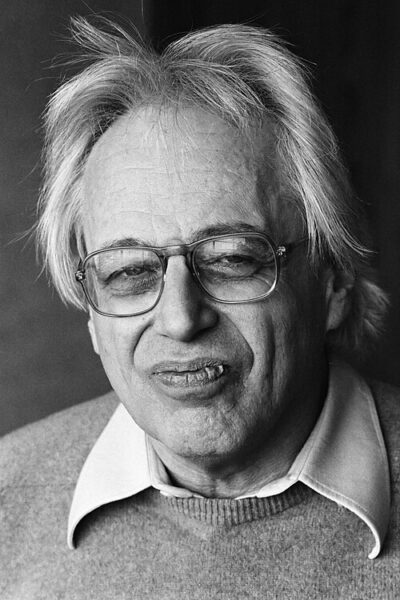 György LigetiHungarian composer (1923-2006)
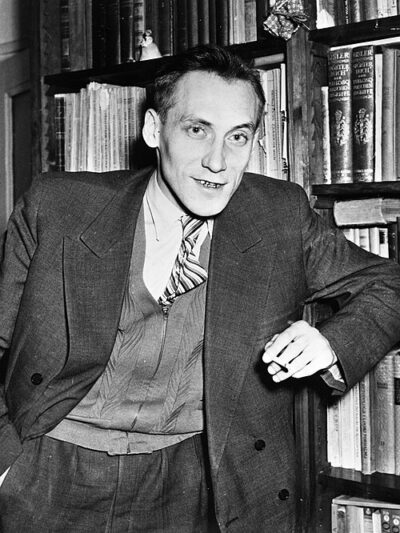 Leszek KołakowskiPhilosopher, historian of ideas (1927–2009)
and 74 more
