
Feltrinelli Prize
Feltrinelli Prize is an Italian award for various achievements.
- Country
- Italy
All 5 facts, and where they come from
Facts
5 facts · 0 confirmed by two sources · 0 cited · 5 from one source
Where this comes from
Papalocal keeps its own record. It started from these sources; what each one said is kept here as it was copied, so a change on their side never changes this page by itself. Tap one to read its version.
What Wikidata says · copied November 16, 2026 · revision 2562042329
- Described as
- Italian award for various achievements
- Other names
- Premio Feltrinelli, International Feltrinelli Prize, Antonio Feltrinelli Prize
- What it is
- science award; group of awards
- Country
- Italy
- Named after
- Antonio Feltrinelli
- Official website
- https://www.lincei.it/it/premi-antonio-feltrinelli
- Wikipedias with a page
- 10
Wikidata item Q599434 (wikidata.org/wiki/Q599434), public domain (CC0). Copied 2026-11-16.
What Wikipedia says · copied November 16, 2026 · revision 1332407344
The Feltrinelli Prize (from the Italian "Premio Feltrinelli", also known as "International Feltrinelli Prize" or "Antonio Feltrinelli Prize") is an award for achievement in the arts, music, literature, history, philosophy, medicine, and physical and mathematical sciences. Administered by the Antonio Feltrinelli Fund, the award comes with a monetary grant ranging between €50,000 and €250,000, a certificate, and a gold medal.
The prize is awarded, both nationally and internationally, once every five years in each field by Italy's Accademia Nazionale dei Lincei. A further prize is awarded periodically for an exceptional enterprise in moral and humanitarian value. Considered to be Italy's most distinguished scientific society, the organization was founded in 1603 and included Galileo Galilei among its first members.
From the Wikipedia article “Feltrinelli Prize” (en.wikipedia.org/wiki/Feltrinelli_Prize), by its contributors, under CC BY-SA 4.0 (creativecommons.org/licenses/by-sa/4.0/). Copied 2026-11-16; not changed.
Confirmed Two sources agree. Cited One source, and it names where it got it. One source One source, without a reference of its own. Sources disagree The sources disagree. We show the best-supported value and keep theirs below.
People connected 24
Won it
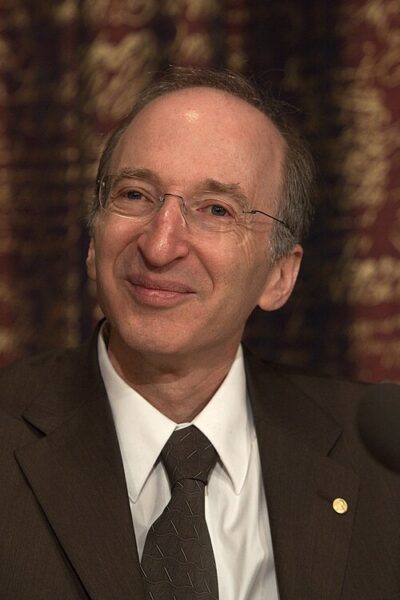 Saul Perlmutter (2006)American astrophysicist and Nobel laureate
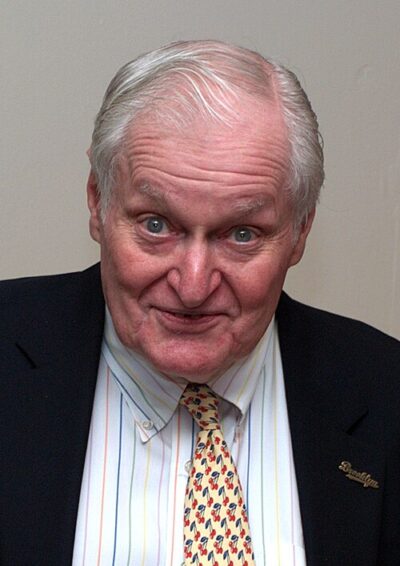 John Ashbery (1992)poet from the United States of America (1927–2017)
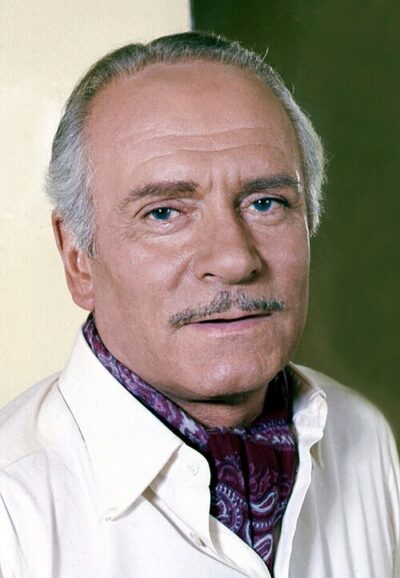 Laurence Olivier (1988)English actor and director (1907–1989)
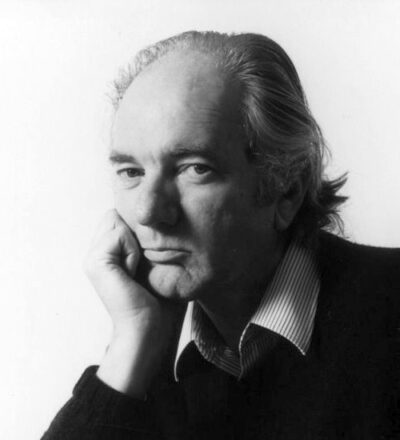 Thomas Bernhard (1987)Austrian playwright and novelist (1931–1989)
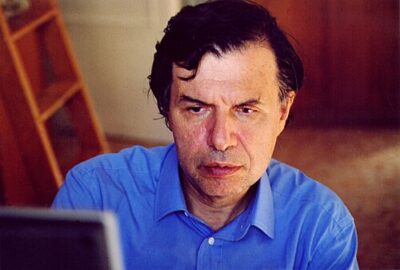 Giorgio Parisi (1986)Italian physicist (1948-)
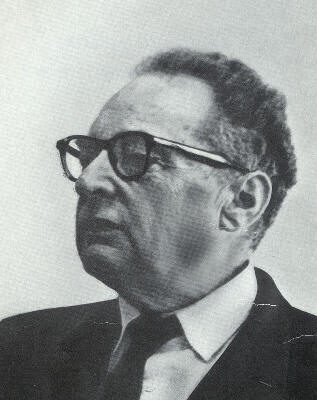 Roman Jakobson (1980)Russian linguist (1896–1982)
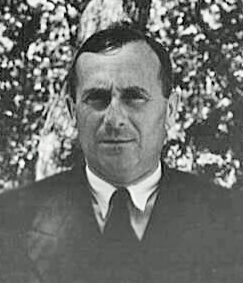 Joan Miró (1978)Spanish painter, sculptor, and ceramicist (1893–1983)
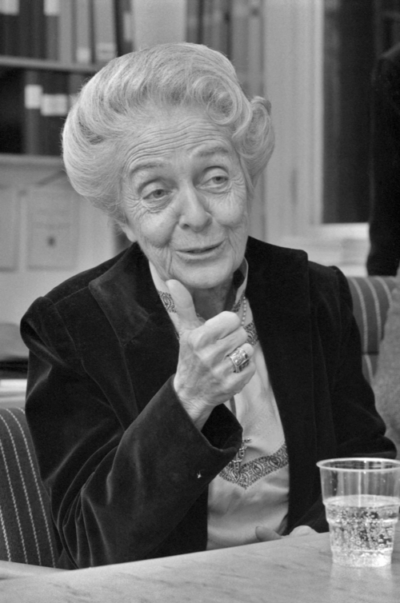 Rita Levi-Montalcini (1969)Italian neurologist (1909–2012)
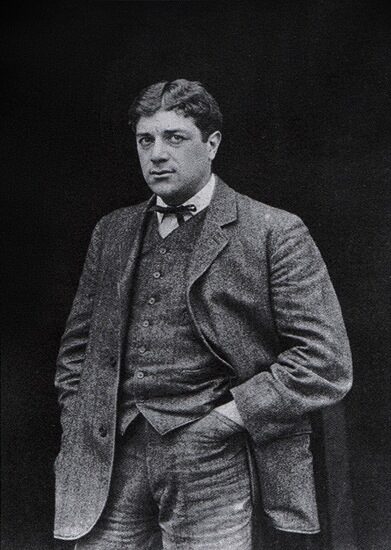 Georges Braque (1959)French painter and sculptor (1882-1963)
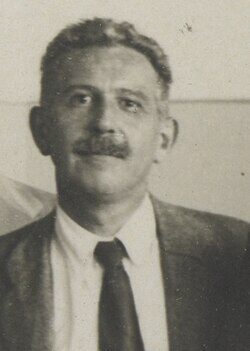 Solomon Lefschetz (1956)Jewish American mathematician (1884-1972)
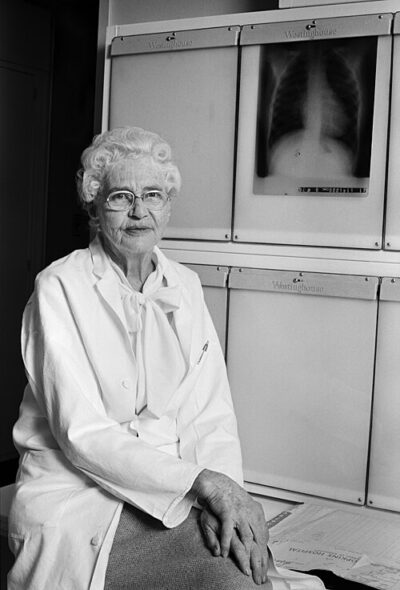 Helen B. Taussig (1954)Jewish-American cardiologist (1898-1986)
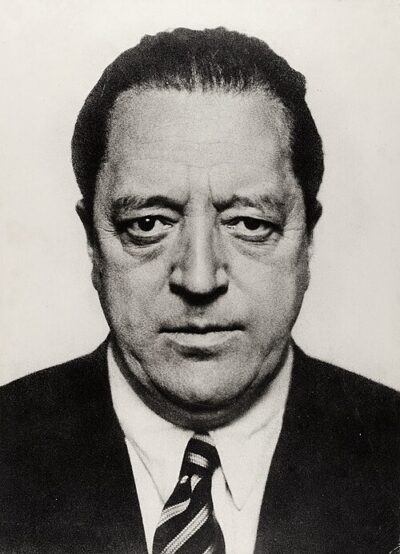 Ludwig Mies van der Rohe (1953)German architect (1886–1969)
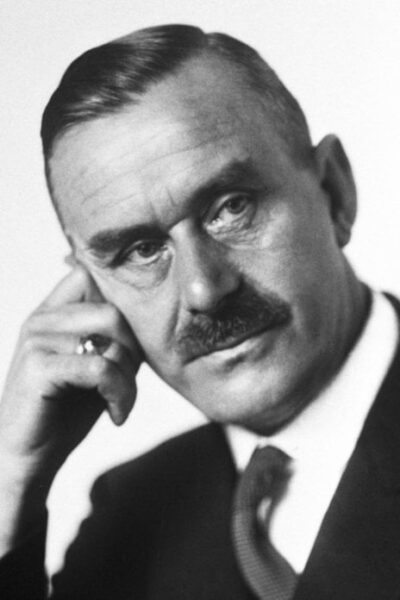 Thomas Mann (1952)German novelist and Nobel Prize laureate (1875–1955)
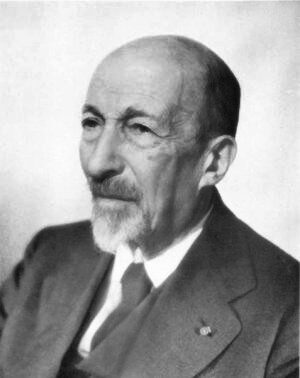 Jacques Hadamard (1951)French mathematician (1865–1963)
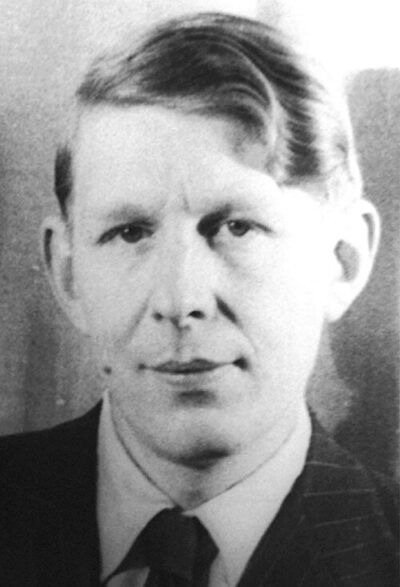 W. H. AudenBritish-American poet (1907–1973)
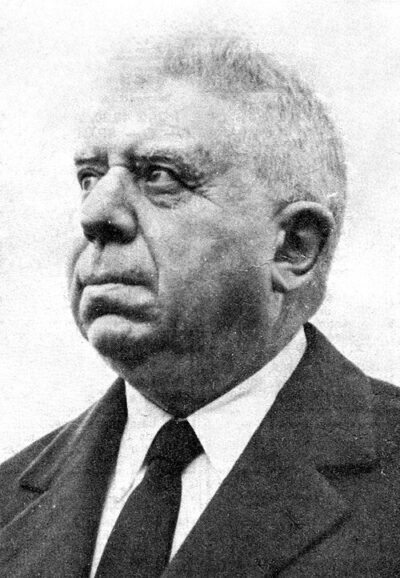 Eugenio MontaleItalian poet (1896-1981)
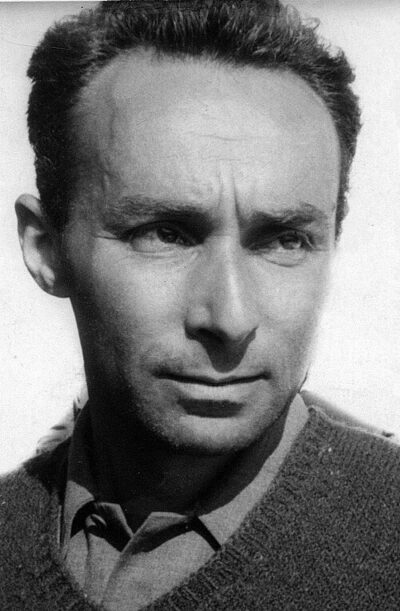 Primo LeviItalian chemist, partisan, Holocaust survivor, and writer (1919–1987)
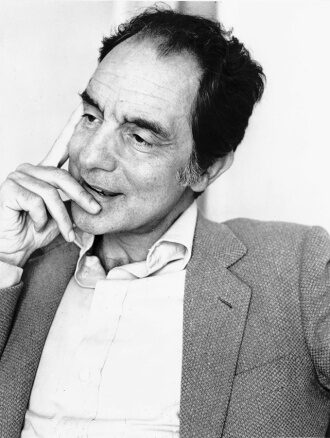 Italo CalvinoItalian journalist and writer (1923-1985)
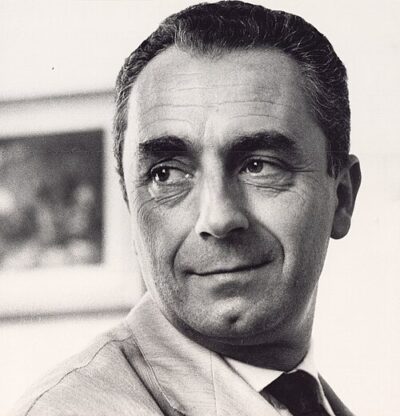 Michelangelo AntonioniItalian film director and screenwriter (1912–2007)
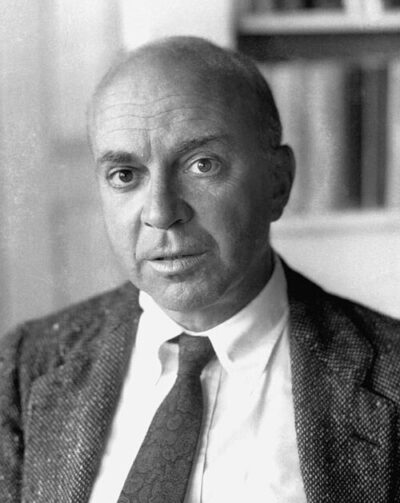 John Dos PassosAmerican novelist (1896–1970)
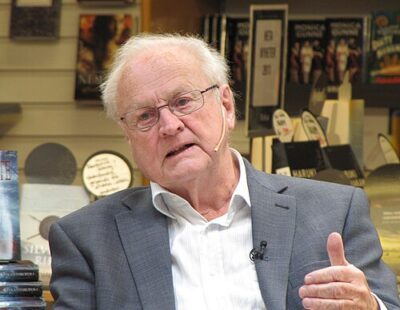 Arvid CarlssonSwedish neuroscientist
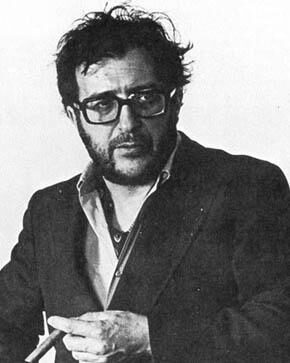 Luciano BerioItalian composer (1925–2003)
- WWilliam BaumolAmerican economist (1922-2017)
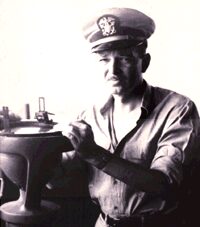 Harry Hammond HessAmerican geologist (1906–1969)
