independent politician
Independent politician is an individual not affiliated to any political party.
All 1 facts, and where they come from
Facts
1 facts · 0 confirmed by two sources · 0 cited · 1 from one source
Where this comes from
Papalocal keeps its own record. It started from these sources; what each one said is kept here as it was copied, so a change on their side never changes this page by itself. Tap one to read its version.
What Wikidata says · copied November 16, 2026 · revision 2556615264
- Described as
- individual not affiliated to any political party
- Other names
- nonpartisan politician, independent member, independent, independent candidate, non-partisan politician
- What it is
- parliamentary grouping
- Wikipedias with a page
- 80
Wikidata item Q327591 (wikidata.org/wiki/Q327591), public domain (CC0). Copied 2026-11-16.
What Wikipedia says · copied November 16, 2026 · revision 1385307111
An independent or non-affiliated politician (typically associated with the label "IND") is a politician not formally affiliated with any political party. In accordance with the applicable electoral law which regulates electoral process in a representative democracy, such non-affiliated politicians are not nominated by political parties, but most commonly by a qualified number of citizens, thus becoming independent candidates, or civic candidates. As in the case of party-candidates, an independent electoral candidacy can be individual (a single independent candidate for a single-seat electoral unit), or collective (electoral list of independent candidates for a multi-seat electoral unit).
Politicians may also become independents after losing or repudiating affiliation with a political party. Independents sometimes choose to form a party, alliance, or technical group with other independents, and may formally register that organization. Even where the word "independent" is used, such alliances can have much in common with a political party, especially if there is an organization which needs to approve the "independent" candidates.
There are various reasons why someone may stand for office as an independent. Some independent politicians disagree with the idea or concept of political parties; viewing them as politically corrupt. Others may have political views that do not align with the platforms of any political party and therefore they choose not to affiliate with them. Some independent politicians may not be associated with a party, perhaps as former members of it or else have views that align with it, but choose not to stand in its name, or are unable to do so because the party in question has selected another candidate. Others may belong to or support a political party at the national level but believe they should not formally represent it (and thus be subject to its policies) at another level. In some cases, a politician may be a member of an unregistered party and therefore officially recognised as an independent.
From the Wikipedia article “Independent politician” (en.wikipedia.org/wiki/Independent_politician), by its contributors, under CC BY-SA 4.0 (creativecommons.org/licenses/by-sa/4.0/). Copied 2026-11-16; not changed.
Confirmed Two sources agree. Cited One source, and it names where it got it. One source One source, without a reference of its own. Sources disagree The sources disagree. We show the best-supported value and keep theirs below.
Picture: Wikimedia Commons: NeutralPartyPlaceholder.svg · See Commons file page
People connected 179
Party members 179
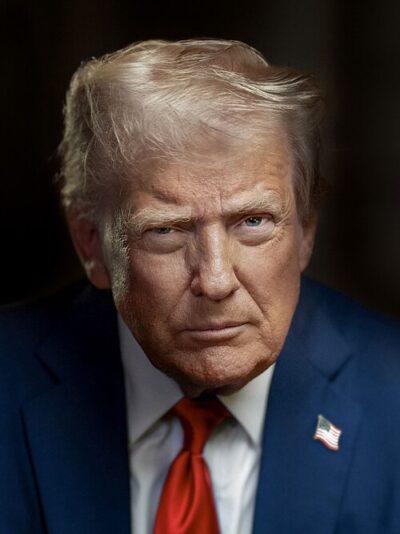 Donald Trump (2011–2012)President of the United States (2017–2021; since 2025)
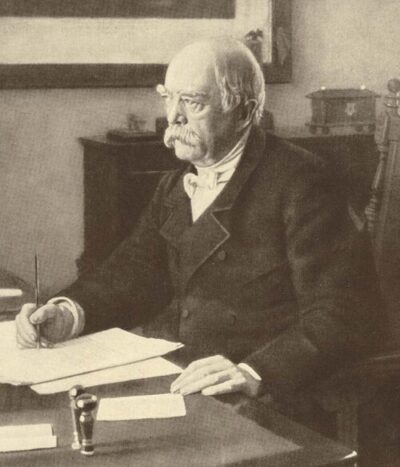 Otto von BismarckGerman statesman and Chancellor (1815-1898)
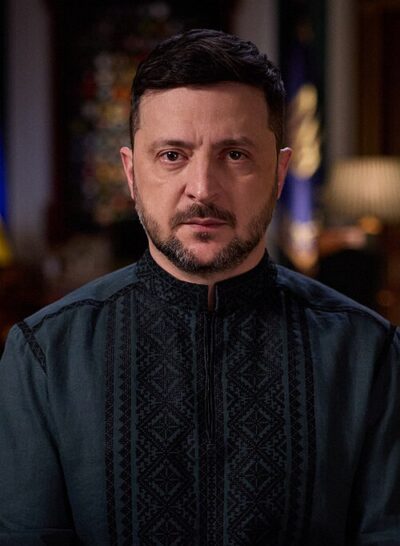 Volodymyr ZelenskyyPresident of Ukraine since 2019
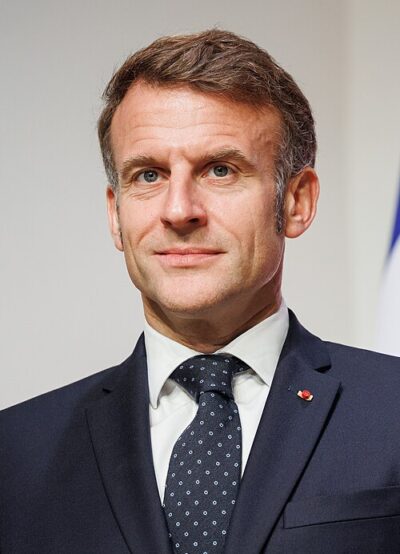 Emmanuel Macron (2009–2016)President of France and Co-Prince of Andorra since 2017
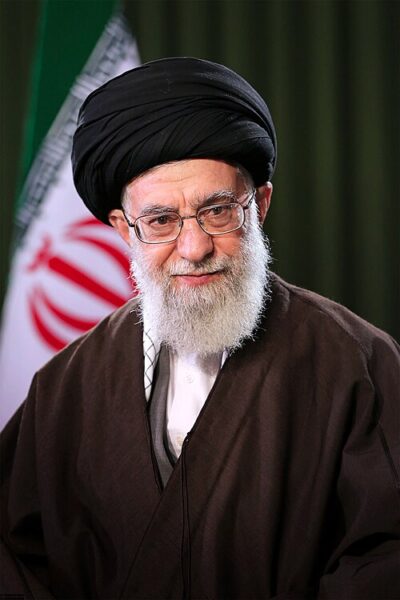 Ali Khamenei (1989–)Supreme Leader of Iran from 1989 to 2026
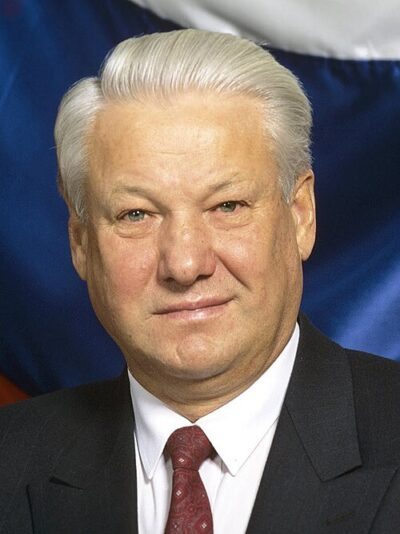 Boris Yeltsin (1990–)Soviet and Russian politician, 1st President of Russia (1931–2007)
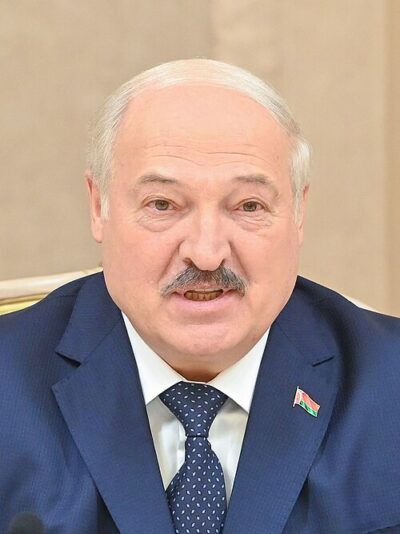 Alexander Lukashenka (1992–)President of the Republic of Belarus
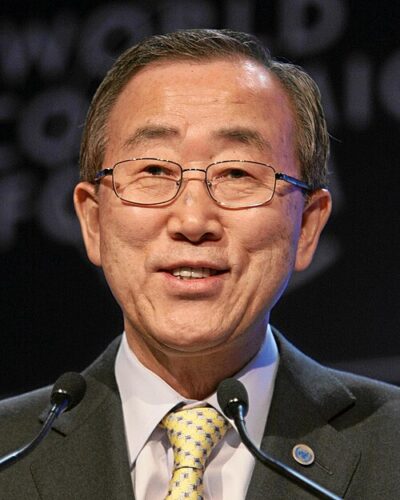 Ban Ki-moon8th Secretary-General of the United Nations
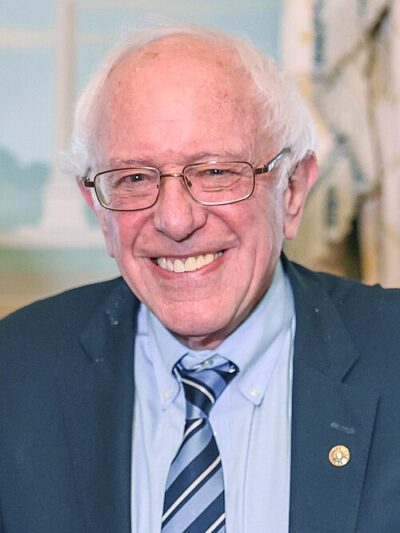 Bernie Sanders (1978–)United States Senator from Vermont
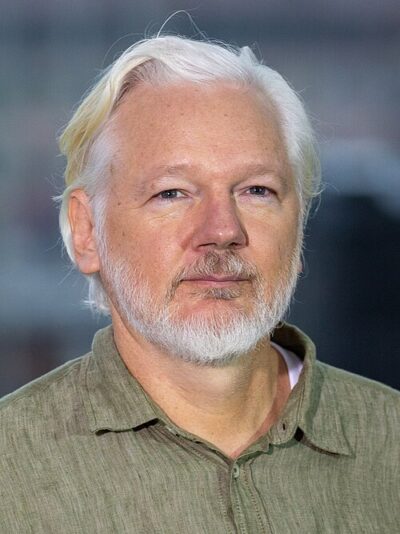 Julian Assange (2015–)Australian editor, publisher, and activist (born 1971)
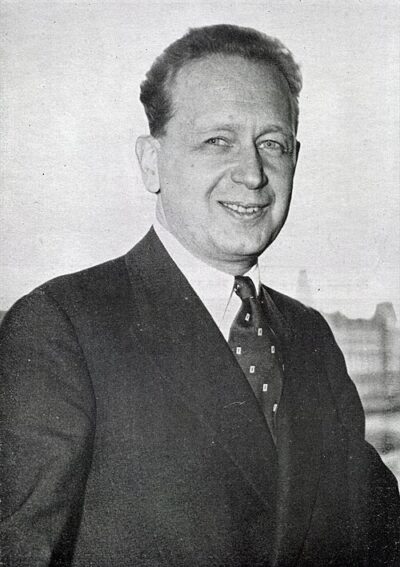 Dag HammarskjöldSwedish diplomat, economist, and author (1905–1961)
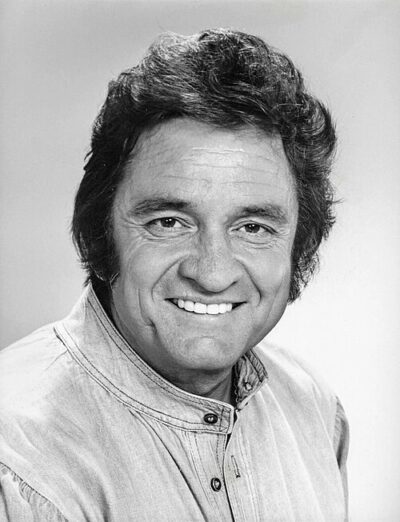 Johnny CashAmerican country singer (1932–2003)
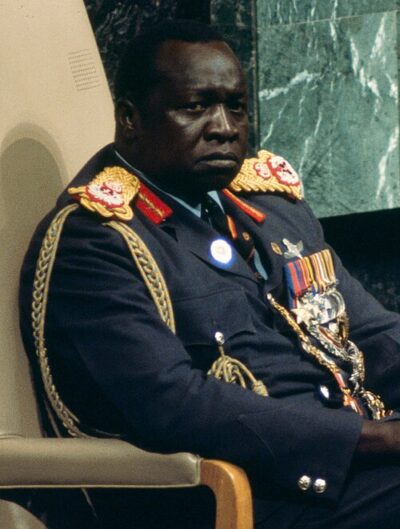 Idi AminPresident of Uganda (1971-1979)
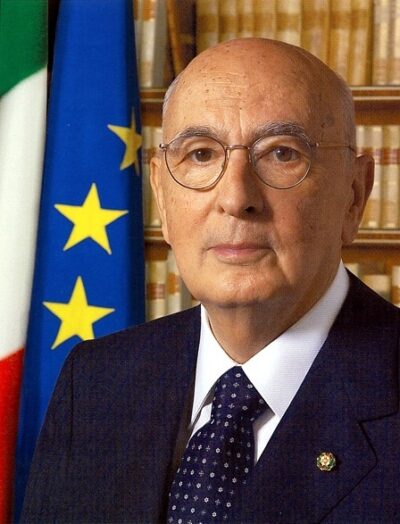 Giorgio Napolitano (2006–2023)President of Italy from 2006 to 2015
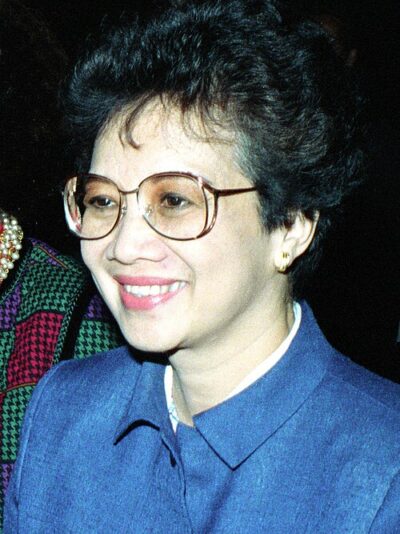 Corazon AquinoPresident of the Philippines from 1986 to 1992
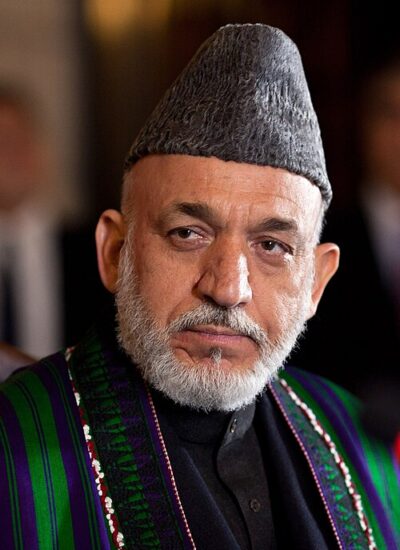 Hamid KarzaiPresident of Afghanistan from 2001 to 2014
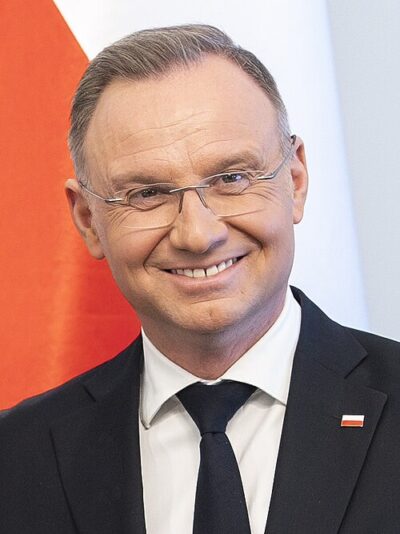 Andrzej Duda (2001–)politician and lawyer, president of Poland from 2015 to 2025
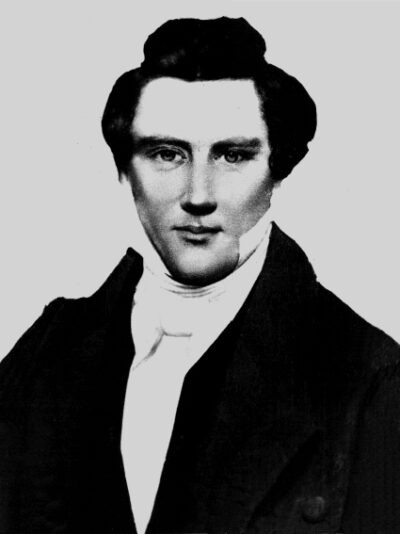 Joseph Smith (1843–1844)American religious leader and founder of the Latter Day Saint movement (1805–1844)
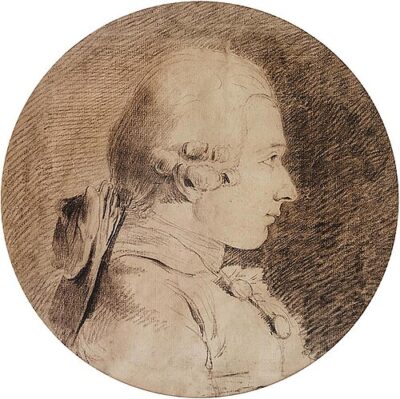 Marquis de SadeFrench nobleman, revolutionary politician, philosopher and writer of erotic works
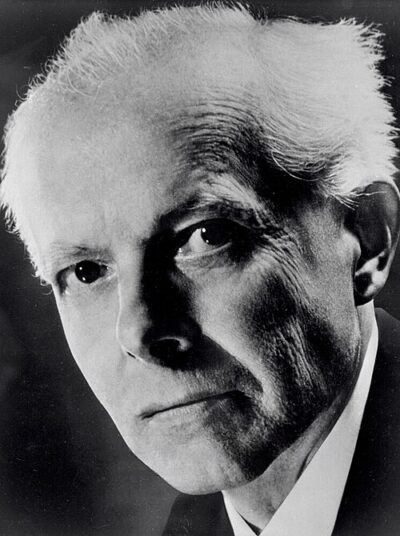 Béla BartókHungarian composer and pianist (1881–1945)
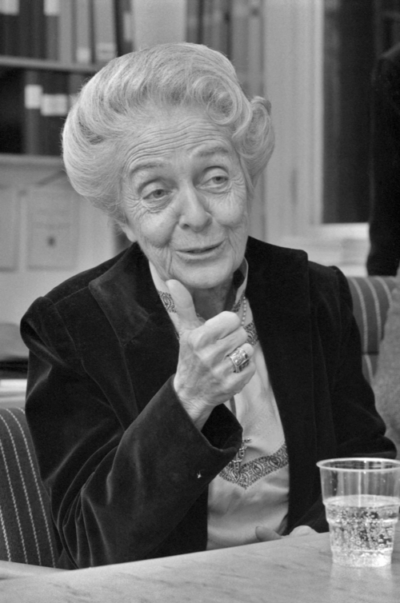 Rita Levi-MontalciniItalian neurologist (1909–2012)
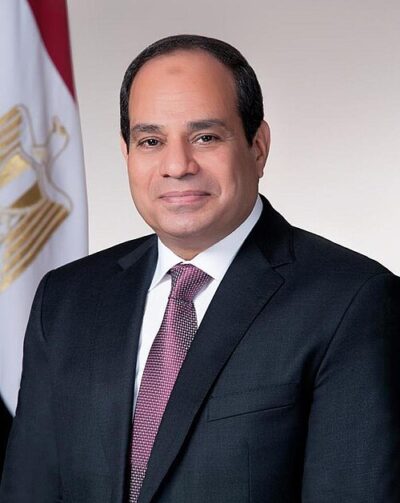 Abdel Fattah el-Sisi (2014–)President of Egypt since 2014
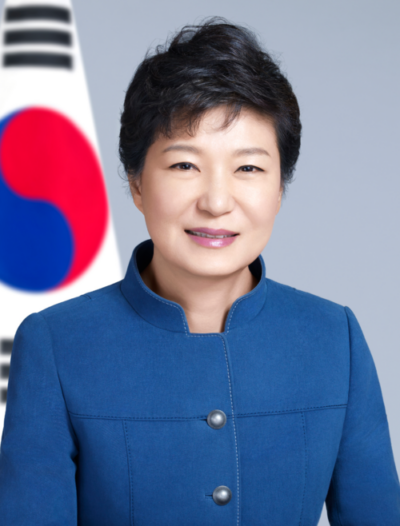 Park Geun-hye (2017–)President of South Korea from 2013 to 2017
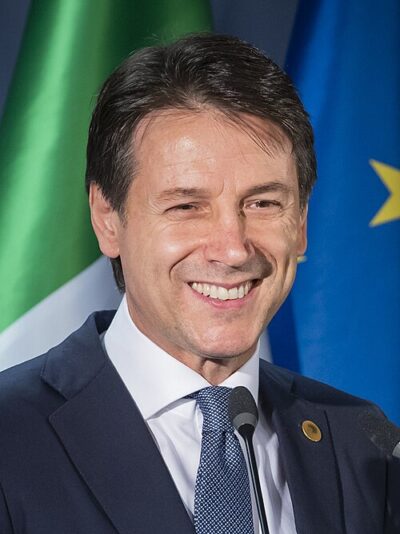 Giuseppe Conte (–2021)Prime Minister of Italy from 2018 to 2021
and 155 more