

Jagiellonian University
Jagiellonian University is a Polish higher education institution. It was founded in 1364 by Casimir III the Great. Its headquarters are in Kraków. It has 7,246 employees (2019). 33,549 students study there (2023). It won the Order of Polonia Restituta and 2 more.
- Located in
- Kraków
- Country
- Poland
- Founded
- May 12, 1364
- Students
- 33,549 (2023)
- What it is
- public university
All 14 facts, and where they come from
Facts
14 facts · 0 confirmed by two sources · 4 cited · 10 from one source
Where this comes from
Papalocal keeps its own record. It started from these sources; what each one said is kept here as it was copied, so a change on their side never changes this page by itself. Tap one to read its version.
What Wikidata says · copied November 16, 2026 · revision 2561908448
- Described as
- Polish higher education institution
- Other names
- Academia Cracoviensis, Akademia Krakowska, Academy of Kraków, Uniwersytet Jagielloński, University of Cracow, Academy of Krakow, University of Kraków, UJ, JU, Jagiellonian University in Kraków, UKrakow
- What it is
- public university · 1 reference; university
- Founded
- May 12, 1364 · 1 reference
- Founded by
- Casimir III the Great
- Headquarters
- Kraków
- Located in
- Kraków
- Country
- Poland
- Employees
- 7,212 (2013)
- Students
- 33,549 (2023) · 1 reference
- Awards
- Order of Polonia Restituta · 1 reference; Knight of the Order of Polonia Restituta · 1 reference; Grand Cross of the Order of Polonia Restituta · 1 reference
- Named after
- Jagiellonian dynasty
- Official website
- https://www.uj.edu.pl/
- Wikipedias with a page
- 74
Wikidata item Q189441 (wikidata.org/wiki/Q189441), public domain (CC0). Copied 2026-11-16.
What Wikipedia says · copied November 16, 2026 · revision 1379921452
The Jagiellonian University (/ˌjɑːɡjəˈləʊ.ni.ən/; Polish: Uniwersytet Jagielloński, UJ) is a public research university in Kraków, Poland. Founded in 1364 by King Casimir III the Great, it is the oldest university in Poland and one of the oldest universities in continuous operation in the world. The university grounds form part of the Kraków Old Town, a UNESCO World Heritage Site. The university has been viewed as a vanguard of Polish culture as well as a significant contributor to the intellectual heritage of Europe.
The campus of the Jagiellonian University is centrally located within the city of Kraków. The university consists of thirteen main faculties, in addition to three faculties composing the Collegium Medicum. It employs roughly 4,000 academics and provides education to more than 35,000 students who study in 166 fields. The main language of instruction is Polish, although around 30 degrees are offered in English and some in German. The university library and Collegium Novium house a significant number of medieval and Renaissance art pieces and manuscripts, including the landmark De revolutionibus orbium coelestium by the university alumnus Nicolaus Copernicus.
In addition to Copernicus, the university's notable alumni include heads of state King John III Sobieski, Pope John Paul II, and Andrzej Duda; Polish prime ministers Beata Szydło and Józef Cyrankiewicz; renowned cultural figures Jan Kochanowski, Stanisław Lem, and Krzysztof Penderecki; and leading intellectuals and researchers such as Hugo Kołłątaj, Bronisław Malinowski, Carl Menger, Leo Sternbach, and Norman Davies. Four Nobel laureates have been affiliated with the university, all in literature: Ivo Andrić and Wisława Szymborska, who studied there, and Czesław Miłosz and Olga Tokarczuk, who taught there. Faculty and graduates of the university have been elected to the Polish Academy of Arts and Sciences, the Royal Society, the British Academy, the American Academy of Arts and Sciences, and other honorary societies.
From the Wikipedia article “Jagiellonian University” (en.wikipedia.org/wiki/Jagiellonian_University), by its contributors, under CC BY-SA 4.0 (creativecommons.org/licenses/by-sa/4.0/). Copied 2026-11-16; not changed.
Confirmed Two sources agree. Cited One source, and it names where it got it. One source One source, without a reference of its own. Sources disagree The sources disagree. We show the best-supported value and keep theirs below.
Picture: Wikimedia Commons: Collegium Maius 2017.jpg · See Commons file page
People connected 20
Studied here
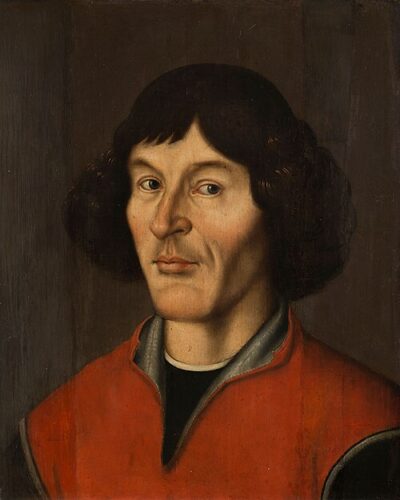 Nicolaus Copernicus (1491–1495)Polish mathematician and astronomer (1473-1543)
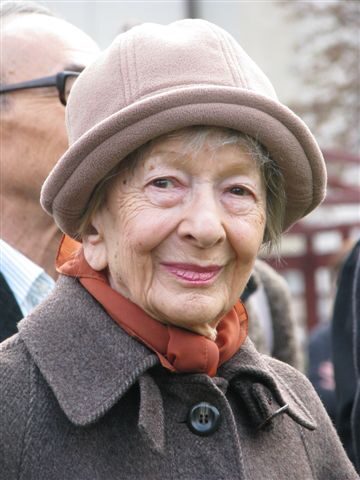 Wisława SzymborskaPolish poet, Nobel Prize winner (1923–2012)
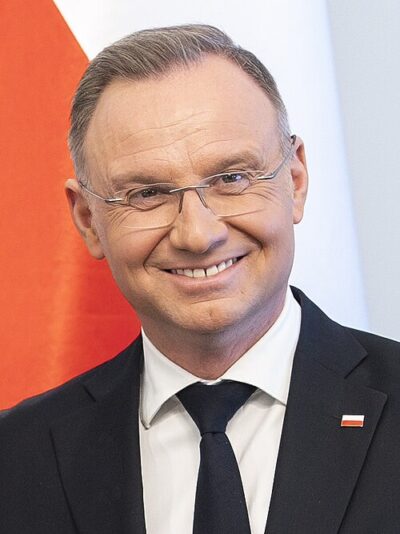 Andrzej Duda (1991–1996)politician and lawyer, president of Poland from 2015 to 2025
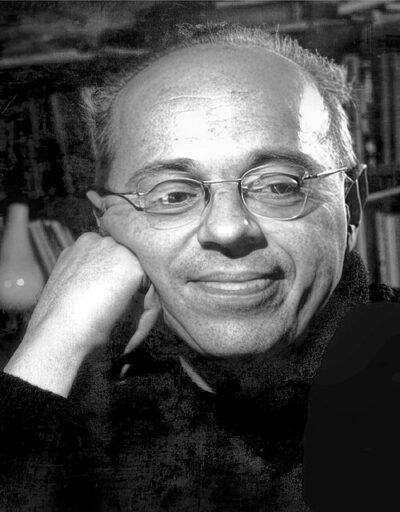 Stanisław LemPolish science fiction author, philosopher and futurologist, studied medical doctor (1921–2006)
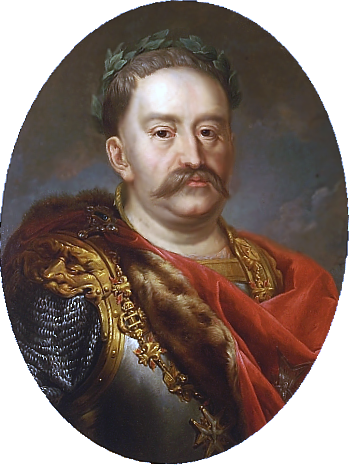 John III SobieskiKing of Poland and Grand Duke of Lithuania (1629–1696)
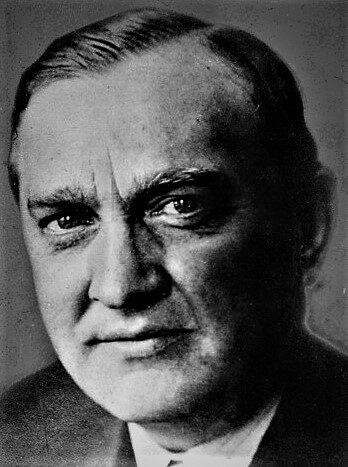 Stefan Banach (1916–1920)Polish mathematician (1892–1945)
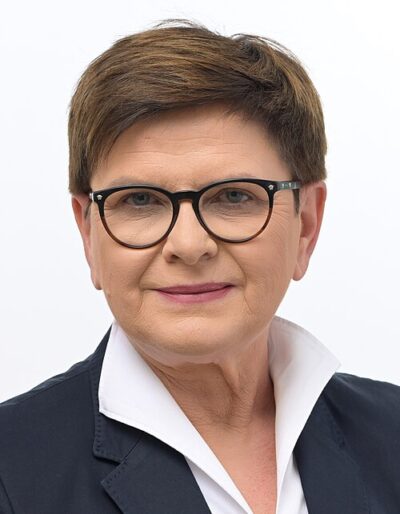 Beata SzydłoPolish politician, former Prime Minister of Poland, member of European Parliament
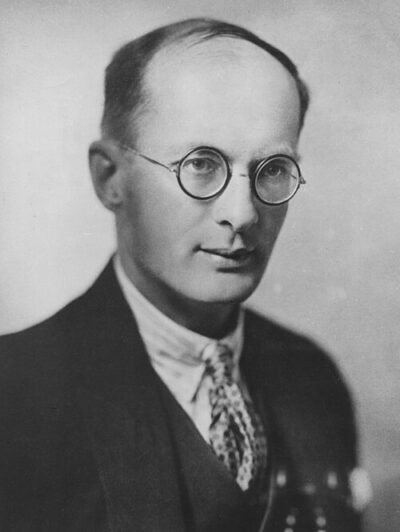 Bronisław Malinowski (1908)Polish anthropologist and ethnographer based in England and the USA (1884–1942)
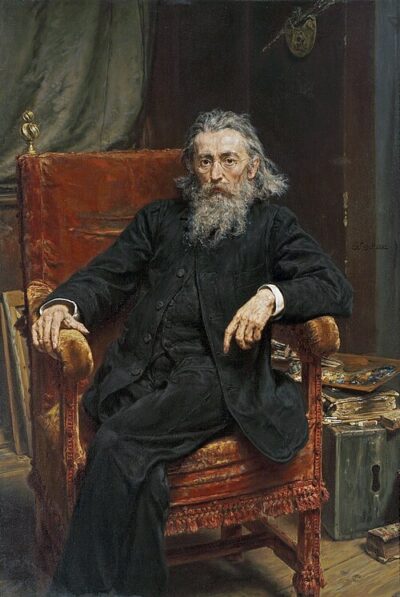 Jan MatejkoPolish painter (1838–1893)
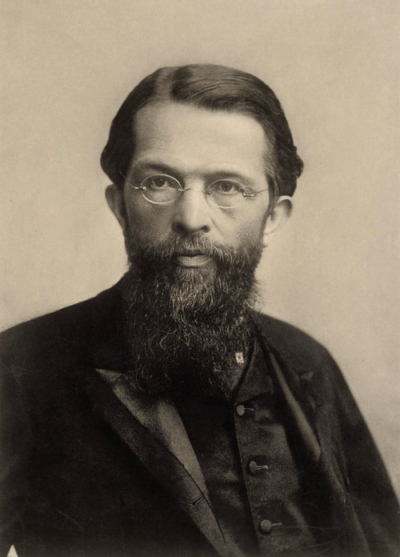 Carl Mengerfounder of the Austrian School of economics (1840–1921)
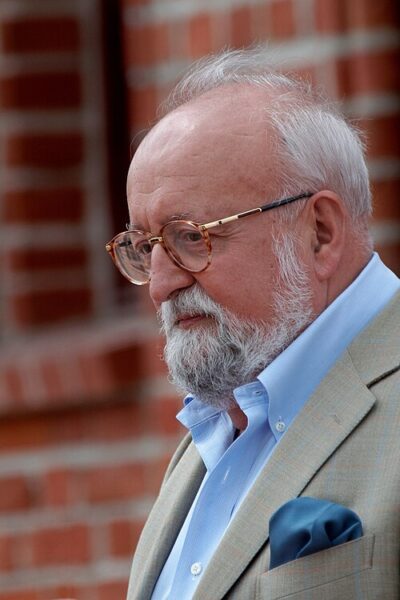 Krzysztof PendereckiPolish composer and conductor (1933–2020)
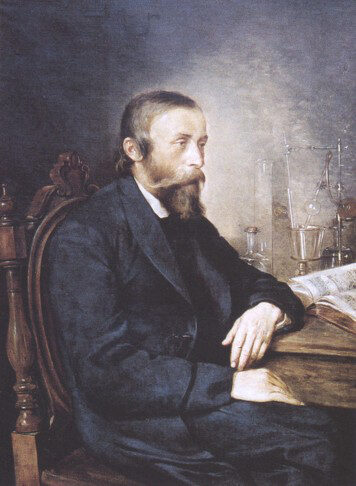 Ignacy ŁukasiewiczPolish pharmacist and petroleum industry pioneer (1822-1882)
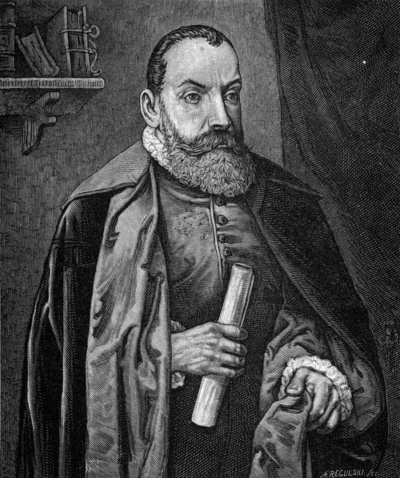 Jan Kochanowski (1544–)Polish Renaissance poet (1530–1584)
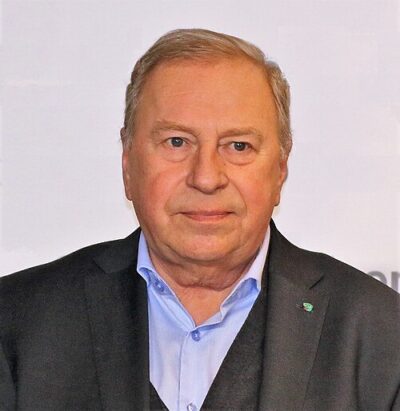 Jerzy Stuhr (–1970)Polish film and theater actor and screenwriter (1947–2024)
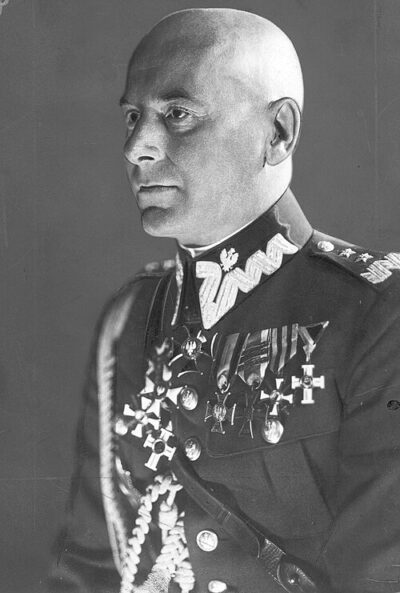 Edward Rydz-ŚmigłyPolish general, politician, marshal of Poland, poet, and painter (1886–1941)
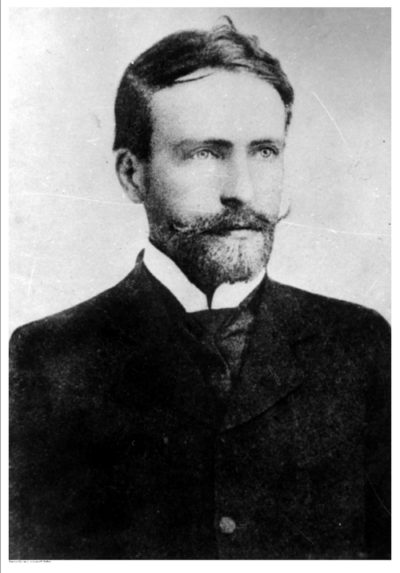 Stanisław WyspiańskiPolish playwright, painter and poet (1869–1907)
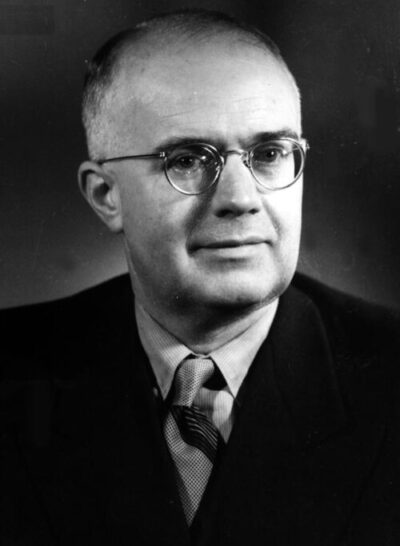 Oskar LangePolish economist (1904-1965)
- AAlexander ImichPolish-born American chemist, parapsychologist, and supercentenarians (1903–2014)
Worked here
- Nicolaus CopernicusPolish mathematician and astronomer (1473-1543)
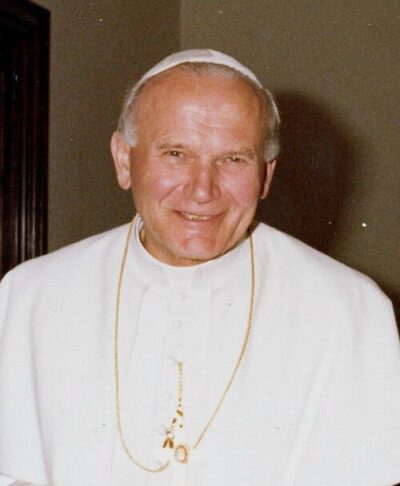 John Paul IIpope, cardinal, bishop, priest, author
- Andrzej Duda (1997–)politician and lawyer, president of Poland from 2015 to 2025
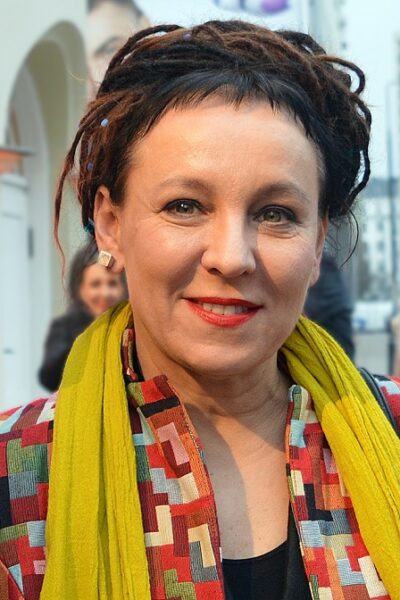 Olga TokarczukPolish writer and activist (born 1962)
- Jan MatejkoPolish painter (1838–1893)
- Oskar LangePolish economist (1904-1965)
