

King's College
King's College is a college of the University of Cambridge. It was founded in 1441 by Henry VI of England.
- Located in
- Cambridge
- Country
- United Kingdom
- Founded
- 1441
- What it is
- college of the University of Cambridge
All 9 facts, and where they come from
Facts
9 facts · 0 confirmed by two sources · 2 cited · 7 from one source
Where this comes from
Papalocal keeps its own record. It started from these sources; what each one said is kept here as it was copied, so a change on their side never changes this page by itself. Tap one to read its version.
What Wikidata says · copied November 16, 2026 · revision 2545870094
- Described as
- college of the University of Cambridge
- Other names
- King's College, Cambridge, University of Cambridge King's College, King's College of Our Lady and Saint Nicholas in Cambridge
- What it is
- college of the University of Cambridge; university building
- Founded
- 1441
- Founded by
- Henry VI of England
- Headquarters
- Cambridge
- Located in
- Cambridge
- Country
- United Kingdom · 1 reference
- Part of
- University of Cambridge · 1 reference
- Official website
- https://www.kings.cam.ac.uk · 1 reference
- Wikipedias with a page
- 34
Wikidata item Q924289 (wikidata.org/wiki/Q924289), public domain (CC0). Copied 2026-11-16.
What Wikipedia says · copied November 16, 2026 · revision 1375600755
King's College, formally The King's College of Our Lady and Saint Nicholas in Cambridge, is a constituent college of the University of Cambridge. The college lies beside the River Cam and faces out onto King's Parade in the centre of the city.
King's was founded in 1441 by King Henry VI soon after founding its sister institution, Eton College. Initially, King's accepted only students from Eton College. However, the king's plans for King's College were disrupted by the Wars of the Roses and the resultant scarcity of funds, and then his eventual deposition. Little progress was made on the project until 1508, when King Henry VII began to take an interest in the college, probably as a political move to legitimise his new position. The building of the college's chapel began in 1446, and was finished in 1544 during the reign of Henry VIII.
King's College Chapel is regarded as one of the finest examples of late English Gothic architecture. It has the world's largest fan vault, while its stained-glass windows and wooden chancel screen are considered some of the finest from their era. The building is seen as emblematic of Cambridge. It houses the Choir of King's College, Cambridge. Every year on Christmas Eve, the Festival of Nine Lessons and Carols (a service originally devised for Truro Cathedral by Edward White Benson in 1880, adapted by the college dean Eric Milner-White in 1918) is broadcast from the chapel to millions of listeners worldwide.
From the Wikipedia article “King's College, Cambridge” (en.wikipedia.org/wiki/King's_College,_Cambridge), by its contributors, under CC BY-SA 4.0 (creativecommons.org/licenses/by-sa/4.0/). Copied 2026-11-16; not changed.
Confirmed Two sources agree. Cited One source, and it names where it got it. One source One source, without a reference of its own. Sources disagree The sources disagree. We show the best-supported value and keep theirs below.
Picture: Wikimedia Commons: King's College, Cambridge2.jpg · See Commons file page
People connected 29
Studied here 29
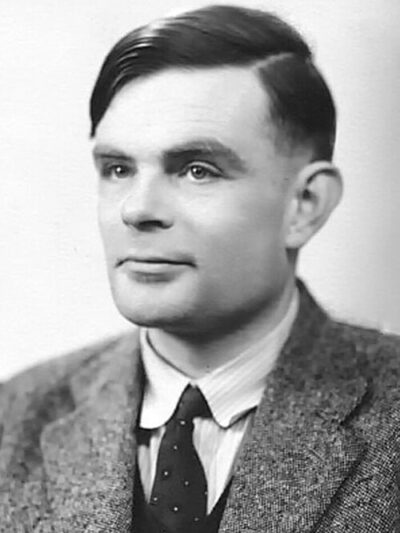 Alan Turing (1931–1934)English computer scientist (1912–1954)
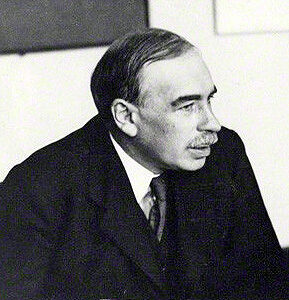 John Maynard Keynes (1902–1905)British economist (1883–1946)
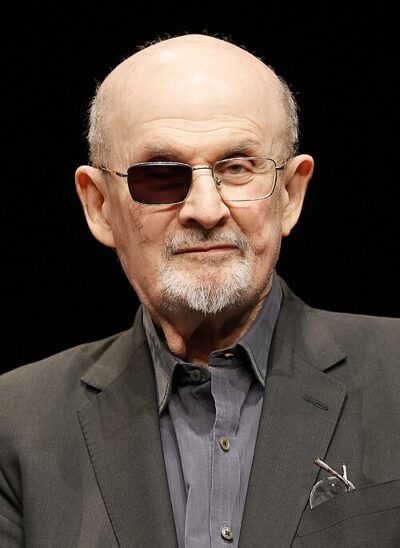 Salman RushdieIndian-born English and American novelist (born 1947)
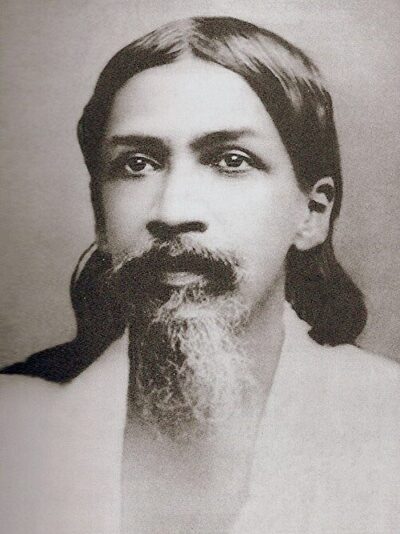 Aurobindo GhoshIndian Bengali philosopher, yogi, maharishi, poet and nationalist (1872–1950)
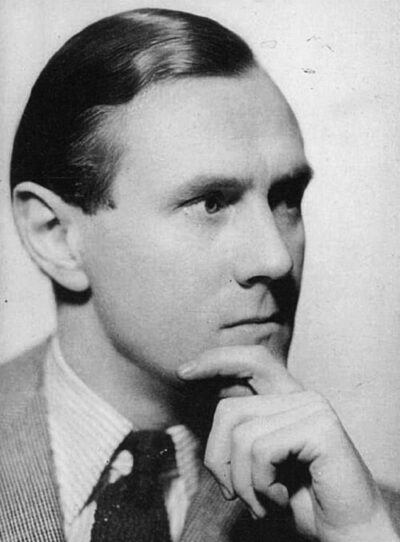 Patrick WhiteEnglish-born Australian writer
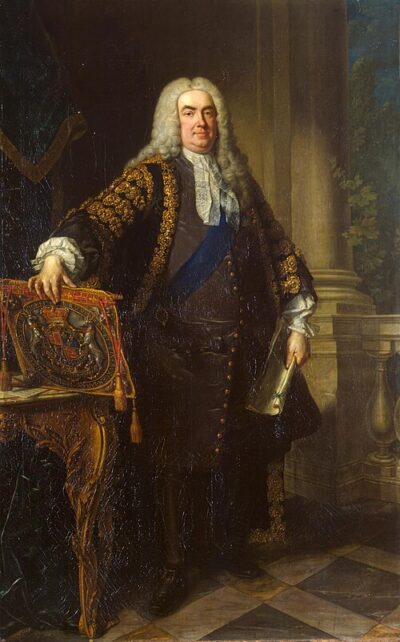 Robert WalpoleBritish statesman and art collector, 1st Earl of Orford (1676–1745)
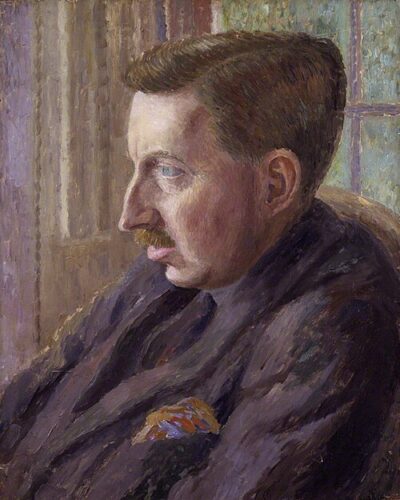 E. M. Forster (1897–1901)English novelist (1879-1970)
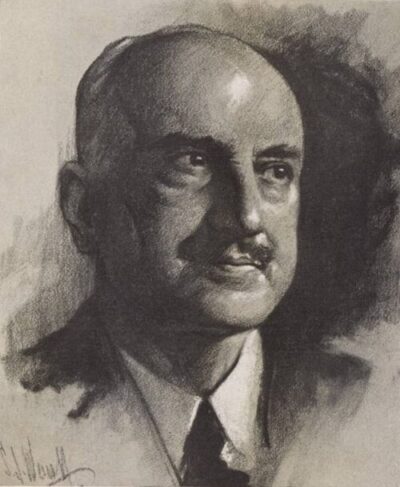 George SantayanaSpanish-American philosopher
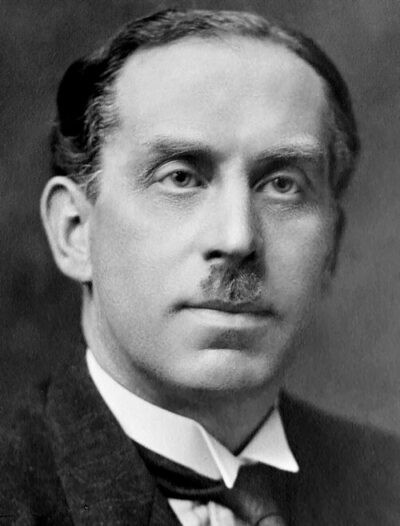 Charles Glover BarklaEnglish physicist (1877-1944)
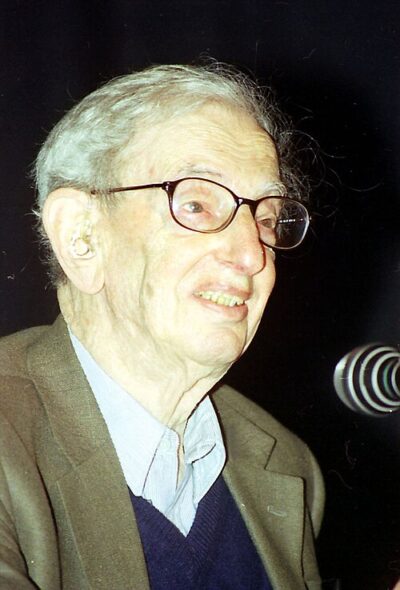 Eric HobsbawmBritish academic historian and Marxist historiographer (1917–2012)
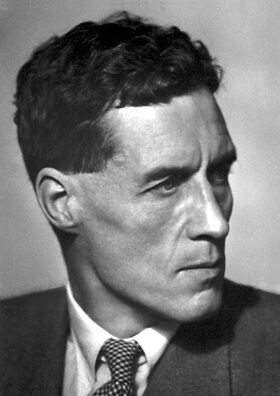 Patrick BlackettBritish physicist (1897-1974)
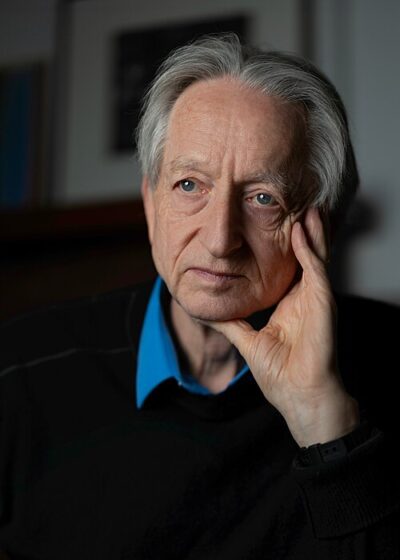 Geoffrey Hinton (–1970)British-Canadian computer scientist and psychologist
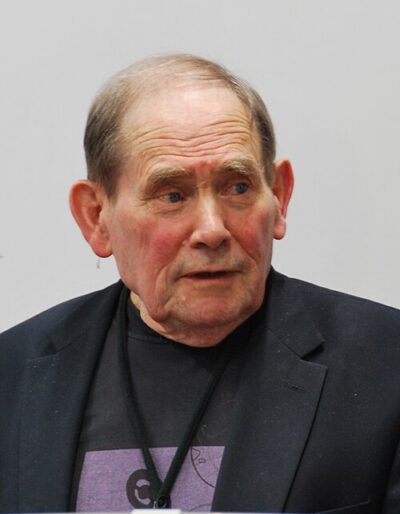 Sydney BrennerSouth African-British biologist, Nobel prize in Physiology or Medicine 2002 (1927–2019)
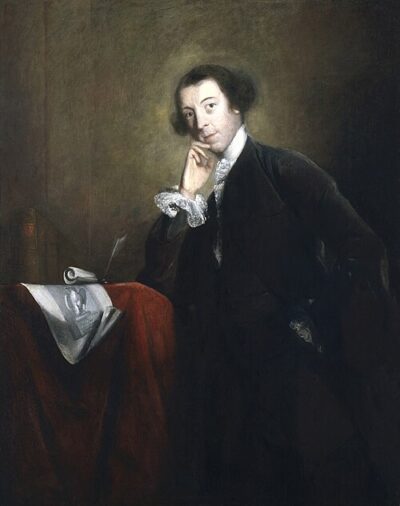 Horace WalpoleEnglish writer and politician (1717–1797)
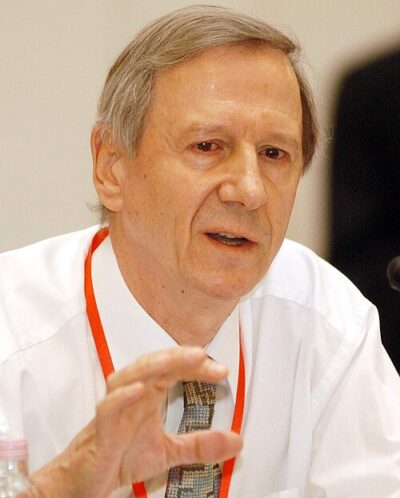 Anthony Giddens, Baron GiddensBritish sociologist (born 1938)
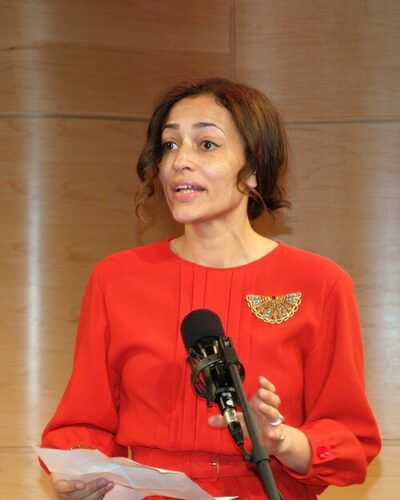 Zadie SmithEnglish novelist, essayist and short story writer (born 1975)
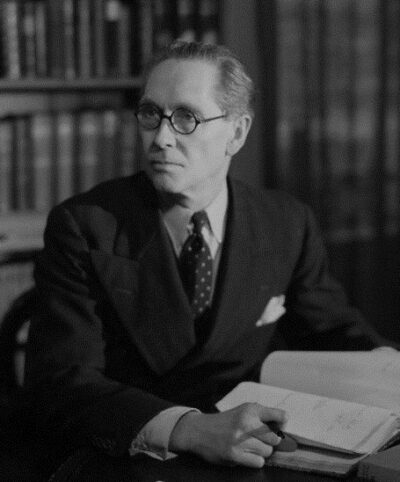 Philip Noel-Baker, Baron Noel-BakerBritish athlete, politician, Cabinet minister, life peer and Nobel Peace Prize winner (1889–1982)
- JJ. G. BallardBritish novelist (1930–2009)
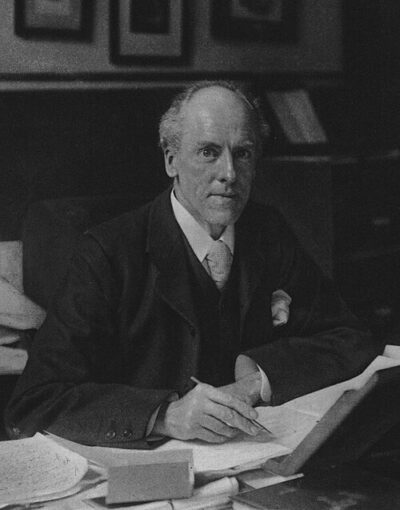 Karl Pearson (1875–1879)English mathematician, biometrician, and eugenicist (1857–1936)
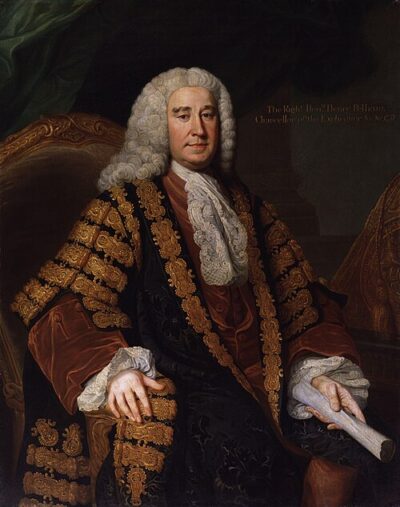 Henry PelhamPrime Minister of Great Britain; (1695-1754)
 Benedict AndersonAmerican political scientist (1936-2015)
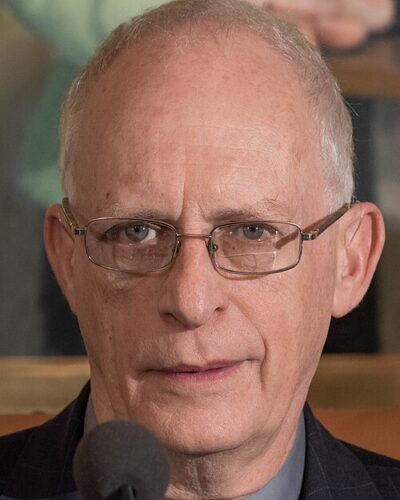 Oliver HartBritish-born American economist
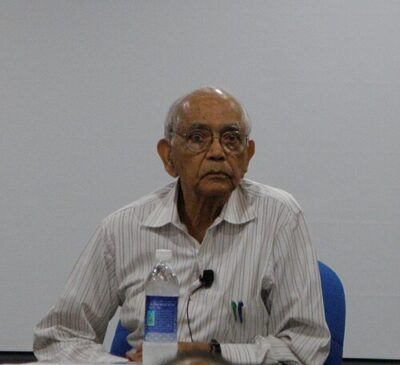 Calyampudi Radhakrishna Rao (1946–1948)Indian-American mathematician (1920–2023)
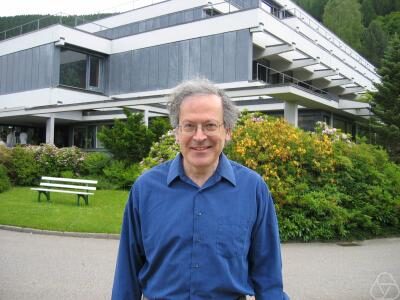 Leslie Valiantcomputer scientist, university teacher (1949-)
and 5 more
