

knight
Knight is a person granted an honorary title by a monarch or other political leader.
All 3 facts, and where they come from
Facts
3 facts · 0 confirmed by two sources · 0 cited · 3 from one source
Where this comes from
Papalocal keeps its own record. It started from these sources; what each one said is kept here as it was copied, so a change on their side never changes this page by itself. Tap one to read its version.
What Wikidata says · copied November 17, 2026 · revision 2567627755
- Described as
- person granted an honorary title by a monarch or other political leader
- What it is
- noble title; military rank; profession
- Wikipedias with a page
- 101
Wikidata item Q102083 (wikidata.org/wiki/Q102083), public domain (CC0). Copied 2026-11-17.
What Wikipedia says · copied November 17, 2026 · revision 1384726047
A knight is a person granted an honorary title of a knighthood by a head of state (including the pope) or representative for service to the monarch, the church, or the country, especially in a military capacity.
The concept of knighthood may have been inspired by the ancient Greek hippeis (ἱππεῖς) and Roman equites. In the Early Middle Ages in Western Christian Europe, knighthood was conferred upon mounted warriors. During the High Middle Ages, knighthood was considered a class of petty nobility. By the Late Middle Ages, the rank had become associated with the ideals of chivalry, a code of conduct for the perfect courtly Christian warrior. Often, a knight was a vassal who served as an elite fighter or a bodyguard for a lord, with payment in the form of land holdings. The lords trusted the knights, who were skilled in battle on horseback. In the Middle Ages, knighthood was closely linked with horsemanship (and especially the joust) from its origins in the 12th century until its final flowering as a fashion among the high nobility in the Duchy of Burgundy in the 15th century. This linkage is reflected in the etymology of chivalry, cavalier, and related terms such as the French title of chevalier. In that sense, the special prestige accorded to mounted warriors in Christendom finds a parallel in the furusiyya in the Islamic world. The Crusades brought various military orders of knights to the forefront of defending Christian pilgrims traveling to the Holy Land.
In the Late Middle Ages, new methods of warfare – such as the introduction of the culverin as an anti-personnel, gunpowder-fired weapon – began to render classical knights in armour obsolete, but the titles remained in many countries. Holy Roman Emperor Maximilian I (1459–1519) is often referred to as the "last knight" in this regard; however, some of the most iconic battles of the Knights Hospitaller, such as the Siege of Rhodes and the Great Siege of Malta, took place after his rule. The ideals of chivalry were popularized in medieval literature, particularly the literary cycles known as the Matter of France, relating to the legendary companions of Charlemagne and his men-at-arms, the paladins, and the Matter of Britain, relating to the legend of King Arthur and his Knights of the Round Table.
Today, a number of orders of knighthood continue to exist within Christian denominations, as well as in several historically Christian countries and their former territories, such as the Roman Catholic Knights of the Holy Sepulchre and the Sovereign Military Order of Malta, the Protestant Order of Saint John, as well as the English Order of the Garter, the Swedish Royal Order of the Seraphim, the Spanish Order of Santiago, and the Norwegian Order of St Olav. There are also dynastic orders like the Order of the Golden Fleece, the Imperial Order of the Rose, the Most Ancient and Most Noble Order of the Thistle and the Order of St George. In modern times these are orders centred around charity and civic service, and are no longer military orders. Each of these orders has its own criteria for eligibility, but knighthood is generally granted by a head of state, monarch, or prelate to selected persons to recognise some meritorious achievement, often for service to the Church or country.
The modern female equivalent of a knight in the English language is dame. Knighthoods and damehoods are traditionally regarded as prestigious.
From the Wikipedia article “Knight” (en.wikipedia.org/wiki/Knight), by its contributors, under CC BY-SA 4.0 (creativecommons.org/licenses/by-sa/4.0/). Copied 2026-11-17; not changed.
Confirmed Two sources agree. Cited One source, and it names where it got it. One source One source, without a reference of its own. Sources disagree The sources disagree. We show the best-supported value and keep theirs below.
Picture: Wikimedia Commons: Miniatura dei Carmina regia 02.jpg · See Commons file page
People connected 35
Occupation
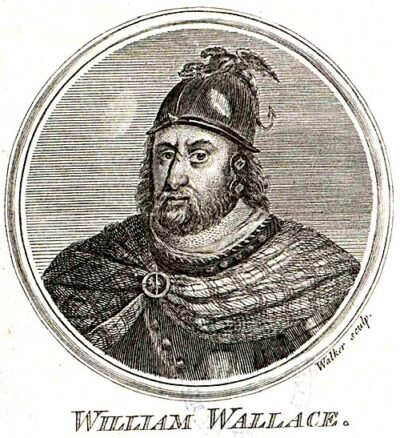 William WallaceScottish knight and leading figure in the First War of Scottish Independence
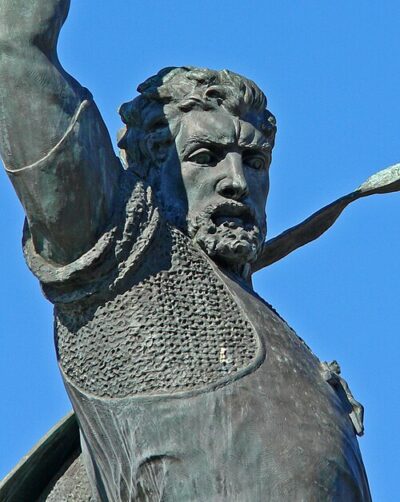 Rodrigo Díaz de Villarreal11th century Castilian nobleman and military leader
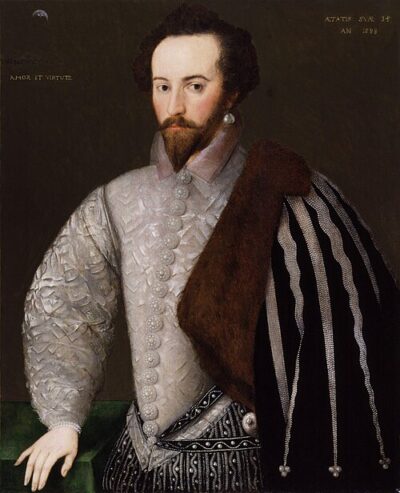 Walter RaleighEnglish statesman, soldier and writer (1552–1618)
 Edward, the Black PrincePrince of Wales (1330–1376)
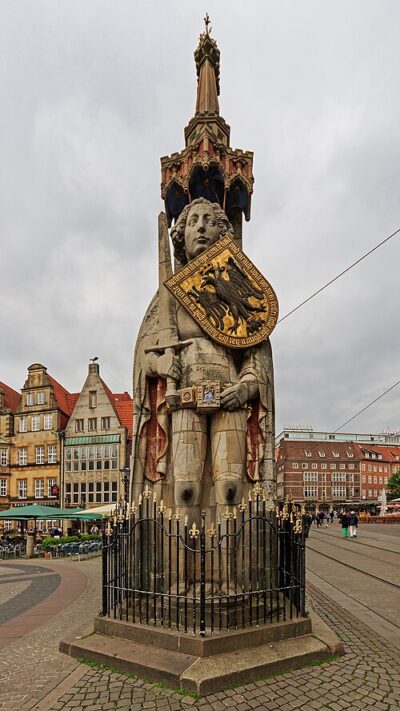 RolandFrankish knight
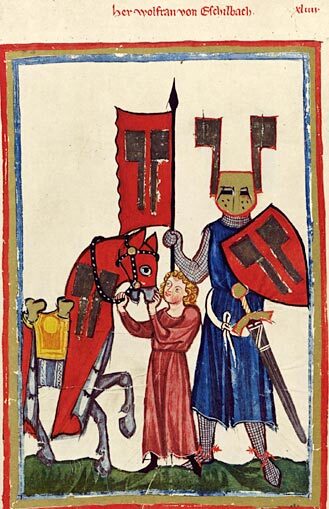 Wolfram von EschenbachGerman knight and poet (1170–1220)
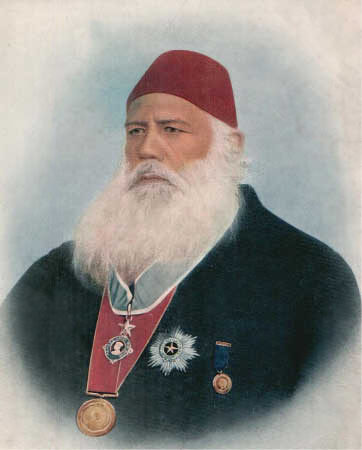 Syed Ahmed KhanIndian Muslim reformer and social activist (1817–1898)
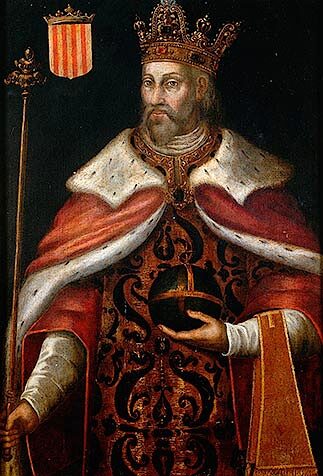 Peter III of AragonKing of Aragon and Valencia (1276–85); King of Sicily (1282–85)
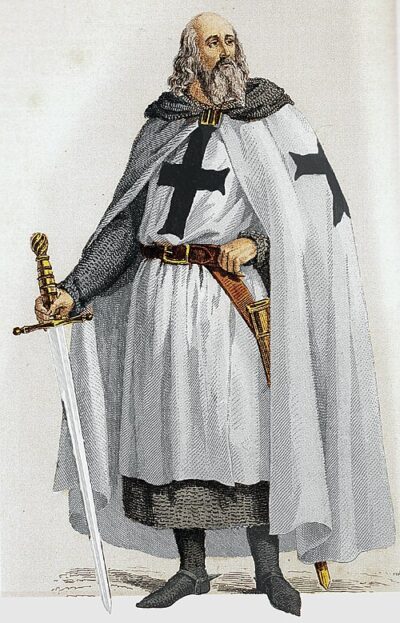 Jacques de MolayGrand Master of the Knights Templar
 Guy of LusignanFrench Poitevin knight and King of Jerusalem by right of marriage (c.1150–1194) (r. 1186–1192)
 Tancred, Prince of GalileeItalo-Norman leader of the First Crusade (1075-1112)
 Mordredcharacter in Arthurian legend
 Raynald of ChâtillonFrench crusader
 Bertrand du GuesclinConstable of France
 Ausiàs MarchValencian poet and knight
 Paul Johann Anselm Ritter von FeuerbachGerman legal scholar (1775-1833)
 William Marshal, 1st Earl of PembrokeAnglo-Norman soldier and statesman (1146-1219)
 Usama ibn MunqidhArabic poet
 Carl Ritter von GhegaAustrian railway designer (1802–1860)
 Ulrich von JungingenGerman noble (1360-1410)
 John HawkwoodEnglish condottiero
 Pierre Terrail, seigneur de BayardFrench military personnel
Military rank
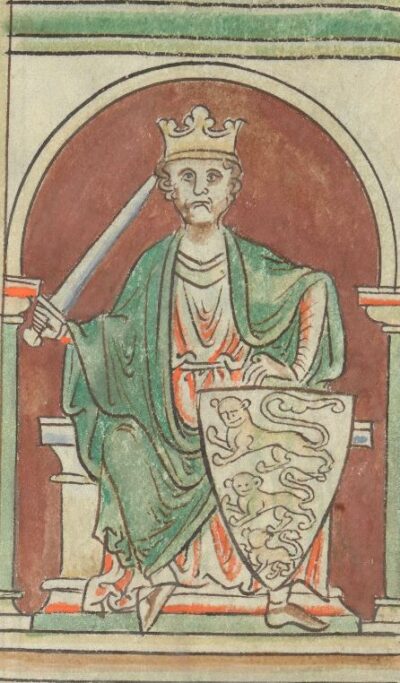 Richard I of EnglandKing of England from 1189 to 1199 (1157–1199)
- William WallaceScottish knight and leading figure in the First War of Scottish Independence
- Rodrigo Díaz de Villarreal11th century Castilian nobleman and military leader
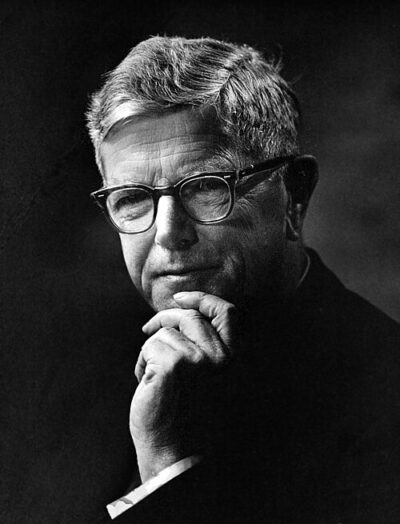 Frank Macfarlane BurnetAustralian virologist (1899-1985)
- Edward, the Black PrincePrince of Wales (1330–1376)
- Wolfram von EschenbachGerman knight and poet (1170–1220)
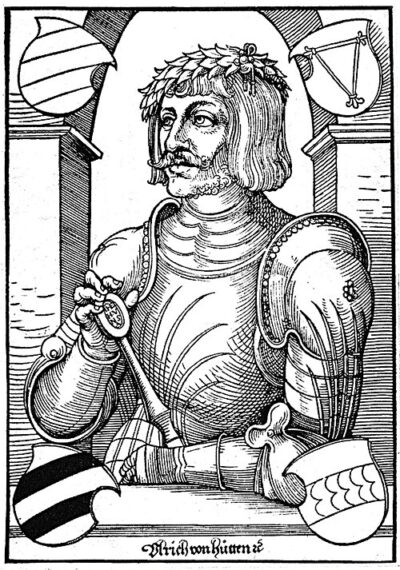 Ulrich von HuttenGerman scholar, poet and reformer (1488-1523)
 Michael RedgraveBritish actor (1908-1985)
- TThomas MaloryEnglish writer, author of Le Morte d'Arthur (1405–1471)
 Geoffrey of Villehardouinknight and historian
 Joanot MartorellValencian knight
- Raynald of ChâtillonFrench crusader
 Arnaldus de Villa Novaphysician and alchemist of Kingdom of Valencia
 Boniface I, Marquess of MontferratKing of Thessalonica
- Ausiàs MarchValencian poet and knight
 Baccio BandinelliItalian sculptor and painter (1488-1560)
- William Marshal, 1st Earl of PembrokeAnglo-Norman soldier and statesman (1146-1219)
- Carl Ritter von GhegaAustrian railway designer (1802–1860)
 Götz von BerlichingenGerman feudal knight and soldier of fortune (1480-1562)
- Pierre Terrail, seigneur de BayardFrench military personnel
- WWalter Sans AvoirLord of Boissy-sans-Avoir in the Île-de-France

