
Leader of the Conservative Party
The Leader of the Conservative Party is the most senior politician within the Conservative Party in the United Kingdom. It was created in 1834.
- Country
- United Kingdom
- Created
- 1834
All 4 facts, and where they come from
Facts
4 facts · 0 confirmed by two sources · 0 cited · 4 from one source
Where this comes from
Papalocal keeps its own record. It started from these sources; what each one said is kept here as it was copied, so a change on their side never changes this page by itself. Tap one to read its version.
What Wikidata says · copied November 16, 2026 · revision 2569990653
- Described as
- most senior politician within the Conservative Party in the United Kingdom
- What it is
- position
- Created
- 1834
- Country
- United Kingdom
- Official website
- https://www.conservatives.com/
- Wikipedias with a page
- 17
Wikidata item Q3303456 (wikidata.org/wiki/Q3303456), public domain (CC0). Copied 2026-11-16.
What Wikipedia says · copied November 16, 2026 · revision 1380879802
The leader of the Conservative Party (officially the leader of the Conservative and Unionist Party) is the highest position within the United Kingdom's Conservative Party. The current holder of the position is Kemi Badenoch, whom the party elected on 2 November 2024 when she outpolled Robert Jenrick.
From the party's formation in 1834 until 1922, the leader of the Conservative Party was not a formal position; instead, separate individuals led the party within each chamber of Parliament, and they were considered equal unless one took precedence over the other, such as when one was serving as prime minister. Following the passage of the Parliament Act 1911, the reduction of power in the House of Lords suggested that the Conservative leader in the House of Commons would become preeminent, but this situation was not formalised until 1922.
Since 1922, leaders of the Conservative Party have been formally elected, even when the party is in opposition. Originally, the party leader was appointed opaquely by other high-ranking members of the party. This process was gradually democratised in the late-20th century; in 1965, the appointment was linked to a vote by party MPs, and in 1998, the process was opened to all party members to decide between the top two candidates selected by parliamentarians.
When the Conservative Party is in opposition, as is the case as of 2025, the leader of the Conservative Party usually acts (as the head of second-largest party) as the Leader of the Opposition, and chairs the shadow cabinet. Concordantly, when the party is in government, the leader usually becomes Prime Minister of the United Kingdom, First Lord of the Treasury, Minister for the Civil Service and Minister for the Union, as well as selecting members of the Cabinet. Four of the party's leaders have been women: Margaret Thatcher, Theresa May, Liz Truss and Kemi Badenoch, all of whom, except Badenoch, have served as prime minister. Rishi Sunak was the first British Indian party leader and prime minister. The only Conservative leaders (excluding temporary acting-leaders) not to contest a general election have been Neville Chamberlain, Iain Duncan Smith and Truss (each of whom resigned before the calling of an election).
From the Wikipedia article “Leader of the Conservative Party (UK)” (en.wikipedia.org/wiki/Leader_of_the_Conservative_Party_(UK)), by its contributors, under CC BY-SA 4.0 (creativecommons.org/licenses/by-sa/4.0/). Copied 2026-11-16; not changed.
Confirmed Two sources agree. Cited One source, and it names where it got it. One source One source, without a reference of its own. Sources disagree The sources disagree. We show the best-supported value and keep theirs below.
People connected 20
Held this office
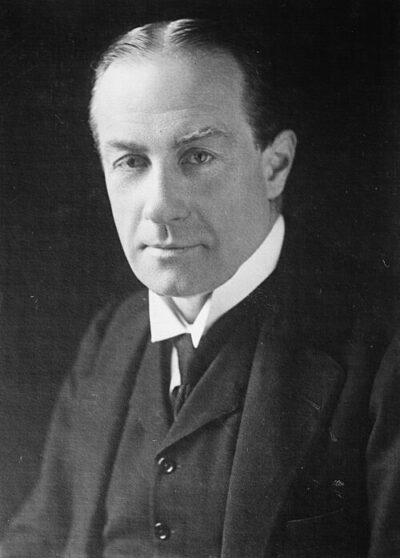 Stanley Baldwin (–1937)British statesman (1867–1947)
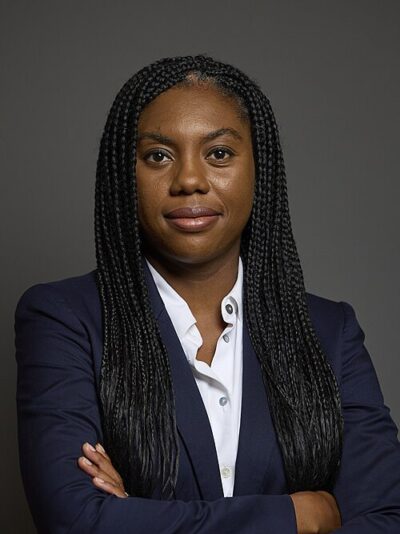 Kemi Badenoch (2024–)British politician and Leader of the Opposition to the British Government (2024–present) and Leader of the Conservative Party since 2024 (born 1980)
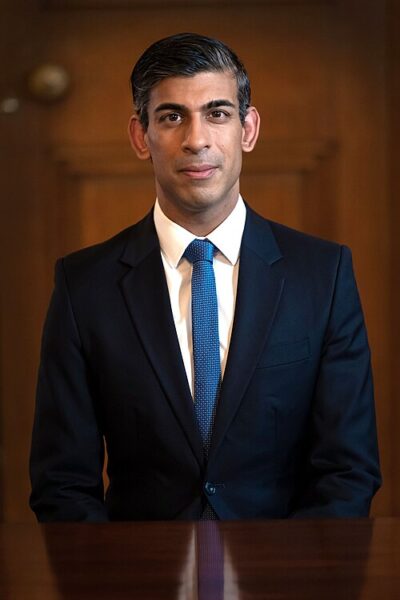 Rishi Sunak (2022–2024)Prime Minister of the United Kingdom from 2022 to 2024
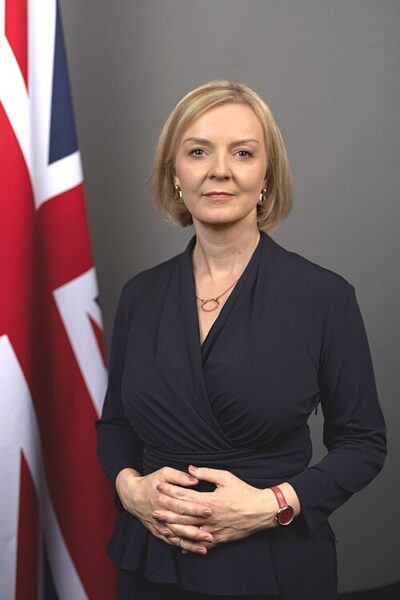 Liz Truss (2022)Prime Minister of the United Kingdom in 2022
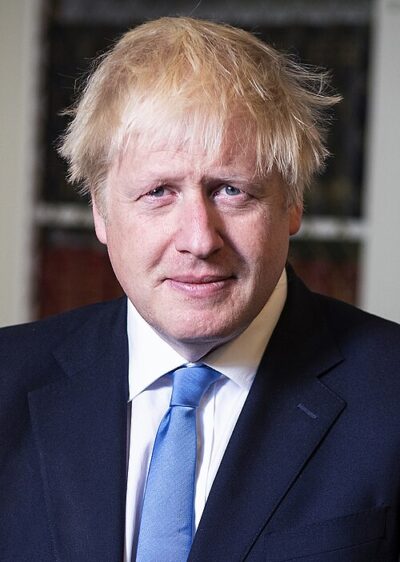 Boris Johnson (2019–2022)Prime Minister of the United Kingdom from 2019 to 2022
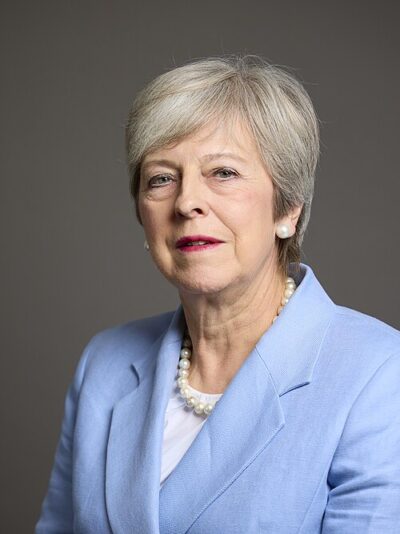 Theresa May (2016–2019)Prime Minister of the United Kingdom from 2016 to 2019
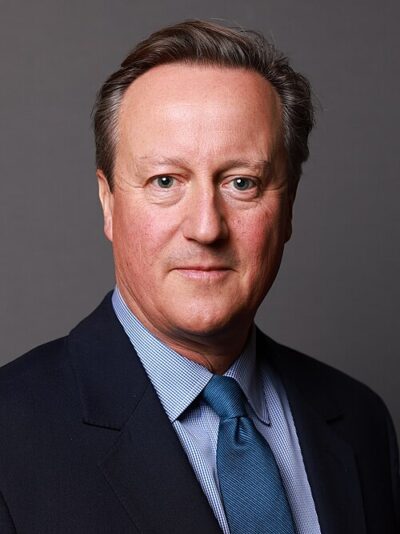 David Cameron (2005–2016)Prime Minister of the United Kingdom from 2010 to 2016
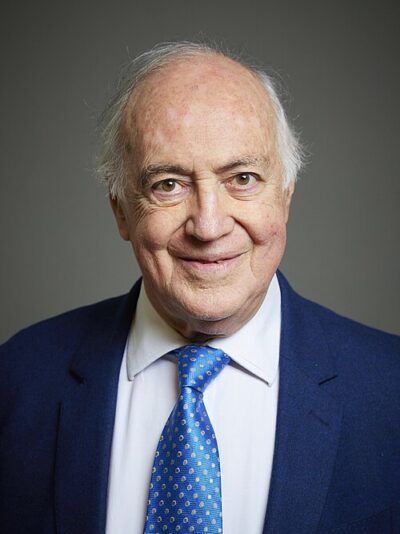 Michael Howard (2003–2005)British politician; Former leader of the Conservative Party (UK) (born 1941)
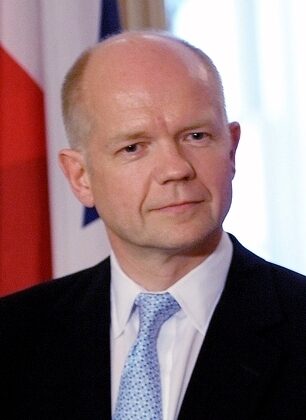 William Hague (1997–2001)British politician (born 1961)
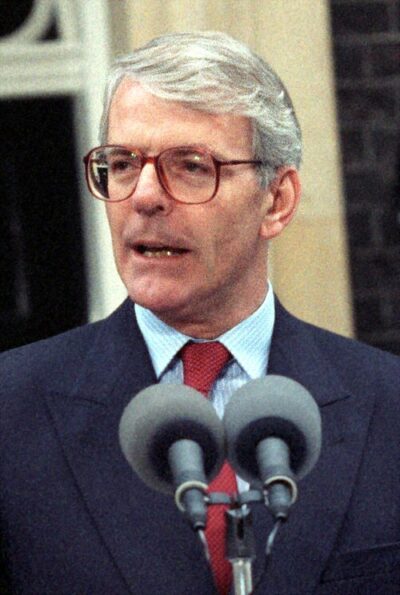 John Major (1990–1997)Prime Minister of the United Kingdom from 1990 to 1997
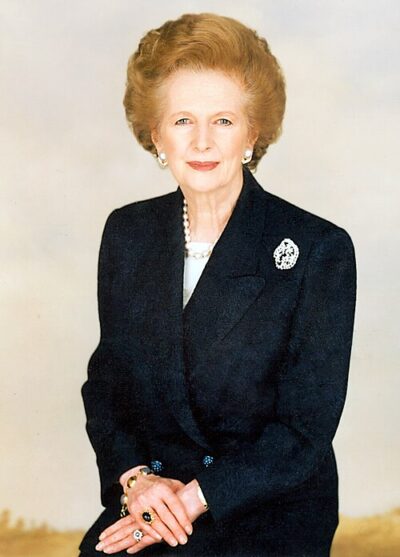 Margaret Thatcher (1975–1990)Prime Minister of the United Kingdom from 1979 to 1990
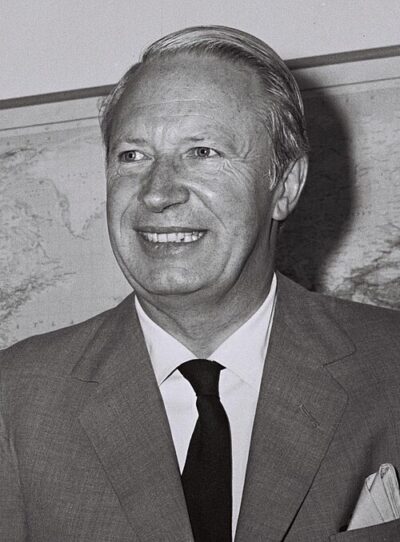 Edward Heath (1965–1975)Prime Minister of the United Kingdom from 1970 to 1974 (1916–2005)
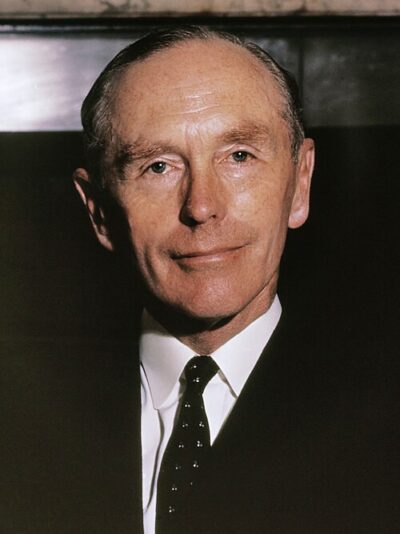 Alec Douglas-Home (1963–1965)Prime Minister of the United Kingdom from 1963 to 1964
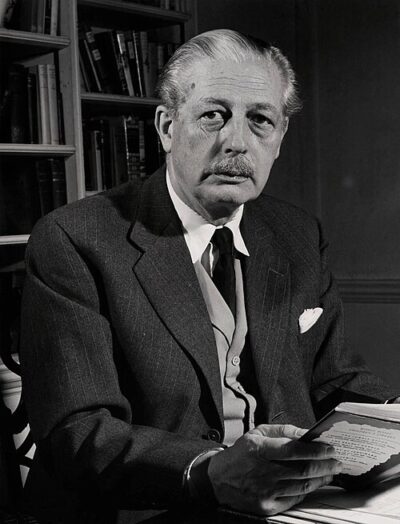 Harold Macmillan (1957–1963)Prime Minister of the United Kingdom from 1957 to 1963
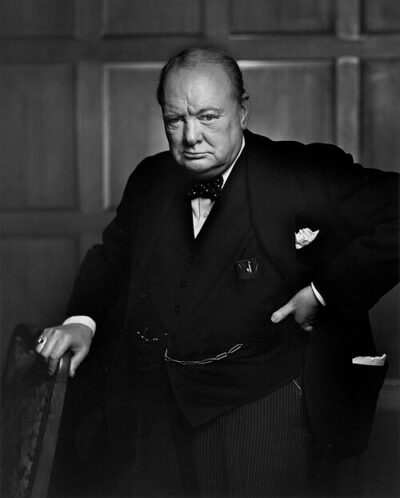 Winston Churchill (1940–1955)British statesman, soldier and writer (1874–1965)
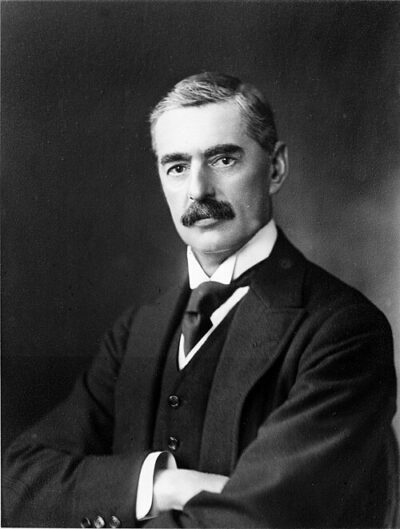 Neville Chamberlain (1937–1940)Prime Minister of the United Kingdom from 1937 to 1940
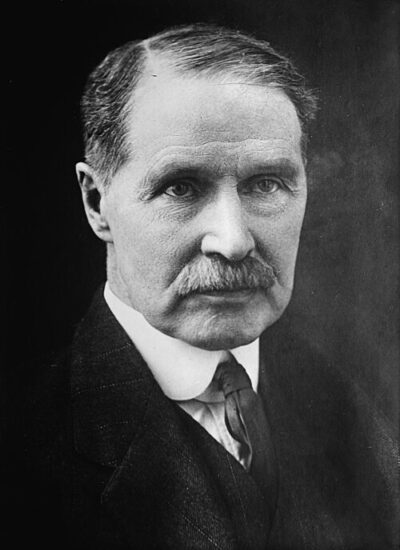 Bonar Law (1911–1923)Prime Minister of the United Kingdom from 1922 to 1923
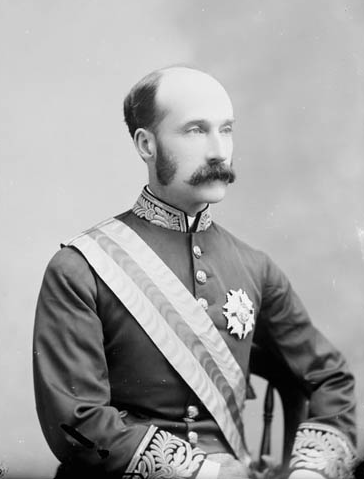 Henry Petty-Fitzmaurice, 5th Marquess of Lansdowne (1911–1916)British statesman (1845-1927)
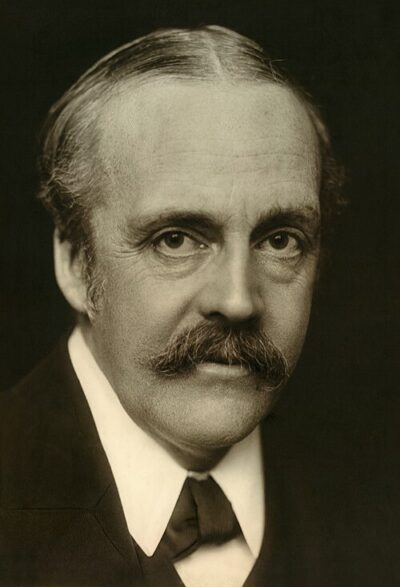 Arthur Balfour (1902–1911)British Prime Minister, Conservative politician, and statesman (1848-1930)
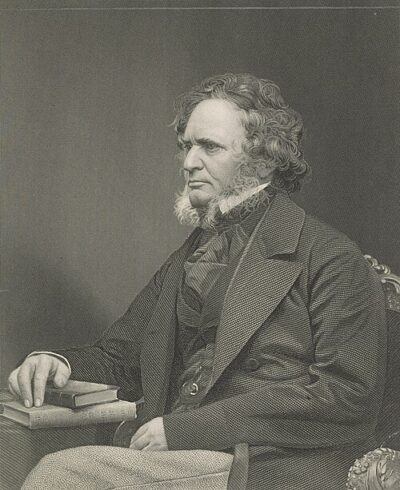 Edward Smith-Stanley, 14th Earl of Derby (1846–1868)British politician (1799–1869)
