National Aeronautics and Space Administration
The National Aeronautics and Space Administration is an American space and aeronautics agency. It was founded in 1958 by Dwight D. Eisenhower and the United States Congress. Its headquarters are in Washington, D.C. It has 18,000 employees (2021). It won the Doublespeak Award and 1 more.
- Founded
- July 29, 1958
- Founded by
- Dwight D. Eisenhower (1958)
- Headquarters
- Washington, D.C.
- Industry
- public sector
- Employees
- 18,000 (2021)
- Country
- United States
All 15 facts, and where they come from
Facts
15 facts · 0 confirmed by two sources · 9 cited · 6 from one source
Where this comes from
Papalocal keeps its own record. It started from these sources; what each one said is kept here as it was copied, so a change on their side never changes this page by itself. Tap one to read its version.
What Wikidata says · copied November 16, 2026 · revision 2562673423
- Described as
- American space and aeronautics agency
- Other names
- Nasa
- What it is
- space agency · 1 reference; independent agency of the United States government · 2 references
- Founded
- July 29, 1958 · 3 references
- Founded by
- Dwight D. Eisenhower (1958) · 2 references; United States Congress (1958) · 3 references
- Headquarters
- Washington, D.C. · 2 references
- Country
- United States · 2 references
- Industry
- public sector · 1 reference; space exploration
- Employees
- 18,000 (2021) · 1 reference
- Part of
- Federal Government of the United States · 1 reference
- Owned by
- Federal Government of the United States · 1 reference
- Awards
- Doublespeak Award (1986); Gold medal of the Spanish National Research Council (1999)
- Official website
- https://www.nasa.gov/ · 1 reference
- Wikipedias with a page
- 184
Wikidata item Q23548 (wikidata.org/wiki/Q23548), public domain (CC0). Copied 2026-11-16.
What Wikipedia says · copied November 16, 2026 · revision 1385908258
The National Aeronautics and Space Administration (NASA; ) is an independent agency of the U.S. federal government responsible for the United States' civil space program, as well as research in aeronautics and space. Headquartered in Washington, D.C., NASA operates ten field centers across the US and is organized into three mission directorates: Human Spaceflight, Research and Technology, and Science. Established in 1958 amid the Space Race, NASA succeeded the National Advisory Committee for Aeronautics (NACA) to give the US space program a distinct civilian orientation focused on peaceful applications. Since then, it has led most American spaceflight programs, including Project Mercury, Project Gemini, the Apollo program, Skylab, the Space Shuttle, the International Space Station (ISS), and the ongoing multinational Artemis program.
NASA maintains extensive ground and communications infrastructure, including the Deep Space Network and the Near Earth Network. Its science programs focus on Earth observation through the Earth Observing System, heliophysics research, Solar System exploration with robotic missions such as New Horizons and the Perseverance rover, and astrophysics investigations using space-based observatories including the James Webb Space Telescope and the Hubble Space Telescope. The Launch Services Program oversees operations for uncrewed launches.
The agency supports the ISS through international partnerships and highly successful commercial initiatives, such as the Commercial Crew Program and Commercial Resupply Services. NASA also leads the development of the Orion spacecraft and the Space Launch System rocket for the Artemis program. NASA collaborates globally with organizations including the European Space Agency (ESA), the Japan Aerospace Exploration Agency (JAXA), the Canadian Space Agency (CSA), and Russia's Roscosmos (for ISS operations), as well as domestically with US agencies such as the National Oceanic and Atmospheric Administration, the United States Geological Survey, and the United States Space Force. NASA's missions and media initiatives, including the NASA+ streaming service, contribute significantly to its public visibility and outreach. The agency has also influenced popular culture since the historic Apollo 11 Moon landing in 1969. For fiscal year 2026, NASA was authorized a budget of $24.4 billion and employs approximately 18,400 civil servants; since December 2025, its administrator has been Jared Isaacman.
From the Wikipedia article “NASA” (en.wikipedia.org/wiki/NASA), by its contributors, under CC BY-SA 4.0 (creativecommons.org/licenses/by-sa/4.0/). Copied 2026-11-16; not changed.
Confirmed Two sources agree. Cited One source, and it names where it got it. One source One source, without a reference of its own. Sources disagree The sources disagree. We show the best-supported value and keep theirs below.
Picture: Wikimedia Commons: NASA HQ Building.jpg · See Commons file page
People connected 273
Worked here 272
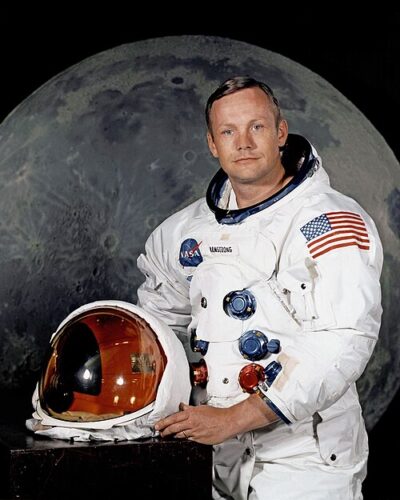 Neil Armstrong (1962–1971)American astronaut and lunar explorer (1930–2012)
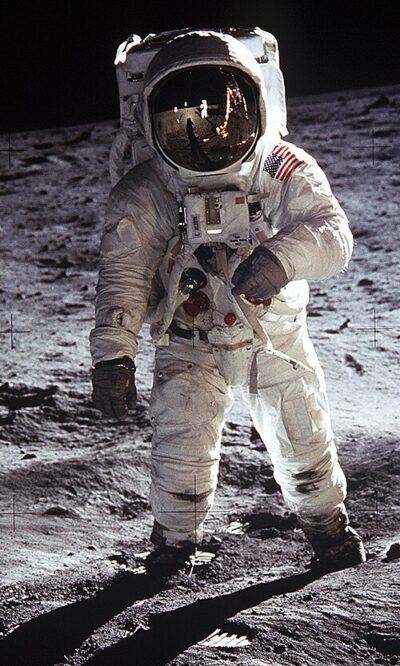 Buzz AldrinAmerican astronaut (born 1930)
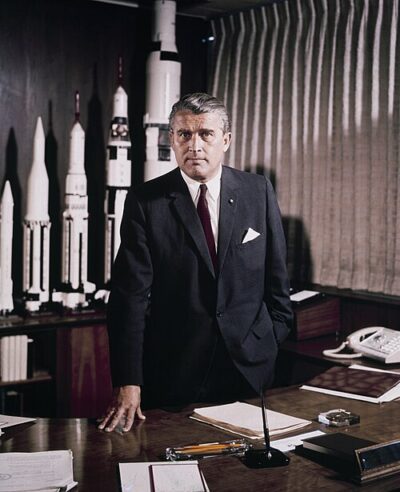 Wernher von BraunGerman and later American aerospace engineer and space architect (1912–1977)
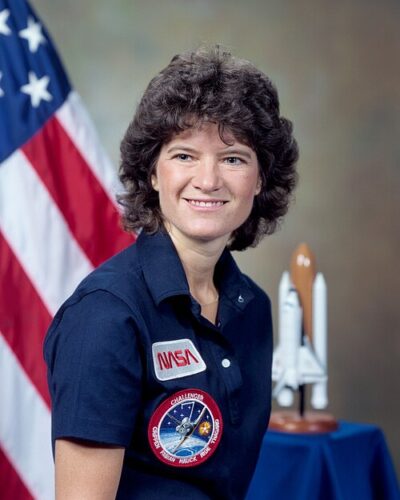 Sally Ride (1978–1987)American astronaut and physicist (1951–2012)
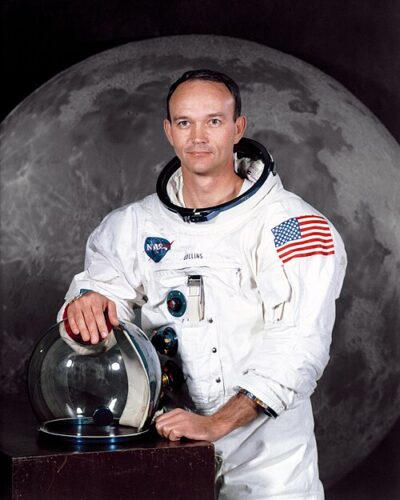 Michael CollinsAmerican astronaut (1930–2021)
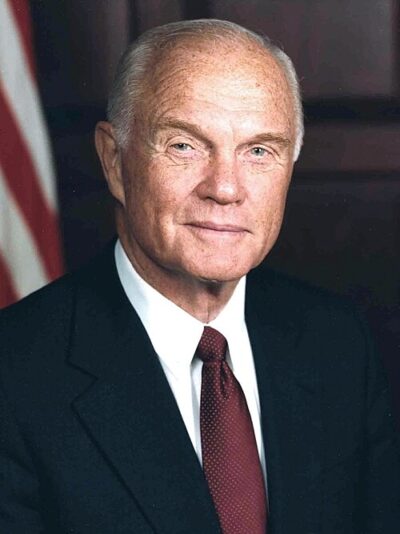 John GlennAmerican astronaut and politician (1921–2016)
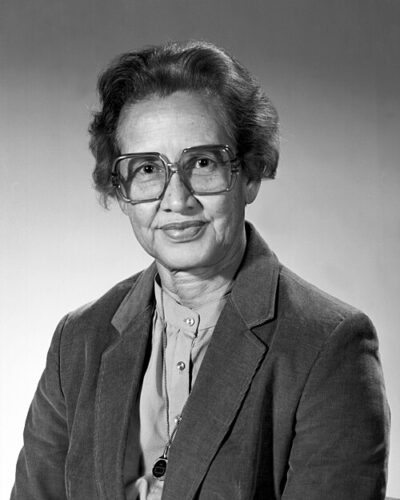 Katherine Johnson (1958–1986)African-American mathematician
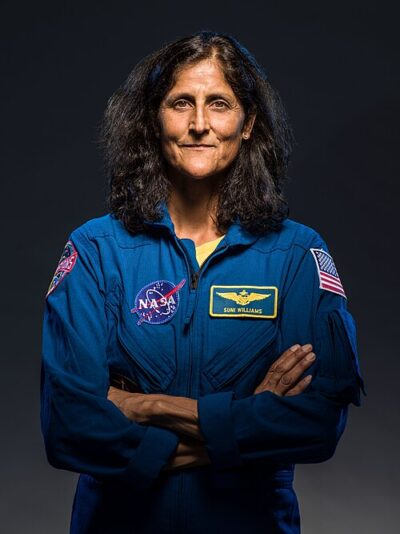 Sunita Williams (1998–2025)American astronaut and naval officer
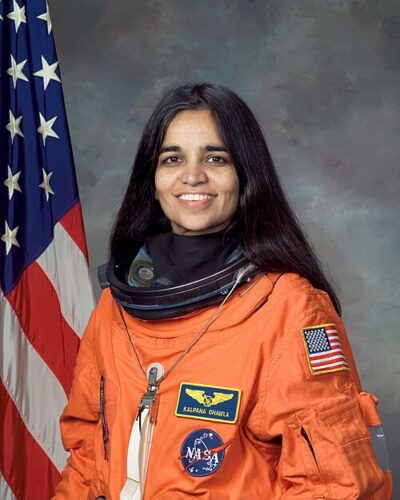 Kalpana Chawla (1995–)American astronaut
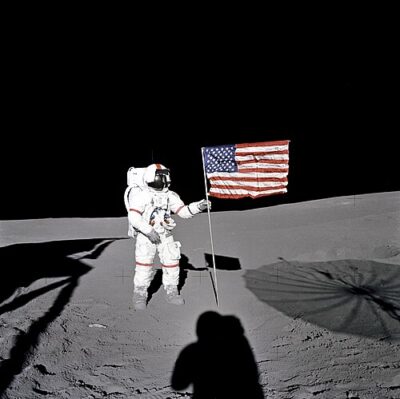 Alan ShepardAmerican astronaut, first American in space, lunar explorer (1923–1998)
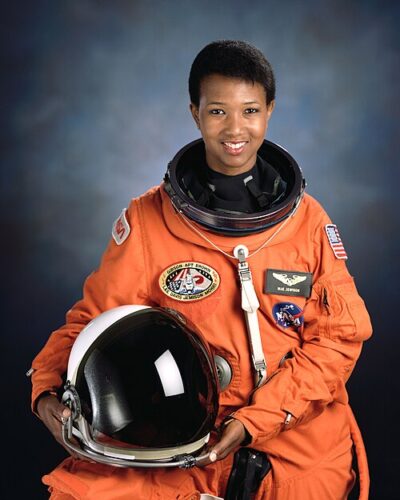 Mae JemisonAmerican doctor and NASA astronaut
 Margaret HamiltonAmerican mathematician and designer of embedded computer systems (1936–2026)
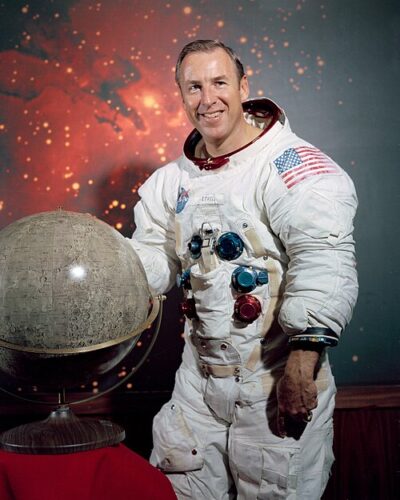 Jim LovellAmerican astronaut (1928–2025)
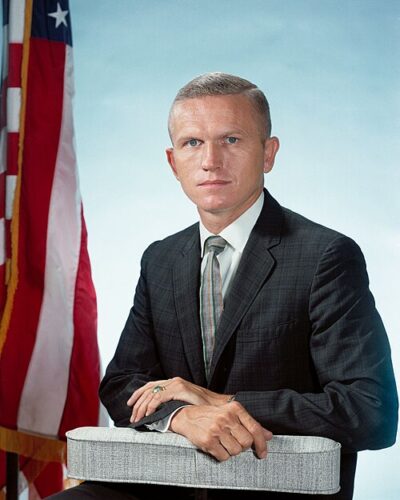 Frank BormanAmerican astronaut (1928–2023)
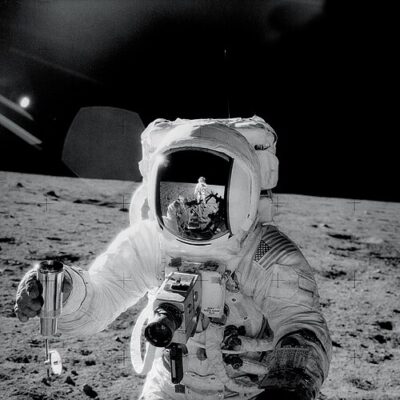 Alan BeanAmerican astronaut and painter (1932-2018)
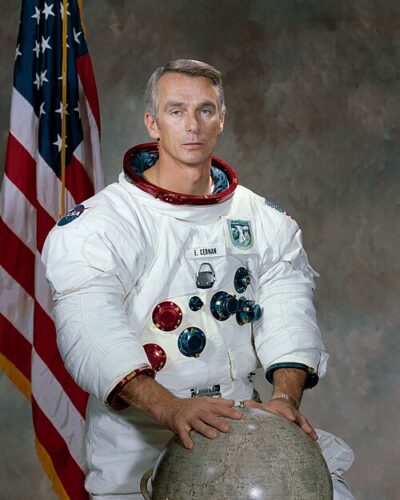 Eugene CernanNASA astronaut, Naval aviator, aeronautical engineer, electrical engineer, fighter pilot, eleventh human to walk on the Moon (Apollo 10 and Apollo 17)
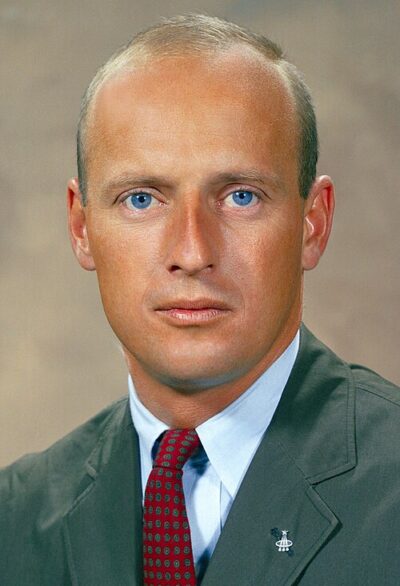 Pete ConradAmerican astronaut and lunar explorer (1930–1999)
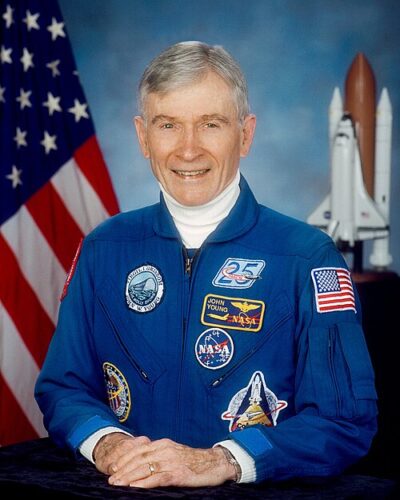 John YoungAmerican astronaut, naval officer, test pilot and aeronautical engineer (1930–2018)
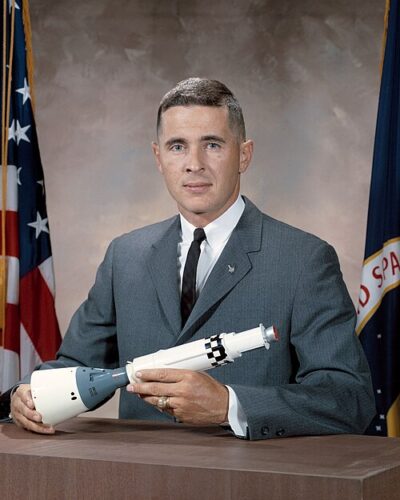 Bill AndersAmerican astronaut and lunar explorer (1933–2024)
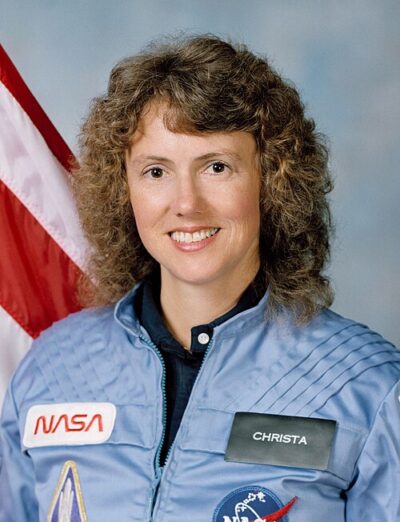 Christa McAuliffeAmerican educator and astronaut
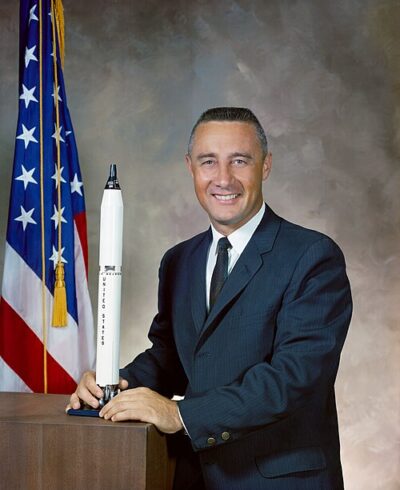 Gus GrissomAmerican astronaut (1926–1967)
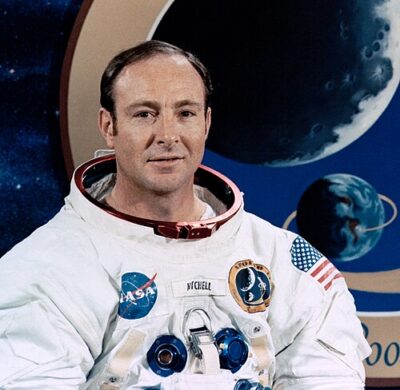 Edgar MitchellAmerican astronaut (1930-2016)
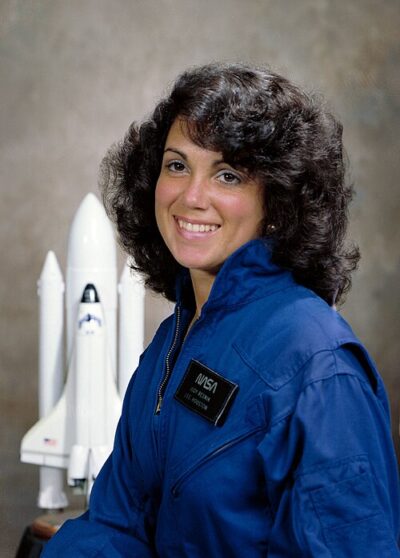 Judith ResnikAmerican engineer and astronaut (1949–1986)
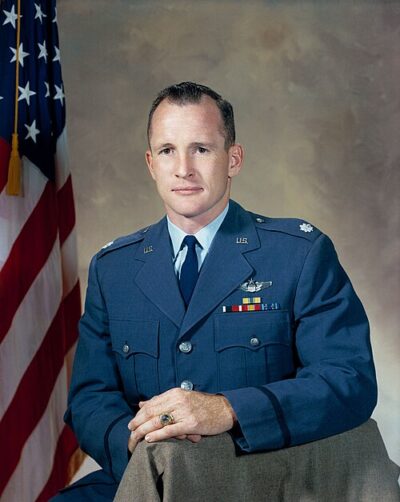 Ed WhiteAmerican astronaut (1930-1967)
and 248 more