
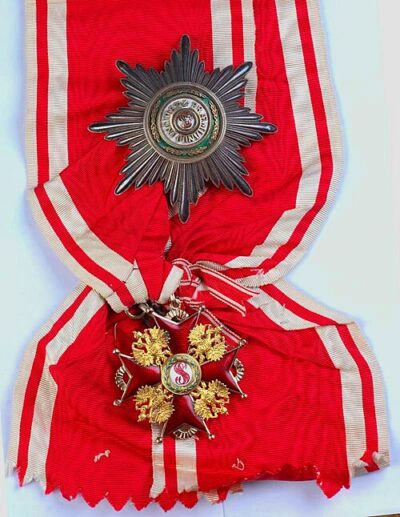
Order of Saint Stanislaus
Order of Saint Stanislaus is a Russian military and civilian decoration. It was created in 1831.
- Country
- Russian Empire
- Created
- 1831
All 4 facts, and where they come from
Facts
4 facts · 0 confirmed by two sources · 0 cited · 4 from one source
Where this comes from
Papalocal keeps its own record. It started from these sources; what each one said is kept here as it was copied, so a change on their side never changes this page by itself. Tap one to read its version.
What Wikidata says · copied November 17, 2026 · revision 2569099638
- Described as
- Russian military and civilian decoration
- Other names
- Order of Saint Stanislaus (House of Romanov)
- What it is
- order
- Created
- 1831
- Country
- Russian Empire
- Named after
- Stanislaus of Szczepanów
- Wikipedias with a page
- 12
Wikidata item Q112457 (wikidata.org/wiki/Q112457), public domain (CC0). Copied 2026-11-17.
What Wikipedia says · copied November 17, 2026 · revision 1319731583
The Imperial Order of Saint Stanislaus (Polish: Order św. Stanisława; Russian: Орденъ Св. Станислава, romanized: Orden Sv. Stanislava), also spelled Stanislas or Stanislav, is a Russian dynastic order of knighthood founded as Order of the Knights of Saint Stanislaus, Bishop and Martyr in 1765 by King Stanisław II Augustus of the Polish–Lithuanian Commonwealth. In 1831 after the downfall of the November Uprising, the order was incorporated into the Chapter of Russian Orders as part of the honours system of the Russian Empire by Emperor Nicholas I of Russia.
In 1839, the Russian Order of Saint Stanislaus received new statutes, including granting status of nobility on its recipients in all three classes.
As a result of the Russian Revolution 1917, activities were suspended by the Soviet Union, although it has since been awarded by the head of the Imperial House of Romanov as a dynastic order. When in 1918 Poland regained its independence as the Second Polish Republic, a Polish order was introduced as a successor to the Polish Order of Saint Stanislaus, the Order of Polonia Restituta.
However, the Order of Saint Stanislas continued to be awarded after the revolution by Grand Duke Kirill Vladimirovich, Grand Duke Vladimir Kirillovich, and Grand Duchess Maria Vladimirovna; the latter a claimant to the headship of the Imperial House.
From the Wikipedia article “Order of Saint Stanislaus (House of Romanov)” (en.wikipedia.org/wiki/Order_of_Saint_Stanislaus_(House_of_Romanov)), by its contributors, under CC BY-SA 4.0 (creativecommons.org/licenses/by-sa/4.0/). Copied 2026-11-17; not changed.
Confirmed Two sources agree. Cited One source, and it names where it got it. One source One source, without a reference of its own. Sources disagree The sources disagree. We show the best-supported value and keep theirs below.
Picture: The original uploader was Vissarion at Russian Wikipedia., via Wikimedia Commons · Public domain
People connected 60
Won it 60
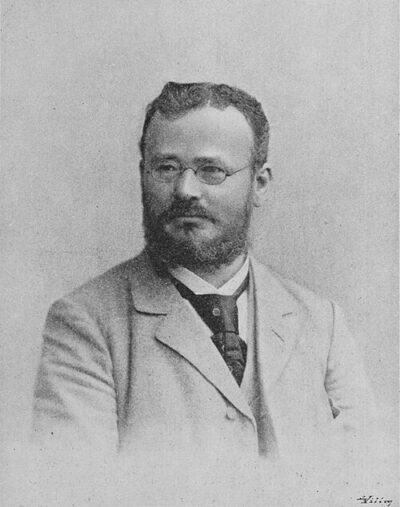 Arnošt Muka (1900)German and Sorbian writer, linguist and man of science (1854–1932)
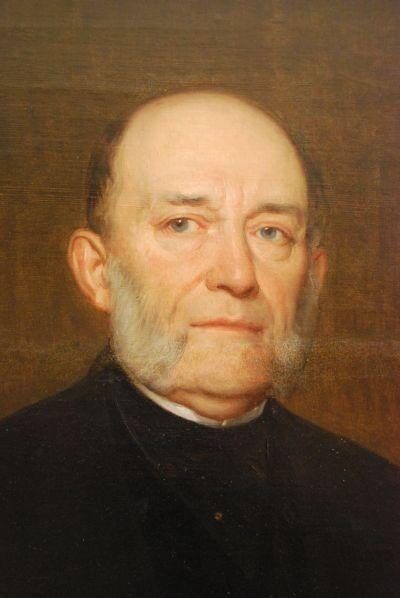 Carl von Rokitansky (1861)Czech anatomist, dermatologist and patologist (1804-1878)
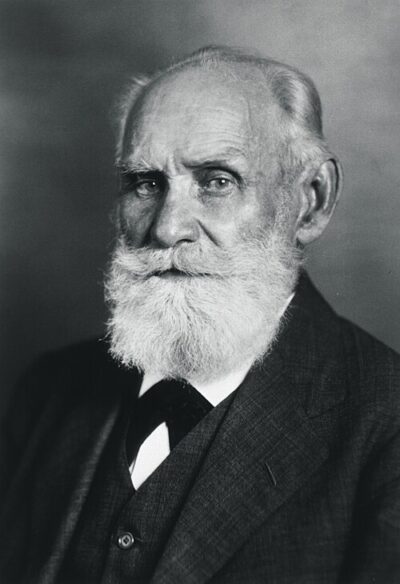 Ivan PavlovRussian physiologist (1849–1936)
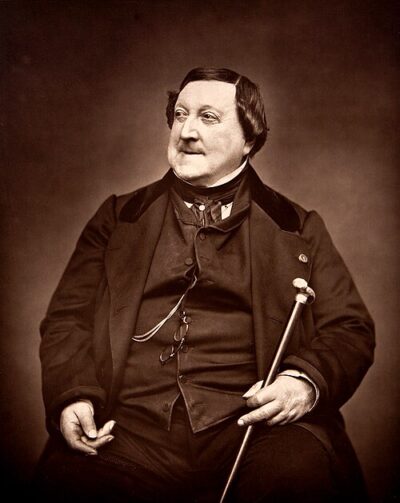 Gioachino RossiniItalian opera composer (1792–1868)
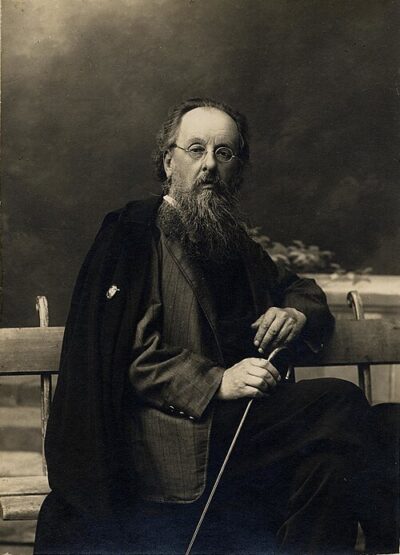 Konstantin TsiolkovskyRussian and Soviet rocket scientist and pioneer of the astronautic theory (1857-1935)
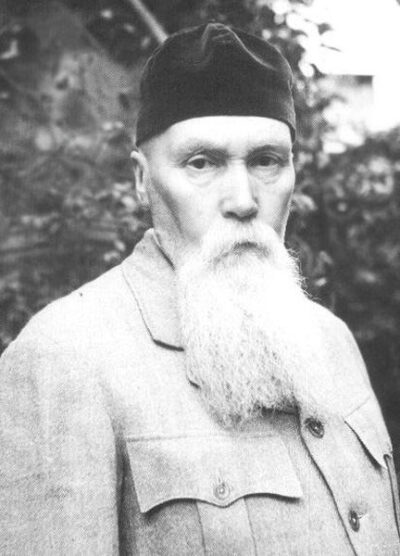 Nicholas RoerichRussian painter, writer, archaeologist and philosopher (1874–1947)
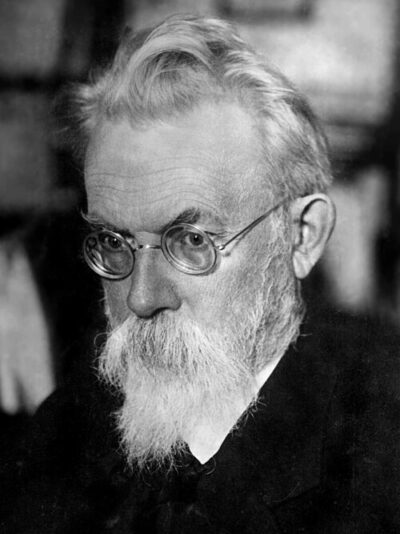 Vladimir VernadskyRussian and Soviet mineralogist and geochemist, one of the founders of geochemistry, biogeochemistry, and of radiogeology
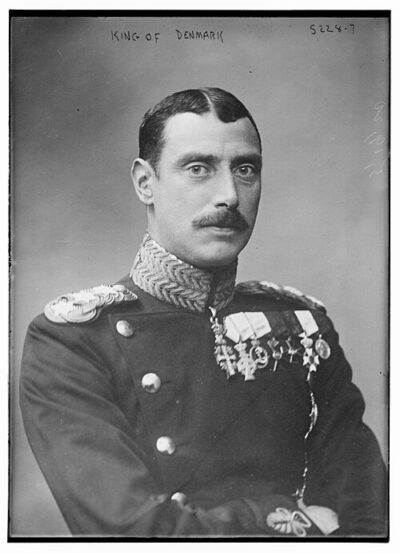 Christian X of DenmarkKing of Denmark (1912–1947) and Iceland (1918–1944)
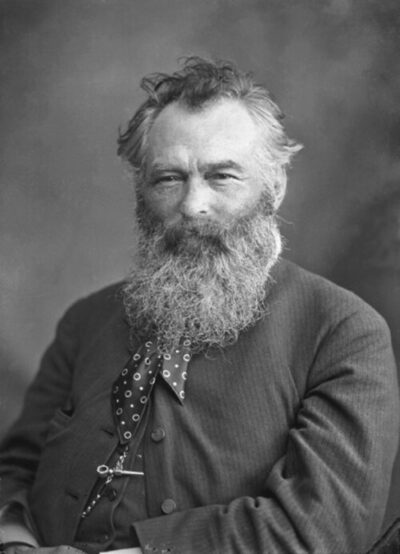 Ivan ShishkinRussian landscape painter (1832-1898)
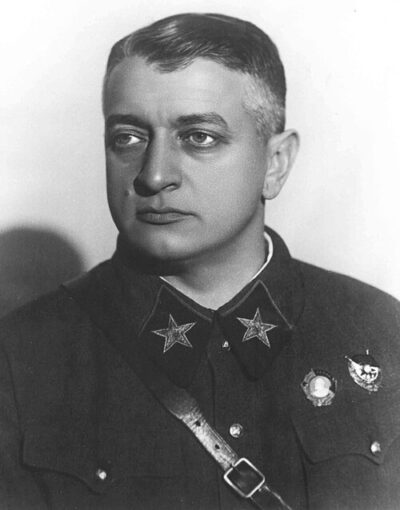 Mikhail TukhachevskyMarshal of the Soviet Union (1893—1937)
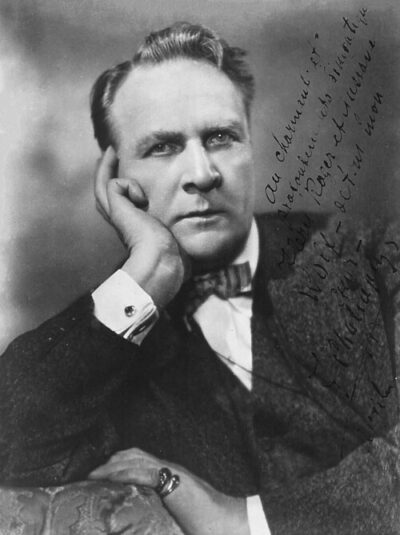 Feodor ChaliapinRussian opera singer and actor (1873-1938)
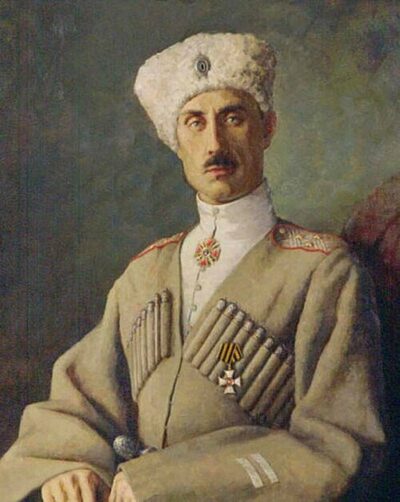 Pyotr WrangelRussian army general of Baltic German origin (1878-1928)
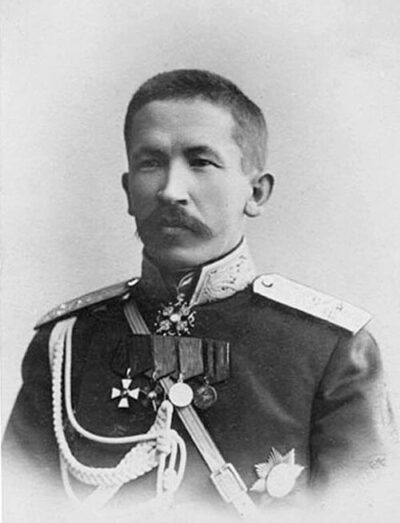 Lavr KornilovImperial Russian Army general (1870–1918)
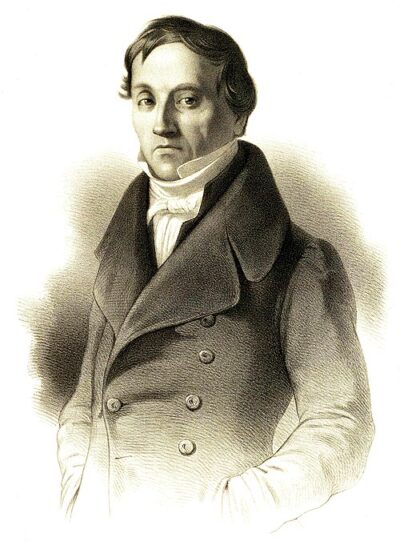 Karl Ernst von BaerBaltic German scientist (1792-1876)
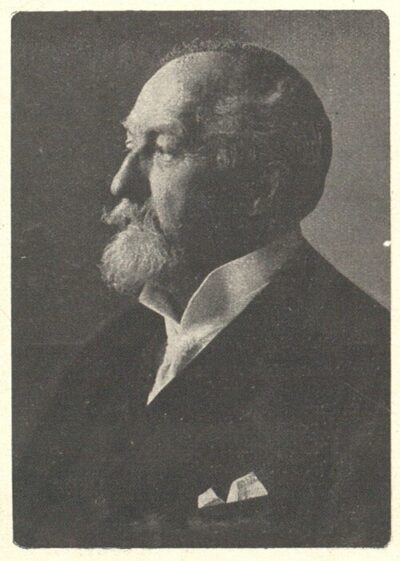 Otto WagnerAustrian architect (1841-1918)
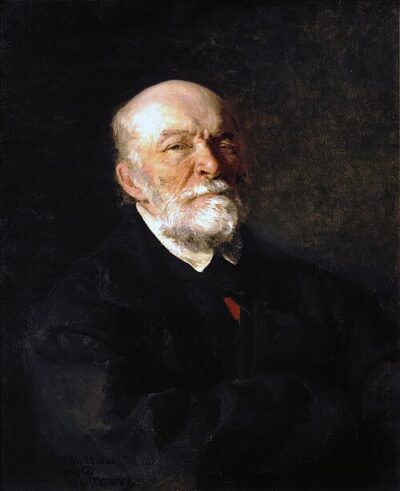 Nikolai PirogovRussian medical scientist (1810-1881)
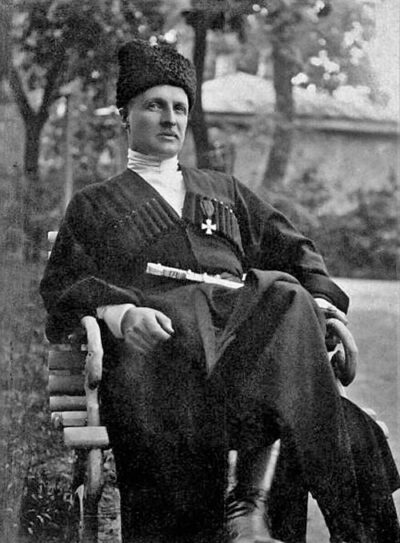 Pavlo SkoropadskyUkrainian general (1873-1945)
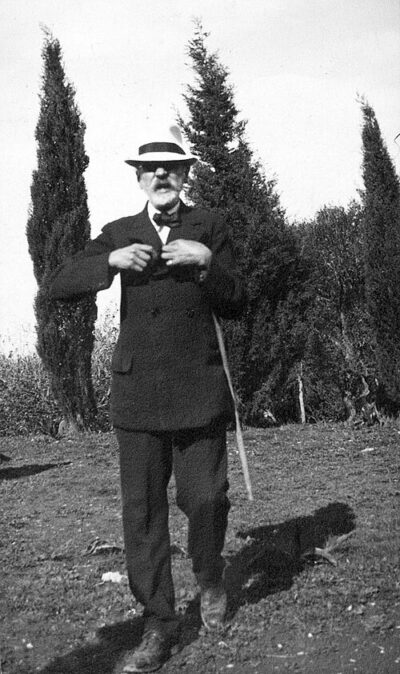 Axel MuntheSwedish physician (1857-1949)
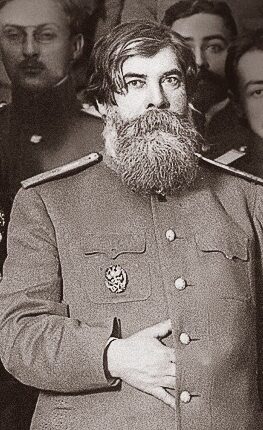 Vladimir BekhterevRussian neurologist
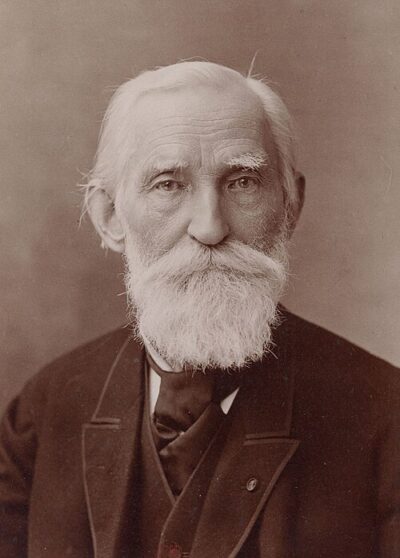 Pafnuty ChebyshevRussian mathematician (1821–1894)
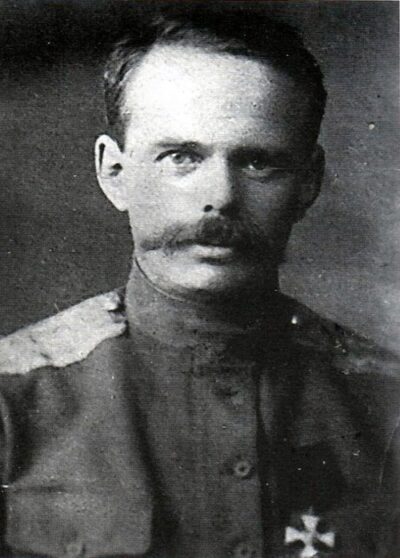 Roman von Ungern-SternbergAustrian anti-communist general (1886-1921)
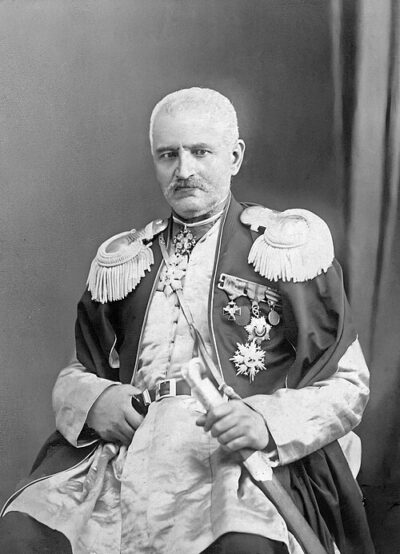 Mirza Fatali AkhundovIranian Azerbaijani playwright and literary critic
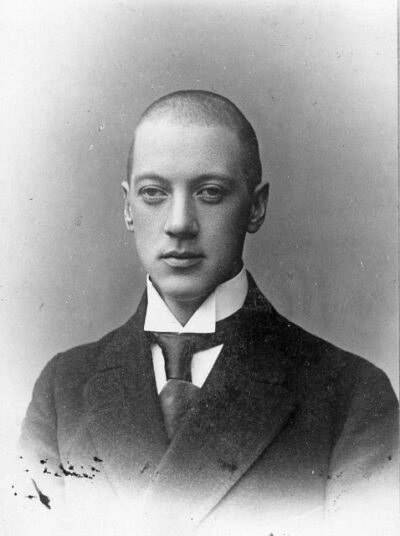 Nikolay GumilevRussian poet (1886-1921)
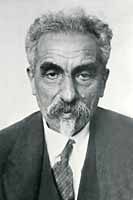 Nikolai MarrGeorgian ethnologist and linguist (1864–1934)
and 36 more
