
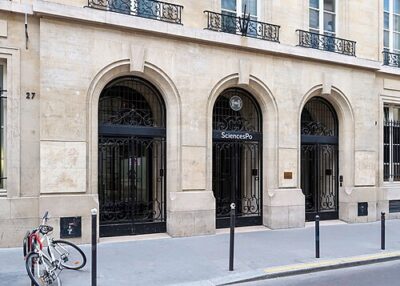
Paris Institute of Political Studies
The Paris Institute of Political Studies is a higher-education institution in Paris, France. It was founded in 1872 by Émile Boutmy. It has 3,280 employees. 11,196 students study there (2023).
- Country
- France
- Founded
- 1872
- Students
- 11,196 (2023)
- What it is
- public university
All 13 facts, and where they come from
Facts
13 facts · 0 confirmed by two sources · 4 cited · 9 from one source
Where this comes from
Papalocal keeps its own record. It started from these sources; what each one said is kept here as it was copied, so a change on their side never changes this page by itself. Tap one to read its version.
What Wikidata says · copied November 16, 2026 · revision 2569343161
- Described as
- higher-education institution in Paris, France
- Other names
- Institut d'études politiques de Paris, Sciences Po Undergraduate College, Sciences Po, Sciences Po Paris, Institut d'études politiques de Paris (Sciences Po), IEP de Paris
- What it is
- public university; grand établissement · 1 reference; grande école
- Founded
- 1872
- Founded by
- Émile Boutmy
- Headquarters
- Paris
- Country
- France · 2 references
- Industry
- higher education · 1 reference
- Employees
- 3,280 · 1 reference
- Part of
- Sorbonne Paris Cité (2010–2015); Sorbonne Paris Cité University (group) (2015–)
- Students
- 5,252 (2007) · 1 reference
- Official website
- https://www.sciencespo.fr/ · 1 reference
- Wikipedias with a page
- 68
Wikidata item Q859363 (wikidata.org/wiki/Q859363), public domain (CC0). Copied 2026-11-16.
What Wikipedia says · copied November 16, 2026 · revision 1384515110
Sciences Po (French pronunciation: [sjɑ̃s po]) or Sciences Po Paris, formally known as the Paris Institute of Political Studies (French: Institut d'études politiques de Paris), is a public research university located in Paris, France, which holds the status of grande école and the legal status of grand établissement. The university's undergraduate program is taught on the Paris campus as well as on the decentralized campuses in Dijon, Le Havre, Menton, Nancy, Poitiers and Reims, each with their own academic program focused on a geopolitical part of the world. While Sciences Po historically specialized in political science, it progressively expanded to other social sciences such as economics, law, and sociology.
The school was established in 1872 by Émile Boutmy as the École libre des sciences politiques in the aftermath of the Franco-Prussian War as a private institution to form a new French elite that would be knowledgeable in political science, law, and history. It was a pioneer in the emergence and development of political science as an academic field in France. Following World War II, the school was nationalized and re-established as a public institution. As of 2021, 80% of Sciences Po graduates are employed in the private sector.
Sciences Po Paris is the only Institute of Political Sciences in France allowed to refer to itself with the epithet "Sciences Po" without indicating the name of the city where their headquarters are located, under a legal agreement with the other institutes. They are allowed to use the term "Sciences Po" to refer to themselves only when followed by the names of the cities where they are located, such as "Sciences Po Lille" or "Sciences Po Grenoble."
The institute is a member of the Association of Professional Schools of International Affairs and The European University of Social Sciences.
From the Wikipedia article “Sciences Po” (en.wikipedia.org/wiki/Sciences_Po), by its contributors, under CC BY-SA 4.0 (creativecommons.org/licenses/by-sa/4.0/). Copied 2026-11-16; not changed.
Confirmed Two sources agree. Cited One source, and it names where it got it. One source One source, without a reference of its own. Sources disagree The sources disagree. We show the best-supported value and keep theirs below.
Picture: Celette, via Wikimedia Commons · CC BY-SA 4.0
People connected 164
Studied here 153
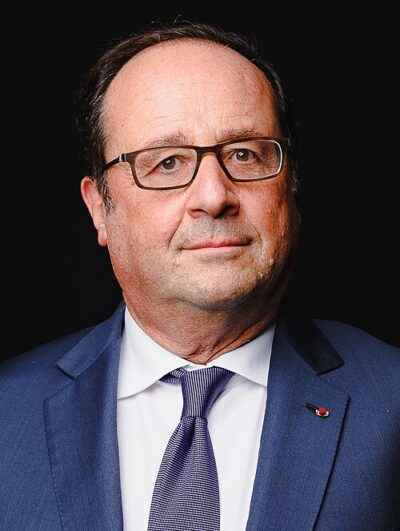 François HollandePresident of France from 2012 to 2017 (born 1954)
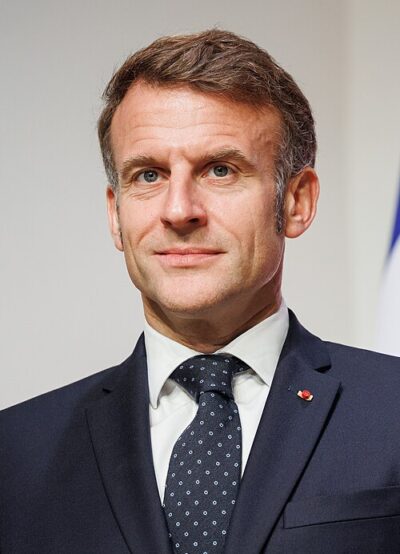 Emmanuel MacronPresident of France and Co-Prince of Andorra since 2017
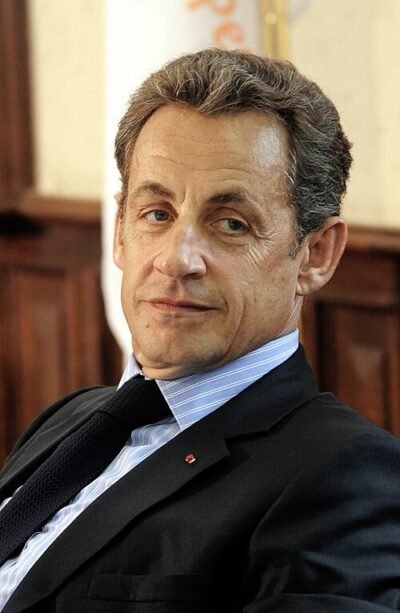 Nicolas Sarkozy23rd president of the French Republic from 2007 to 2012
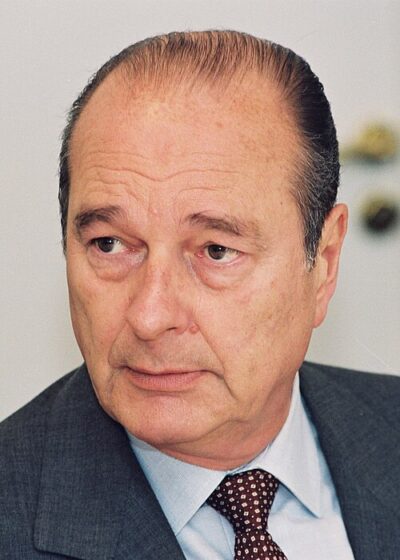 Jacques Chirac (1951–1953)President of France from 1995 to 2007
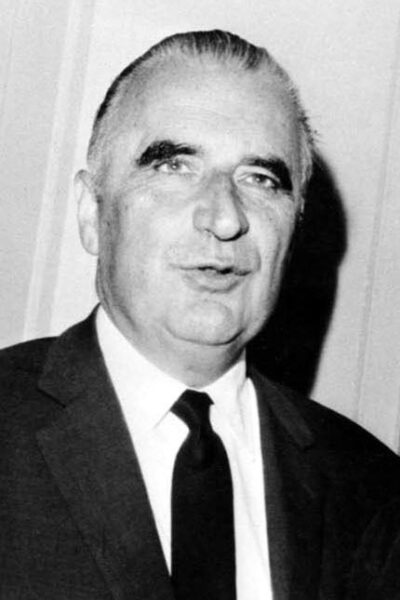 Georges PompidouPresident of France from 1969 to 1974
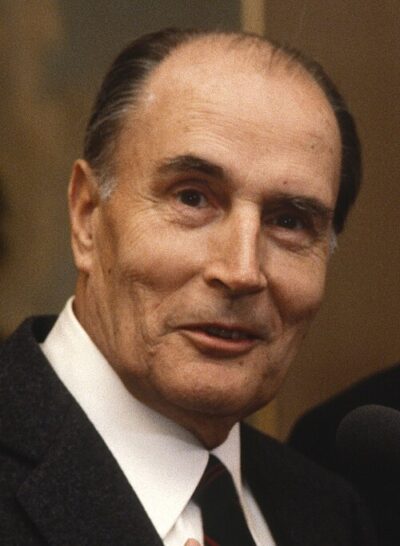 François Mitterrand21st President of the French Republic from 1981 to 1995 (1916–1996)
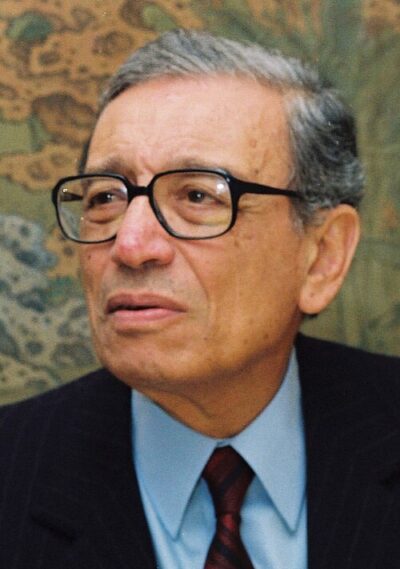 Boutros Boutros-Ghali (–1949)Secretary-General of the United Nations from 1992 to 1996
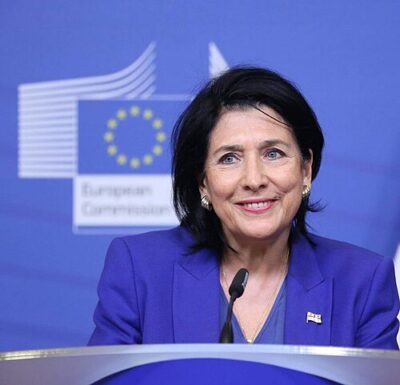 Salome ZourabichviliGeorgian politician and former French diplomat, fifth President of Georgia (2018–2024)
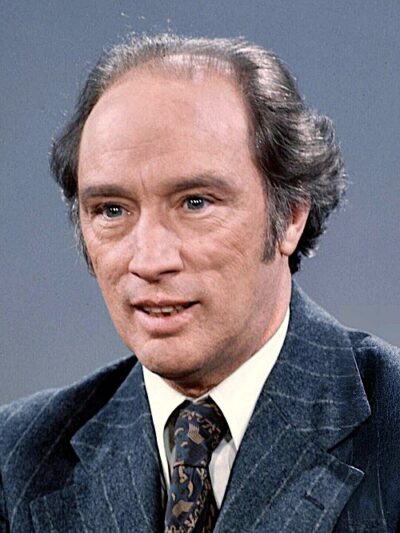 Pierre TrudeauPrime Minister of Canada from 1968 to 1979 and 1980 to 1984 (1919–2000)
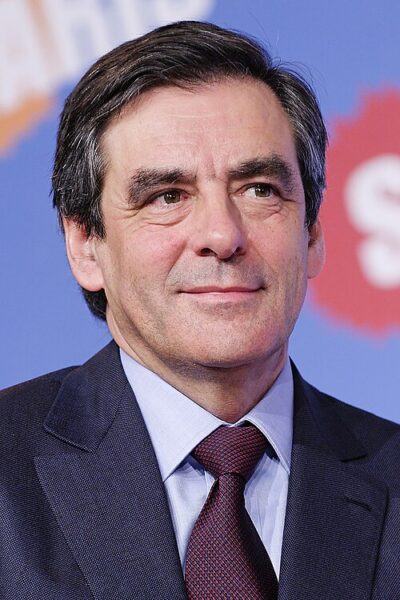 François Fillonprime minister of France (2007-2012)
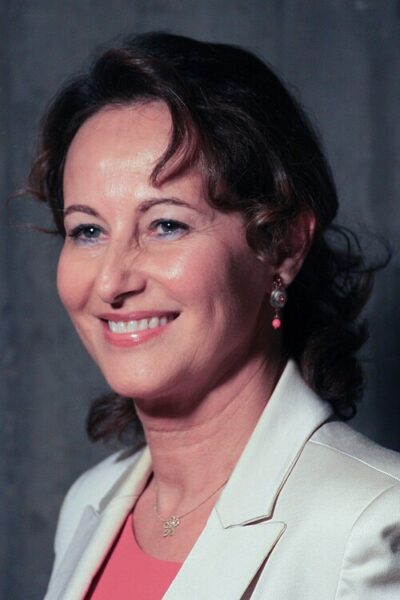 Ségolène RoyalFrench politician (born 1953)
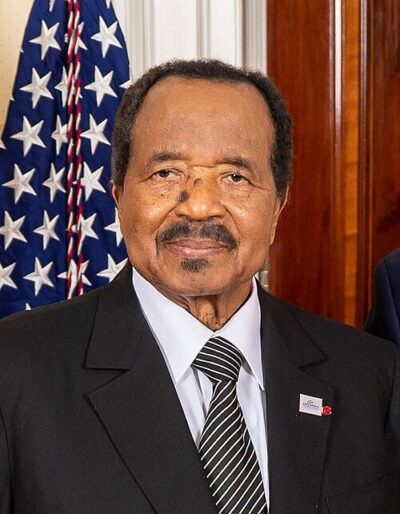 Paul BiyaCameroonian politician
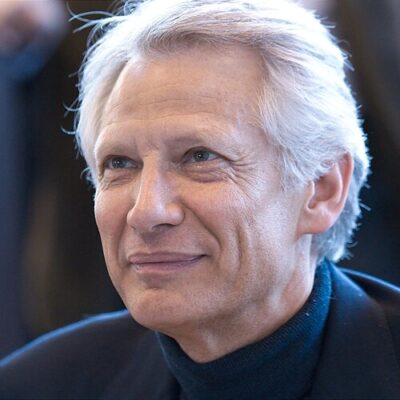 Dominique de VillepinFrench politician and diplomat; 95th Prime Minister of France
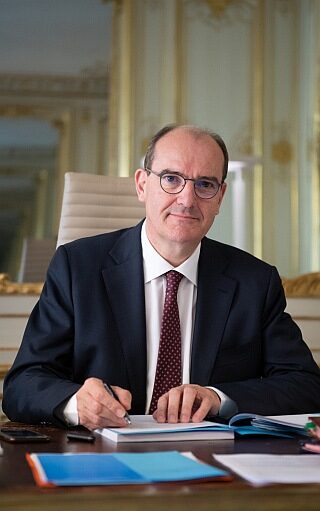 Jean Castex (–1986)Prime Minister of France from 2020 to 2022
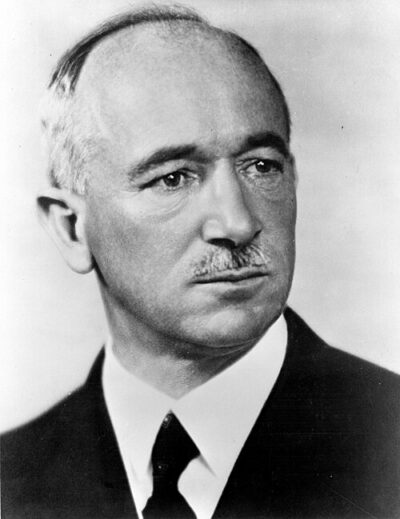 Edvard BenešCzechoslovak politician (1884-1948)
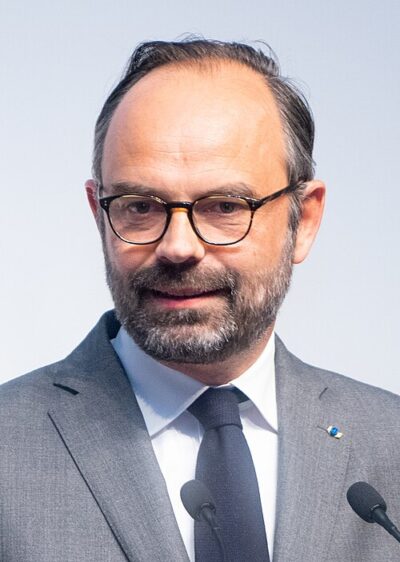 Édouard Philippe (–1992)Prime Minister of France from 2017 to 2020
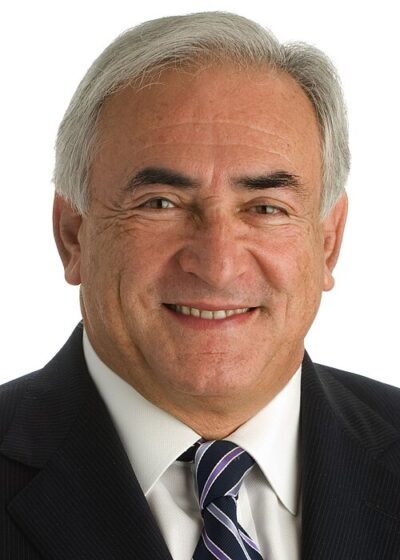 Dominique Strauss-KahnFrench economist
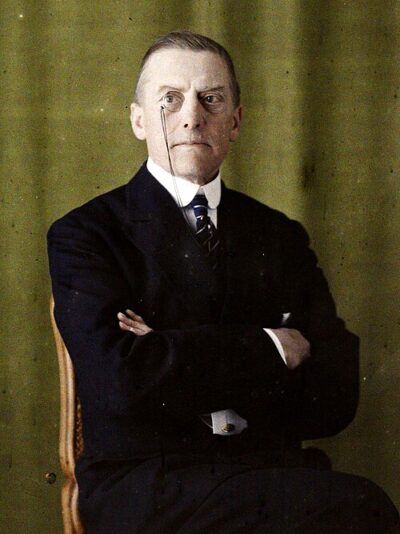 Austen ChamberlainBritish politician (1863-1937)
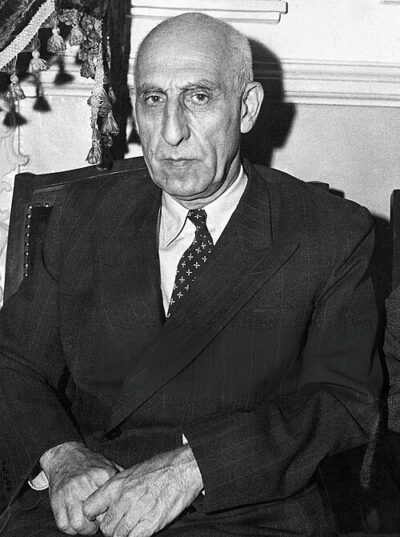 Mohammad Mosaddeghformer Prime Minister of Iran (1882–1967)
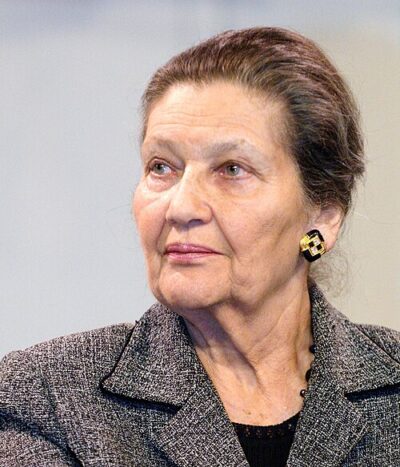 Simone VeilFrench politician (1927–2017)
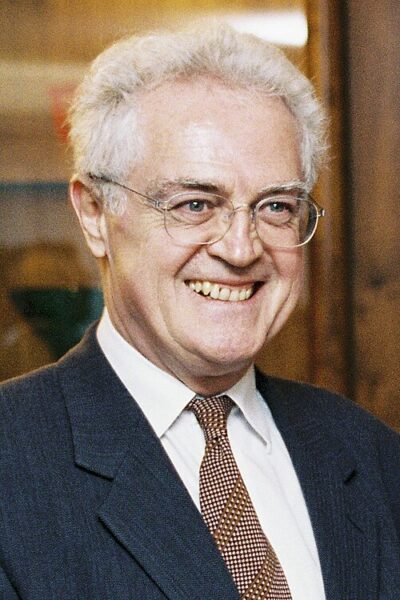 Lionel Jospin93rd Prime Minister of France (1997–2002)
 Chandrika KumaratungaPresident of Sri Lanka from 1994 to 2005
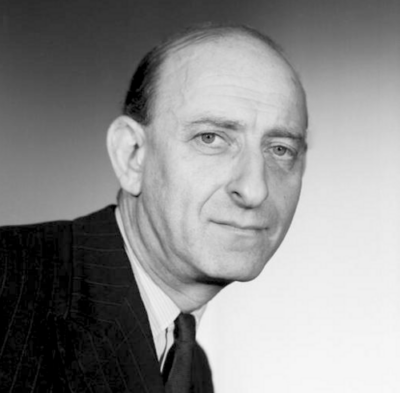 Raymond AronFrench philosopher, sociologist, journalist, and political scientist (1905–1983)
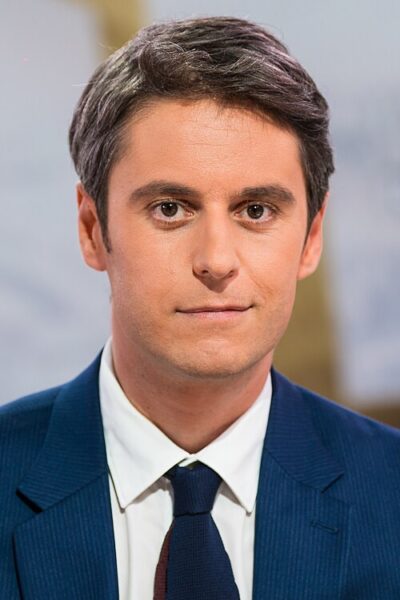 Gabriel Attal (2007–2013)Prime Minister of France in 2024
and 129 more
Worked here
- Salome Zourabichvili (–1972)Georgian politician and former French diplomat, fifth President of Georgia (2018–2024)
- Dominique de VillepinFrench politician and diplomat; 95th Prime Minister of France
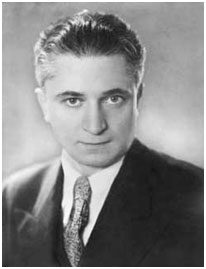 Fernand BraudelFrench historian and leader of the Annales School
- Dominique Strauss-KahnFrench economist
- Raymond AronFrench philosopher, sociologist, journalist, and political scientist (1905–1983)
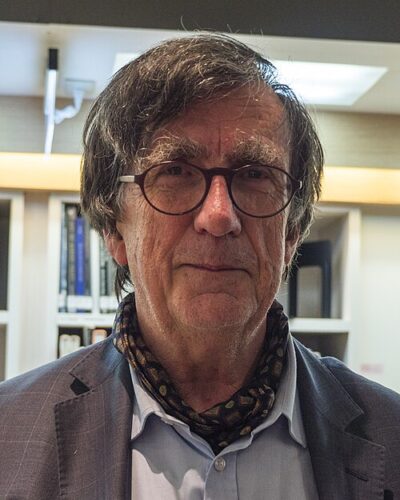 Bruno Latour (2006–2017)French sociologist and philosopher (1947–2022)
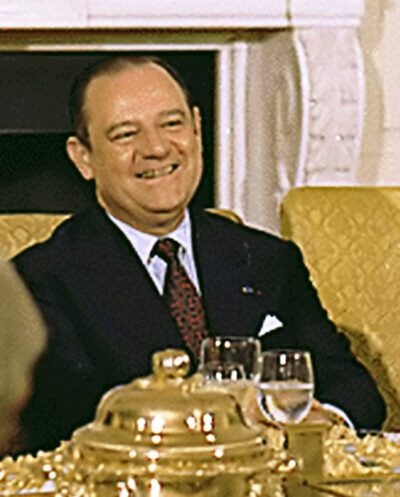 Raymond Barre85th Prime Minister of France (1924-2007)
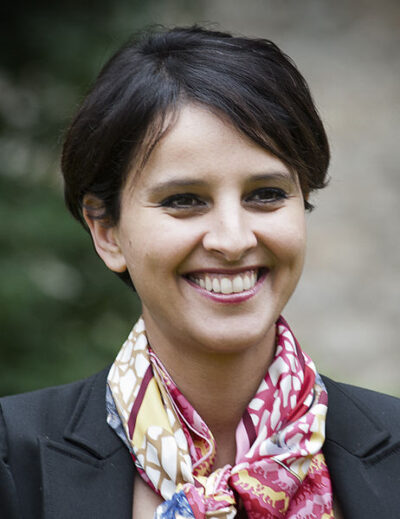 Najat Vallaud-BelkacemFrench-Moroccan politician
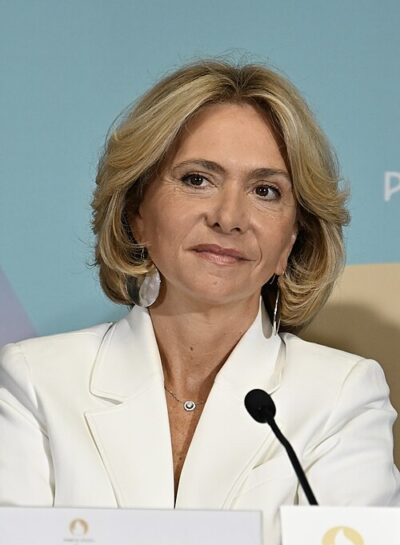 Valérie PécresseFrench politician (born 1967)
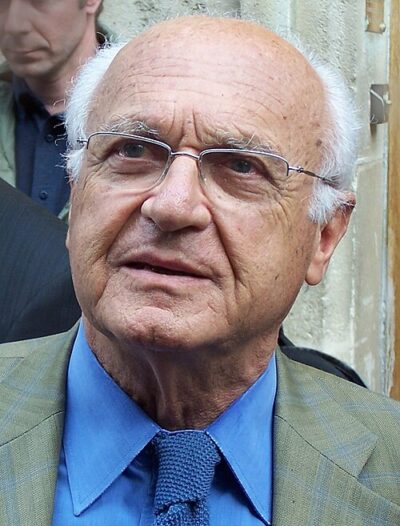 Pierre Nora (1965–1977)French historian and publisher (1931–2025)
 Leslie ManigatPresident of Haiti (1930–2014)
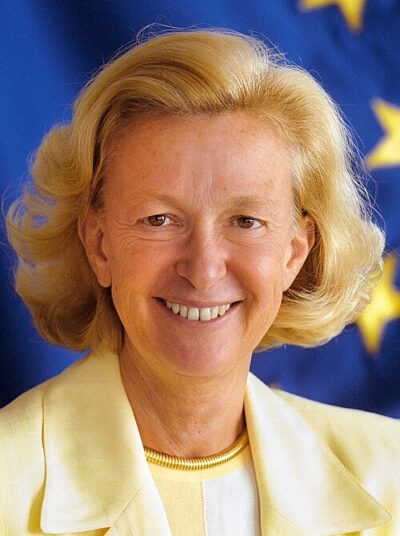 Nicole FontaineFrench politician (1942–2018)
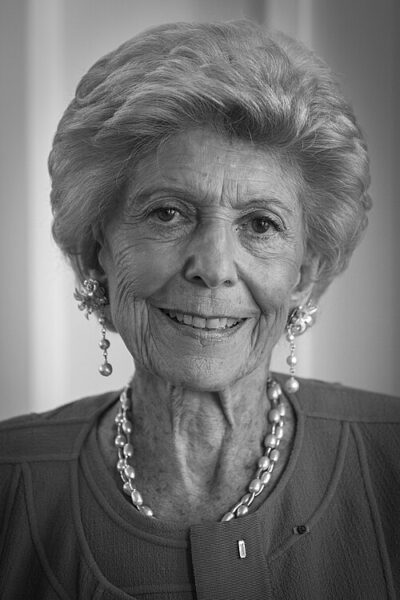 Hélène Carrère d'EncausseFrench historian and politician (1929–2023)
 Pascal BrucknerFrench writer
 Olivier WeberFrench writer
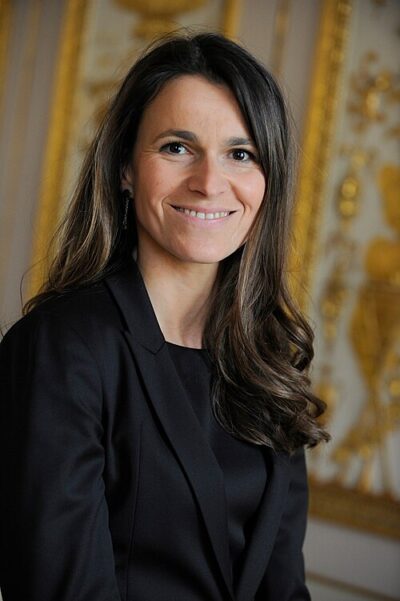 Aurélie FilippettiFrench politician and writer
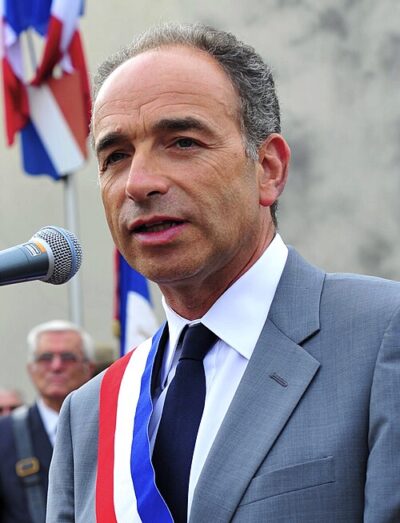 Jean-François CopéFrench politician
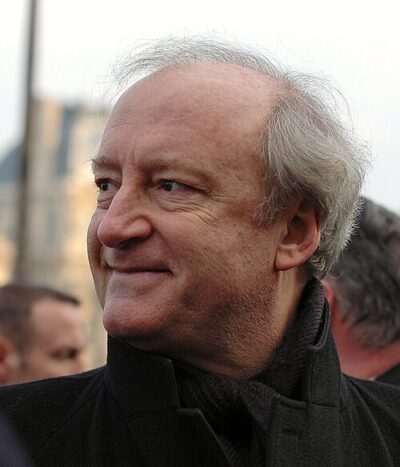 Hubert VédrineFrench diplomat and politician
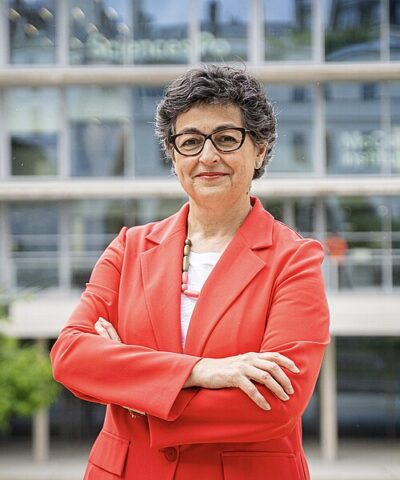 Arancha González Laya (2022–)former Minister of Foreign Affairs, European Union and Cooperation of Spain
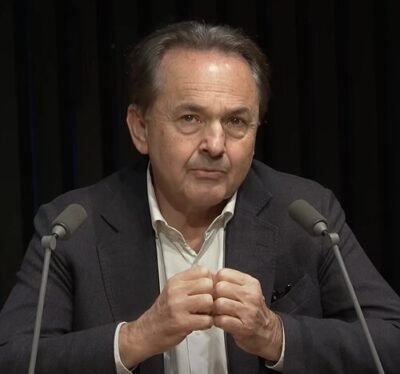 Gilles KepelFrench political scientist and Arabist (born 1955)
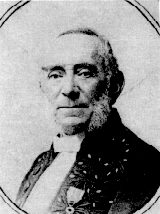 Clément JuglarFrench economist (1819–1905)
- RRené RémondFrench historian and political economist (1918-2007)
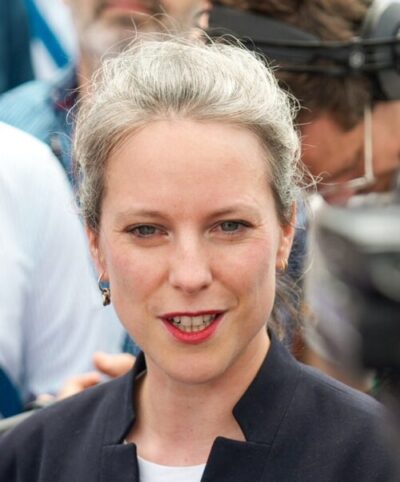 Lucie Castets (2014–2017)French teacher, civil servant and political activist
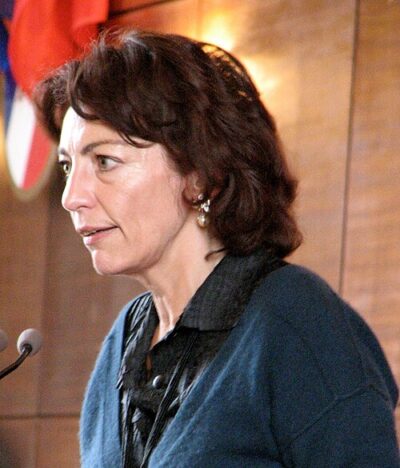 Marisol TouraineFrench politician
