

president
President is a leader of a country or part of a country, usually in republics.
All 2 facts, and where they come from
Facts
2 facts · 0 confirmed by two sources · 0 cited · 2 from one source
Where this comes from
Papalocal keeps its own record. It started from these sources; what each one said is kept here as it was copied, so a change on their side never changes this page by itself. Tap one to read its version.
What Wikidata says · copied November 16, 2026 · revision 2564315137
- Described as
- leader of a country or part of a country, usually in republics
- What it is
- public office
- Comes after
- president-elect
- Wikipedias with a page
- 171
Wikidata item Q30461 (wikidata.org/wiki/Q30461), public domain (CC0). Copied 2026-11-16.
What Wikipedia says · copied November 16, 2026 · revision 1384404990
President is a common title for the head of state in most republics. The role of a president can vary depending on the country, with some serving as the head of government, a ceremonial figurehead, or some other distinction.
The functions exercised by a president vary according to the form of government. In parliamentary republics, they are usually, but not always, limited to those of the head of state and are a largely ceremonial role. An exception to this would be presidential-parliamentary republics (e.g. Botswana and South Africa), where the role of the president is more prominent and encompasses more of the functions of a head of government. The president of a semi-presidential republic has some discretionary powers, such as involvement in foreign affairs or the appointment of the head of government agencies, but they are not themselves the head of government. A leader of a one-party state may also hold the position of president for ceremonial purposes or to maintain an official state position.
Styles such as "Mr. President" or "Madam President" may apply to a person holding the title of president or presiding over certain other governmental bodies. "Mr. President" has subsequently been used by governments to refer to their heads of state. It is the conventional translation of non-English styles such as Monsieur le Président for the president of the French Republic. It also has a long history of usage as the title of the presiding officers of legislative and judicial bodies. The speaker of the House of Commons of Canada is addressed as président(e) de la Chambre des communes in French and as Mr. Speaker or Madam Speaker in English.
From the Wikipedia article “President (government title)” (en.wikipedia.org/wiki/President_(government_title)), by its contributors, under CC BY-SA 4.0 (creativecommons.org/licenses/by-sa/4.0/). Copied 2026-11-16; not changed.
Confirmed Two sources agree. Cited One source, and it names where it got it. One source One source, without a reference of its own. Sources disagree The sources disagree. We show the best-supported value and keep theirs below.
Picture: Wikimedia Commons: President George W. Bush Meets with Former Presidents George H. W. Bush, Bill Clinton and Jimmy Carter and President-Elect Barack Obama in the Oval Office of the White House - DPLA - 8f2f33d64f72a6eb1b0471ba20da87f6.jpg · See Commons file page
People connected 108
Held this office 88
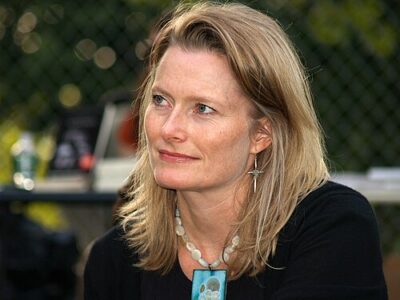 Jennifer Egan (2018–)American novelist, short story writer
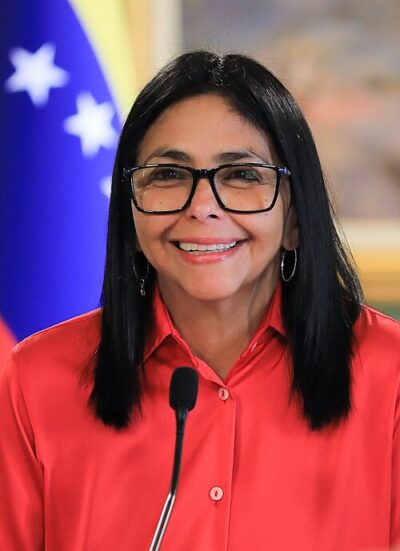 Delcy Rodriguez (2017–2018)Acting President of Venezuela since 2026
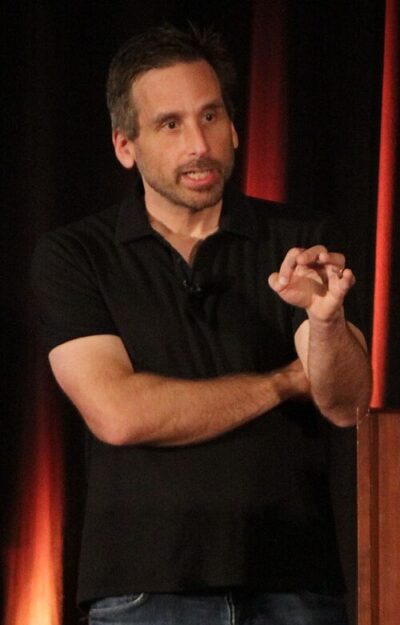 Ken Levine (2017–)American video game developer
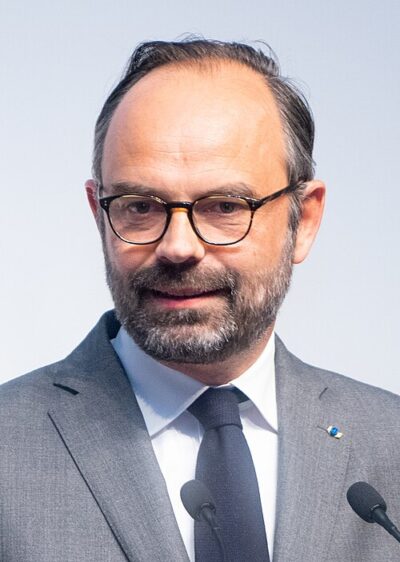 Édouard Philippe (2010–2017)Prime Minister of France from 2017 to 2020
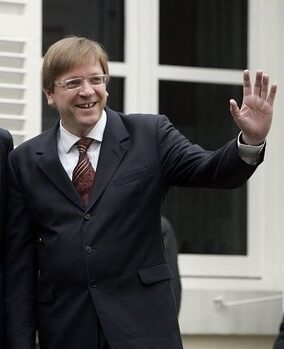 Guy Verhofstadt (2009–2019)Prime Minister of Belgium from 1999 to 2008
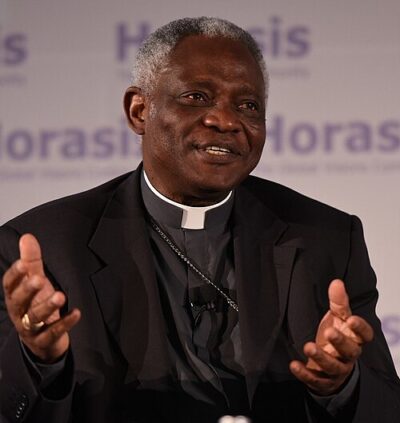 Peter Kodwo Appiah Turkson (2009–2016)Ghanaian cardinal of the Roman Catholic Church (1948-)
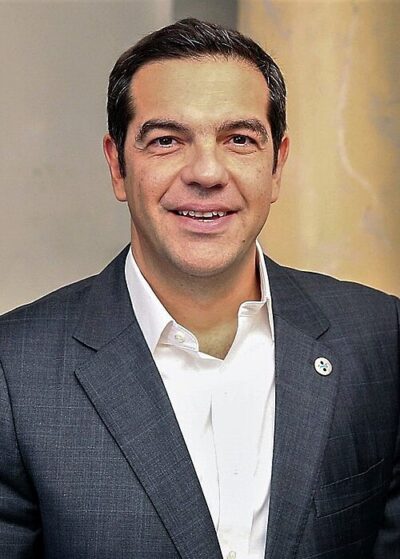 Alexis Tsipras (2008–)Prime Minister of Greece (2015; 2015–2019)
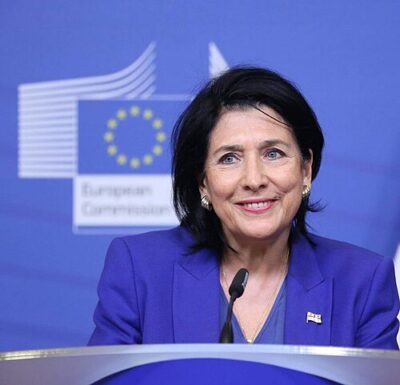 Salome Zourabichvili (2006–2010)Georgian politician and former French diplomat, fifth President of Georgia (2018–2024)
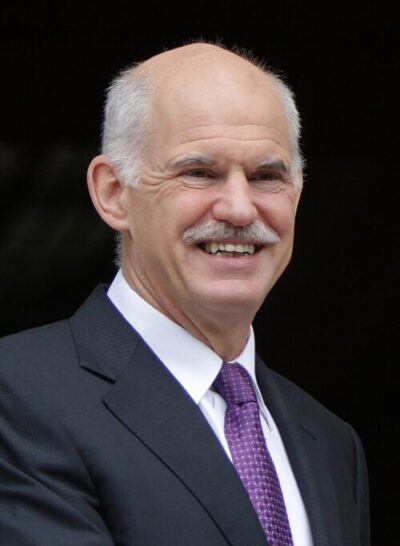 Giorgos Papandreou (2004–2012)Greek politician, president of the Socialist International
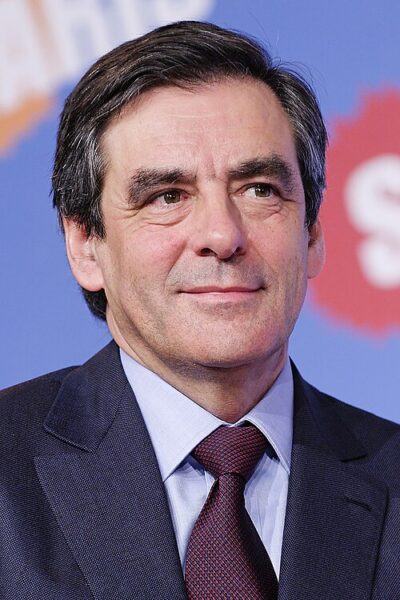 François Fillon (2001–2012)prime minister of France (2007-2012)
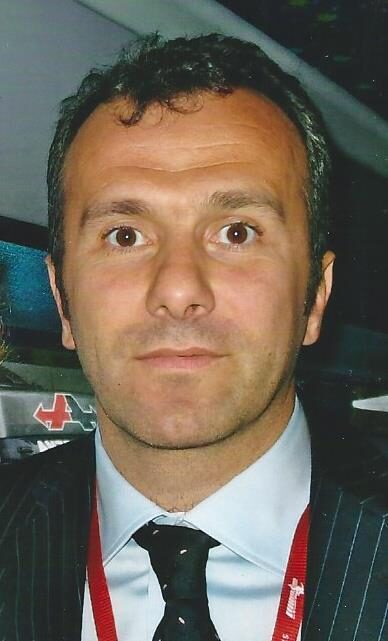 Dejan Savićević (2001–)Montenegrin footballer
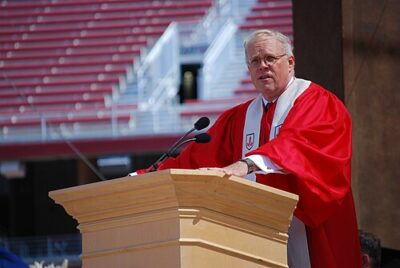 John L. Hennessy (2000–2016)American computer scientist (born 1952)
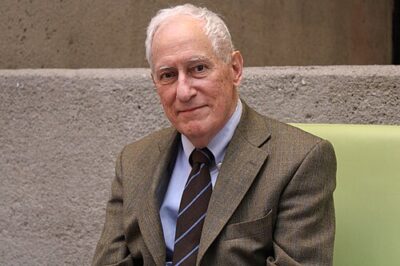 Robert Darnton (1999)American historian
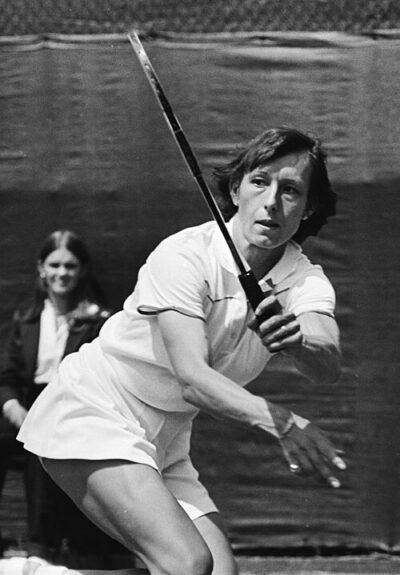 Martina Navratilova (1994–1995)Czech-American tennis player
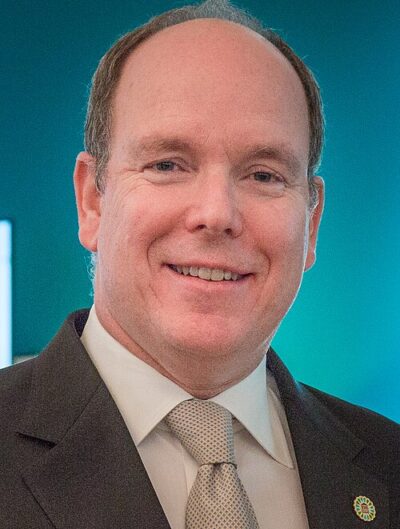 Albert II, Prince of Monaco (1994–)Prince of Monaco (born 1958)
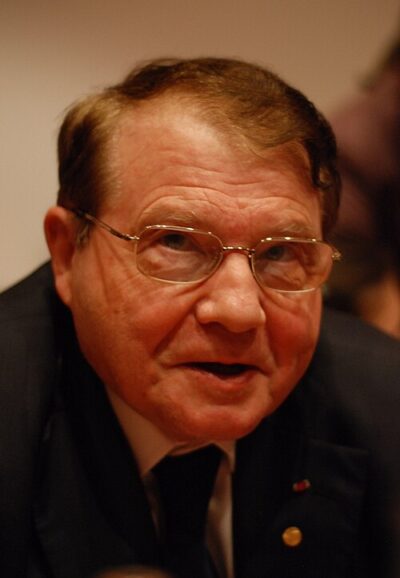 Luc Montagnier (1993–2022)French virologist and joint recipient of the Nobel Prize of Physiology or Medicine (2008)
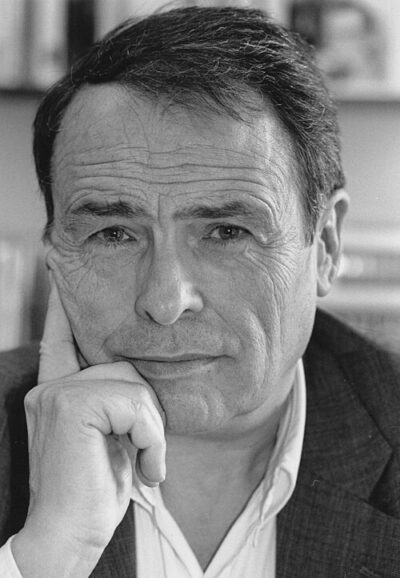 Pierre Bourdieu (1992–2002)French sociologist, anthropologist, and philosopher (1930–2002)
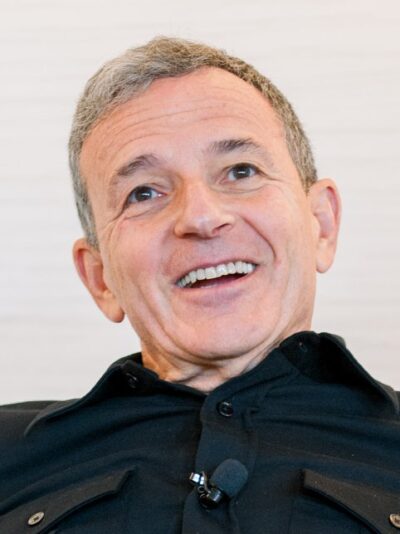 Bob Iger (1989–1992)American businessman and CEO of The Walt Disney Company (born 1951)
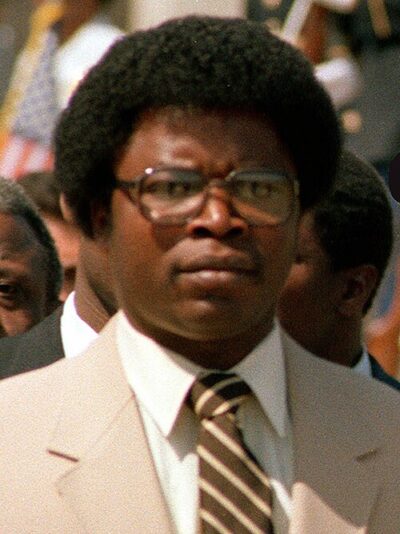 Samuel Doe (1980–1986)21st President of Liberia
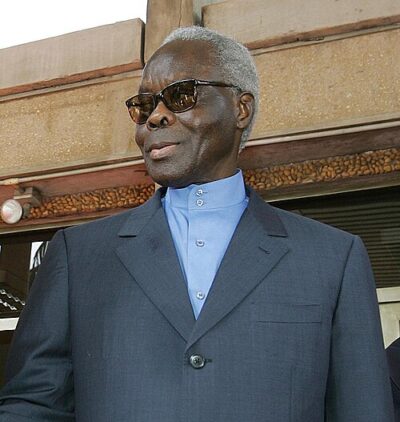 Mathieu Kérékou (1975–1980)politician (1933-2015)
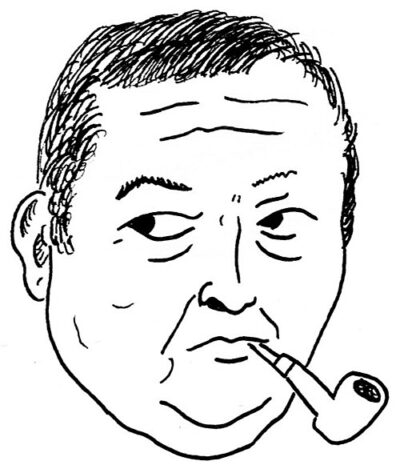 Jacques Le Goff (1975–1977)French historian (1924-2014)
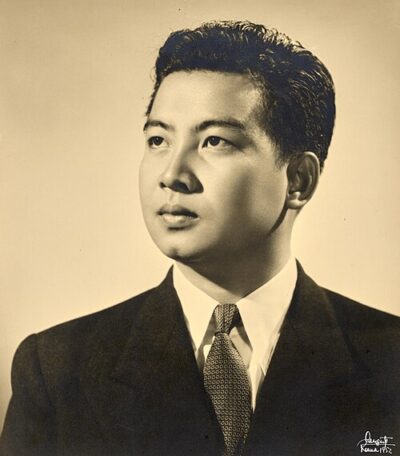 Norodom Sihanouk (1975–1976)Cambodian monarch and politician (1922–2012)
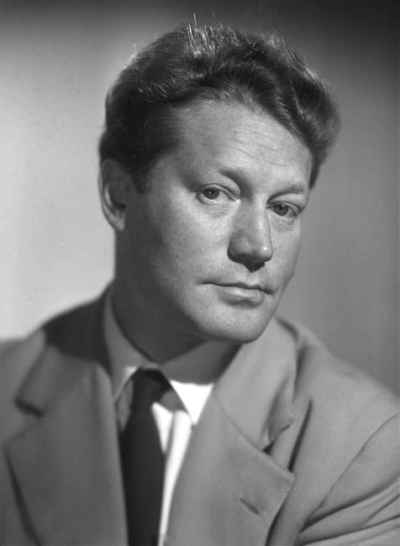 Maurice Druon (1967–1973)French novelist
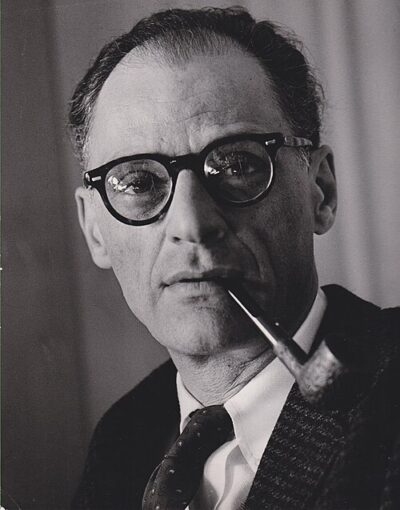 Arthur Miller (1966–1969)American playwright and essayist (1915–2005)
and 64 more
Occupation
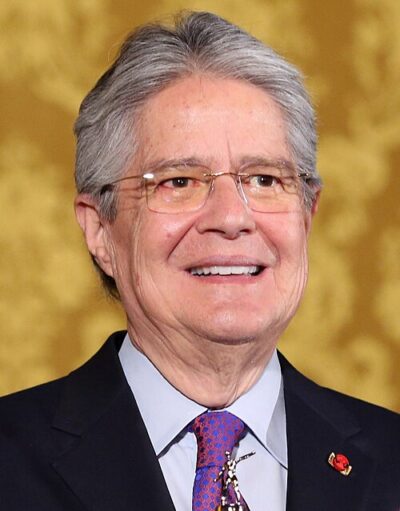 Guillermo Lasso55th President of Ecuador from 2021 to 2023
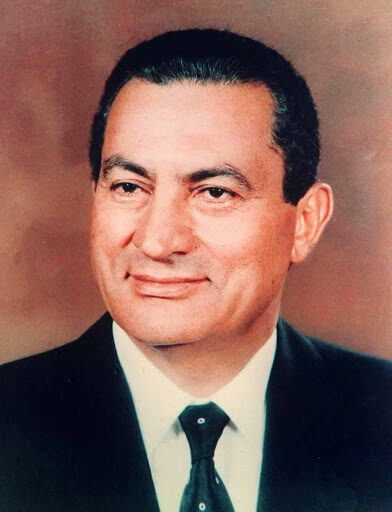 Hosni MubarakPresident of Egypt from 1981 to 2011
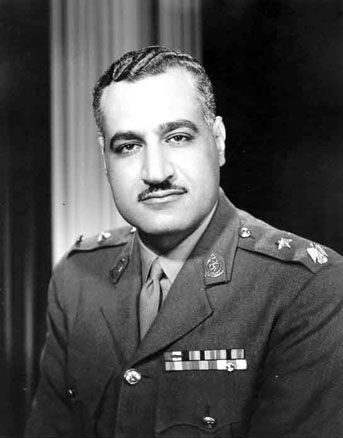 Gamal Abdel NasserPresident of Egypt from 1956 to 1970
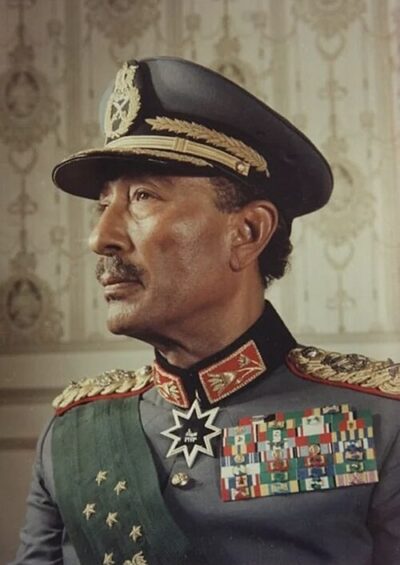 Anwar SadatPresident of Egypt from 1970 to 1981
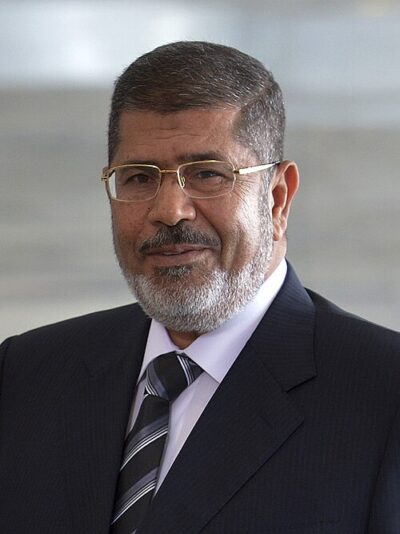 Mohamed Morsipresident of Egypt from 2012 to 2013
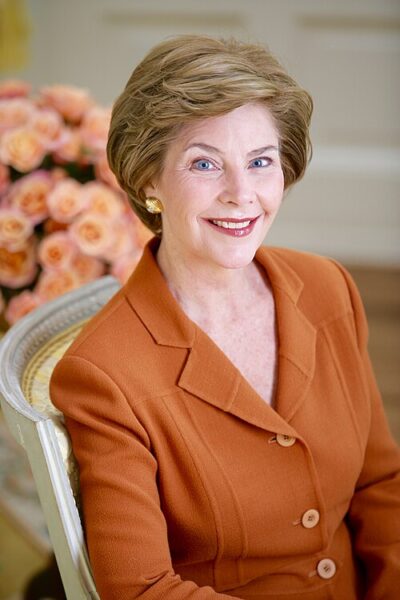 Laura BushFirst Lady of the United States from 2001 to 2009
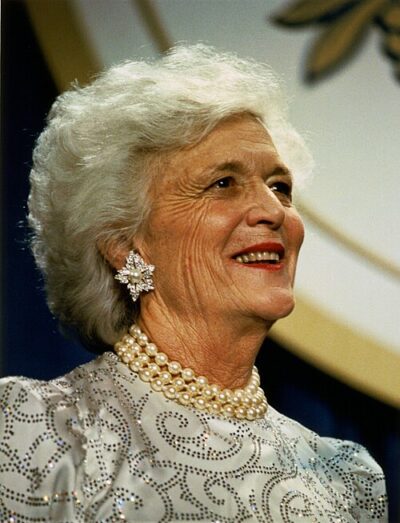 Barbara BushFirst Lady of the United States from 1989 to 1993 (1925–2018)
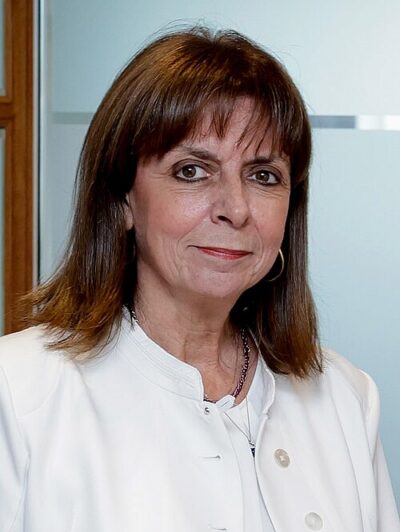 Katerina SakellaropoulouGreek judge, former president of the Hellenic Republic
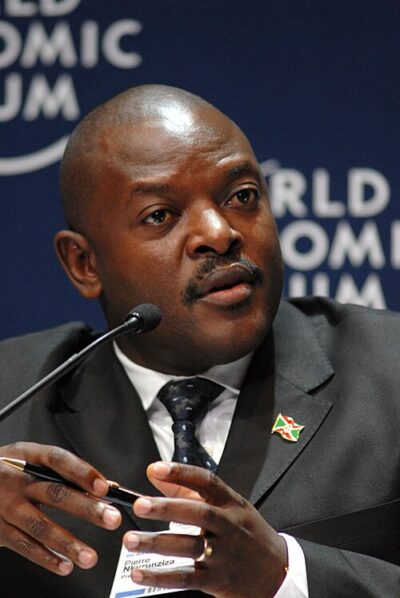 Pierre Nkurunziza (2005–2020)President of Burundi from 2005 to 2020
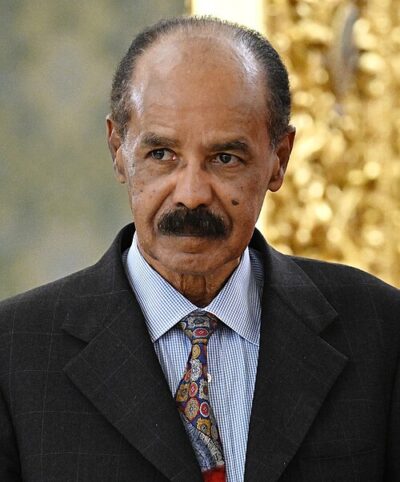 Isaias Afwerkipresident of Eritrea since 1993
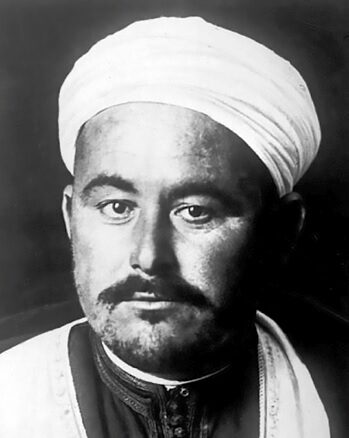 Abd el-Krimwar leader and president of the Rif Republic from 1921 to 1926
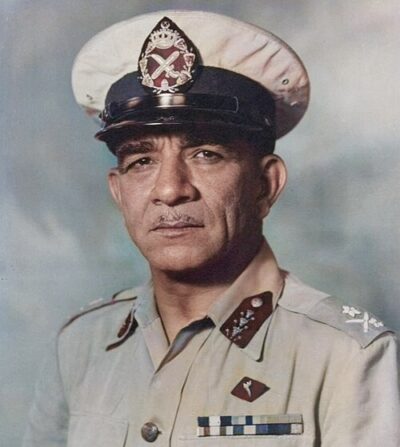 Mohamed Naguib1st President of the Republic of Egypt (1901–1984)
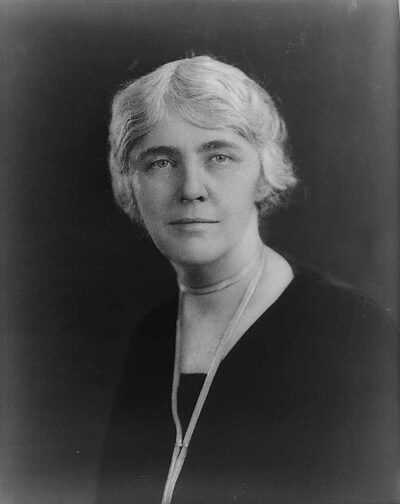 Lou Henry HooverFirst Lady of the United States from 1929 to 1933
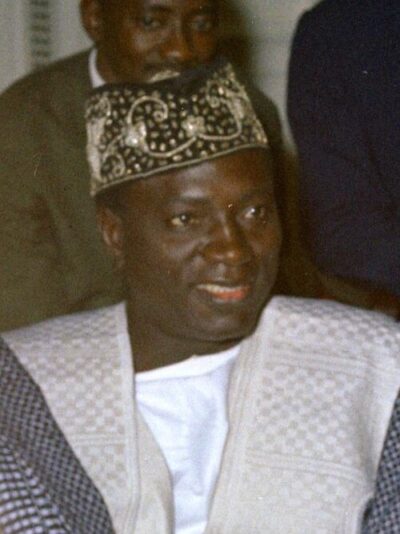 Modibo Keïta (1960–1968)Malian politician and President of Mali (1915-1977)
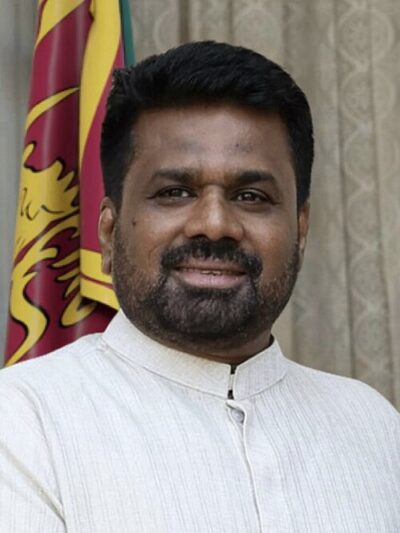 Anura Kurankan Dissanayake (2024–)President of Sri Lanka since 2024
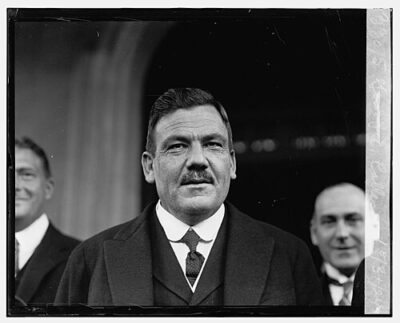 Plutarco Elías Calles47th President of Mexico
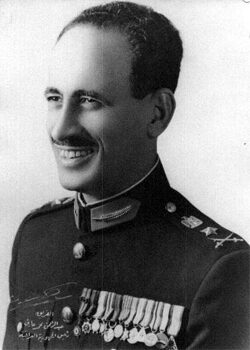 Abdul Rahman ArifPresident of Iraq from 1966 to 1968
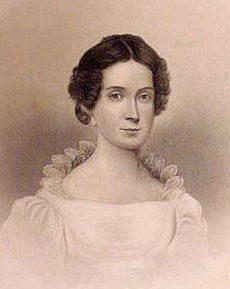 Letitia Christian TylerFirst Lady of the United States (1790–1842)
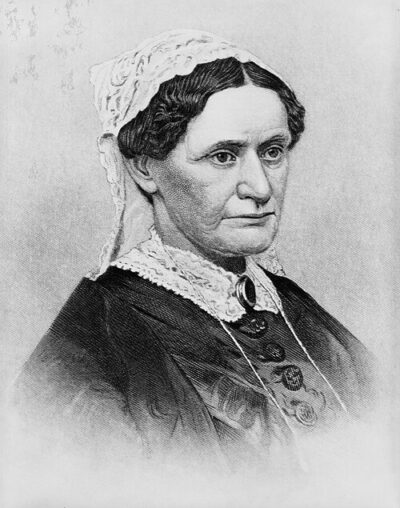 Eliza McCardle JohnsonFirst Lady of the United States from 1865 to 1869
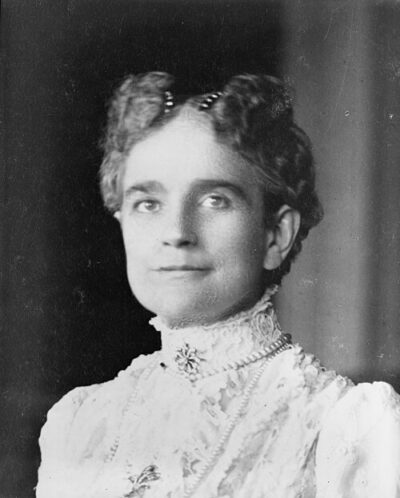 Ida Saxton McKinleyFirst Lady of the United States from 1897 to 1901
