

Sufism
Sufism is a body of mystical practice within Islam. It was founded by Muhammad.
- Founded by
- Muhammad
All 5 facts, and where they come from
Facts
5 facts · 0 confirmed by two sources · 0 cited · 5 from one source
Where this comes from
Papalocal keeps its own record. It started from these sources; what each one said is kept here as it was copied, so a change on their side never changes this page by itself. Tap one to read its version.
What Wikidata says · copied November 17, 2026 · revision 2567783770
- Described as
- body of mystical practice within Islam
- Other names
- tasawwuf
- What it is
- religious movement; way of life; lifestyle
- Followed by
- wasil
- Founded by
- Muhammad
- Wikipedias with a page
- 144
Wikidata item Q9603 (wikidata.org/wiki/Q9603), public domain (CC0). Copied 2026-11-17.
What Wikipedia says · copied November 17, 2026 · revision 1386191647
Sufism (Arabic: التصوف, romanised: al-tasawwuf) is a diverse Islamic spiritual and ethical discipline concerned with spiritual excellence (ihsan), purification of the self and heart (tazkiya), sainthood and closeness to God (wilaya), and remembrance of God (dhikr).
While commonly described as "Islamic mysticism", this designation captures only one dimension of the broader discipline. Nile Green notes the "narrowing and prescriptive tendencies" of the model of "mysticism", arguing that it can "castigate or exclude much of what it was meant to explain." He therefore proposes understanding Sufism as "primarily a tradition of powerful knowledge, practices and persons," rather than reducing it to the "mysticism of a marginal party of God-seekers."
Sufis also played an important role in the spread of Islam through their missionary and educational activities. Although the overwhelming majority of Sufis, both pre-modern and modern, remain adherents of Sunni Islam, some strands of Sufi thought transferred over to the ambits of Shia Islam during the late Middle Ages after the Safavid conversion of Iran under the concept of irfan.
Although Sufis were opposed to dry legalism, with the exception of certain antinomian groups —such as the Bektashis, Malamis, and Qalandaris— mainstream Sufis strictly observed Islamic law and belonged to various schools of Islamic jurisprudence and theology. Despite a relative decline of Sufi orders in the modern era including attacks and accusations from fundamentalist Islamic movements (such as Salafi-Wahhabist groups) who view the Sufis as those who have deviated from the deen, Sufism has continued to play an important role in the Islamic world. The extent of this decline varied from country to country, but by the 1950s Sufism had experienced "a dramatic loss of appeal" among Muslims. However, Sufism not only survived but in recent decades has undergone a revival and revitalisation, to the point that Knysh suggests it could lead to a "full-blown Sufi revival". At the same time, what is called Neo-Sufism has emerged, seeking to suck Islam out of Sufism, or at the very least heavily minimise it, or reinterpret it as one of the great traditions of humanity pointing towards the same universal truth, a kind of perennialism.
It has also influenced various forms of spirituality in the West and generated significant academic interest.
From the Wikipedia article “Sufism” (en.wikipedia.org/wiki/Sufism), by its contributors, under CC BY-SA 4.0 (creativecommons.org/licenses/by-sa/4.0/). Copied 2026-11-17; not changed.
Confirmed Two sources agree. Cited One source, and it names where it got it. One source One source, without a reference of its own. Sources disagree The sources disagree. We show the best-supported value and keep theirs below.
Picture: Wikimedia Commons: Tomb of Abdul Qadir Jilani, Baghdad.jpg · See Commons file page
People connected 33
Field
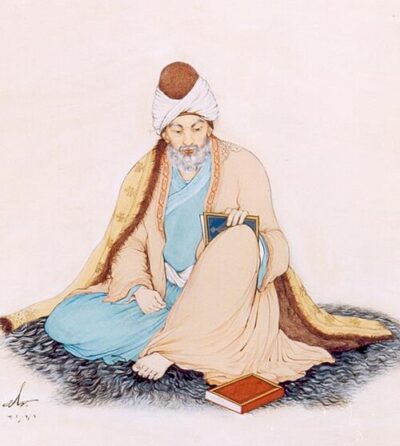 RumiIranian poet
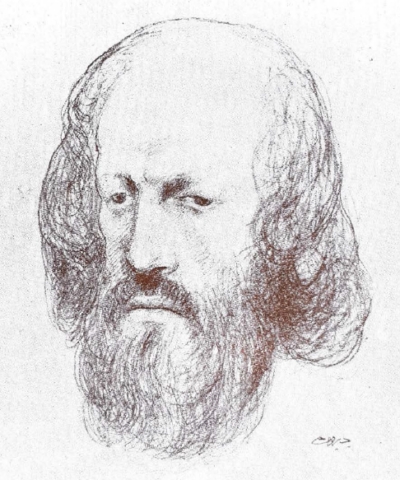 Al-GhazaliPersian Sunni Muslim scholar and mystic (c.1058–1111)
 Ibn ArabiSufi scholar and Sunni philosopher (1165–1240)
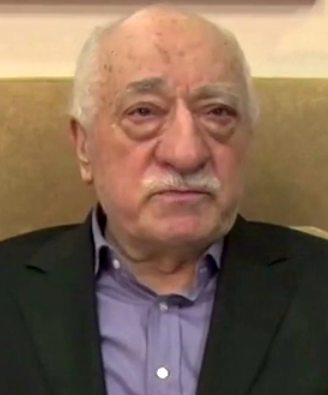 Fethullah GülenTurkish preacher and imam (1941–2024)
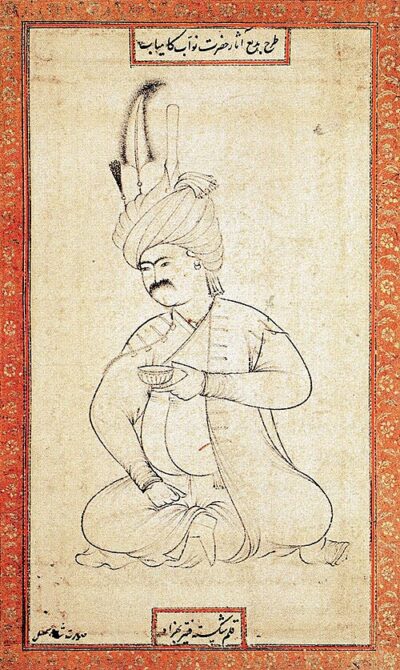 Ismail Ifounder and first shah of Safavid Iran
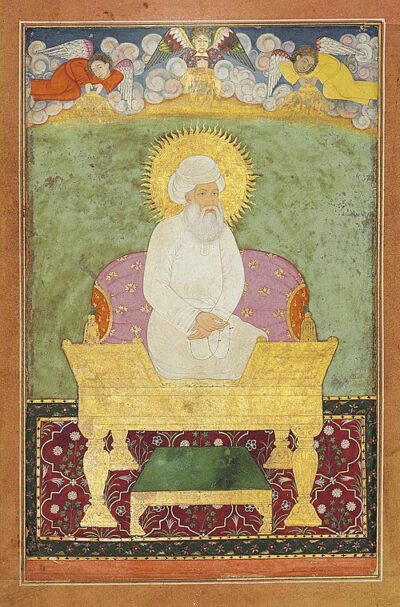 Abdul Qadir GilaniSunni Muslim preacher, mystic and jurist (1078–1166)
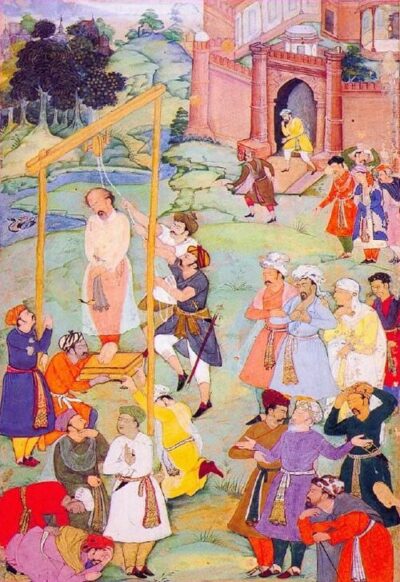 Mansur Al-HallajPersian mystic, poet and Sufi teacher (c.858–922)
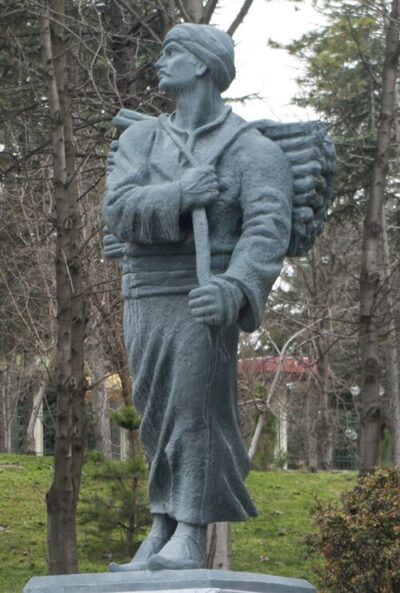 Yunus EmreTurkish folk poet and Sufi mystic
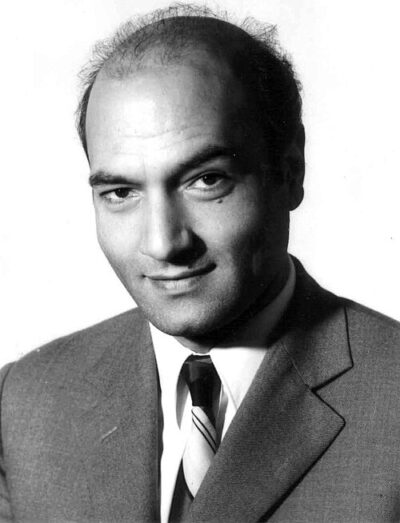 Ali ShariatiIranian writer, scholar of Islam, and political activist(1933-1977)
 Khoja Akhmet YassawiSufi Poet
 Shihab al-Din SuhrawardiPersian philosopher and founder of the school of Illuminationism
 Abū-Sa'īd Abul-KhayrPersian poet and Sufi mystic (967–1049)
- DDhu'l-Nun al-MisriSufi saint
 Khwaja Abdullah Ansari11th-century Sufi scholar and saint
- MMulla Sadra17th-century Iranian Shia philosopher and theologian
Mu'in al-Din ChishtiPersian Sufi Chishtiyya order mystic (1143–1236)
- BBaha' al-Din NaqshbandMuslim Saint and founder of Naqshbandi order (1318–1389)
 Ahmad SirhindiPhilosopher (1564-1624)
- AAbdul-Qādir BēdilIndo-Persian sufi, writer and poet (1642–1720)
- SSidi BoushakiAlgerian theologian, exeget, linguist and sufi
- SShabestariIranian poet
 Safi-ad-din Ardabilipoet, mystic, teacher and Sufi master
Religion
 Abd al-Aziz BoutafliqaPresident of Algeria from 1999 to 2019
 Ramzan KadyrovRussian politician and head of the Chechen Republic
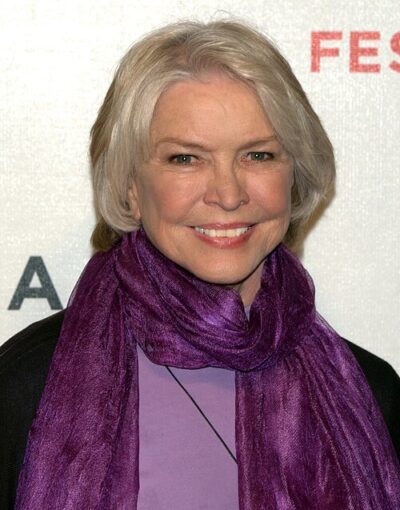 Ellen BurstynAmerican actress
 Akhmad KadyrovChechen politician and Islamic religious leader (1951–2004)
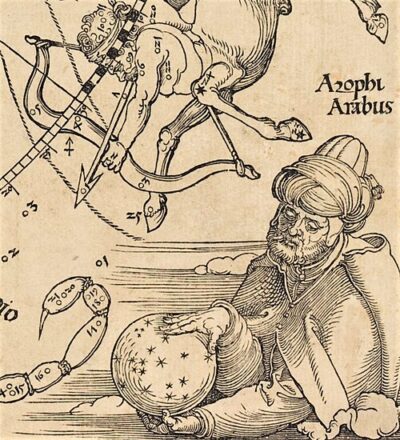 Abd al-Rahman al-SufiPersian astronomer (903-986)
 Mohamed Ould GhazouaniMauritanian retired general and politician; President of Mauritania (2019–present)
 Inayat Khanfounder of the Sufi Order in the West in 1914 and teacher of Universal Sufism
 Jahanara BegumPadshah Begum and Mughal Princess (1614-1681)
- Shihab al-Din SuhrawardiPersian philosopher and founder of the school of Illuminationism
 Mustafa BarzaniKurdish nationalist (1903–1979)
 Abida ParveenPakistani Sufi Muslim singer, composer and musician
- Safi-ad-din Ardabilipoet, mystic, teacher and Sufi master
 Peter MurphyEnglish rock vocalist
