

Westminster School
Westminster School is a public school in Westminster, London, England. It was founded in 1179 by Alexander III and Elizabeth I of England.
- Located in
- City of Westminster
- Country
- United Kingdom
- Founded
- 1179
- What it is
- boarding school
All 9 facts, and where they come from
Facts
9 facts · 0 confirmed by two sources · 1 cited · 7 from one source · 1 where the sources disagree
What’s different
- Founded: we show 1179 (Sources disagree). Wikidata also lists 1560
Where this comes from
Papalocal keeps its own record. It started from these sources; what each one said is kept here as it was copied, so a change on their side never changes this page by itself. Tap one to read its version.
What Wikidata says · copied November 16, 2026 · revision 2498220323
- Described as
- public school in Westminster, London, England
- Other names
- The Royal College of St. Peter in Westminster
- What it is
- boarding school · 1 reference; public school; independent school · 1 reference
- Founded
- 1179; 1560
- Founded by
- Alexander III (1179); Elizabeth I of England (1560)
- Located in
- City of Westminster · 1 reference
- Country
- United Kingdom · 2 references
- Official website
- http://www.westminster.org.uk/
- Wikipedias with a page
- 23
Wikidata item Q1341516 (wikidata.org/wiki/Q1341516), public domain (CC0). Copied 2026-11-16.
What Wikipedia says · copied November 16, 2026 · revision 1382265747
Westminster School is a private school in Westminster, London, England, in the precincts of Westminster Abbey. It descends from a charity school founded by Westminster Benedictines before the Norman Conquest, as documented by the Croyland Chronicle and a charter of King Offa. Continuous existence is clear from the early 14th century. Westminster was one of nine schools examined by the 1861 Clarendon Commission and reformed by the Public Schools Act 1868. The school motto, Dat Deus Incrementum, quotes 1 Corinthians 3:6: "I planted the seed... but God made it grow." The school owns playing fields and tennis courts in the centre of the 13-acre (5-hectare) Vincent Square, besides which Westminster Under School is also situated.
Its academic results place it among the top schools nationally; about half its students go to Oxbridge, giving it the highest national Oxbridge acceptance rate.
In the 2023 A-levels, the school saw 82.3% of its candidates score A* or A. The school is included in The Schools Index of the world's 150 best private schools and among top 30 senior schools in the UK. Among its graduates are three Nobel laureates: Edgar Adrian (Nobel Prize for Physiology in 1932), Sir Andrew Huxley (likewise in 1963) and Sir Richard Stone (Nobel Prize in Economics in 1984). During the mid-17th century, the liberal philosopher of the Enlightenment, John Locke, attended the school, and seven UK prime ministers also then attended, all belonging to the Whig or Liberal factions of British politics: Henry Pelham and his brother Thomas Pelham-Holmes, Charles Watson-Wentworth, James Waldegrave, Augustus Fitzroy, William Cavendish-Bentinck, and John Russell.
From September 2026 boys and girls may join the Under School at four, seven and 11 and the Senior School at 13 if they pass their examinations. Currently girls join the Sixth Form at 16 but may join at 13 from 2028 with the school becoming fully co-educational from 2030. About a quarter of the 750 pupils board. Weekly boarders may go home after Saturday morning school.
From the Wikipedia article “Westminster School” (en.wikipedia.org/wiki/Westminster_School), by its contributors, under CC BY-SA 4.0 (creativecommons.org/licenses/by-sa/4.0/). Copied 2026-11-16; not changed.
Confirmed Two sources agree. Cited One source, and it names where it got it. One source One source, without a reference of its own. Sources disagree The sources disagree. We show the best-supported value and keep theirs below.
Picture: Wikimedia Commons: Westminster school arch view.jpg · See Commons file page
People connected 34
Studied here 34
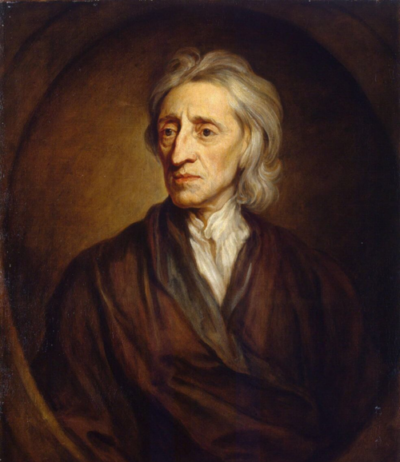 John Locke (1647–)English philosopher and physician (1632-1704)
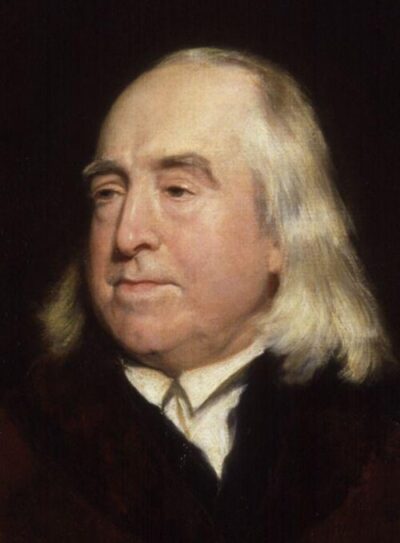 Jeremy Bentham (1755–1760)British philosopher, jurist, and social reformer (1748–1832)
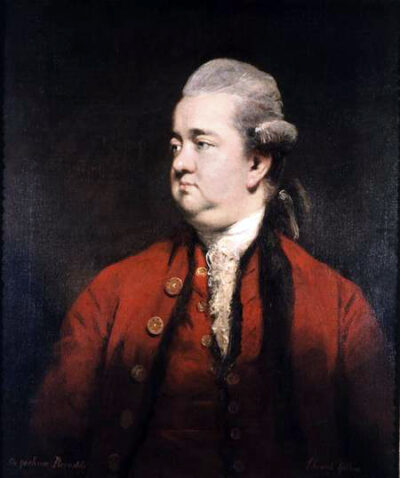 Edward GibbonEnglish historian and politician (1737–1794)
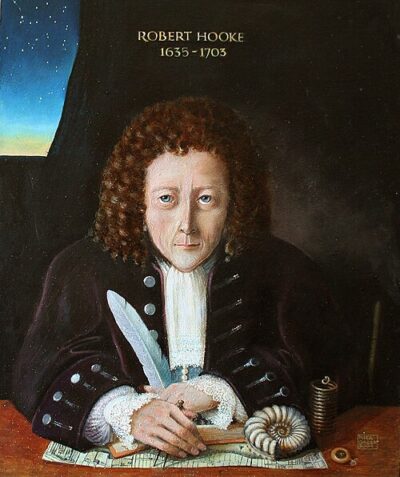 Robert Hooke (1648–1653)English natural philosopher, architect and polymath (1635 — 1703)
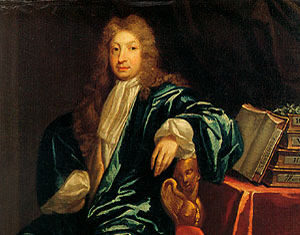 John Dryden17th-century English poet and playwright (1631–1700)
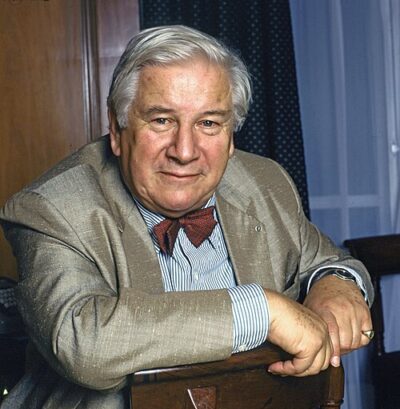 Peter UstinovBritish actor, writer and director (1921–2004)
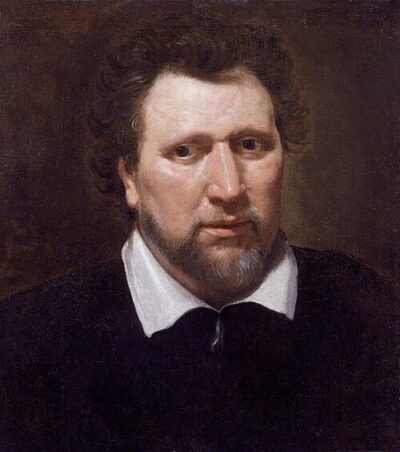 Ben JonsonEnglish playwright, poet, and actor (1572-1637)
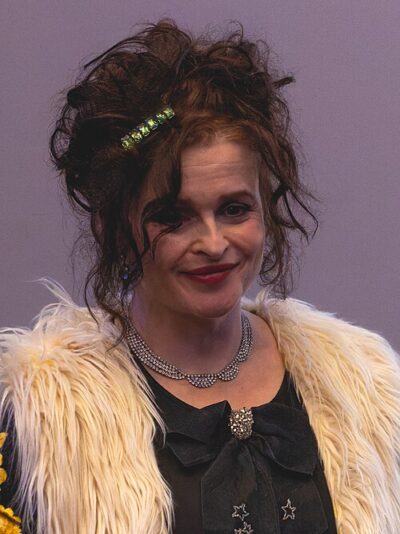 Helena Bonham CarterBritish actress (born 1966)
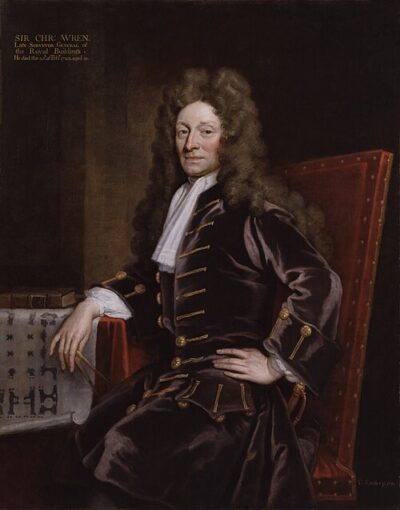 Christopher Wren (1641–1646)English architect (1632–1723)
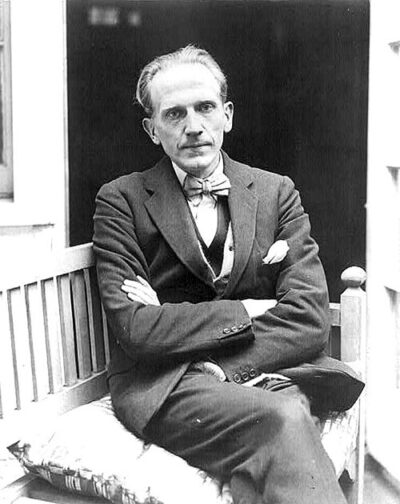 A. A. MilneBritish author known for creating Winnie-the-Pooh (1882–1956)
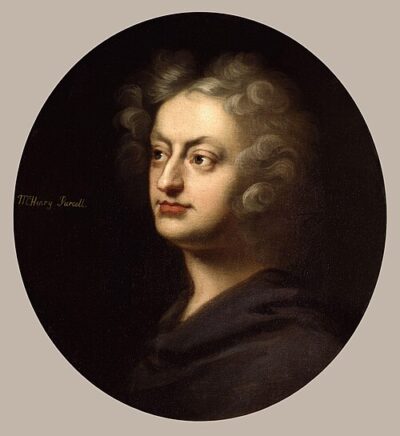 Henry PurcellEnglish composer (1659–1695)
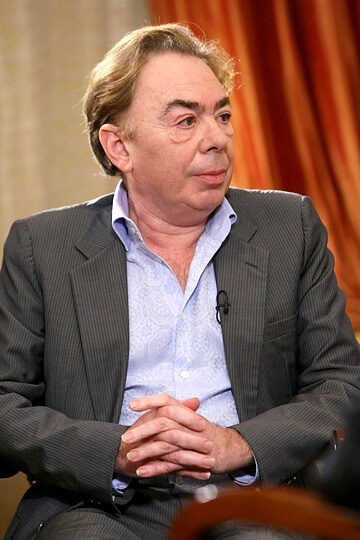 Andrew Lloyd WebberBritish theatre composer (born 1948)
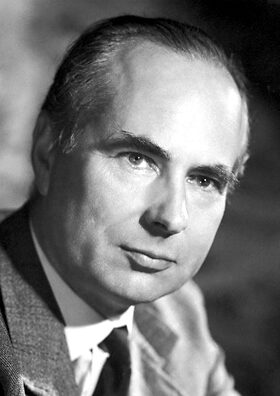 Andrew Huxley (1930–)English physiologist and biophysicist (1917–2012)
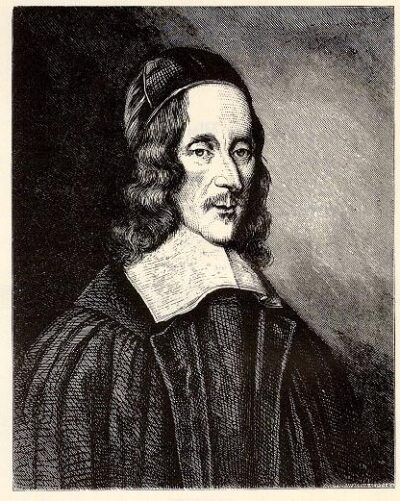 George HerbertWelsh-born English poet, orator and Anglican priest (1593-1633)
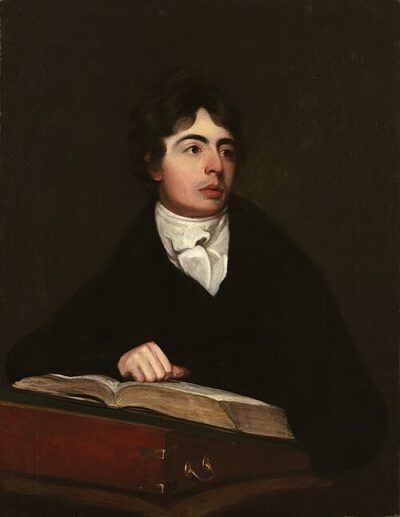 Robert SoutheyEnglish romantic poet (1774–1843)
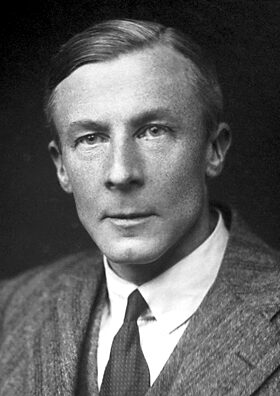 Edgar Douglas AdrianEnglish electrophysiologist (1889-1977)
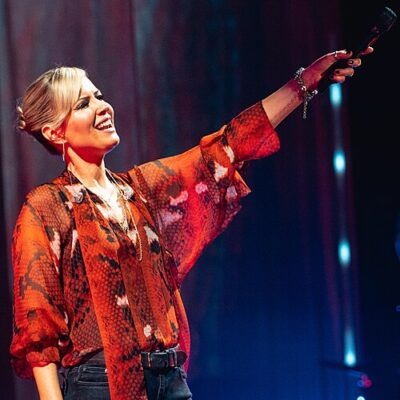 DidoEnglish singer and songwriter (born 1971)
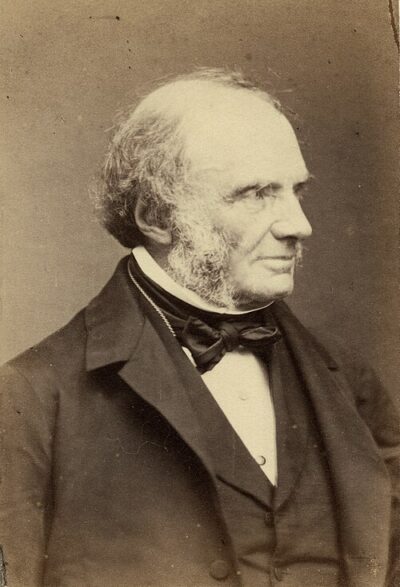 John Russell, 1st Earl RussellPrime Minister of the United Kingdom, 1846–1852 and 1865–1866 (1792–1878)
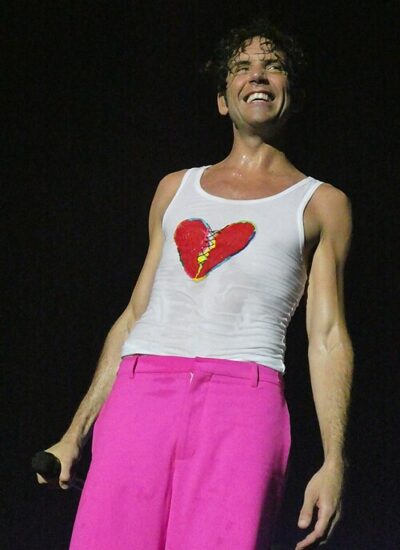 MikaBritish-Lebanese musician
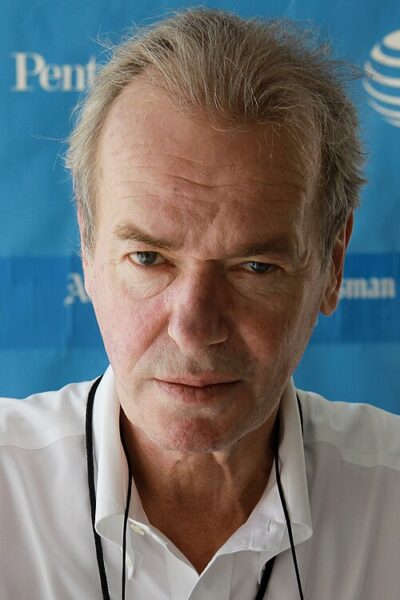 Martin AmisBritish novelist (1949–2023)
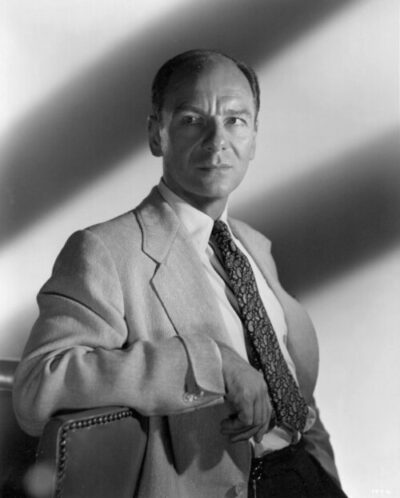 John Gielgud (1917–1921)British actor and theatre director (1904-2000)
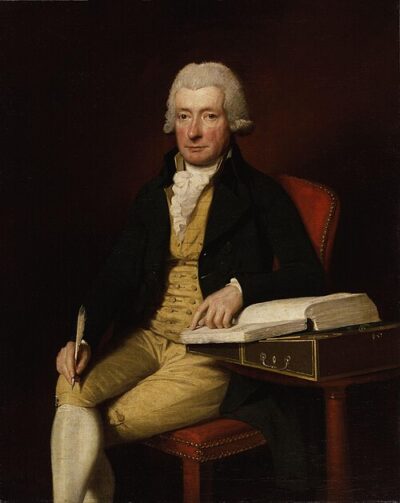 William CowperEnglish poet and hymnodist (1731–1800)
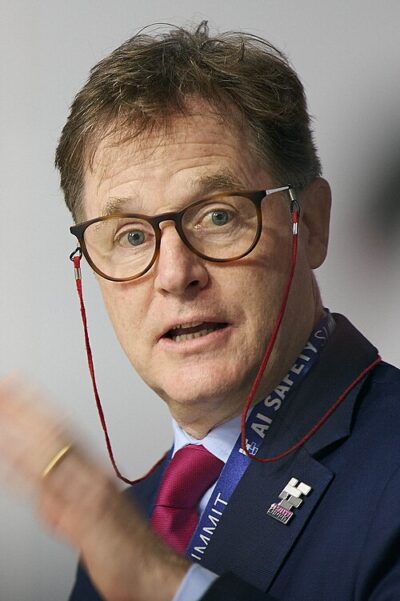 Nick CleggBritish politician and media executive (born 1967)
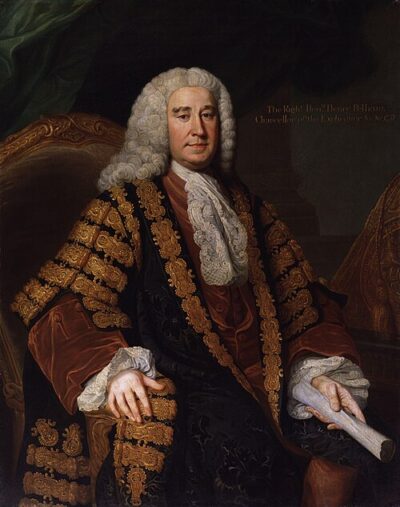 Henry PelhamPrime Minister of Great Britain; (1695-1754)
and 10 more
