
Academia Europaea
Academia Europaea is a pan-European academy. It was founded in 1988. Its headquarters are in Senate House. It has 2 employees (2018).
- Founded
- September 5, 1988
- Headquarters
- Senate House
- Employees
- 2 (2018)
- Country
- United Kingdom
All 8 facts, and where they come from
Facts
8 facts · 0 confirmed by two sources · 4 cited · 4 from one source
Where this comes from
Papalocal keeps its own record. It started from these sources; what each one said is kept here as it was copied, so a change on their side never changes this page by itself. Tap one to read its version.
What Wikidata says · copied November 16, 2026 · revision 2563334553
- Described as
- pan-European academy
- Other names
- The Academia Europaea, The Academy of Europe, Academy of Europe, ae-info.org
- What it is
- academy of sciences; charitable organization · 1 reference
- Founded
- September 5, 1988 · 1 reference
- Headquarters
- Senate House · 1 reference
- Country
- United Kingdom · 1 reference
- Chair
- Donald B. Dingwell (2025–) · 1 reference
- Employees
- 2 (2018) · 1 reference
- Official website
- https://www.ae-info.org
- Wikipedias with a page
- 36
Wikidata item Q337234 (wikidata.org/wiki/Q337234), public domain (CC0). Copied 2026-11-16.
What Wikipedia says · copied November 16, 2026 · revision 1375974779
The Academia Europaea is a pan-European non-governmental scientific association acting as an academy. It was founded in 1988 as a Europe-wide institution that encompasses all fields of scholarly inquiry, such as humanities, letters, law, and sciences. It acts as co-ordinator of European interests in national research agencies.
From the Wikipedia article “Academia Europaea” (en.wikipedia.org/wiki/Academia_Europaea), by its contributors, under CC BY-SA 4.0 (creativecommons.org/licenses/by-sa/4.0/). Copied 2026-11-16; not changed.
Confirmed Two sources agree. Cited One source, and it names where it got it. One source One source, without a reference of its own. Sources disagree The sources disagree. We show the best-supported value and keep theirs below.
People connected 124
Members 124
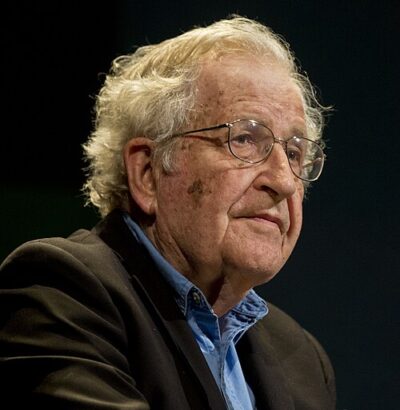 Noam Chomsky (1995–)American linguist and activist (born 1928)
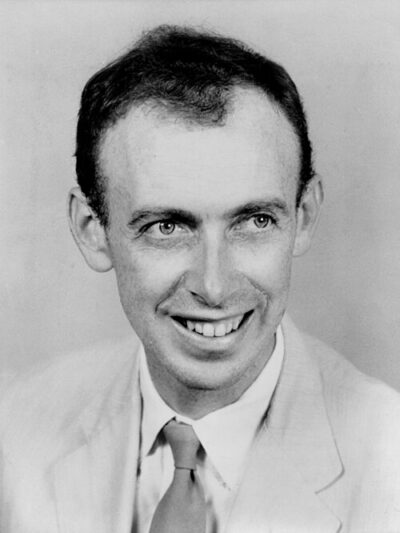 James Watson (1998–)American molecular biologist, geneticist, zoologist and Nobel Laureate (1928–2025)
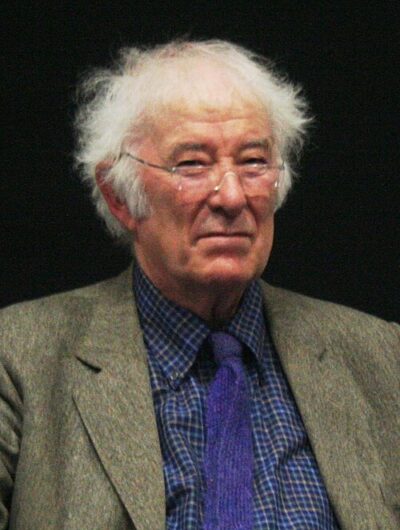 Seamus Heaney (2008–)Irish poet, playwright, translator, lecturer (1939–2013)
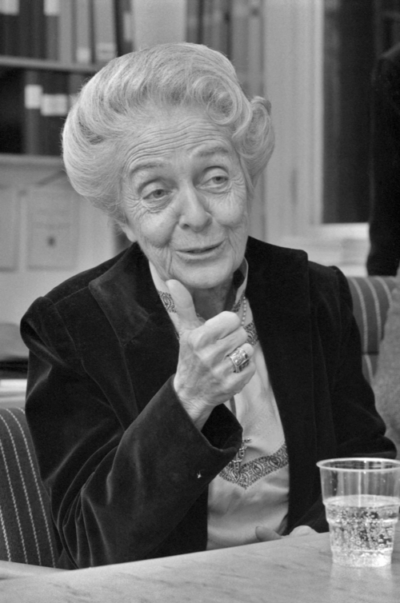 Rita Levi-Montalcini (1989–)Italian neurologist (1909–2012)
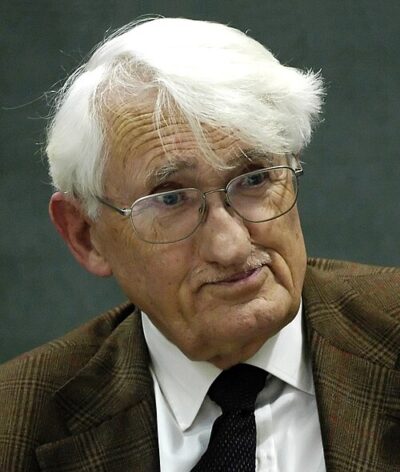 Jürgen Habermas (1989–2026)German sociologist and philosopher (1929–2026)
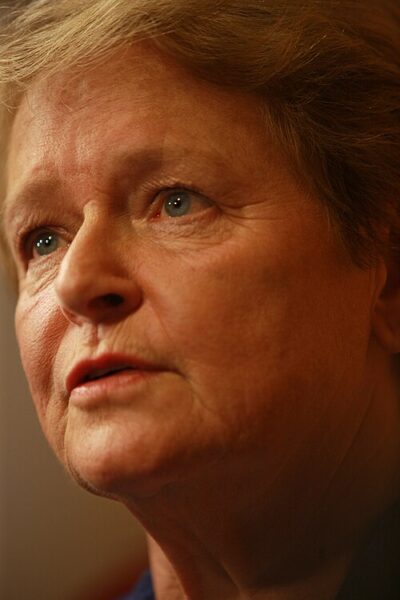 Gro Harlem Brundtland (2009–)29th Prime Minister of Norway
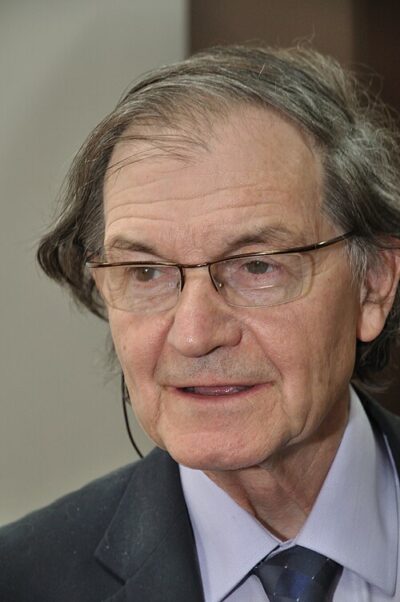 Roger Penrose (2019–)English mathematical physicist, recreational mathematician and philosopher
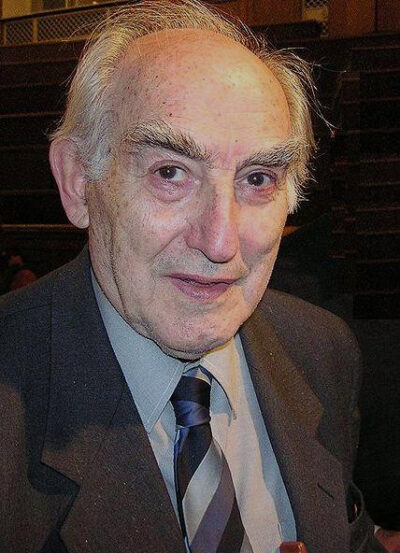 Vitaly Ginzburg (1990–)Russian physicist (1916–2009)
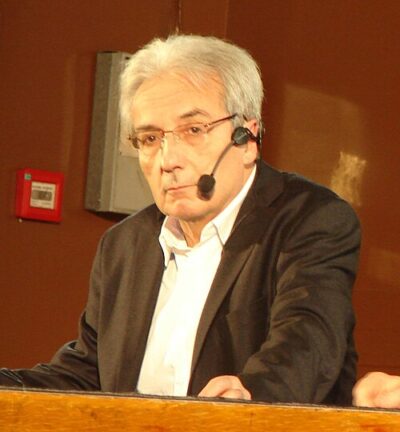 Albert Fert (2009–)French physicist, Nobel laureate in physics
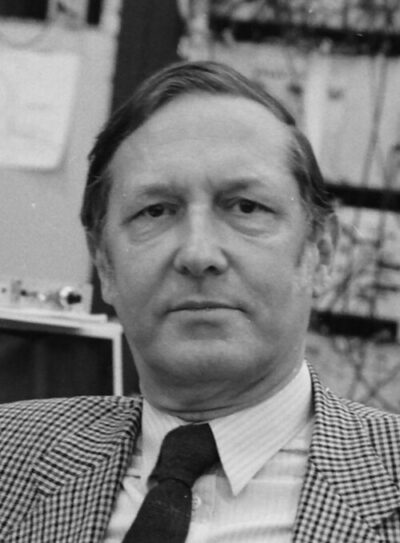 Simon van der Meer (1991–)Dutch physicist (1925–2011)
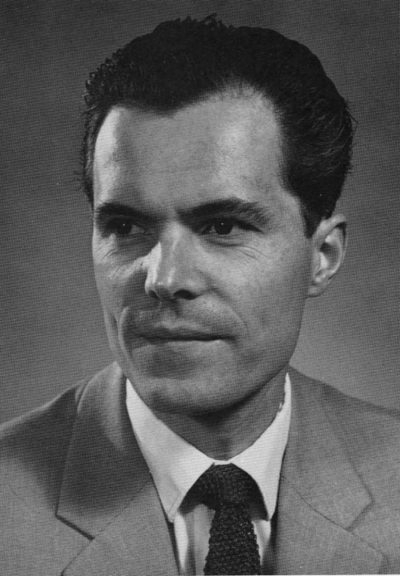 Rudolf Ludwig Mössbauer (1988–)German nuclear physicist and Noble Prize in Physics
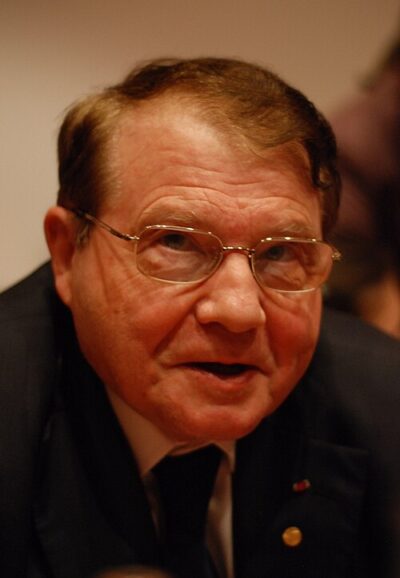 Luc Montagnier (1988–)French virologist and joint recipient of the Nobel Prize of Physiology or Medicine (2008)
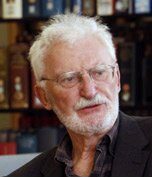 Heinrich Rohrer (1991–)Swiss physicist (1933-2013)
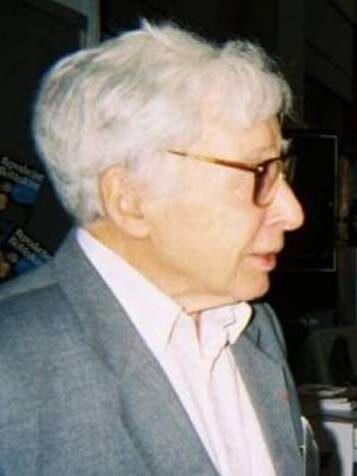 Robert Edwards (1989–)English physiologist and pioneer in reproductive medicine and in-vitro fertilisation
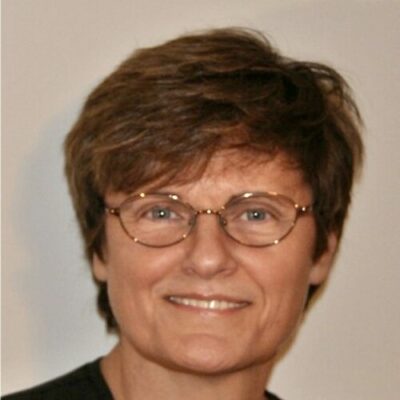 Katalin KarikóHungarian biochemist
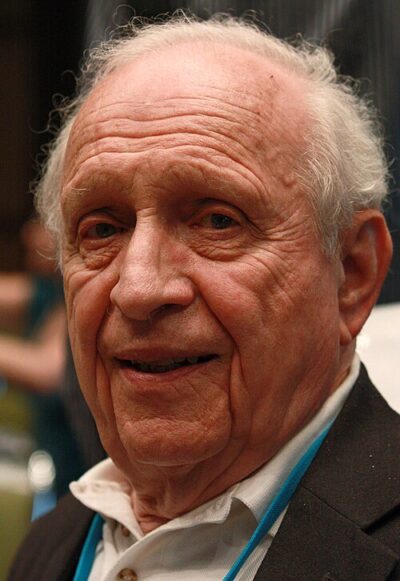 Roy J. Glauber (2012–)American theoretical physicist (1925–2018)
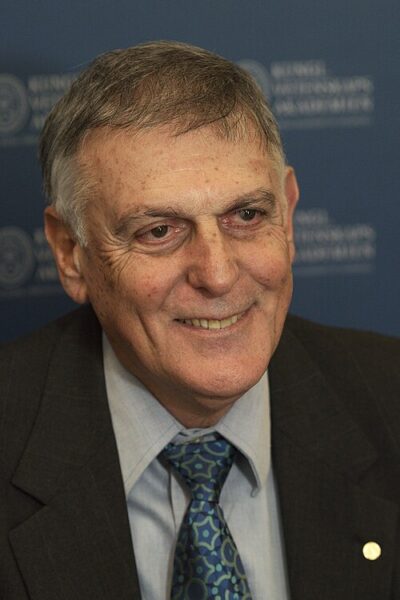 Dan Shechtman (2016–)Israeli scientist
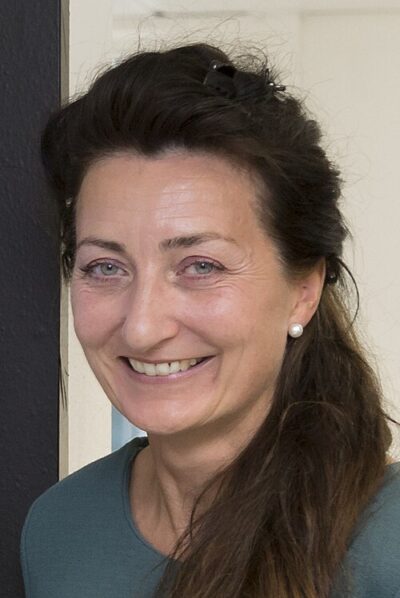 May-Britt Moser (2011–)Norwegian psychologist and neuroscientist
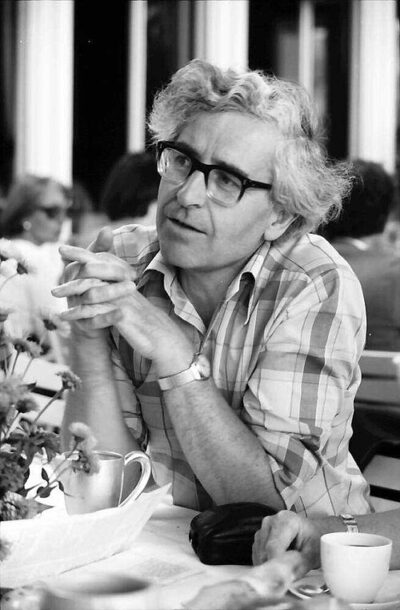 Antony Hewish (1993–)English physicist and radio astronomer (1924–2021)
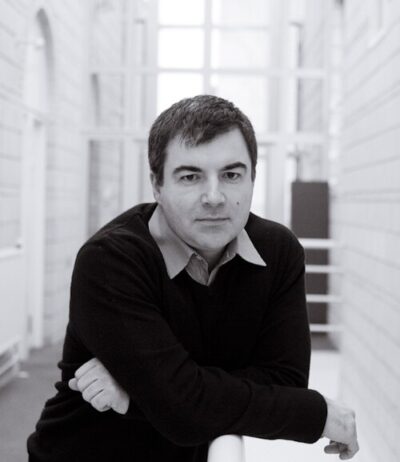 Konstantin Novoselov (2015–)Russian-British physicist known for graphene work
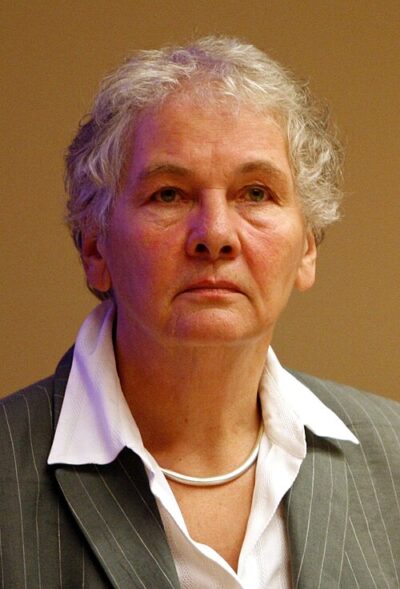 Christiane Nüsslein-Volhard (1989–)German biologist (1995 Nobel Prize)
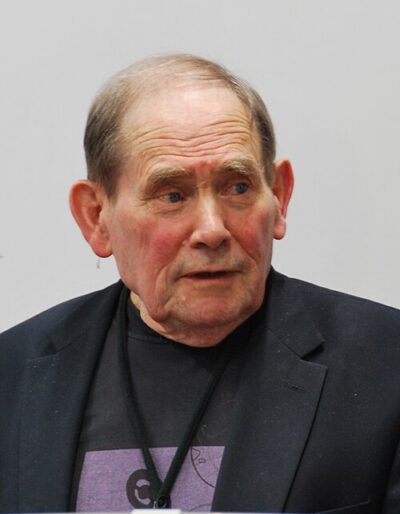 Sydney Brenner (1989–)South African-British biologist, Nobel prize in Physiology or Medicine 2002 (1927–2019)
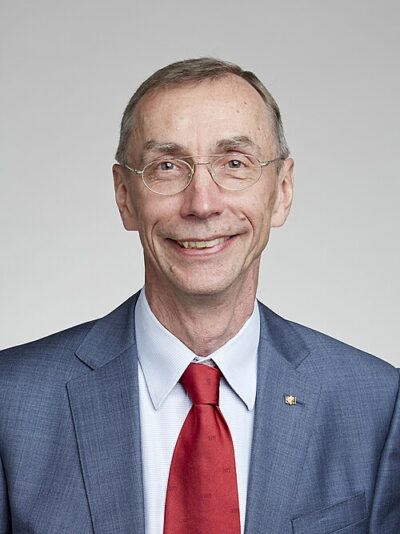 Svante Pääbo (1998–)Swedish geneticist (born 1955)
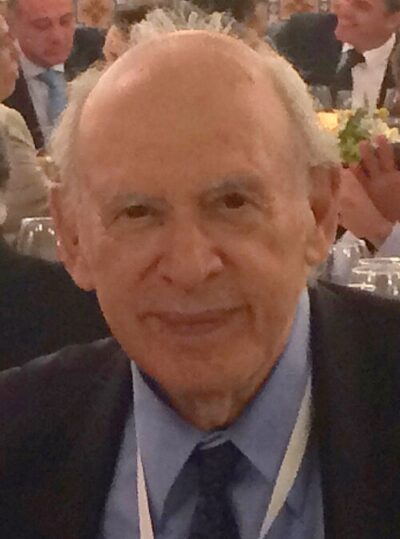 Jerome Isaac Friedman (2017–)American physicist
and 100 more
