

astrophysics
Astrophysics is a science that employs the methods and principles of physics and chemistry in the study of astronomical objects and phenomena.
All 3 facts, and where they come from
Facts
3 facts · 0 confirmed by two sources · 3 cited · 0 from one source
Where this comes from
Papalocal keeps its own record. It started from these sources; what each one said is kept here as it was copied, so a change on their side never changes this page by itself. Tap one to read its version.
What Wikidata says · copied November 18, 2026 · revision 2567558397
- Described as
- science that employs the methods and principles of physics and chemistry in the study of astronomical objects and phenomena
- Other names
- astrophysics science, astrophysical science, astronomical physics
- What it is
- branch of astronomy · 1 reference; branch of physics · 1 reference; academic discipline · 1 reference
- Wikipedias with a page
- 113
Wikidata item Q37547 (wikidata.org/wiki/Q37547), public domain (CC0). Copied 2026-11-18.
What Wikipedia says · copied November 18, 2026 · revision 1386372777
Astrophysics is a science that applies the methods and principles of physics and chemistry in the study of astronomical objects and phenomena including the universe. As one of the founders of the discipline, James Keeler, said, astrophysics "seeks to ascertain the nature of the heavenly bodies, rather than their positions or motions in space—what they are, rather than where they are", which is studied in celestial mechanics. Astrophysics is also used when designing and plotting courses for spacecraft.
Among the subjects studied are the Sun (solar physics), other stars, galaxies, extrasolar planets, the interstellar medium, and the cosmic microwave background. Emissions from these objects are examined across all parts of the electromagnetic spectrum, and the properties examined include luminosity, density, temperature, and chemical composition. Because astrophysics is a very broad subject, astrophysicists apply concepts and methods from many disciplines of physics, including classical mechanics, electromagnetism, statistical mechanics, thermodynamics, quantum mechanics, relativity, nuclear and particle physics, and atomic and molecular physics.
In practice, modern astronomical research often involves substantial work in the realms of theoretical and observational physics. Some areas of study for astrophysicists include the properties of dark matter, dark energy, black holes, and other celestial bodies; and the origin and ultimate fate of the universe. Topics also studied by theoretical astrophysicists include Solar System formation and evolution; stellar dynamics and evolution; galaxy formation and evolution; magnetohydrodynamics; large-scale structure of matter in the universe; cosmic rays; general relativity, special relativity, and quantum and physical cosmology (the physical study of the largest-scale structures of the universe), including string cosmology and astroparticle physics.
From the Wikipedia article “Astrophysics” (en.wikipedia.org/wiki/Astrophysics), by its contributors, under CC BY-SA 4.0 (creativecommons.org/licenses/by-sa/4.0/). Copied 2026-11-18; not changed.
Confirmed Two sources agree. Cited One source, and it names where it got it. One source One source, without a reference of its own. Sources disagree The sources disagree. We show the best-supported value and keep theirs below.
Picture: Wikimedia Commons: Ring Nebula.jpg · See Commons file page
People connected 86
Field 86
 Carl SaganAmerican astrophysicist, cosmologist and author (1934–1996)
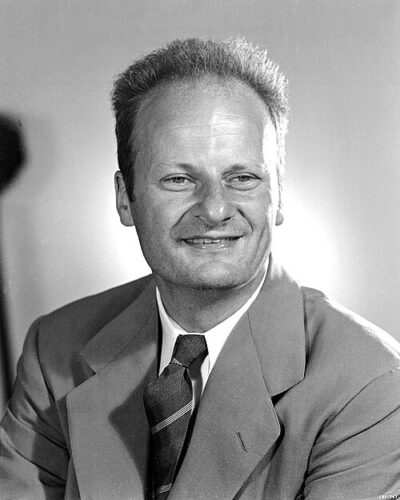 Hans BetheGerman-American nuclear physicist
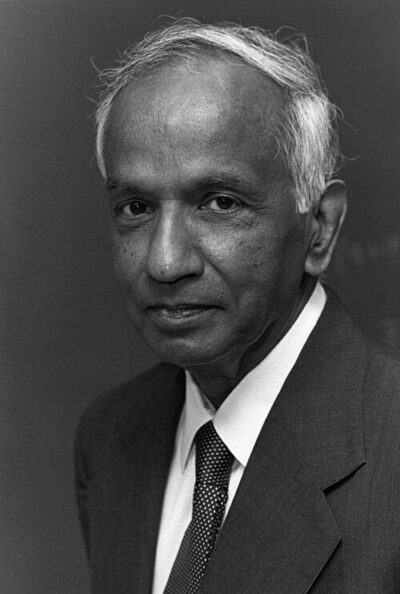 Subrahmanyan ChandrasekharIndian-American astrophysicist
 Brian MayBritish musician (born 1947)
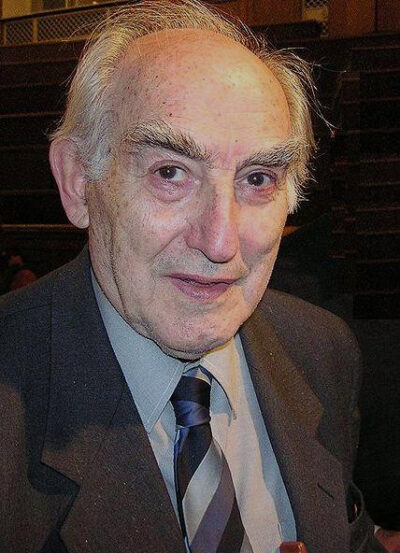 Vitaly GinzburgRussian physicist (1916–2009)
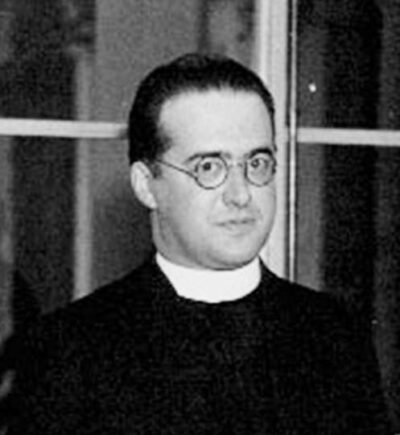 Georges LemaîtreBelgian astrophysicist and Catholic priest (1894–1966)
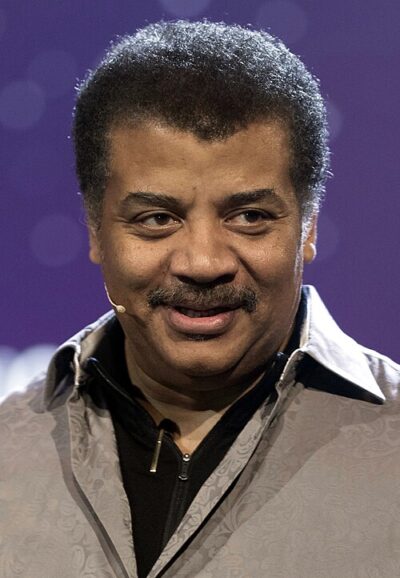 Neil deGrasse TysonAmerican astrophysicist and science communicator
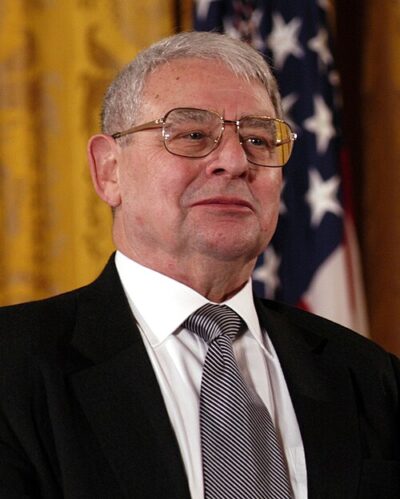 Riccardo GiacconiItalian-American astrophysicist (1931-2018)
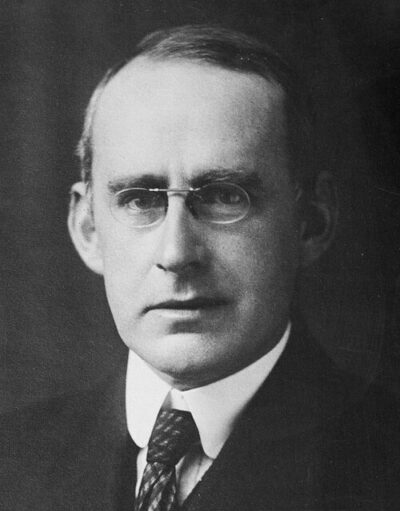 Arthur EddingtonBritish astrophysicist (1882-1944)
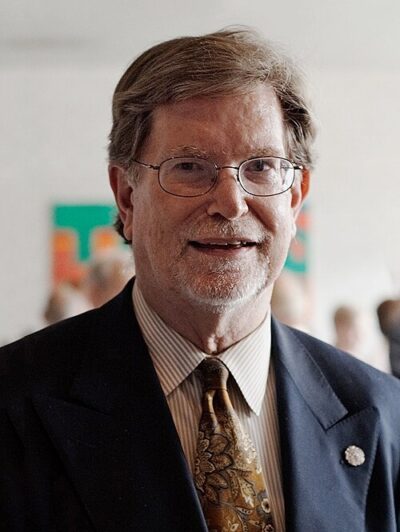 George F. SmootAmerican astrophysicist and cosmologist (1945–2025)
 Masatoshi KoshibaJapanese physicist and astronomer (1926-2020)
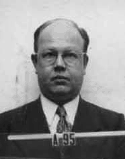 William Alfred FowlerAmerican nuclear physicist (1911-1995)
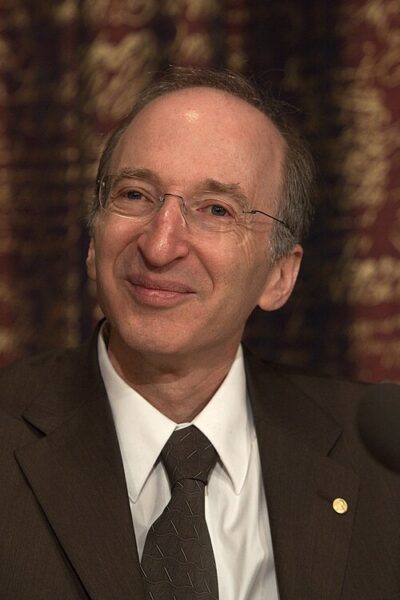 Saul PerlmutterAmerican astrophysicist and Nobel laureate
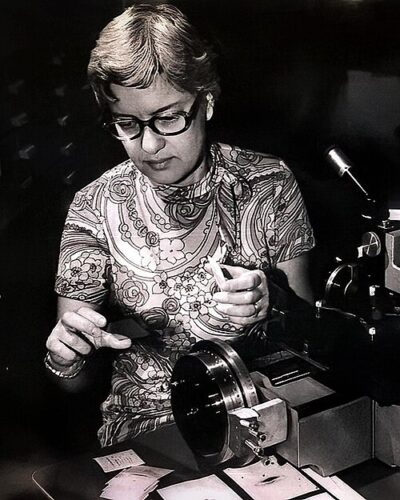 Vera RubinAmerican astronomer and physicist (1928-2016)
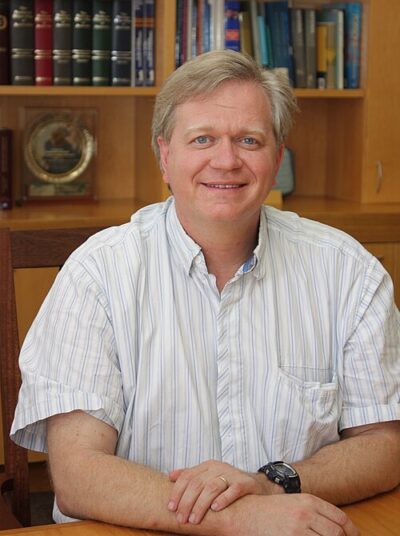 Brian SchmidtAmerican-born Australian astrophysicist
 Adam RiessAmerican astrophysicist
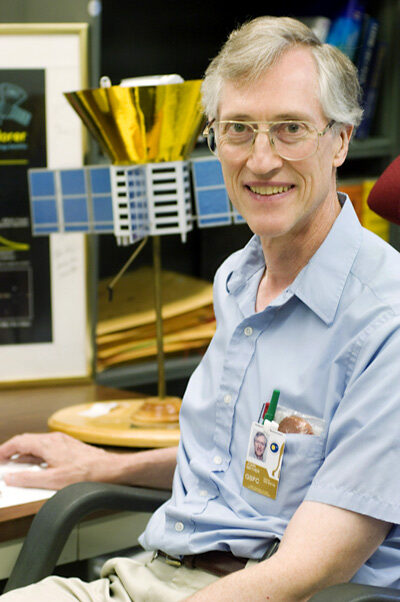 John C. MatherAmerican astrophysicist and cosmologist
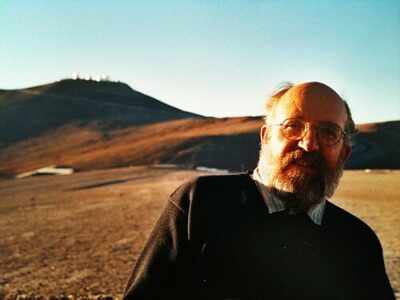 Michel MayorSwiss astrophysicist & Nobel laureate of Physics
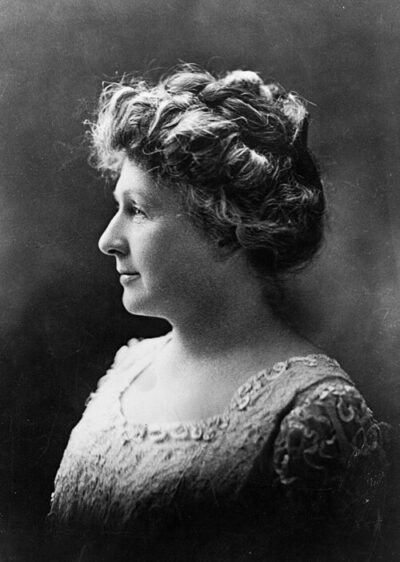 Annie Jump CannonAmerican astronomer (1863-1941)
 George GamowRussian-American theoretical physicist and cosmologist (1904–1968)
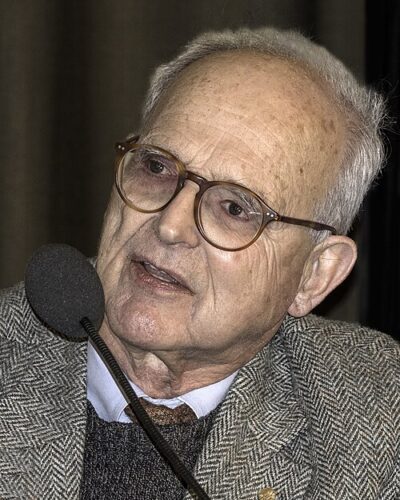 Rainer WeissAmerican physicist (1932–2025)
 Victor AmbartsumianSoviet Armenian astrophysicist (1908–1996)
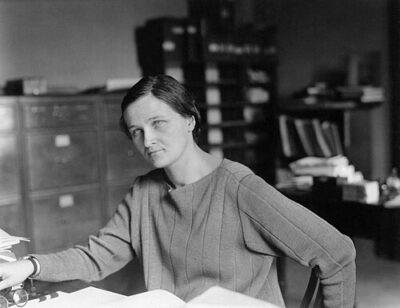 Cecilia Helena Payne GaposchkinBritish-born American astronomer
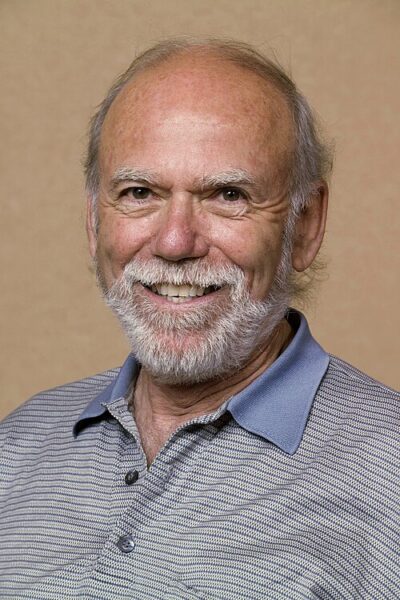 Barry C. BarishAmerican physicist
and 62 more

