
Croonian Medal and Lecture
Croonian Medal and Lecture is a prestigious lectureships given at the invitation of the Royal Society and the Royal College of Physicians. It was created in 1738. It is given by the Royal Society of London.
- Given by
- Royal Society of London
- Country
- United Kingdom
- Created
- 1738
All 8 facts, and where they come from
Facts
8 facts · 0 confirmed by two sources · 1 cited · 7 from one source
Where this comes from
Papalocal keeps its own record. It started from these sources; what each one said is kept here as it was copied, so a change on their side never changes this page by itself. Tap one to read its version.
What Wikidata says · copied November 16, 2026 · revision 2569479101
- Described as
- prestigious lectureships given at the invitation of the Royal Society and the Royal College of Physicians
- Other names
- Croonian Medal, Croonian Lecture
- What it is
- lecture series; award
- Created
- 1738
- Country
- United Kingdom
- Given by
- Royal Society of London; Royal College of Physicians, London
- Named after
- William Croone · 1 reference
- Official website
- https://royalsociety.org/grants-schemes-awards/awards/croonian-lecture/
- Wikipedias with a page
- 11
Wikidata item Q1192912 (wikidata.org/wiki/Q1192912), public domain (CC0). Copied 2026-11-16.
What Wikipedia says · copied November 16, 2026 · revision 1378637033
The Croonian Medal and Lecture is an award, a medal, and lecture given at the invitation of the Royal Society and the Royal College of Physicians.
Among the papers of William Croone at his death in 1684, was a plan to endow a single lectureship at both the Royal Society and the Royal College of Physicians. His wife provided the bequest in 1701 specifying that it was "for the support of a lecture and illustrative experiment for the advancement of natural knowledge on locomotion, or (conditionally) of such other subjects as, in the opinion of the President for the time being, should be most useful in promoting the objects for which the Royal Society was instituted". One lecture was to be delivered by a Fellow of the Royal College of Physicians and the other, on the nature and laws of muscular motion, to be delivered before the Royal Society. The Royal Society lecture series began in 1738 and that of the Royal College of Physicians in 1749.
Croone became an original Fellow of the Royal Society in May 1663. He also became a Fellow of the College of Physicians on 29 July 1675. He was appointed lecturer on anatomy at Surgeons' hall in 1670 and pursued research in several important subjects of his day, including respiration, muscular motion, and generation.
One individual, Sir Stephen O’Rahilly FRS, FRCP has received the award twice: initially from the Royal College of Physicians in 2011, and then from the Royal Society in 2022 (below).
From the Wikipedia article “Croonian Medal” (en.wikipedia.org/wiki/Croonian_Medal), by its contributors, under CC BY-SA 4.0 (creativecommons.org/licenses/by-sa/4.0/). Copied 2026-11-16; not changed.
Confirmed Two sources agree. Cited One source, and it names where it got it. One source One source, without a reference of its own. Sources disagree The sources disagree. We show the best-supported value and keep theirs below.
People connected 47
Won it 47
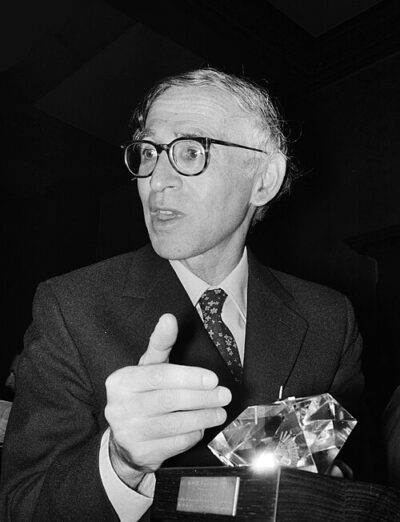 Aaron Klug (2007)British chemist and biophysicist
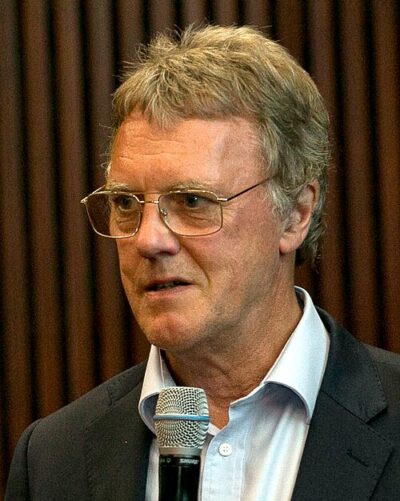 Peter J. Ratcliffe (2006)British biologist & Nobel laureate in medicine
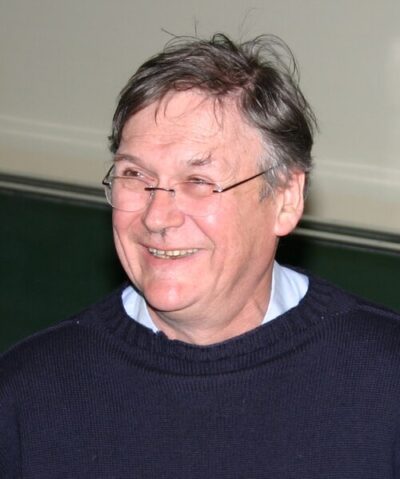 Tim Hunt (2003)Biochemist; Nobel laureate
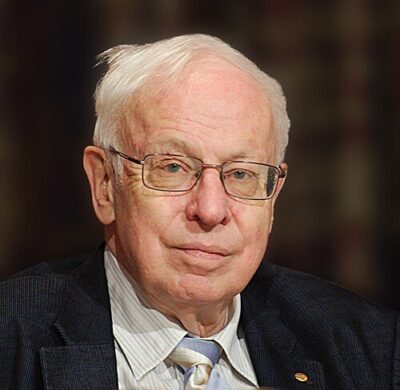 Tomas Lindahl (1996)Nobel prize winning Swedish biologist
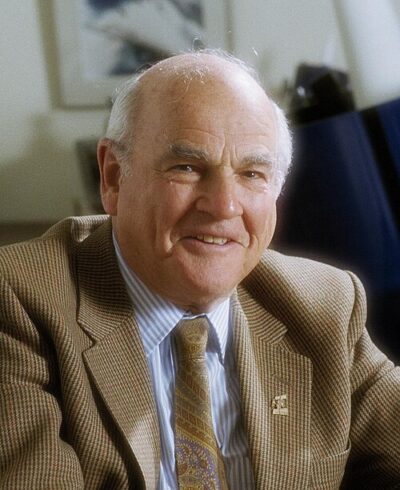 Baruch Samuel Blumberg (1994)American physician, geneticist and Nobel prize winner (1925–2011)
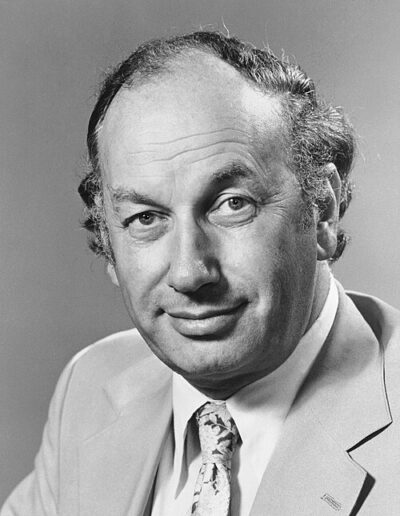 John Vane (1993)English pharmacologist (1927-2004)
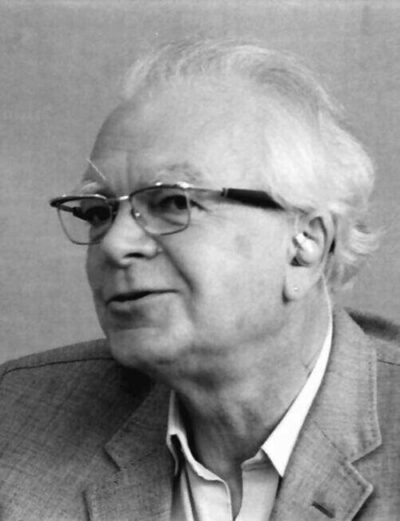 Peter D. Mitchell (1987)British biochemist (1920-1992)
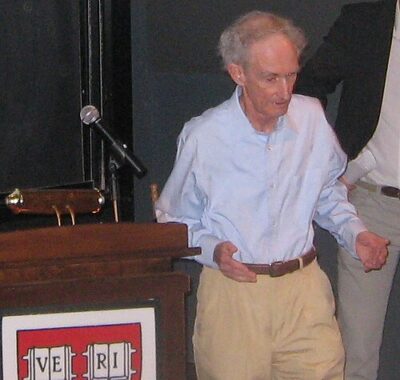 Robert May, Baron May of Oxford (1985)Australian scientist who has been Chief Scientific Adviser to the UK Government (1936-2020)
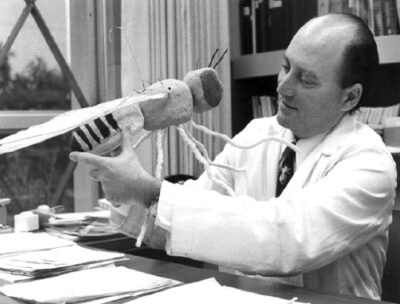 Seymour Benzer (1982)American geneticist (1921–2007)
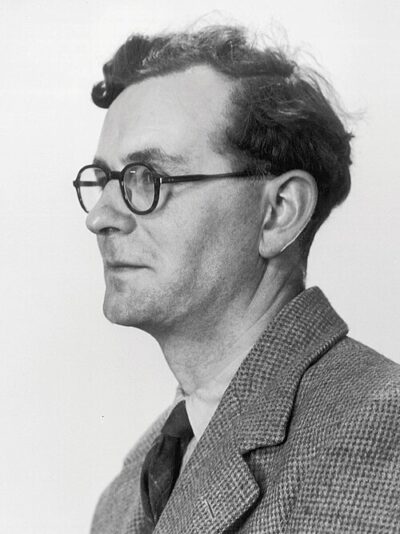 Rodney Robert Porter (1980)English biochemist and Nobel laureate (1917–1985)
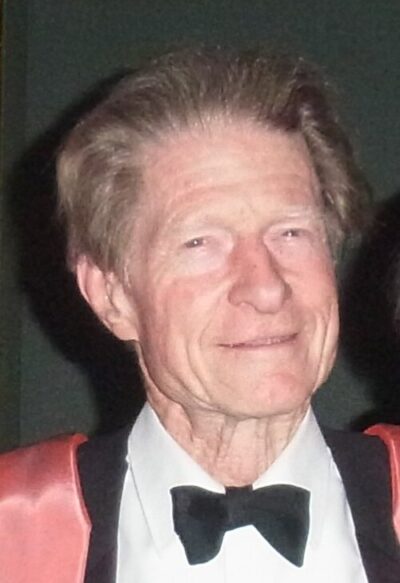 John Gurdon (1976)British developmental biologist (1933–2025)
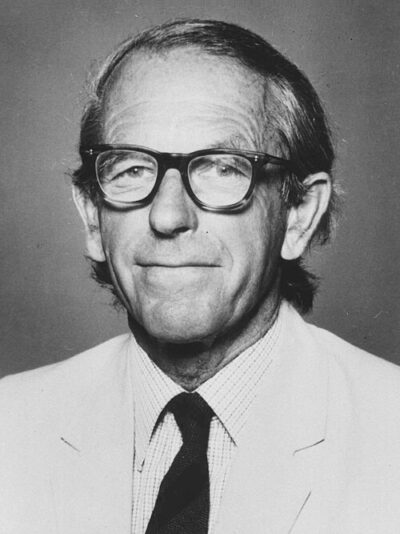 Frederick Sanger (1975)British biochemist (1918–2013)
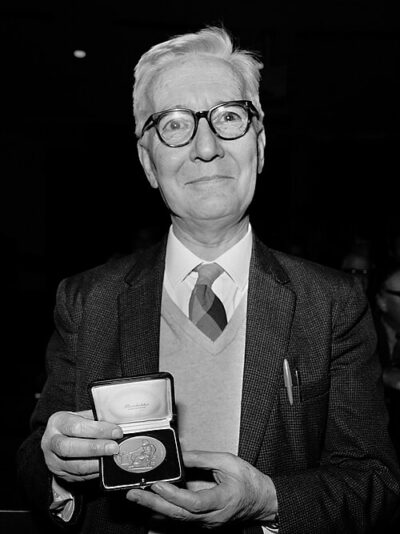 Nikolaas Tinbergen (1972)Dutch Zoologist, ethologist (1907-1988)
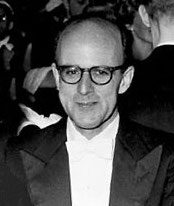 Max Perutz (1968)Austrian-born British molecular biologist (1914-2002)
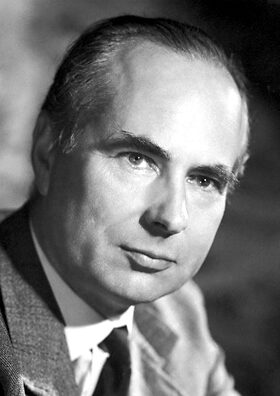 Andrew Huxley (1967)English physiologist and biophysicist (1917–2012)
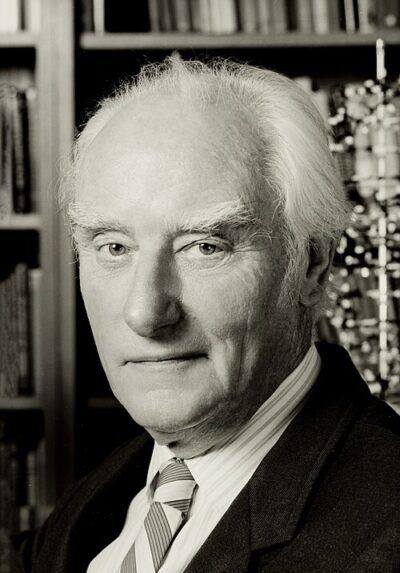 Francis Crick (1966)British molecular biologist, biophysicist, neuroscientist; co-discoverer of the structure of DNA (1916–2004)
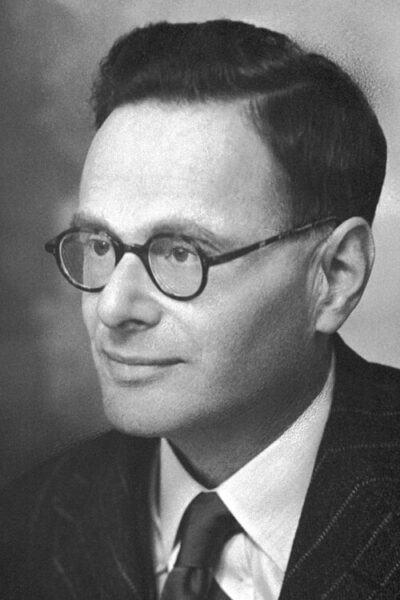 Hans Krebs (1963)German-British biochemist (1900-1981)
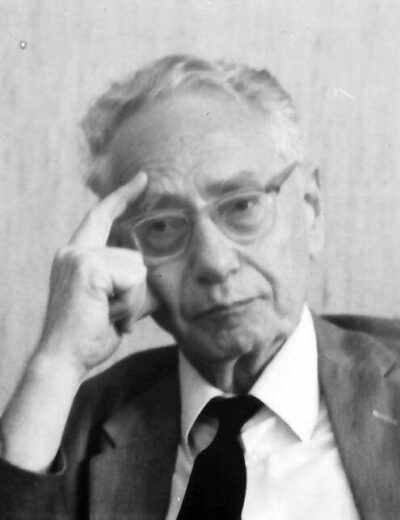 Bernard Katz (1961)German-British biophysicist (1911–2003)
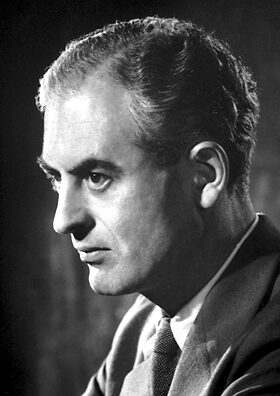 Peter Medawar (1958)English-brazilian biologist (1915–1987)
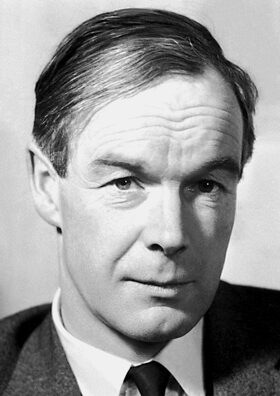 Alan Lloyd Hodgkin (1957)physiologist and biophysicist (1914-1998)
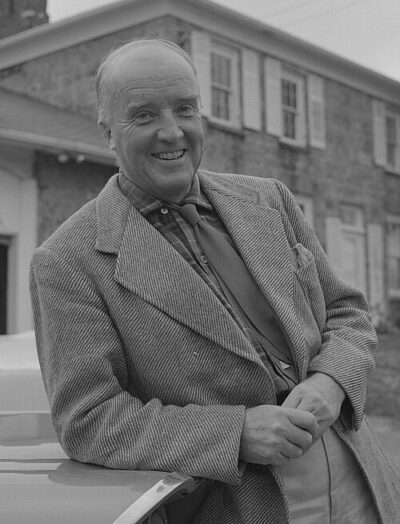 Charles Herbert Best (1955)medical scientist, co-discoverer of insulin (1899-1978)
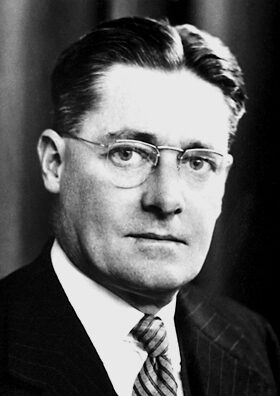 Howard Florey (1954)Australian pathologist (1898-1968)
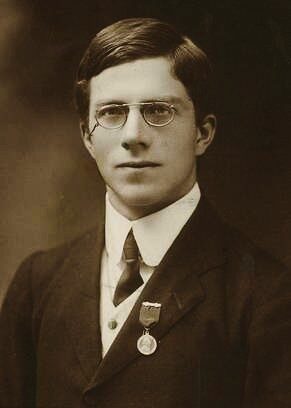 Ronald Fisher (1953)British statistician, evolutionary biologist and geneticist (1890–1962)
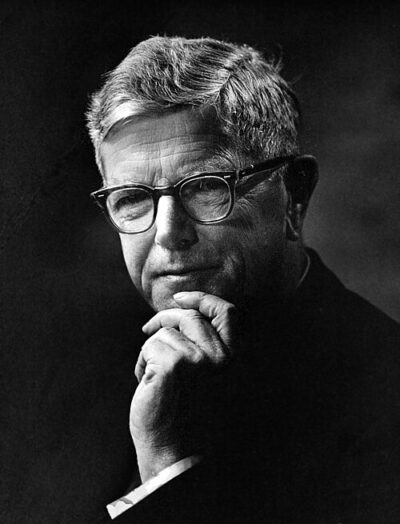 Frank Macfarlane Burnet (1950)Australian virologist (1899-1985)
and 23 more
