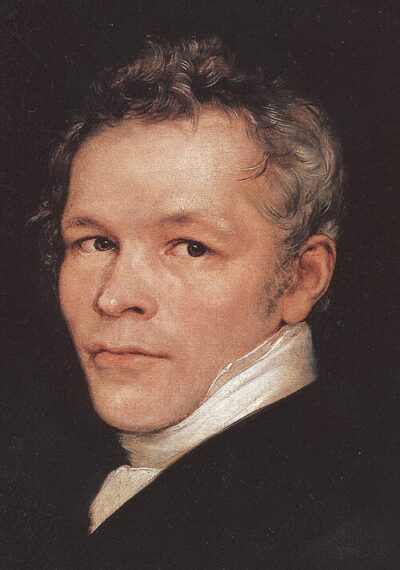
Iron Cross
Iron Cross is a military decoration in the Kingdom of Prussia, and later in the German Empire (1870–1918) and Nazi Germany. It was created in 1813 by Frederick William III of Prussia.
- Country
- Kingdom of Prussia
- Created
- March 10, 1813
All 5 facts, and where they come from
Facts
5 facts · 0 confirmed by two sources · 0 cited · 4 from one source · 1 where the sources disagree
What’s different
- Created: we show March 10, 1813 (Sources disagree). Wikidata also lists March 17, 1813 and July 19, 1870
Where this comes from
Papalocal keeps its own record. It started from these sources; what each one said is kept here as it was copied, so a change on their side never changes this page by itself. Tap one to read its version.
What Wikidata says · copied November 16, 2026 · revision 2542046059
- Described as
- military decoration in the Kingdom of Prussia, and later in the German Empire (1870–1918) and Nazi Germany
- Other names
- EK, PEK
- What it is
- group of awards
- Created
- March 10, 1813 · 1 reference; March 17, 1813 · 1 reference; July 19, 1870 · 1 reference
- Founded by
- Frederick William III of Prussia
- Country
- Kingdom of Prussia; German Reich
- Wikipedias with a page
- 53
Wikidata item Q154554 (wikidata.org/wiki/Q154554), public domain (CC0). Copied 2026-11-16.
What Wikipedia says · copied November 16, 2026 · revision 1382980023
The Iron Cross (German: Eisernes Kreuz, , abbreviated EK) was a military decoration in the Kingdom of Prussia, the German Empire (1871–1918), and Nazi Germany (1933–1945). The design, a black cross pattée with a white or silver outline, was derived from the insignia of the medieval Teutonic Order and borne by its knights from the 13th century. As well as being a military medal, it has also been used as an emblem by the Prussian Army, the Imperial German Army, and the Reichswehr of the Weimar Republic, while the Balkenkreuz (bar cross) variant was used by the Wehrmacht. The Iron Cross is now the emblem of the Bundeswehr, the modern German armed forces.
King Frederick William III of Prussia established the Iron Cross award on 17 March 1813 during the Napoleonic Wars (EK 1813). The award was backdated to the birthday (10 March) of his late wife, Queen Louise, who was the first person to receive it (posthumously). The Iron Cross was also awarded during the Franco-Prussian War (EK 1870), World War I (EK 1914), and World War II (EK 1939). During World War II, the Nazi regime made their own version by superimposing a swastika on the medal. The Iron Cross was usually a military decoration only, though some were awarded to civilians for performing military roles, including Hanna Reitsch and Melitta Schenk Gräfin von Stauffenberg for being civilian test pilots during World War II.
Since the late 20th century, the symbol has also been adopted into the outlaw motorcycle subculture and heavy metal fashion.
From the Wikipedia article “Iron Cross” (en.wikipedia.org/wiki/Iron_Cross), by its contributors, under CC BY-SA 4.0 (creativecommons.org/licenses/by-sa/4.0/). Copied 2026-11-16; not changed.
Confirmed Two sources agree. Cited One source, and it names where it got it. One source One source, without a reference of its own. Sources disagree The sources disagree. We show the best-supported value and keep theirs below.
Picture: Wikimedia Commons: Decoration, military (AM 768518-4).jpg · See Commons file page
People connected 25
Won it
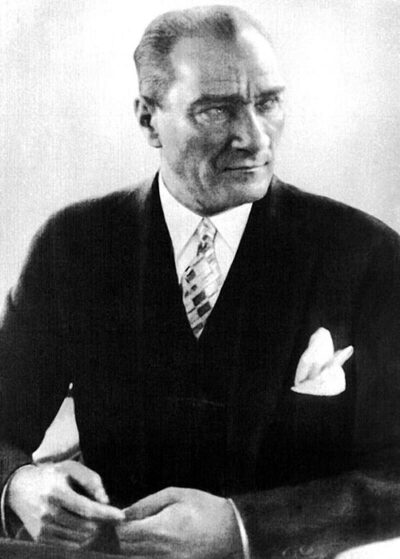 Mustafa Kemal Atatürk (1915)founding father of the Republic of Turkey (c. 1881–1938)
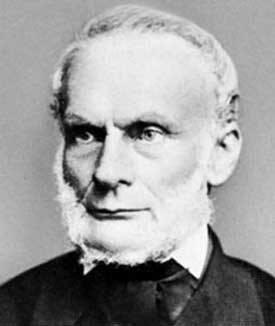 Rudolf Clausius (1871)German mathematical physicist and professor (1822–1888)
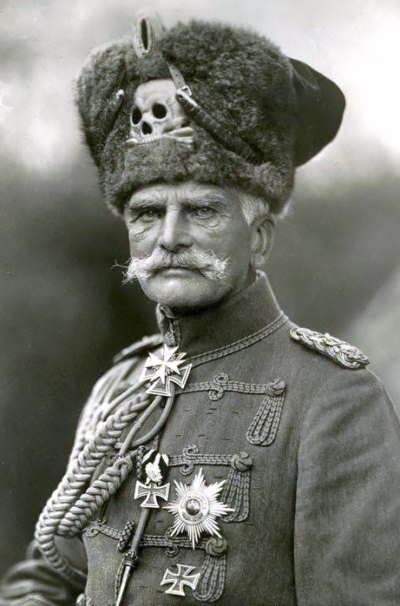 August von Mackensen (1870)German field marshal (1849–1945)
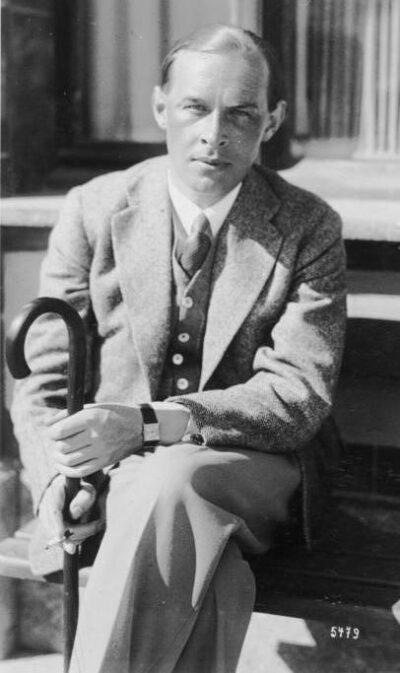 Erich Maria RemarqueGerman-born novelist (1898–1970)
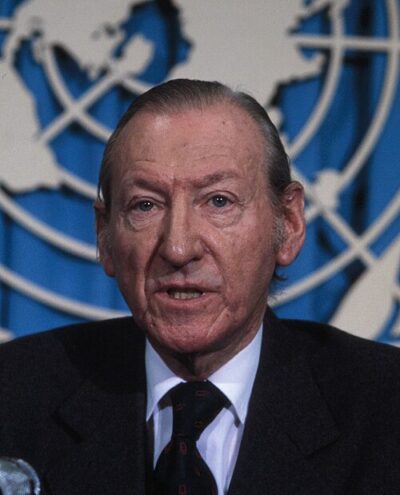 Kurt WaldheimAustrian politician and diplomat (1918–2007)
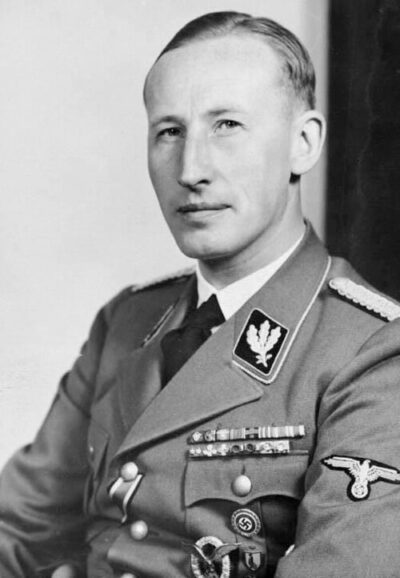 Reinhard HeydrichGerman Nazi SS and Gestapo police official and main architect of the Holocaust Genocide (1904-1942)
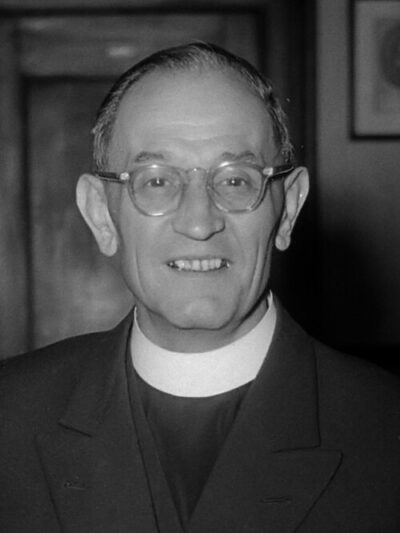 Martin NiemöllerGerman theologian (1892–1984)
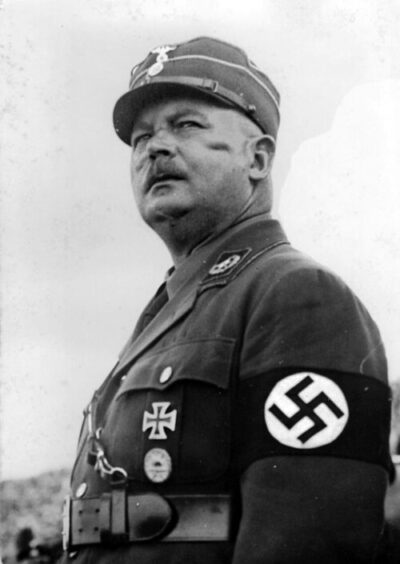 Ernst RöhmGerman Nazi politician, military officer and leader of the Sturmabteilung (1887-1934)
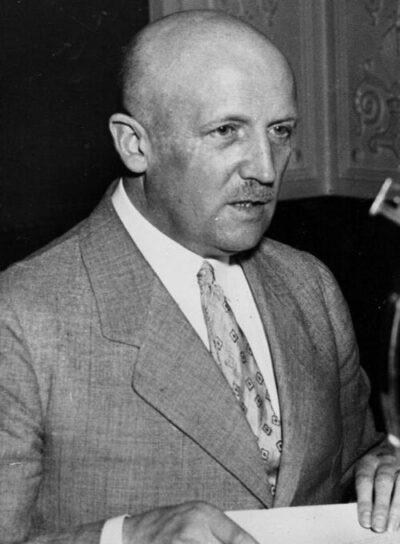 Kurt von SchleicherGerman chancellor (1882-1934)
 Ernst ThälmannGerman communist politician, leader of Communist Party of Germany (1886–1944)
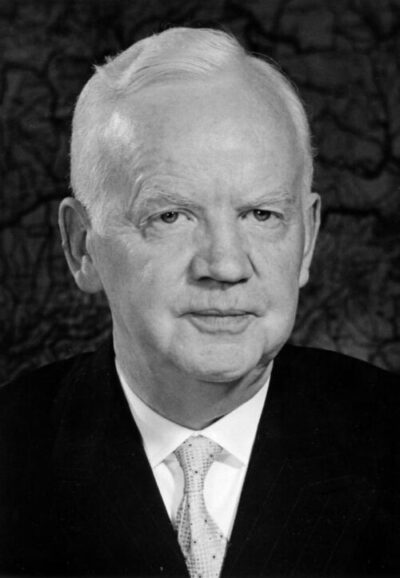 Heinrich LübkeGerman politician (1894-1972)
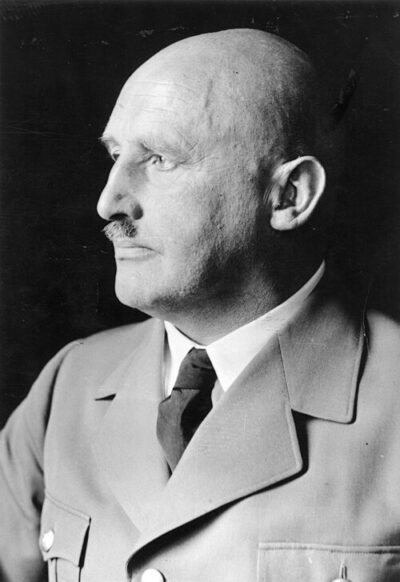 Julius StreicherGerman publisher, Nazi politician and convicted war criminal (1885-1946)
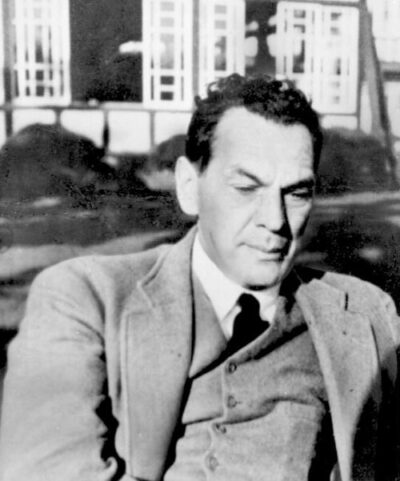 Richard SorgeSoviet spy in Germany and Japan (1895-1944)
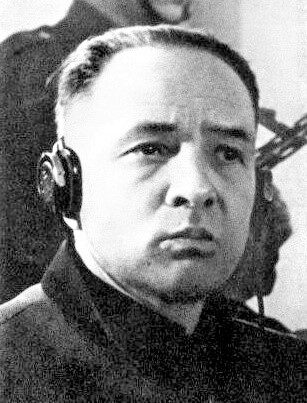 Rudolf HössGerman war criminal, commandant of Auschwitz (1901–1947)
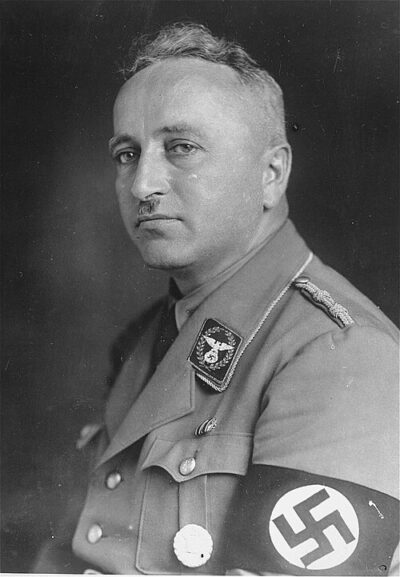 Robert LeyGerman Nazi politician; indicted by the International Military Tribunal for war crimes (1890-1945)
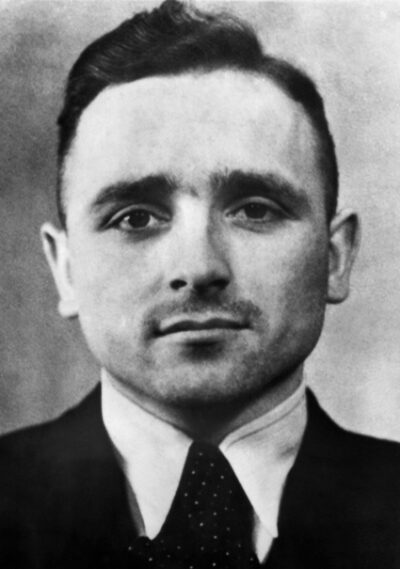 Klaus BarbieGerman SS officer, head of the Gestapo in Lyon and convicted war criminal (1913–1991)
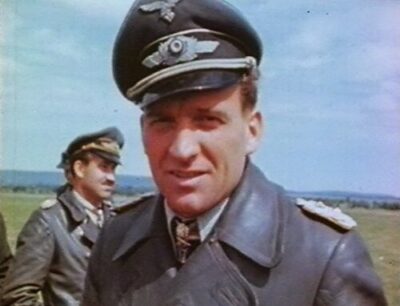 Hans-Ulrich RudelGerman World War II Stuka pilot and neo-Nazi activist (1916–1982)
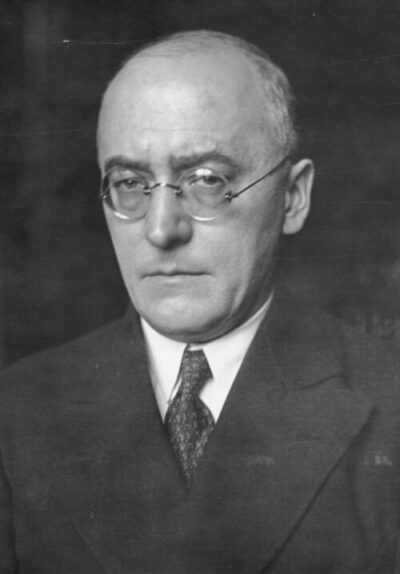 Heinrich BrüningGerman chancellor (1885-1970)
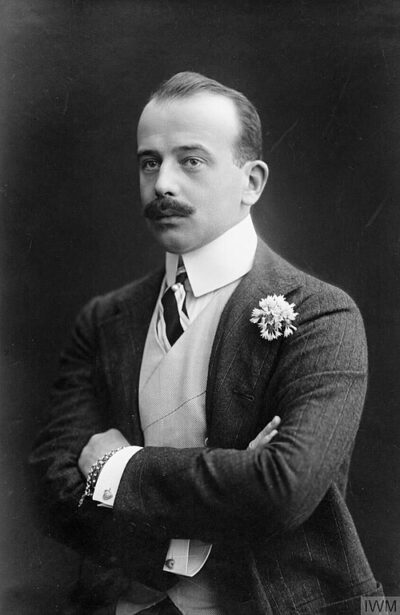 Prince Maximilian of BadenGerman chancellor (1867-1929)
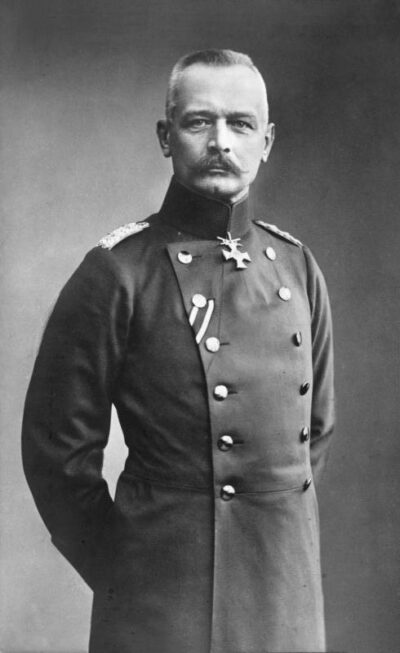 Erich von FalkenhaynChief of Germany's General Staff during the first two years of the First World War (1861-1922)
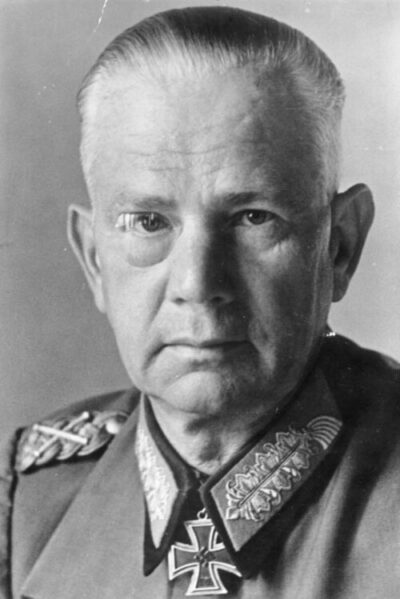 Walter von ReichenauGerman field marshal (1884–1942)
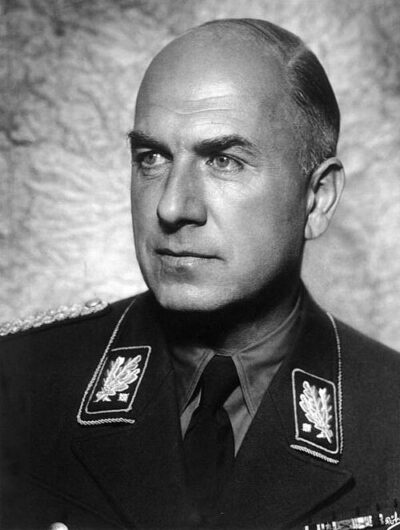 Fritz TodtGerman engineer, Holocaust perpetrator, and senior Nazi figure (1891–1942)
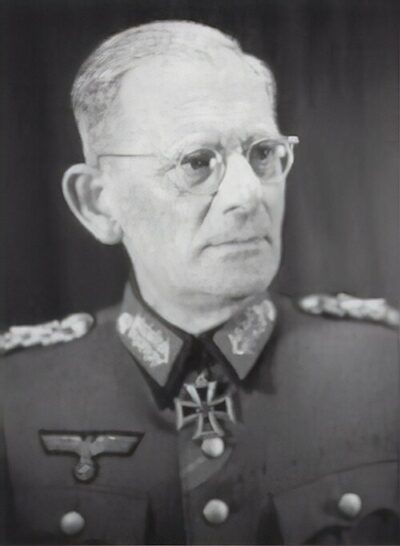 Maximilian von WeichsGerman field marshal (1881–1954)
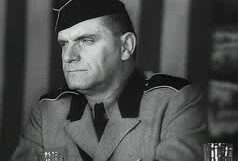 Fritz Julius KuhnAmerican leader of the German American Bund (1896–1951)