

Japan Academy
The Japan Academy is a national academy. It was founded in 1879. Its headquarters are in Ueno Imperial Grant Park.
- Founded
- 1879
- Headquarters
- Ueno Imperial Grant Park
- Country
- Japan
All 9 facts, and where they come from
Facts
9 facts · 0 confirmed by two sources · 0 cited · 9 from one source
Where this comes from
Papalocal keeps its own record. It started from these sources; what each one said is kept here as it was copied, so a change on their side never changes this page by itself. Tap one to read its version.
What Wikidata says · copied November 16, 2026 · revision 2564638627
- Described as
- national academy
- What it is
- academy of sciences; national academy; extraordinary organ
- Founded
- 1879
- Headquarters
- Ueno Imperial Grant Park · 1 reference
- Located in
- Ueno-kōen
- Country
- Japan
- Part of
- Ministry of Education, Culture, Sports, Science and Technology
- Official website
- http://www.japan-acad.go.jp
- Wikipedias with a page
- 18
Wikidata item Q1683229 (wikidata.org/wiki/Q1683229), public domain (CC0). Copied 2026-11-16.
What Wikipedia says · copied November 16, 2026 · revision 1374591119
The Japan Academy (Japanese: 日本学士院, Nihon Gakushiin) is an honorary organisation and science academy founded in 1879 to bring together leading Japanese scholars with distinguished records of scientific achievements. The Academy is currently an extraordinary organ of the Ministry of Education, Culture, Sports, Science and Technology with its headquarters located in Taito, Tokyo, Japan. Election to the Academy is considered the highest distinction a scholar can achieve, and members enjoy life tenure and an annual monetary stipend.
From the Wikipedia article “Japan Academy” (en.wikipedia.org/wiki/Japan_Academy), by its contributors, under CC BY-SA 4.0 (creativecommons.org/licenses/by-sa/4.0/). Copied 2026-11-16; not changed.
Confirmed Two sources agree. Cited One source, and it names where it got it. One source One source, without a reference of its own. Sources disagree The sources disagree. We show the best-supported value and keep theirs below.
Picture: Wikimedia Commons: 日本学士院 (301153529).jpg · See Commons file page
People connected 40
Members 40
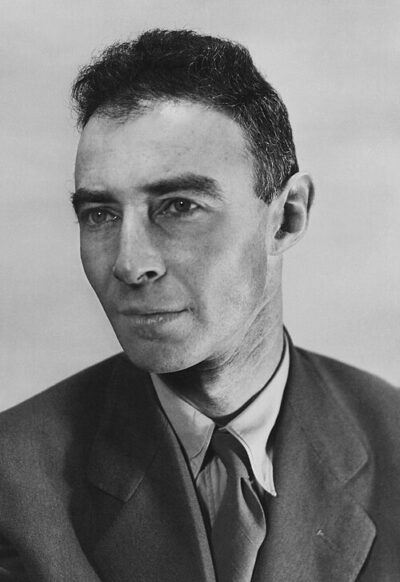 J. Robert Oppenheimer (1950–)American theoretical physicist (1904–1967)
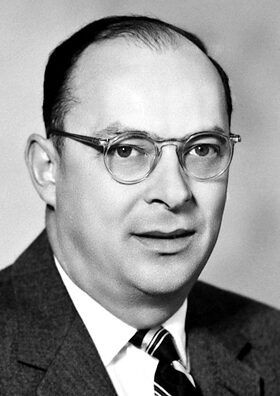 John Bardeen (1977–)American physicist and engineer (1908–1991)
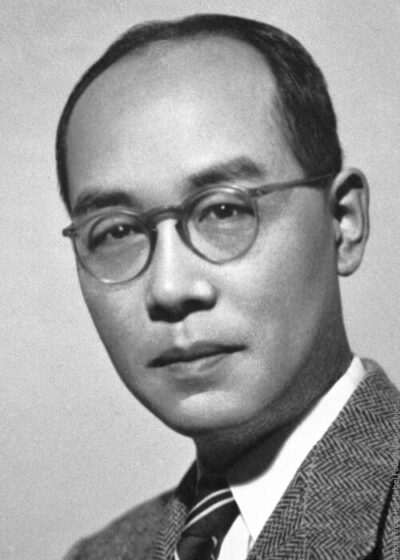 Hideki Yukawa (1946–)Japanese theoretical physicist (1907-1981)
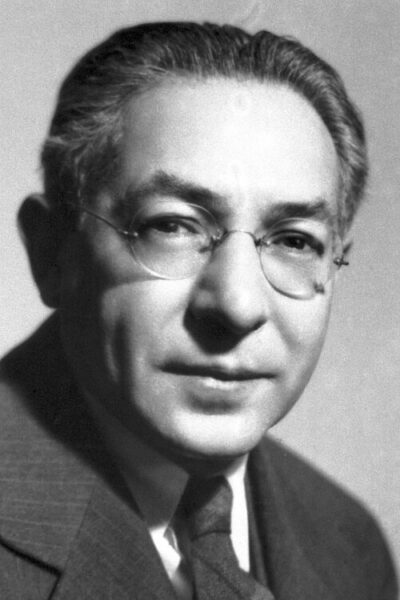 Isidor Isaac Rabi (1950–)American physicist (1898–1988)
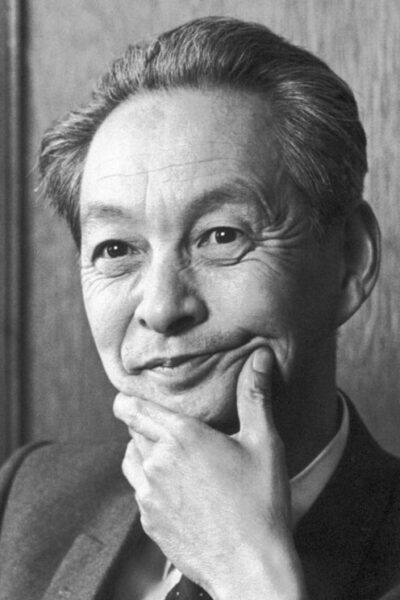 Shinichiro Tomonaga (1951–)Japanese physicist (1906-1979)
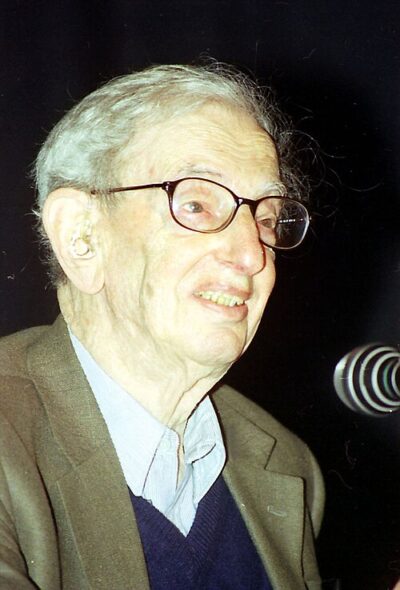 Eric Hobsbawm (2005–)British academic historian and Marxist historiographer (1917–2012)
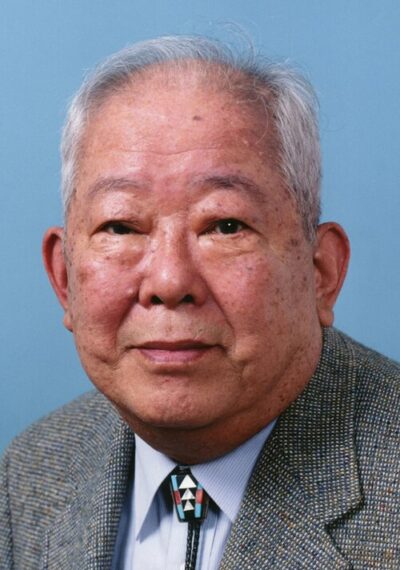 Masatoshi Koshiba (2002–)Japanese physicist and astronomer (1926-2020)
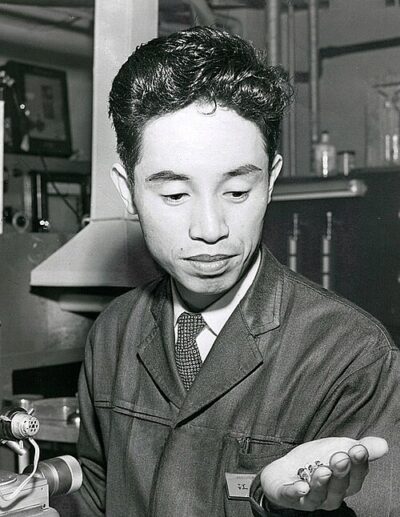 Leo Esaki (1975–)Japanese physicist (1925-)
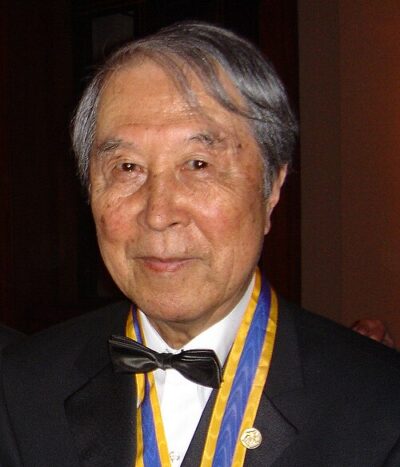 Yoichiro Nambu (1984–)American theoretical physicist (1921-2015)
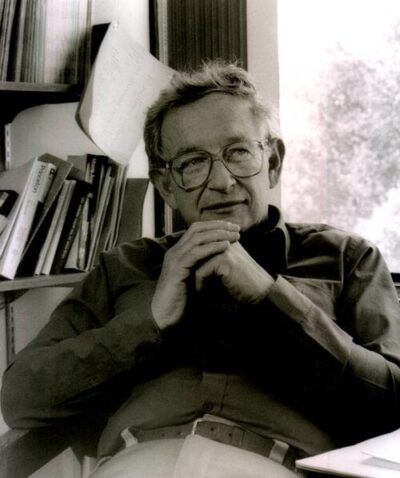 Philip W. Anderson (1988–)American physicist (1923-2020)
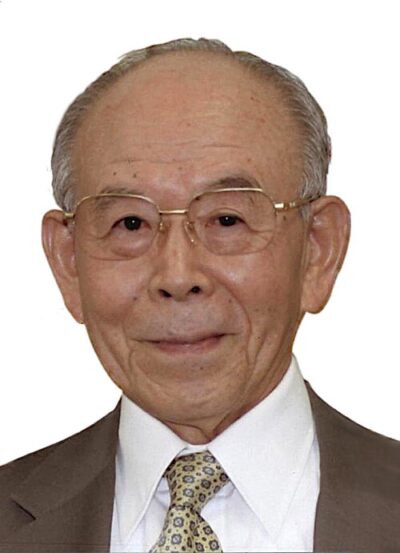 Isamu Akasaki (2014–)Japanese engineer (1929-2021)
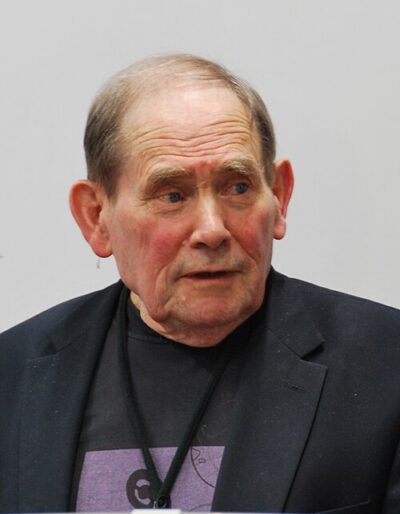 Sydney Brenner (2007–)South African-British biologist, Nobel prize in Physiology or Medicine 2002 (1927–2019)
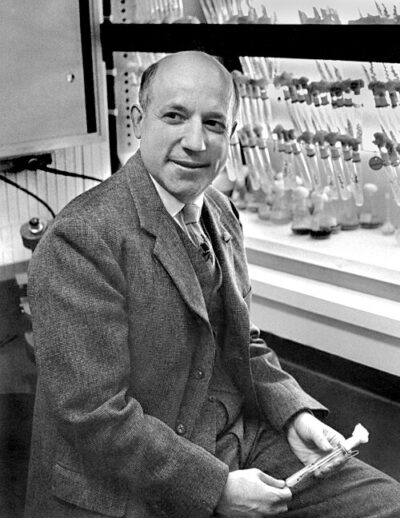 Melvin Calvin (1975–)American biochemist (1911–1997)
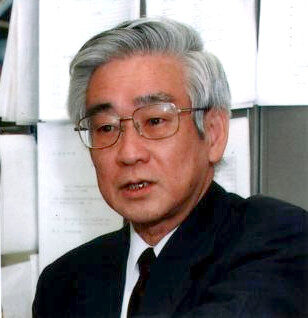 Toshihide Maskawa (2010–)Japanese theoretical physicist (1940–2021)
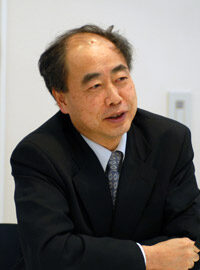 Makoto Kobayashi (2010–)Japanese theoretical physicist (1944–)
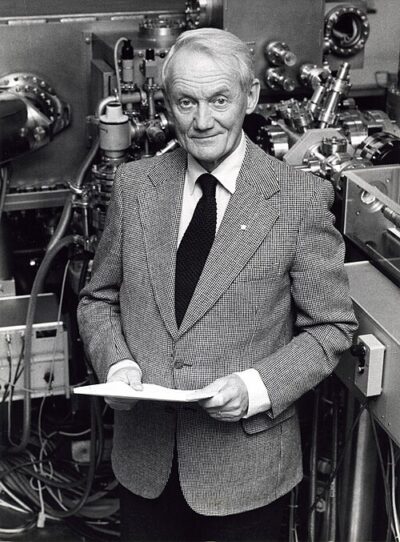 Kai Siegbahn (1994–)Swedish physicist (1918–2007)
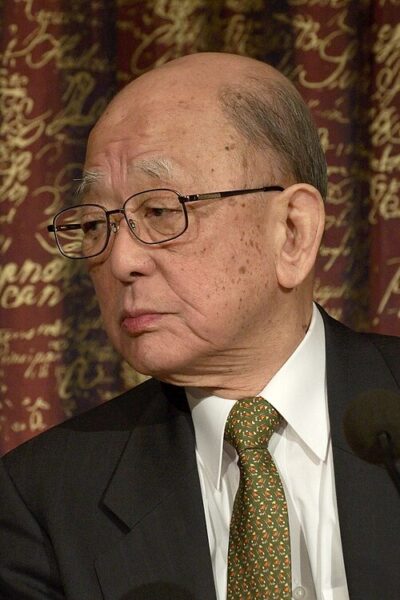 Akira Suzuki (2011–)Japanese chemist (1930 - )
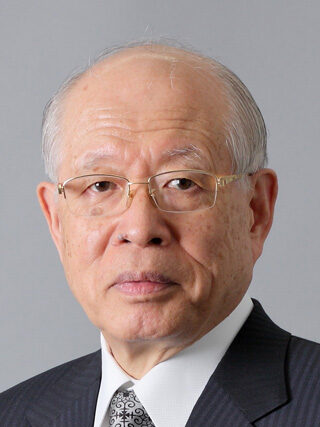 Ryōji Noyori (2002–)Japanese chemist (1938 - )
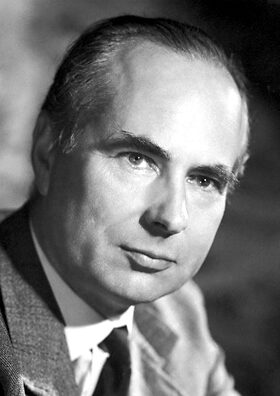 Andrew Huxley (1988–)English physiologist and biophysicist (1917–2012)
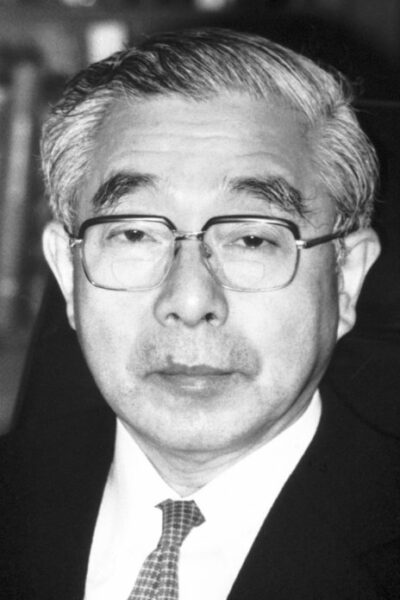 Kenichi Fukui (1983–)Japanese chemist (1918–1998)
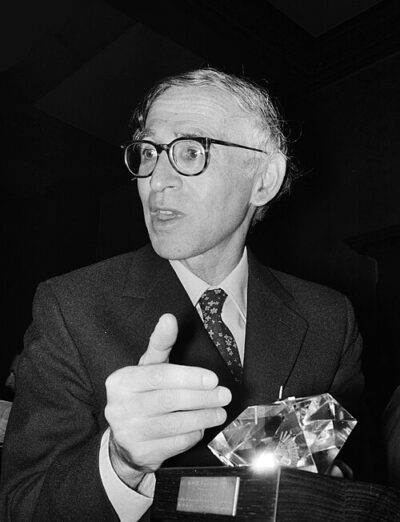 Aaron Klug (1998–)British chemist and biophysicist
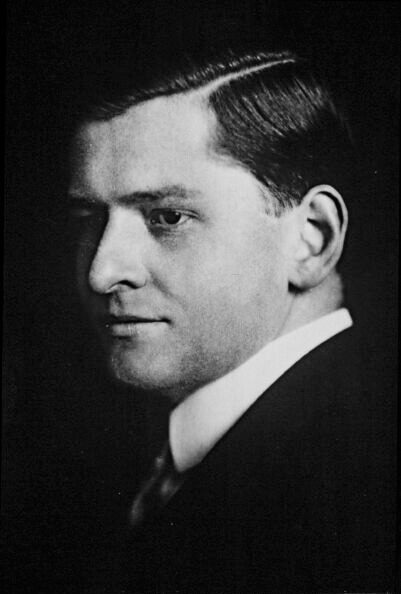 Richard Kuhn (1958–)Austrian-German biochemist (1900-1967)
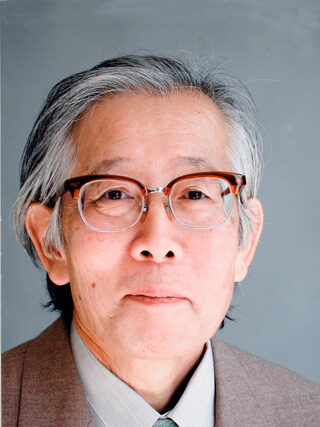 Hideki Shirakawa (2001–)Japanese scientist (1936–2026)
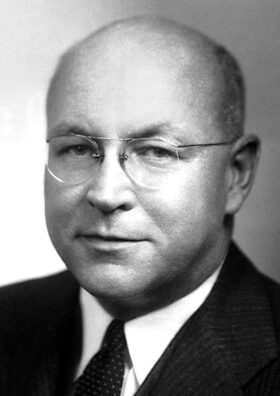 Wendell Meredith Stanley (1968–)American biochemist and virologist, winner of the Nobel Prize in Chemistry (1946)
and 16 more
