
Jerusalem Prize
Jerusalem Prize is a literature award of the City of Jerusalem. It was created in 1963. It is given by Municipality of Jerusalem.
- Given by
- Municipality of Jerusalem
- Country
- Israel
- Created
- 1963
All 6 facts, and where they come from
Facts
6 facts · 0 confirmed by two sources · 0 cited · 6 from one source
Where this comes from
Papalocal keeps its own record. It started from these sources; what each one said is kept here as it was copied, so a change on their side never changes this page by itself. Tap one to read its version.
What Wikidata says · copied November 16, 2026 · revision 2517633561
- Described as
- literature award of the City of Jerusalem
- What it is
- literary award
- Created
- 1963
- Country
- Israel
- Given by
- Municipality of Jerusalem
- Named after
- Jerusalem
- Official website
- https://www.jbookforum.com./jerusalem-prize-winner
- Wikipedias with a page
- 32
Wikidata item Q277787 (wikidata.org/wiki/Q277787), public domain (CC0). Copied 2026-11-16.
What Wikipedia says · copied November 16, 2026 · revision 1381375597
The Jerusalem Prize for the Freedom of the Individual in Society is a biennial literary award given to writers whose works have dealt with themes of human freedom in society.
It is awarded at the Jerusalem International Book Forum (previously known as the Jerusalem International Book Fair), and the recipient usually delivers an address when accepting the award. The award is valued at $10,000.
The prize's inaugural year was 1963, awarded to Bertrand Russell who had won the Nobel Prize in 1950. Octavio Paz, V. S. Naipaul, J. M. Coetzee, and Mario Vargas Llosa all won the Jerusalem Prize prior to winning the Nobel Prize in Literature.
No prize was awarded in 2023, the first such occasion in the award's history.
From the Wikipedia article “Jerusalem Prize” (en.wikipedia.org/wiki/Jerusalem_Prize), by its contributors, under CC BY-SA 4.0 (creativecommons.org/licenses/by-sa/4.0/). Copied 2026-11-16; not changed.
Confirmed Two sources agree. Cited One source, and it names where it got it. One source One source, without a reference of its own. Sources disagree The sources disagree. We show the best-supported value and keep theirs below.
People connected 21
Won it
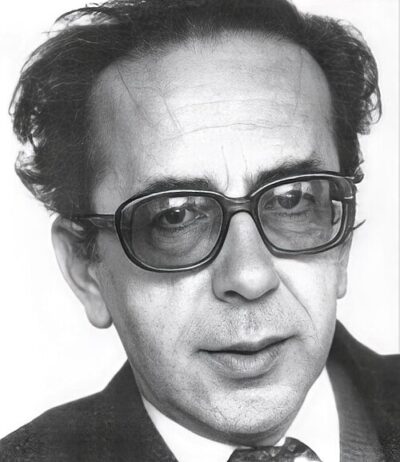 Ismail Kadare (2015)Albanian writer (1936–2024)
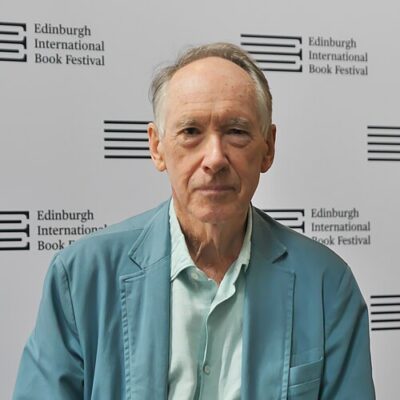 Ian McEwan (2011)British author (born 1948)
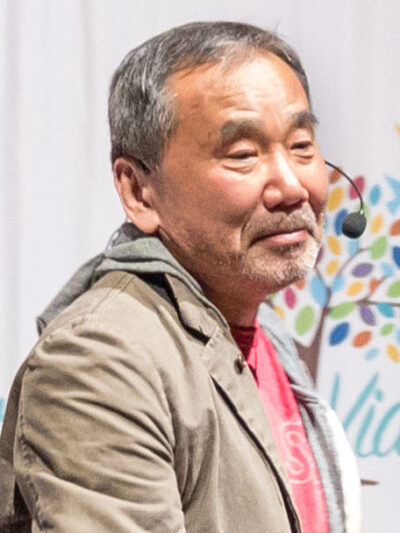 Haruki Murakami (2009)Japanese writer (born 1949)
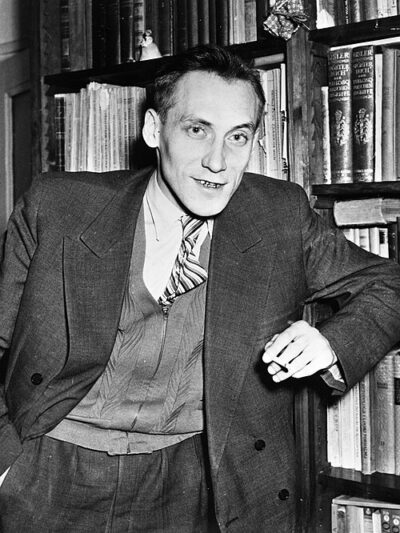 Leszek Kołakowski (2007)Philosopher, historian of ideas (1927–2009)
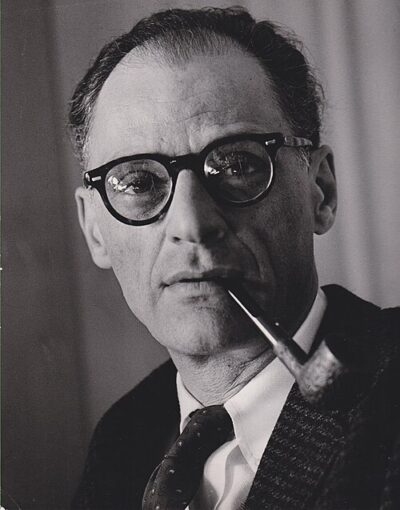 Arthur Miller (2003)American playwright and essayist (1915–2005)
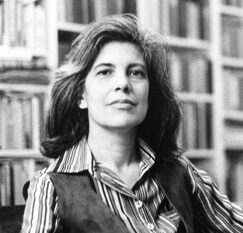 Susan Sontag (2001)American writer and filmmaker, professor, and activist (1933–2004)
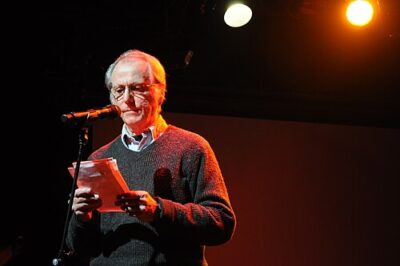 Don DeLillo (1999)American novelist, playwright and essayist (born 1936)
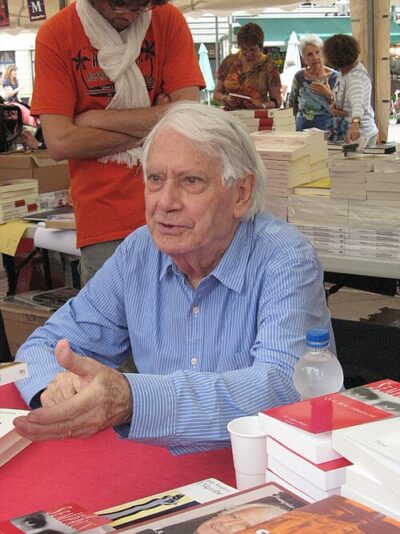 Jorge Semprún (1997)Spanish-French writer (1923-2011)
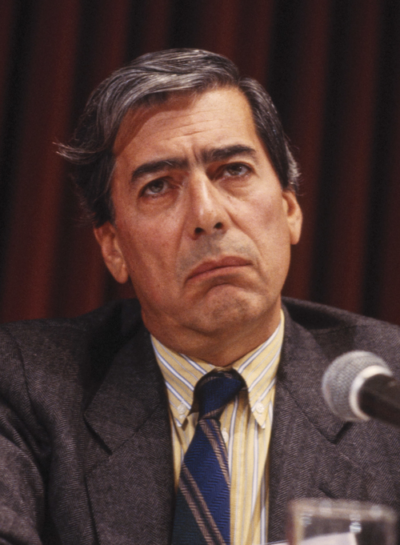 Mario Vargas Llosa (1995)Peruvian, Spanish and Dominican novelist and writer (1936–2025)
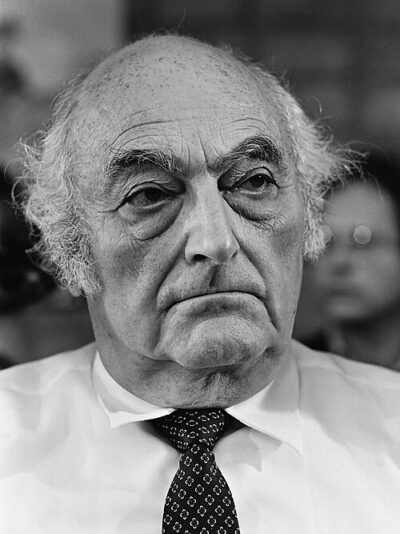 Stefan Heym (1993)German writer (1913-2001)
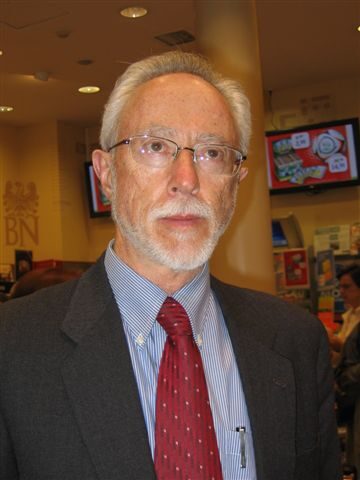 J. M. Coetzee (1987)South African and Australian writer and scholar (born 1940)
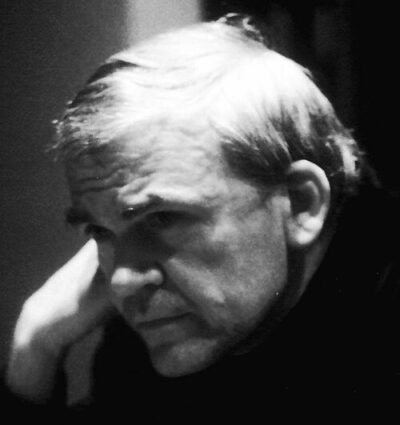 Milan Kundera (1985)Franco-Czechoslovak poet and novelist (1929—2023)
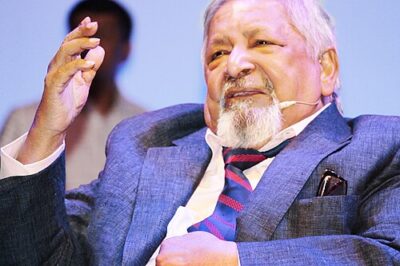 V. S. Naipaul (1983)Trinidadian-British writer (1932–2018)
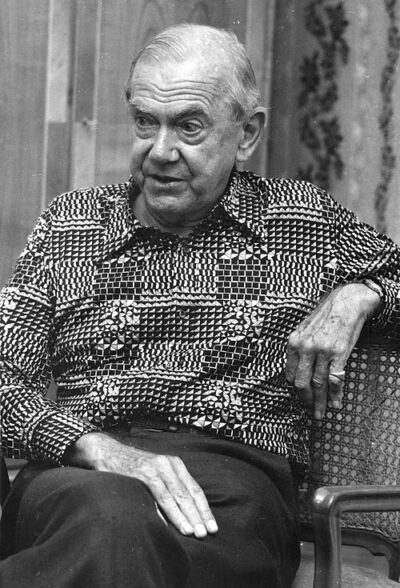 Graham Greene (1981)British writer, playwright and literary critic (1904–1991)
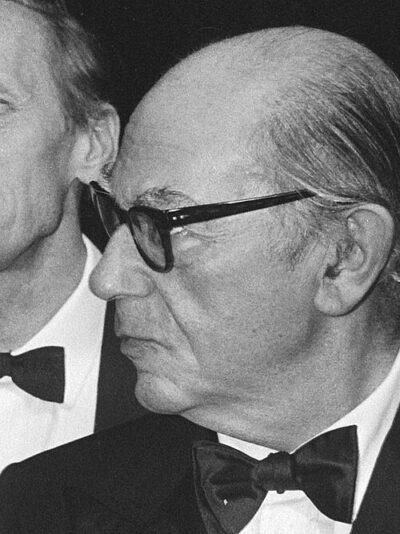 Isaiah Berlin (1979)Russo-British-Latvian Jewish social and political theorist, philosopher and historian of ideas (1909–1997)
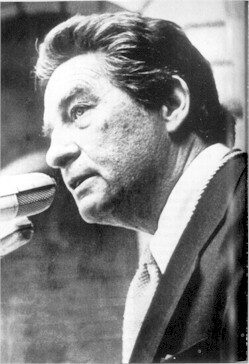 Octavio Paz (1977)Mexican writer, poet an diplomat (1914–1998)
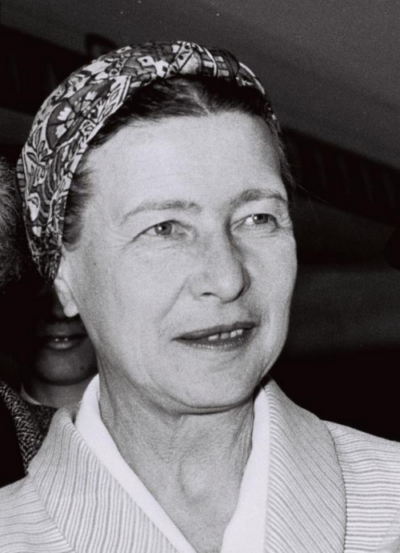 Simone de Beauvoir (1975)French philosopher, social theorist and activist (1908–1986)
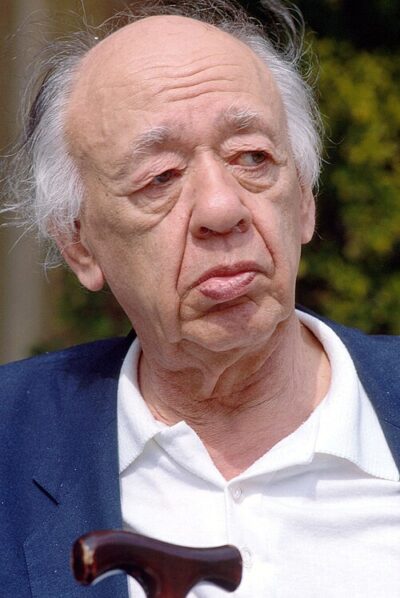 Eugène Ionesco (1973)Romanian-French playwright (1909–1994)
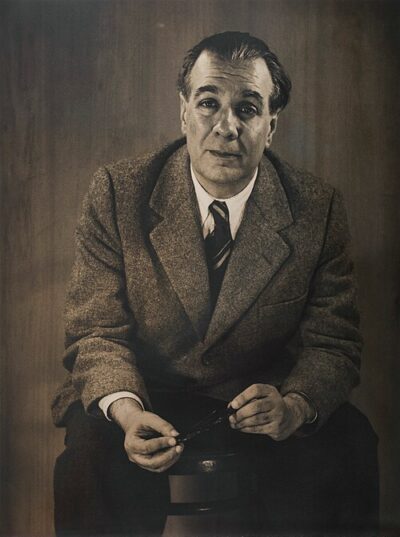 Jorge Luis Borges (1971)Argentine writer, essayist, poet and translator (1899–1986)
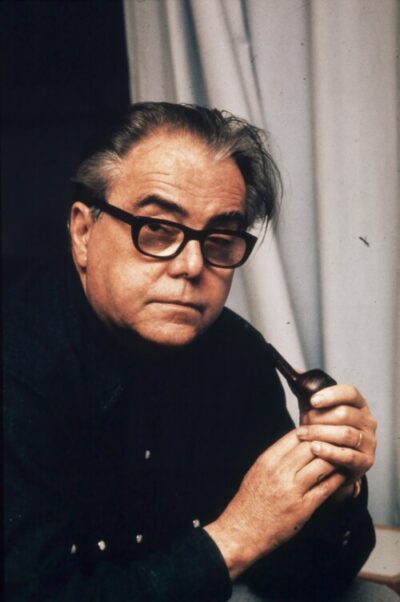 Max Frisch (1965)Swiss playwrighter and novelist (1911–1991)
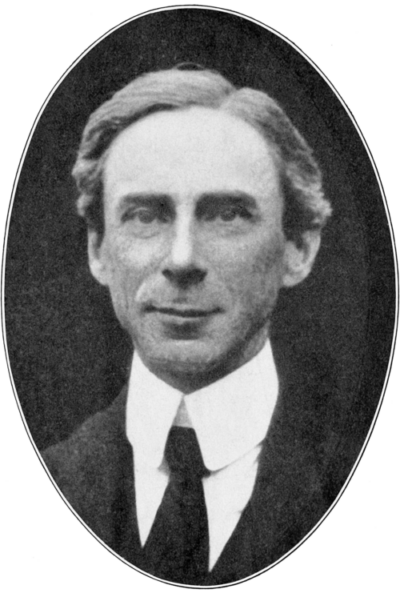 Bertrand Russell (1963)British philosopher and logician (1872–1970)
