
Liberal Party of Canada
Liberal Party of Canada is a Canadian political party. It was founded in 1861 by George Brown. Its headquarters are in Ottawa. It stands for social liberalism, liberalism in Canada and liberalism.
- Country
- Canada
- Founded
- 1861
- Ideology
- social liberalism
- Chair
- Mark Carney (2025–)
All 13 facts, and where they come from
Facts
13 facts · 0 confirmed by two sources · 0 cited · 13 from one source
Where this comes from
Papalocal keeps its own record. It started from these sources; what each one said is kept here as it was copied, so a change on their side never changes this page by itself. Tap one to read its version.
What Wikidata says · copied November 16, 2026 · revision 2538735695
- Described as
- Canadian political party
- Other names
- LPC, PLC, Canadian Liberal Party, Canadian Liberals, Grits
- What it is
- political party
- Founded
- 1861
- Founded by
- George Brown · 1 reference
- Headquarters
- Ottawa
- Country
- Canada
- Chair
- Justin Trudeau (2013–2025); Bob Rae (2011–2013)
- Ideology
- social liberalism; liberalism in Canada; liberalism · 1 reference
- Office of
- Canada
- Also called
- Grits
- Official website
- https://liberal.ca/
- Wikipedias with a page
- 60
Wikidata item Q138345 (wikidata.org/wiki/Q138345), public domain (CC0). Copied 2026-11-16.
What Wikipedia says · copied November 16, 2026 · revision 1383145053
The Liberal Party of Canada (LPC; French: Parti libéral du Canada; PLC) is a federal political party in Canada. The Liberal Party espouses the principles of liberalism, and generally sits at the centre to centre-left of the Canadian political spectrum, with their main rival, the Conservative Party, positioned to their right and the New Democratic Party positioned to their left. The party is often described as a "big tent", practising "brokerage politics", attracting support from a broad spectrum of voters. The Liberal Party is the oldest active federal political party in the country, and has dominated the federal politics of Canada for much of its history. As a result, it has sometimes been referred to as Canada's "natural governing party". It has been the governing party since 2015; Mark Carney has been its leader and the Prime Minister of Canada since March 2025.
The party has been in continual existence since the confederation of Canada in 1867. The party first came into power in 1873, with the party's first official leader Alexander Mackenzie leading the nation for five years. Following close to 20 years in opposition, Wilfrid Laurier led the party to victory in 1896 and facilitated many compromises between English and French Canada that shaped the bilingual nation during his 15-year premiership.
During William Lyon Mackenzie King's 29 years as party leader, the party was in government from 1921 to 1926, from 1926 to 1930, and from 1935 to 1948. In the half century between 1935 and 1984, the party was in power for all but seven years, winning elections under King, Louis St. Laurent, Lester B. Pearson, and Pierre Trudeau, leading the country through a period of significant expansion of the Canadian welfare state and the emergence of Canada as an independent voice in international affairs. In 1984, the Liberals suffered a landslide defeat to the Progressive Conservatives.
The party returned to government from 1993 to 2006 led by Jean Chrétien and then Paul Martin, who combined social liberalism with fiscal conservatism through a Third Way philosophy. It suffered its worst electoral defeat in 2011, the only federal election as of 2026 in which the Liberals failed to attain the status of government or Official Opposition. The Liberals returned to power in 2015 led by Justin Trudeau, son of the previous prime minister Trudeau. He was succeeded by Mark Carney as party leader in March 2025, who was appointed Prime Minister that month.
The Liberals' signature policies and legislative decisions include the establishment of the Royal Canadian Navy in 1910; the introduction of Canadian citizenship; equalization payments; the Canada Student Loan Program; the Canada Pension Plan; universal health care; the creation of the Maple Leaf flag; the unification of the armed forces in 1968; expanded access to abortion; the Official Languages Act; the patriation of the Constitution of Canada and the establishment of the Canadian Charter of Rights and Freedoms; gun control; the Clarity Act; campaign and political finance reform; the legalization of same-sex marriage, euthanasia, and recreational cannabis; federal carbon pricing; a national early learning and child care program; a national school food program; the Canadian Dental Care Plan; and the beginning of national pharmacare.
From the Wikipedia article “Liberal Party of Canada” (en.wikipedia.org/wiki/Liberal_Party_of_Canada), by its contributors, under CC BY-SA 4.0 (creativecommons.org/licenses/by-sa/4.0/). Copied 2026-11-16; not changed.
Confirmed Two sources agree. Cited One source, and it names where it got it. One source One source, without a reference of its own. Sources disagree The sources disagree. We show the best-supported value and keep theirs below.
People connected 27
Party members 27
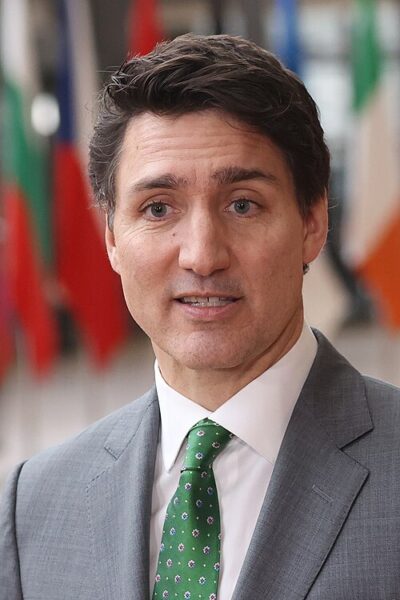 Justin Trudeau23rd prime minister of Canada from 2015 to 2025
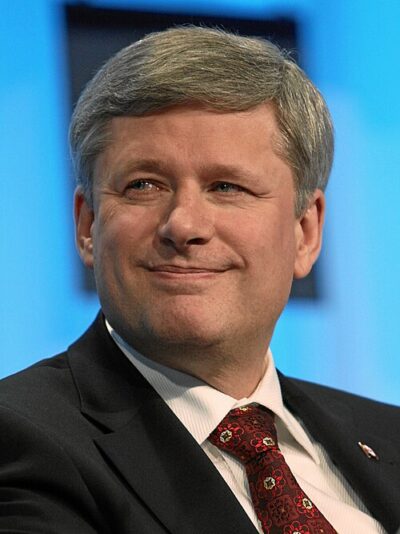 Stephen Harper (–1985)22nd prime minister of Canada from 2006 to 2015
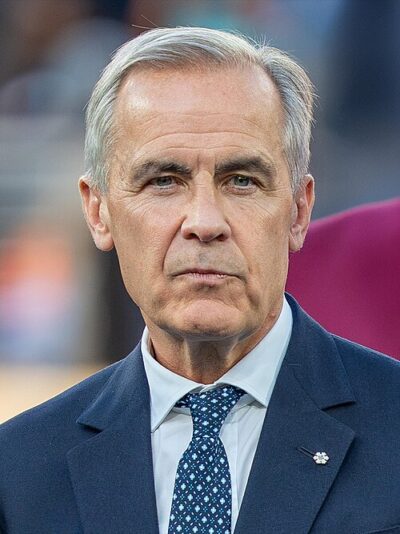 Mark Carney24th prime minister of Canada since 2025
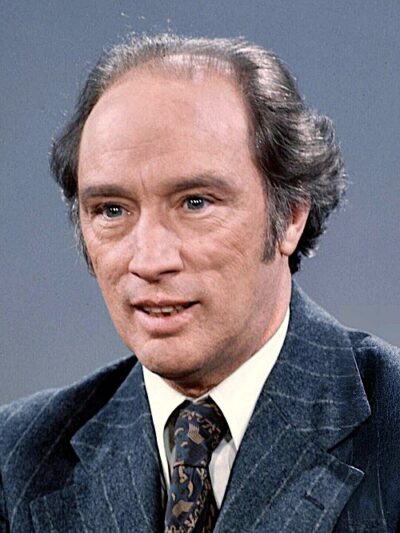 Pierre TrudeauPrime Minister of Canada from 1968 to 1979 and 1980 to 1984 (1919–2000)
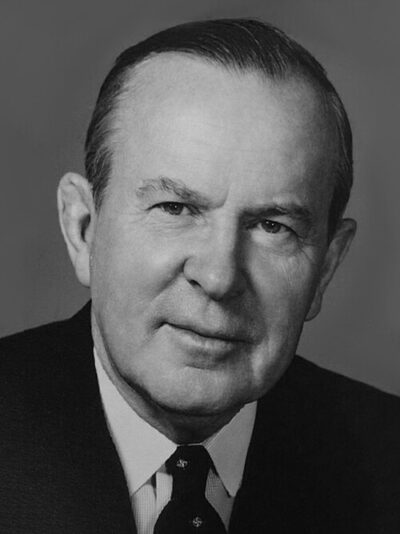 Lester B. Pearson14th Prime Minister of Canada, from 1963 to 1968 (1897–1972)
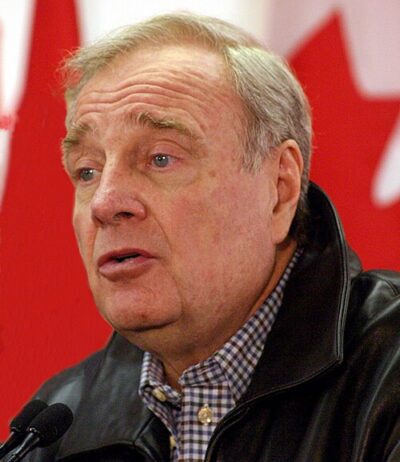 Paul Martinprime minister of Canada from 2003 to 2006
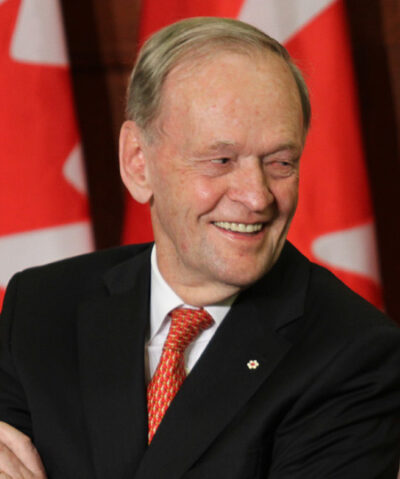 Jean Chrétienprime minister of Canada from 1993 to 2003
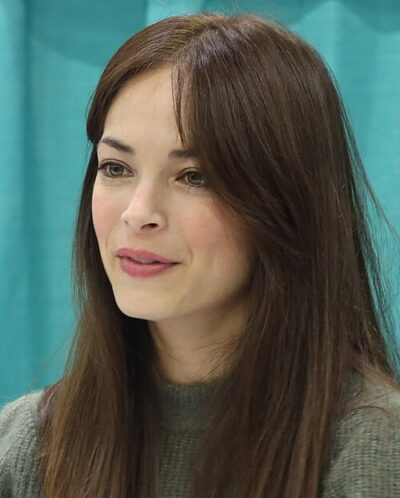 Kristin KreukCanadian actress
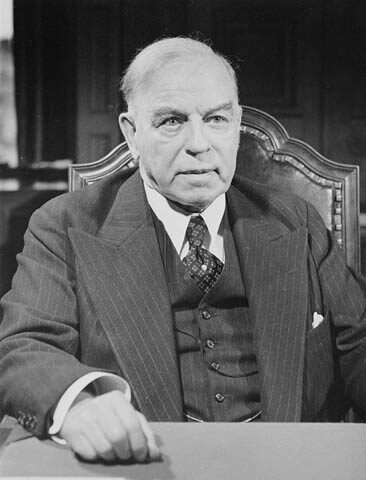 William Lyon Mackenzie King10th Prime Minister of Canada (1874–1950)
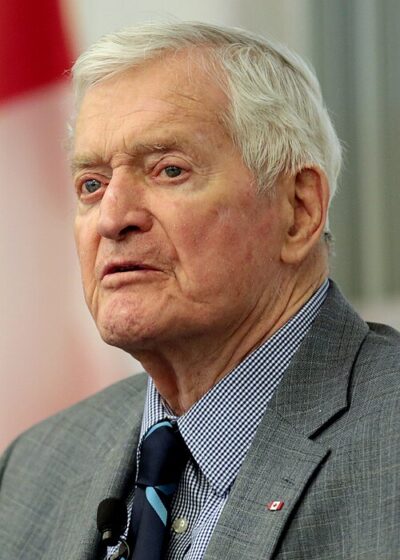 John Turner17th Prime Minister of Canada (1929–2020)
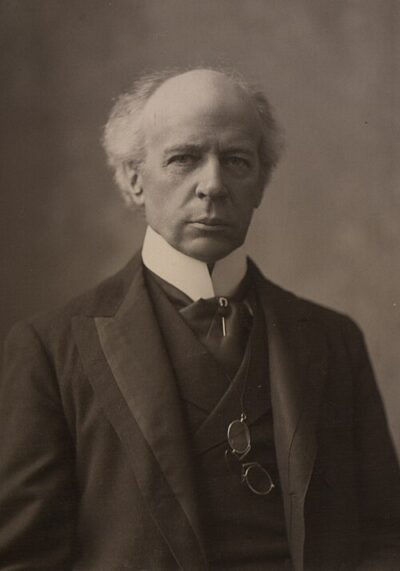 Wilfrid Laurier7th prime minister of Canada (1841-1919)
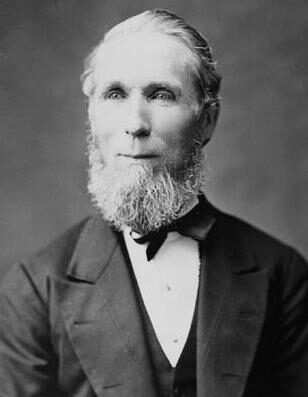 Alexander Mackenzie2nd Prime Minister of Canada (1822-1892)
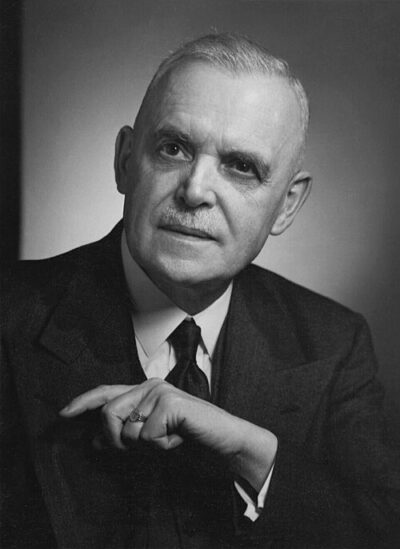 Louis St. Laurent12th Prime Minister of Canada (1882-1973)
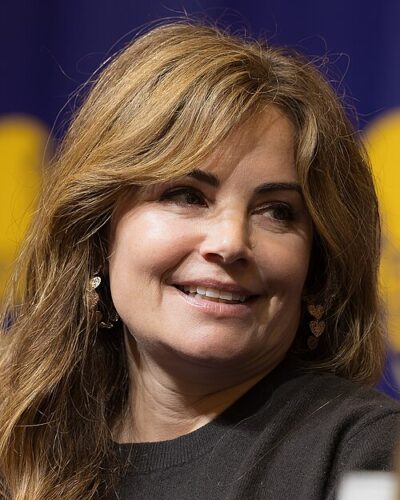 Erica DuranceCanadian actress
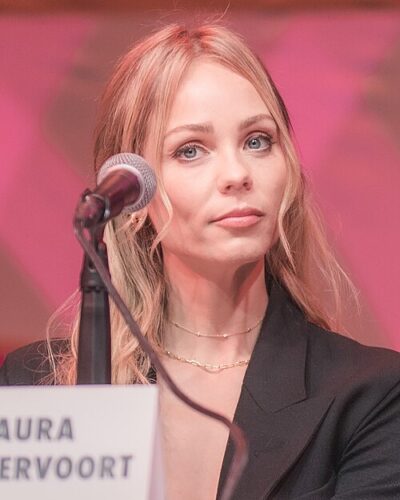 Laura VandervoortCanadian actress (born 1984)
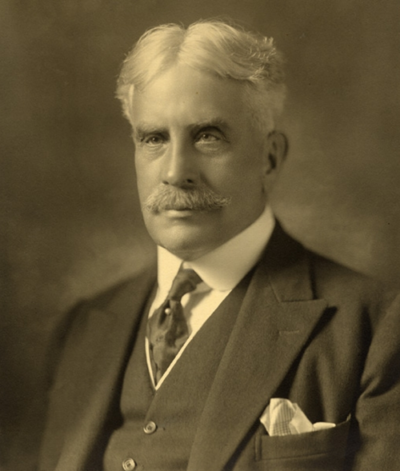 Robert Borden (1867–1891)8th prime minister of Canada (1854–1937)
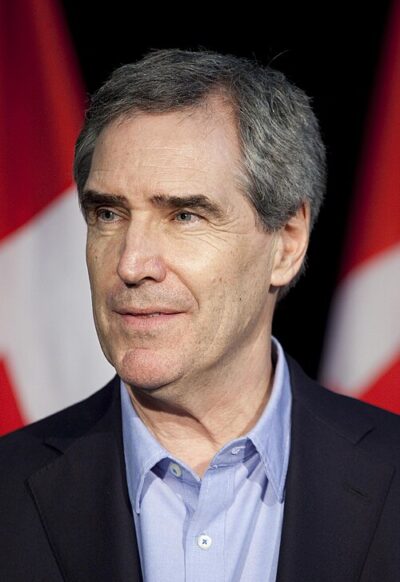 Michael IgnatieffCanadian professor, writer and politician
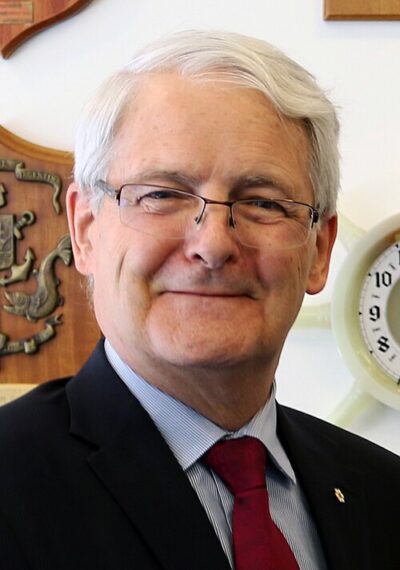 Marc GarneauCanadian astronaut and politician (1949–2025)
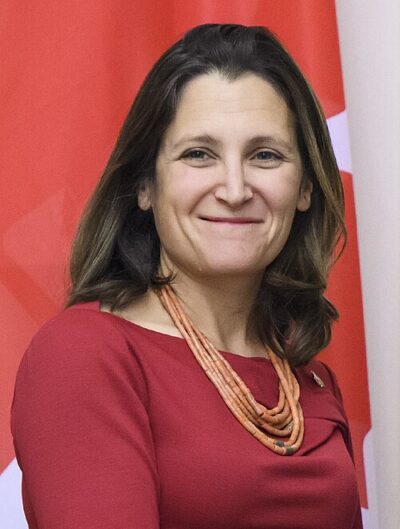 Chrystia FreelandCanadian politician and journalist (born 1968)
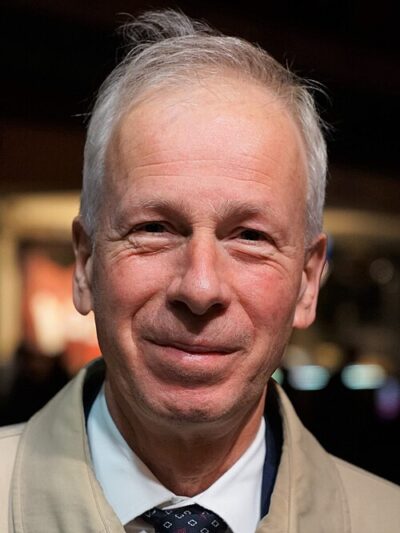 Stéphane DionCanadian politician
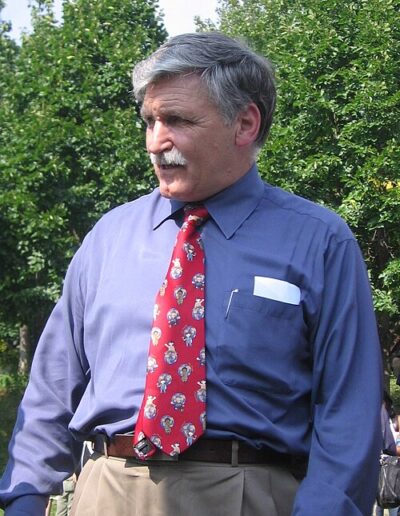 Roméo DallaireCanadian humanitarian, author, and retired senator and general
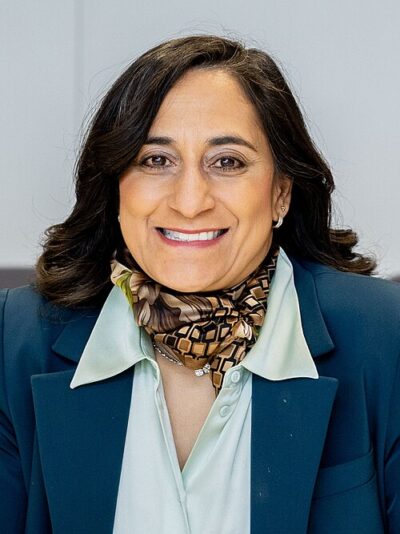 Anita AnandCanadian politician and professor (born 1967)
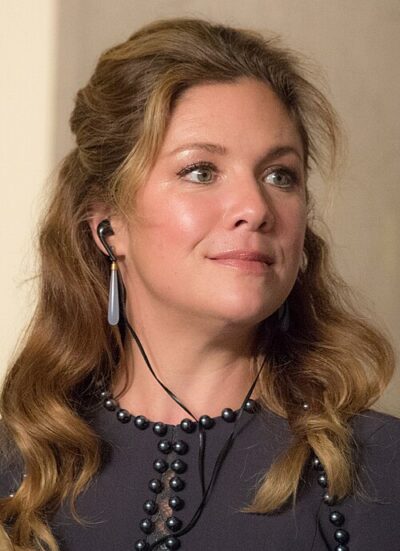 Sophie Grégoire TrudeauCanadian television presenter (born 1975)
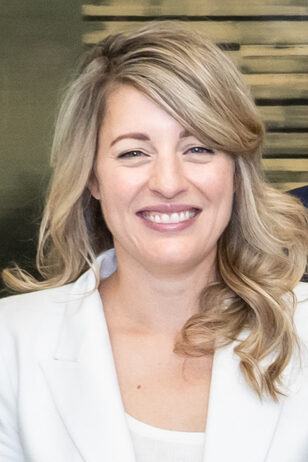 Mélanie JolyCanadian Minister of Foreign Affairs
and 3 more
