

monk
Monk is a member of a monastic religious order.
All 1 facts, and where they come from
Facts
1 facts · 0 confirmed by two sources · 0 cited · 1 from one source
Where this comes from
Papalocal keeps its own record. It started from these sources; what each one said is kept here as it was copied, so a change on their side never changes this page by itself. Tap one to read its version.
What Wikidata says · copied November 17, 2026 · revision 2553879625
- Described as
- member of a monastic religious order
- Other names
- monks
- What it is
- religious role
- Wikipedias with a page
- 97
Wikidata item Q733786 (wikidata.org/wiki/Q733786), public domain (CC0). Copied 2026-11-17.
What Wikipedia says · copied November 17, 2026 · revision 1384323337
A monk (; from Greek: μοναχός, monachos, 'single, solitary', via Latin monachus) is a man who is a member of a religious order and lives in a monastery. A monk usually lives his life in prayer and contemplation. The concept is ancient and can be seen in many religions, and in philosophy, across numerous cultures. Monasticism is historically rooted in the Sramana movements of ancient India, which produced the structured ascetic orders of Jainism and Buddhism. Benedict of Nursia is considered to be the originator of western monasticism.
From the Wikipedia article “Monk” (en.wikipedia.org/wiki/Monk), by its contributors, under CC BY-SA 4.0 (creativecommons.org/licenses/by-sa/4.0/). Copied 2026-11-17; not changed.
Confirmed Two sources agree. Cited One source, and it names where it got it. One source One source, without a reference of its own. Sources disagree The sources disagree. We show the best-supported value and keep theirs below.
Picture: Wikimedia Commons: Mendicant Monk Sitting on Xindong Street, Taipei 20140103.jpg · See Commons file page
People connected 104
Occupation 104
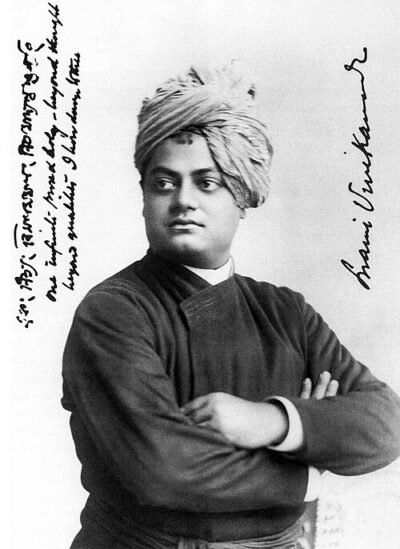 Swami VivekanandaIndian Hindu monk and philosopher (1863–1902)
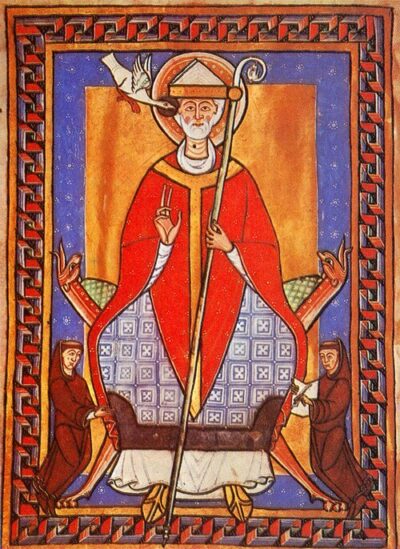 Gregory I6th-century Roman Pope, theologian and Church Father, Catholic and Orthodox saint, 64th Bishop of Rome and Doctor of the Church
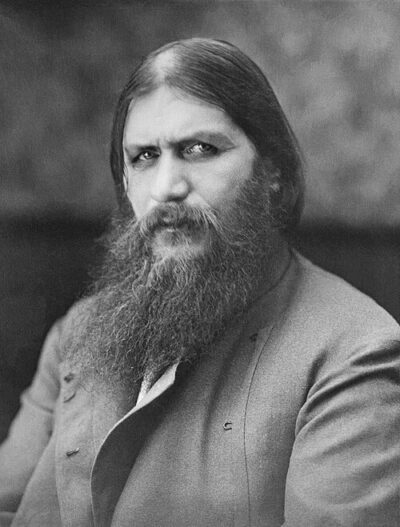 Grigori RasputinRussian mystic (1869–1916)
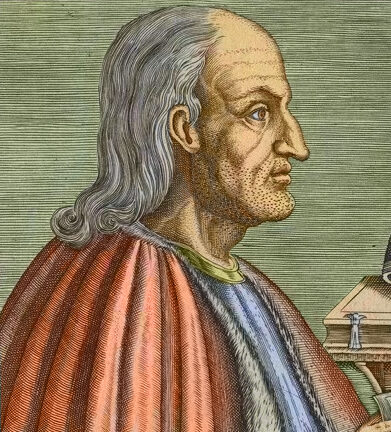 Anselm of Canterbury11th‑century Benedictine monk, Archbishop of Canterbury, philosopher and theologian
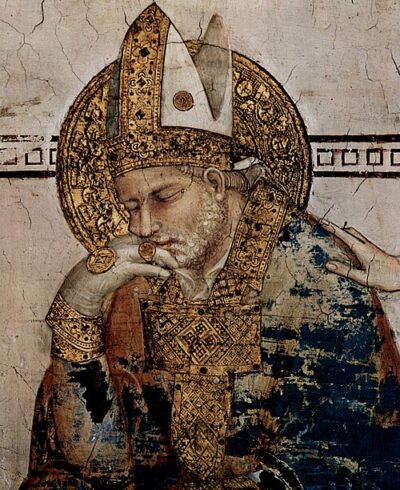 Martin of ToursChristian saint (c.316/336 - 397)
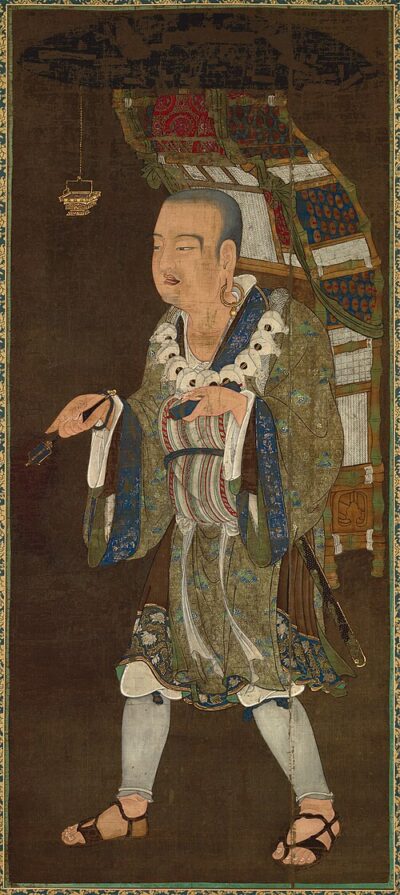 Xuanzang7th-century Chinese Buddhist monk and scholar (602–664)
 Agathopope
 Andrei Rublevmedieval Russian artist (1360s-1428)
- MMesrop MashtotsArmenian theologian and linguist (362–440)
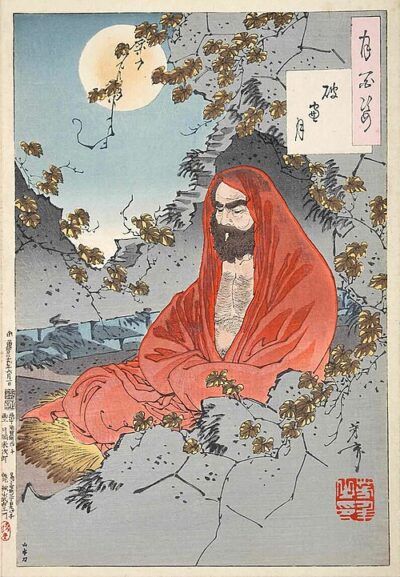 BodhidharmaIndian-Chinese philosopher and Buddhist Monk
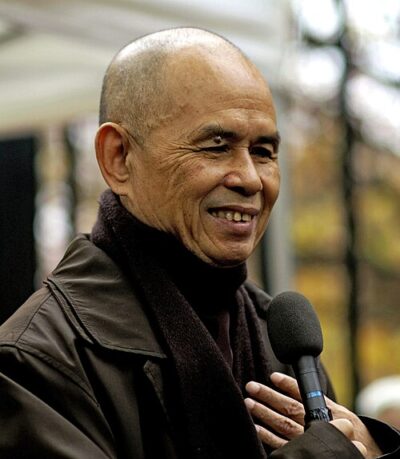 Thích Nhất HạnhVietnamese Buddhist monk and activist (1926–2022)
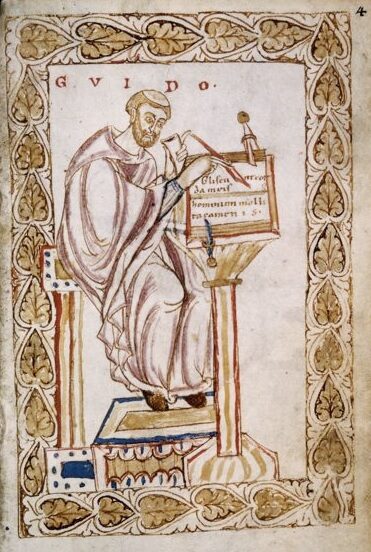 Guido of Arezzo11th century Italian monk, inventor of modern musical notation
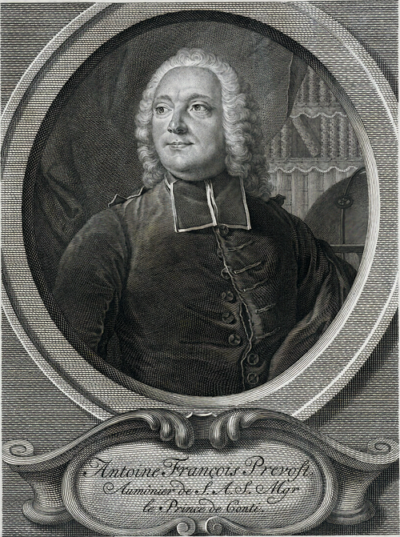 Antoine François PrévostFrench novelist (1697–1763)
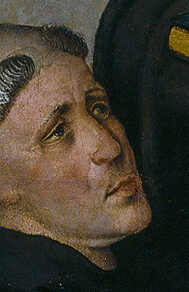 Tomás de TorquemadaGrand Inquisitor of Spain (1420-1498)
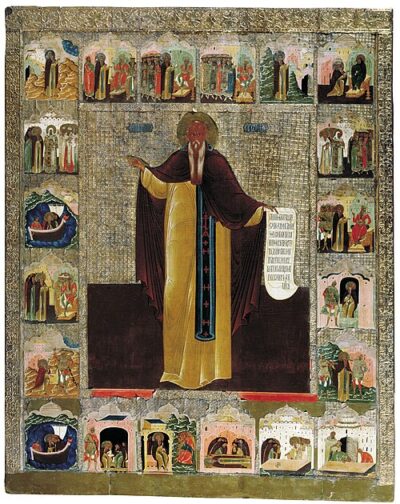 Maximus the ConfessorChristian monk, theologian, scholar and saint (c. 580 - 662)
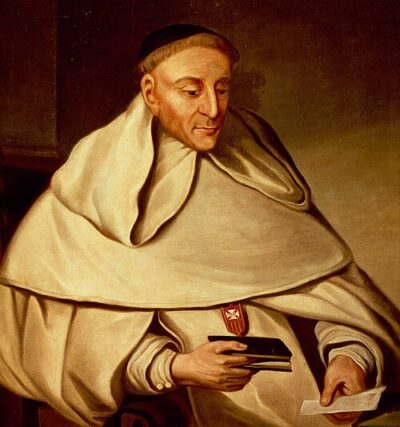 Tirso de MolinaSpanish writer (c. 1583-c.1648)
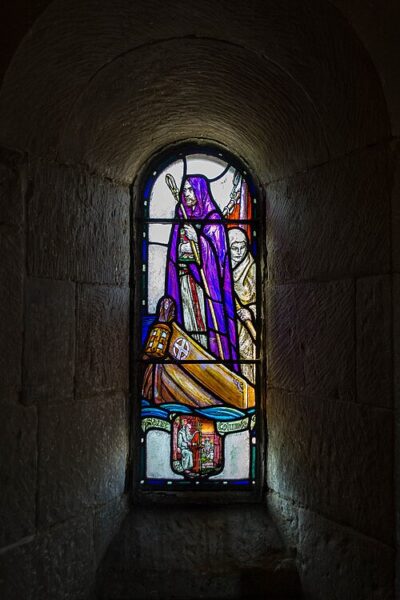 Columba6th‑century Gaelic Irish missionary monk, Christian saint, pioneer of Celtic Christianity in Scotland and “Apostle of the Picts”
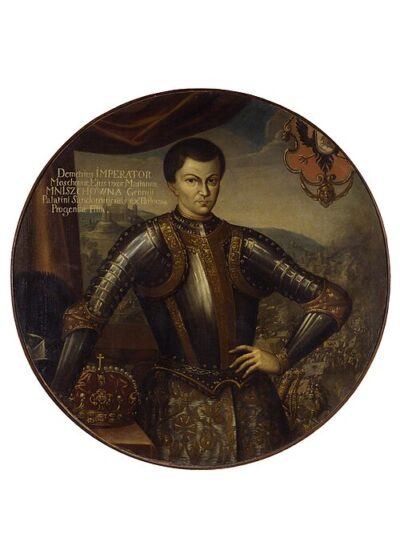 False Dmitriy ITsar of Russia (1605–1606)
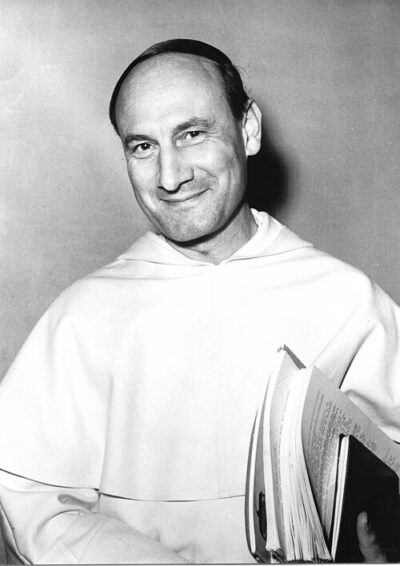 Dominique PireBelgian Dominican friar (1910–1969)
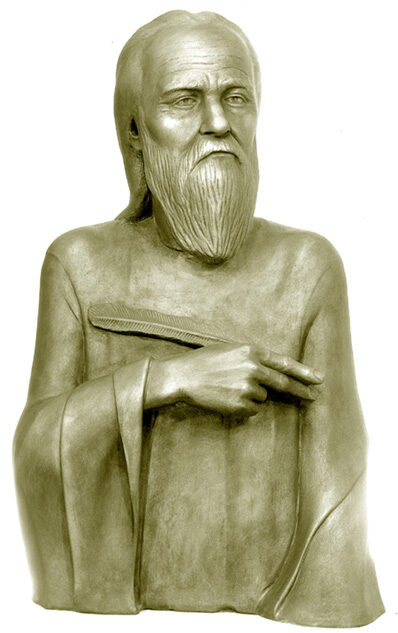 Nestor the ChroniclerSaint and chronicler of Kievan Rus'
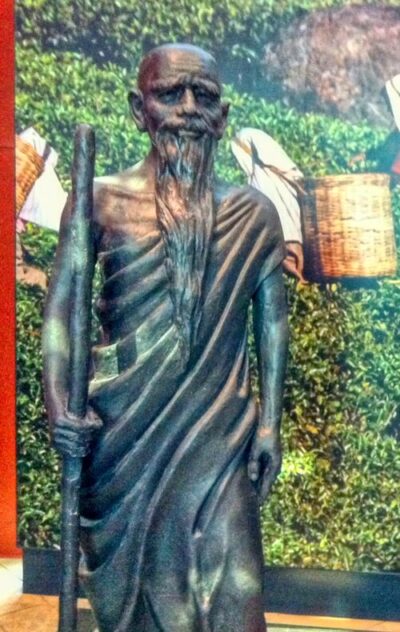 FaxianChinese Buddhist monk (bhikkhu), pilgrim to India, and travelogue author during the Jin and Liu Song dynasties
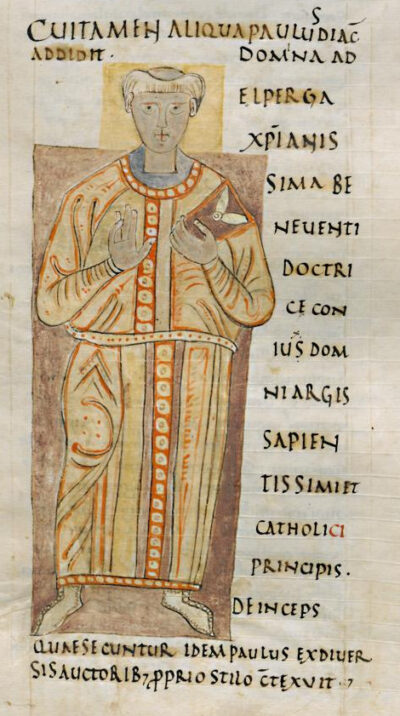 Paul the Deacon8th century Benedictine monk, scribe and historian
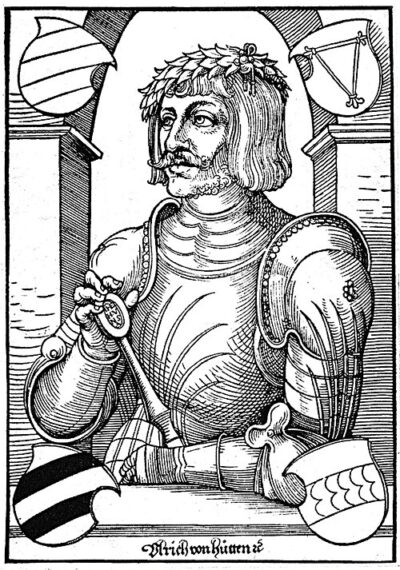 Ulrich von HuttenGerman scholar, poet and reformer (1488-1523)
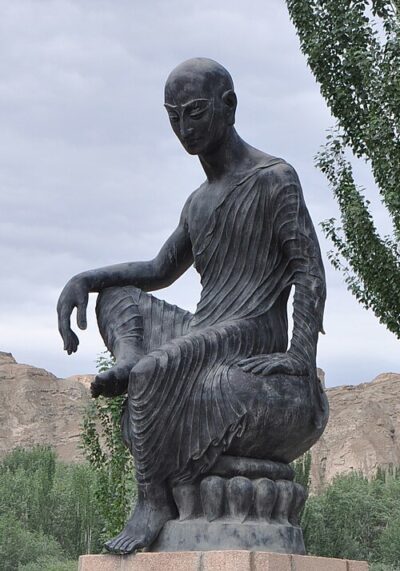 KumārajīvaKuchan Buddhist monk and translator (344-413)
and 80 more
